Circadian Rhythm Sleep Disorders: 6 Types & Treatments
Understand circadian rhythm sleep disorders, their symptoms, causes, and effective treatments to realign your internal clock.
Circadian Rhythm Sleep Disorders: Types and Treatments
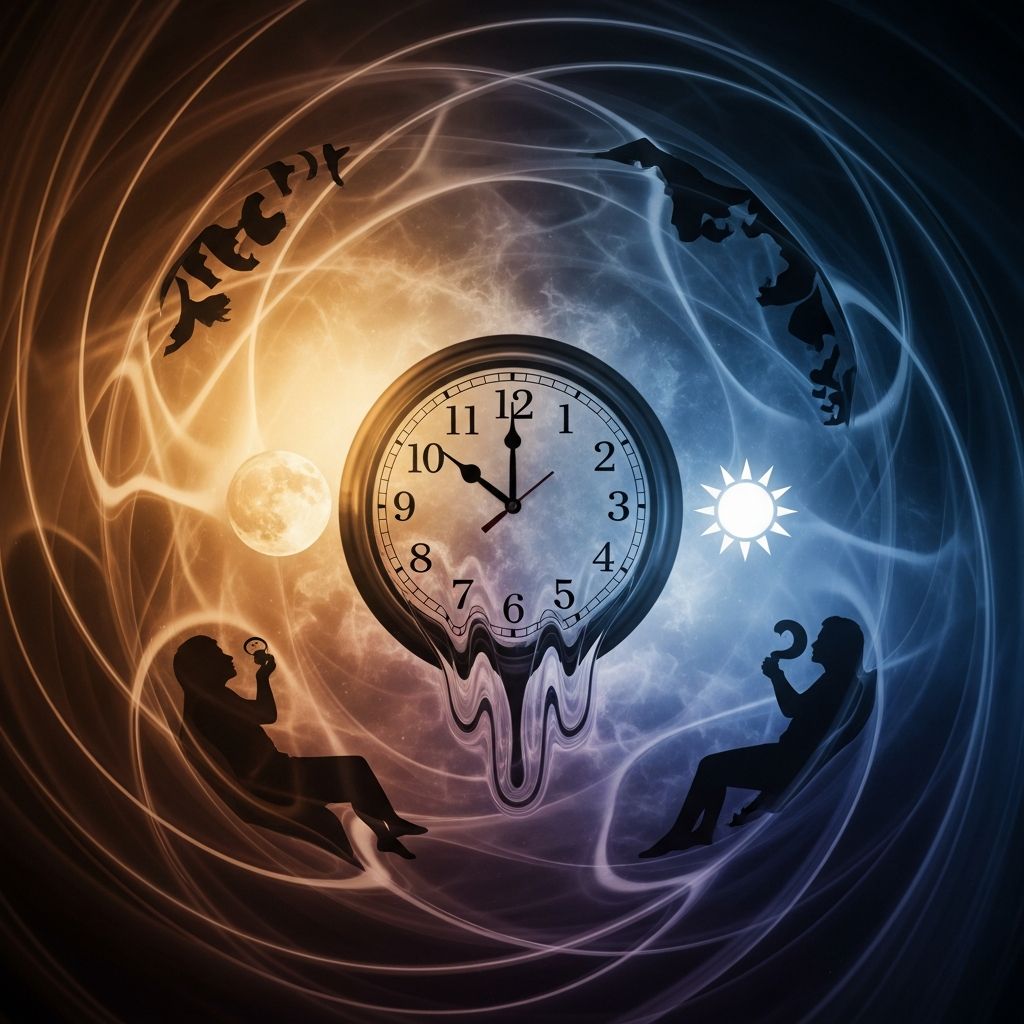
Circadian rhythm sleep disorders occur when a person’s internal body clock desynchronizes from their environment’s day-night cycle, leading to difficulties falling asleep, staying awake, or maintaining a consistent sleep schedule. These disorders affect the timing of sleep rather than its duration or quality, impacting daily life, work performance, and overall health.
What Are Circadian Rhythm Sleep Disorders?
Circadian rhythms are the body’s natural 24-hour cycles that regulate sleep-wake patterns, hormone release, body temperature, and other physiological processes, primarily driven by the suprachiasmatic nucleus (SCN) in the brain. Disruptions cause a mismatch between internal rhythms and external cues like light and social schedules, resulting in chronic sleep issues.
There are six main types of circadian rhythm sleep disorders: delayed sleep-wake phase disorder, advanced sleep-wake phase disorder, irregular sleep-wake rhythm disorder, non-24-hour sleep-wake rhythm disorder, shift work disorder, and jet lag disorder. These can be intrinsic (due to internal clock dysfunction) or extrinsic (triggered by environmental factors like travel or work).
Delayed Sleep-Wake Phase Disorder
Delayed sleep-wake phase disorder (DSWPD), also known as delayed sleep phase syndrome, is the most common circadian disorder, affecting about 7-16% of adolescents and young adults. Individuals feel alert late into the night and struggle to wake up early, often sleeping from 2-6 a.m. to 10 a.m. or later.
Symptoms include inability to fall asleep before 2-6 a.m., excessive daytime sleepiness, and poor performance in morning obligations. Causes involve genetic factors, delayed melatonin release, and evening light exposure from screens. Diagnosis uses sleep logs or actigraphy over 7-14 days; treatment includes chronotherapy, light therapy, and melatonin.
Advanced Sleep-Wake Phase Disorder
Advanced sleep-wake phase disorder (ASWPD) causes early sleep onset and awakening, such as bedtime at 7 p.m. and wake time at 3 a.m. It affects up to 7% of older adults, linked to aging-related SCN changes.
Symptoms feature evening sleepiness, early morning awakenings, and secondary insomnia. Evening light exposure and chronotherapy help shift rhythms later. Family history increases risk, with genetic mutations identified in some cases.
Irregular Sleep-Wake Rhythm Disorder
Irregular sleep-wake rhythm disorder (ISWRD) features no clear sleep pattern, with multiple short sleep bouts totaling 4-5 hours scattered across 24 hours. Common in dementia patients, infants, and those with neurological damage, it stems from SCN dysfunction.
- Difficulty falling asleep at night
- Multiple nighttime awakenings
- Excessive daytime sleepiness and naps
- Non-rejuvenating sleep
Diagnosis involves actigraphy or sleep diaries for 7-14 days, plus tests for dementia or hormone levels. Treatments emphasize fixed daily schedules, light exposure, and avoiding naps.
Non-24-Hour Sleep-Wake Rhythm Disorder
Non-24-hour sleep-wake disorder (N24SWD) involves a circadian cycle longer than 24 hours (typically 25 hours), causing sleep times to drift later daily. Primarily affects totally blind individuals (up to 70%), as light cues fail to entrain the clock.
Symptoms cycle through normalcy and misalignment: insomnia at night, daytime sleepiness. Diagnosis confirms via actigraphy showing free-running rhythm. Treatments include low-dose melatonin, tasimelteon (Hetlioz), and timed light.
Shift Work Disorder
Shift work disorder arises from night or rotating shifts misaligning the circadian rhythm with work hours, affecting 10-40% of shift workers. Chronic exposure to light at night suppresses melatonin and disrupts rhythms.
Symptoms: insomnia, sleepiness during shifts, gastrointestinal issues, mood disturbances. Strategies include strategic napping, light therapy, and melatonin.
Jet Lag Disorder
Jet lag occurs after rapid travel across ≥3 time zones, desynchronizing rhythms from local light-dark cues. Eastward travel worsens symptoms due to phase advance difficulty.
Symptoms last days: sleep issues, fatigue, digestive problems. Mitigation: pre-trip light exposure, melatonin, hydration.
Symptoms of Circadian Rhythm Sleep Disorders
Common symptoms across disorders include:
- Difficulty falling asleep or waking at desired times
- Excessive daytime sleepiness
- Sleep interfering with obligations
- Poor sleep quality
- Cognitive impairments (attention, memory)
- Mood changes, digestive issues
Untreated, they raise risks for depression, accidents, and chronic diseases.
Causes and Risk Factors
Causes: genetic (PER genes), reduced light sensitivity (blindness), aging (earlier rhythms post-60), neurological conditions (dementia, Parkinson’s). Environmental: shift work, jet lag, irregular schedules, screen blue light.
| Risk Factor | Affected Disorders | Prevalence |
|---|---|---|
| Blindness | N24SWD | Up to 70% |
| Older Age | ASWPD, ISWRD | 7%+ in elderly |
| Shift Work | Shift Work Disorder | 10-40% |
| Genetics | DSWPD, ASWPD | Adolescents 7-16% |
Diagnosis
Diagnosis relies on clinical history, sleep diaries, actigraphy (wrist monitor tracking activity), and polysomnography if needed. Blood tests, melatonin/cortisol assays, and temperature monitoring assess rhythm integrity. Rule out insomnia, sleep apnea.
Treatment Options
Treatments realign rhythms:
- Light Therapy: Bright light (10,000 lux) at specific times advances/delays phase.
- Melatonin: 0.5-5mg timed to shift clock.
- Chronotherapy: Gradual schedule shifts.
- Lifestyle: Consistent schedule, morning light, no screens pre-bed.
- Medications: Tasimelteon for N24SWD; hypnotics short-term.
For ISWRD, structured days with meal anchors and social cues help.
Prevention and Lifestyle Tips
Maintain circadian health:
- Consistent sleep/wake times daily.
- Morning sunlight exposure.
- Limit caffeine/alcohol evening use.
- Dark, cool bedroom.
- Exercise daytime, not late.
Frequently Asked Questions (FAQs)
What causes circadian rhythm disorders?
Genetics, light exposure issues, shift work, travel, aging, or neurological conditions disrupt the internal clock.
Can you fix a circadian rhythm disorder at home?
Yes, with consistent schedules, light therapy, and melatonin, but consult a doctor for persistent issues.
Who is at risk for irregular sleep-wake disorder?
Primarily those with dementia, brain injuries, or infants with immature clocks.
How long does jet lag last?
Typically 1 day per time zone crossed eastward; less westward.
Does age affect circadian rhythms?
Yes, rhythms advance after 60, causing earlier sleep and reduced amplitude.
References
- Circadian Rhythm Sleep Disorders: Irregular Sleep-Wake Rhythm Disorder — Sleep Foundation. 2024. https://www.sleepfoundation.org/circadian-rhythm-sleep-disorders/irregular-sleep-wake-rhythm-disorder
- Circadian Rhythm Sleep Disorders: Types and Treatments — Sleep Foundation. 2024. https://www.sleepfoundation.org/circadian-rhythm-sleep-disorders
- What Is Circadian Rhythm? — Sleep Foundation. 2024. https://www.sleepfoundation.org/circadian-rhythm
- Non-24-Hour Sleep Wake Disorder: Definition and Causes — Sleep Foundation. 2024. https://www.sleepfoundation.org/non-24-sleep-wake-disorder
- How to Fix Your Circadian Rhythm: 6 Easy Steps — Sleep Foundation. 2024. https://www.sleepfoundation.org/circadian-rhythm/can-you-change-your-circadian-rhythm
- Delayed Sleep Phase Disorder — Sleep Foundation. 2024. https://www.sleepfoundation.org/delayed-sleep-wake-phase-syndrome
- How Circadian Rhythms Change as We Age — Sleep Foundation. 2024. https://www.sleepfoundation.org/circadian-rhythm/how-age-affects-your-circadian-rhythm
Similar Articles






Read full bio of medha deb