Circulatory and Cardiovascular System: Guide to Heart Health
Understand how your circulatory and cardiovascular system works to keep you healthy.
Understanding the Circulatory and Cardiovascular System
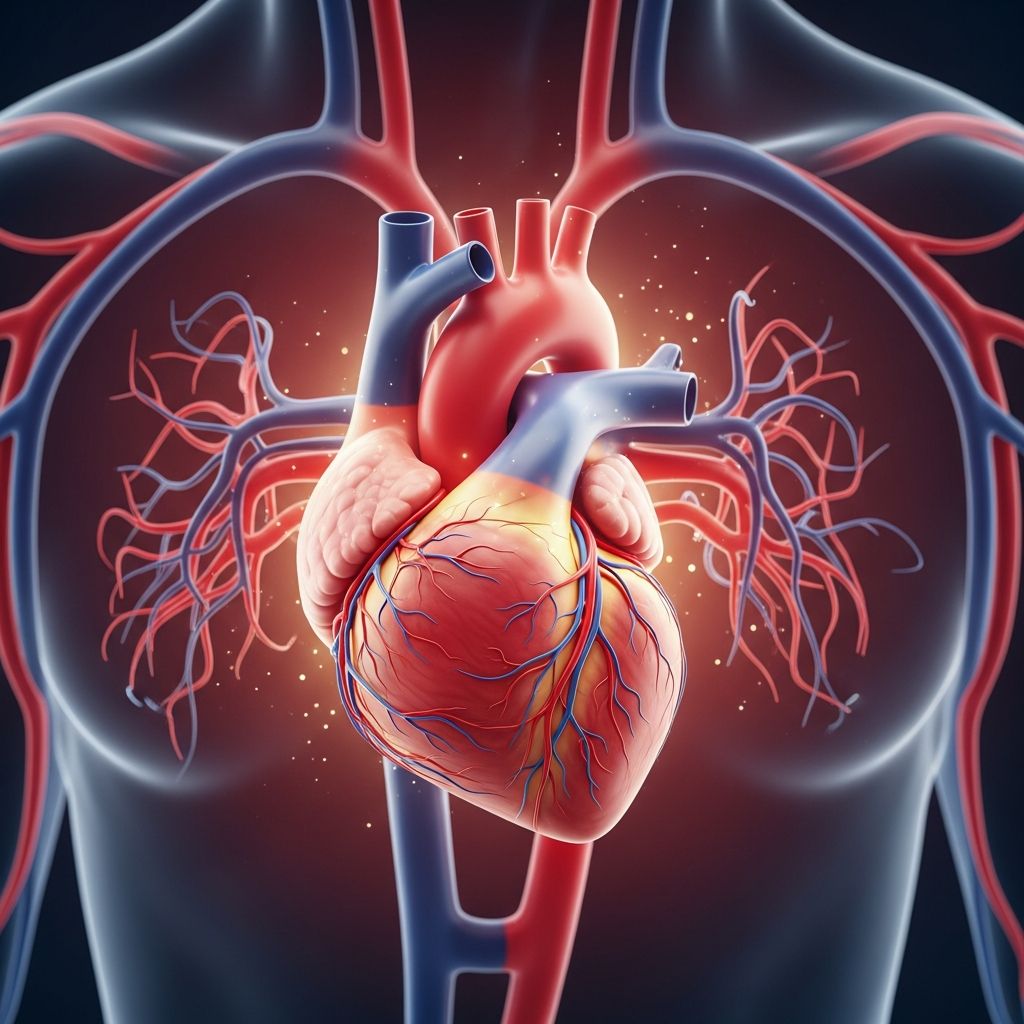
Your circulatory and cardiovascular system is one of the most vital networks in your body. This intricate system works continuously to deliver oxygen-rich blood to every cell and tissue while removing waste products. The cardiovascular system consists of your heart, blood vessels, and blood—all working together in perfect harmony to sustain life. Whether you’re resting or exercising, your circulatory system adapts to meet your body’s changing demands, making it an essential component of overall health and wellness.
What Is the Cardiovascular System?
The cardiovascular system is a closed network of organs and vessels responsible for circulating blood throughout your body. Your heart serves as the pump, while your blood vessels act as the highways that transport blood to every organ and tissue. This system performs critical functions including delivering oxygen and nutrients, removing metabolic waste, regulating body temperature, and maintaining blood pressure. Understanding how this system works can help you appreciate the importance of maintaining heart health through lifestyle choices and regular medical check-ups.
The Heart: Your Body’s Pump
The heart is a muscular organ approximately the size of your fist, located slightly left of center in your chest. This four-chambered organ is divided into the right and left sides by a wall of tissue called the septum. The upper chambers, known as atria, receive blood, while the lower chambers, called ventricles, pump blood out of the heart. Your heart beats approximately 100,000 times per day, pumping roughly 2,000 gallons of blood throughout your body. Each heartbeat is carefully orchestrated by your heart’s electrical conduction system to ensure blood flows in the correct direction.
Heart Chambers and Their Functions
Your heart’s four chambers work together in a synchronized manner to move blood efficiently through your body. Understanding each chamber’s role helps explain how blood circulation operates:
Right Atrium
The right atrium receives oxygen-poor blood returning from your body through the superior and inferior vena cava. This blood has already circulated through your body and delivered its oxygen to cells and tissues.
Right Ventricle
When the right atrium contracts, blood flows into the right ventricle through the tricuspid valve. The right ventricle then pumps this oxygen-poor blood to your lungs through the pulmonary artery, where it will pick up fresh oxygen.
Left Atrium
The left atrium receives oxygen-rich blood returning from your lungs through the pulmonary veins. This freshly oxygenated blood is ready to be distributed throughout your body.
Left Ventricle
The left ventricle is the heart’s most muscular chamber because it must pump oxygen-rich blood throughout your entire body through the aorta. This powerful chamber works continuously to maintain circulation to every organ and tissue.
Heart Valves: The Doors of Your Heart
Your heart contains four main valves that function like doors, opening and closing to manage blood flow and ensure blood moves in only one direction. These valves are essential for preventing backflow and maintaining efficient circulation:
Related Stories



Tricuspid Valve
Located between the right atrium and right ventricle, the tricuspid valve opens to allow blood flow from the atrium into the ventricle and closes during ventricular contraction to prevent backflow.
Pulmonary Valve
This valve sits between the right ventricle and pulmonary artery, allowing blood to flow toward the lungs while preventing backflow into the right ventricle.
Mitral Valve
Also called the bicuspid valve, the mitral valve is located between the left atrium and left ventricle. It opens to allow oxygen-rich blood to enter the left ventricle and closes during contraction.
Aortic Valve
This valve sits between the left ventricle and aorta, allowing blood to flow into the aorta for distribution throughout the body while preventing backflow into the heart.
The Cardiac Conduction System
Your heart’s conduction system is like the electrical wiring of a building, controlling the rhythm and pace of your heartbeat. This sophisticated network of specialized cells and nodes sends thousands of signals daily to maintain your heart’s steady rhythm. The conduction system ensures that all four chambers contract and relax in the correct sequence, allowing blood to flow efficiently through your heart and body.
The Sinoatrial (SA) Node
The SA node, located in the upper part of your right atrium, is your heart’s natural pacemaker. It initiates each heartbeat by generating electrical impulses that spread throughout your atria, causing them to contract. Your autonomic nervous system controls how quickly or slowly the SA node sends signals, speeding up your heart rate during activity and slowing it during rest.
The Atrioventricular (AV) Node
Located near the central area of your heart, the AV node receives signals from the SA node and delays them by a fraction of a second. This deliberate delay ensures your atria are completely empty before your ventricles begin contracting, allowing for efficient blood flow.
The Bundle of His and Purkinje Fibers
The bundle of His extends from the AV node down the septum, dividing into right and left branches. These fibers carry electrical signals to the Purkinje fibers, which distribute the signal throughout the ventricles, causing them to contract and pump blood out of your heart.
Blood Vessels: The Highway System
Blood vessels form an extensive network throughout your body, spanning approximately 60,000 miles if laid end to end. These vessels work together to transport blood to every cell and tissue. There are three main types of blood vessels, each serving a specific function:
Arteries
Arteries carry oxygen-rich blood away from your heart to tissues and organs throughout your body. They have thick, muscular walls that help them withstand the pressure of blood being pumped from your heart. Arteries branch into smaller vessels called arterioles.
Capillaries
Capillaries are tiny blood vessels where the actual exchange of oxygen, nutrients, and waste occurs between blood and your body’s cells. Their thin walls allow substances to pass through easily, making them crucial for cellular nutrition and waste removal.
Veins
Veins carry oxygen-poor blood back to your heart for recirculation. They have thinner walls than arteries and rely on muscle contractions and one-way valves to move blood against gravity back to the heart.
The Great Vessels of the Heart
The great vessels are the largest blood vessels connected directly to your heart. These major vessels play a vital role in your circulatory system by connecting your heart to your lungs and the rest of your body.
The Aorta
The aorta is your body’s largest artery, arising from the left ventricle. It carries oxygen-rich blood from your heart to all parts of your body through its many branches.
The Pulmonary Trunk and Arteries
The pulmonary trunk arises from the right ventricle and splits into right and left pulmonary arteries, which carry oxygen-poor blood to your lungs.
The Pulmonary Veins
Four pulmonary veins return oxygen-rich blood from your lungs to the left atrium of your heart.
The Vena Cava
The superior vena cava returns oxygen-poor blood from your upper body to the right atrium, while the inferior vena cava returns blood from your lower body.
How Blood Flows Through Your Heart and Body
Blood circulation follows a specific pathway through your heart and body, completing a full circuit with each heartbeat. This process occurs in a series of coordinated steps:
Step 1: Blood Returns to the Right Atrium
Oxygen-poor blood from your body enters the right atrium through the superior and inferior vena cava. This blood has already delivered its oxygen to cells throughout your body.
Step 2: Blood Flows to the Right Ventricle
When your right atrium contracts, the tricuspid valve opens, allowing blood to flow into the right ventricle. The valve then closes to prevent backflow.
Step 3: Pulmonary Circulation
Your right ventricle contracts, pushing blood through the pulmonary valve into the pulmonary artery, which carries it to your lungs. In your lungs, blood releases carbon dioxide waste and picks up fresh oxygen.
Step 4: Blood Returns from the Lungs
Oxygen-rich blood returns from your lungs through the pulmonary veins and enters the left atrium.
Step 5: Blood Flows to the Left Ventricle
When your left atrium contracts, the mitral valve opens, allowing blood to flow into the left ventricle. The valve closes during ventricular contraction.
Step 6: Systemic Circulation
Your left ventricle contracts powerfully, pushing oxygen-rich blood through the aortic valve into the aorta, which distributes it to all parts of your body.
The Two Circuits of Circulation
Your circulatory system operates through two main circuits that work together seamlessly:
Pulmonary Circuit
The pulmonary circuit sends blood between your heart and lungs. Oxygen-poor blood travels from your heart to your lungs, where it releases carbon dioxide and picks up oxygen. This refreshed blood then returns to your heart, ready to be distributed throughout your body.
Systemic Circuit
The systemic circuit sends oxygen-rich blood from your heart to all tissues and organs in your body. This circuit is much larger than the pulmonary circuit because it must reach every cell in your body. After delivering oxygen and nutrients, blood returns to the heart as oxygen-poor blood to begin the cycle again.
Coronary Circulation
Your heart receives its own blood supply through the coronary arteries, which run along your heart’s surface. These vital vessels ensure your hardworking heart muscle receives the oxygen and nutrients it needs to function properly. The coronary arteries branch into smaller vessels that penetrate deep into the heart muscle, supplying every cell with life-sustaining blood.
Factors That Support Cardiovascular Health
Maintaining a healthy circulatory and cardiovascular system requires consistent attention to lifestyle factors that support optimal heart function. Consider these strategies:
Regular Physical Activity
Exercise strengthens your heart muscle, improves circulation, and helps maintain healthy blood pressure. Aim for at least 150 minutes of moderate-intensity aerobic activity per week.
Healthy Diet
Eating a diet rich in fruits, vegetables, whole grains, and lean proteins supports heart health. Limit sodium, saturated fats, and added sugars to maintain healthy cholesterol and blood pressure levels.
Stress Management
Chronic stress can negatively impact your cardiovascular system. Practice relaxation techniques such as meditation, deep breathing, or yoga to manage stress effectively.
Adequate Sleep
Quality sleep is essential for heart health. Most adults need 7-9 hours of sleep per night to allow their cardiovascular system to rest and recover.
Avoid Harmful Habits
Smoking, excessive alcohol consumption, and drug use can damage your cardiovascular system. Avoiding these habits significantly improves your heart health.
Common Cardiovascular Conditions
Understanding common heart and blood vessel problems can help you recognize symptoms early and seek appropriate medical care. Some prevalent conditions include high blood pressure, coronary artery disease, heart failure, arrhythmias, and valvular disease. If you experience chest pain, shortness of breath, dizziness, or excessive fatigue, consult a healthcare provider promptly.
When to Seek Medical Care
Recognizing warning signs of cardiovascular problems is crucial for early intervention. Seek immediate medical attention if you experience severe chest pain, difficulty breathing, fainting, or rapid heartbeat that concerns you. Regular check-ups with your healthcare provider help monitor your cardiovascular health and detect potential problems before they become serious.
Frequently Asked Questions
Q: How many times does your heart beat per day?
A: Your heart beats approximately 100,000 times per day, pumping roughly 2,000 gallons of blood throughout your body to deliver oxygen and nutrients to all tissues.
Q: What is the function of heart valves?
A: Heart valves function like doors, opening and closing to manage blood flow through your heart. They ensure blood moves in only one direction and prevent backflow, maintaining efficient circulation.
Q: What controls your heart rate?
A: Your autonomic nervous system controls your heart rate through the sinoatrial node. It increases heart rate during physical activity or stress and slows it during rest or relaxation.
Q: How long is the circulatory system?
A: If all your blood vessels were laid end to end, they would stretch approximately 60,000 miles, forming an extensive network that reaches every cell in your body.
Q: What is the difference between arteries and veins?
A: Arteries carry oxygen-rich blood away from your heart to body tissues with thick, muscular walls, while veins carry oxygen-poor blood back to your heart with thinner walls and one-way valves.
Q: Can I improve my cardiovascular health?
A: Yes, you can significantly improve cardiovascular health through regular exercise, healthy diet, stress management, adequate sleep, and avoiding harmful habits like smoking and excessive alcohol consumption.
References
- Heart Conduction System (Cardiac Conduction) — Cleveland Clinic. 2025. https://my.clevelandclinic.org/health/body/21648-heart-conduction-system
- Heart: Anatomy & Function — Cleveland Clinic. 2025. https://my.clevelandclinic.org/health/body/21704-heart
- How Blood Flows Through the Heart & Body — Cleveland Clinic. 2025. https://my.clevelandclinic.org/health/articles/17060-how-does-the-blood-flow-through-your-heart
- Great Vessels of the Heart: Anatomy & Function — Cleveland Clinic. 2025. https://my.clevelandclinic.org/health/body/17057-your-heart–blood-vessels
- Blood Vessels: Types, Function & Anatomy — Cleveland Clinic. 2025. https://my.clevelandclinic.org/health/body/21640-blood-vessels
- Cardiovascular Disease: Types, Causes & Symptoms — Cleveland Clinic. 2025. https://my.clevelandclinic.org/health/diseases/21493-cardiovascular-disease
Similar Articles








Read full bio of medha deb