Cirrhosis: 5 Primary Causes, Key Signs, And Treatments
Understand liver cirrhosis: causes, symptoms, stages, management strategies, and prevention for better liver health.
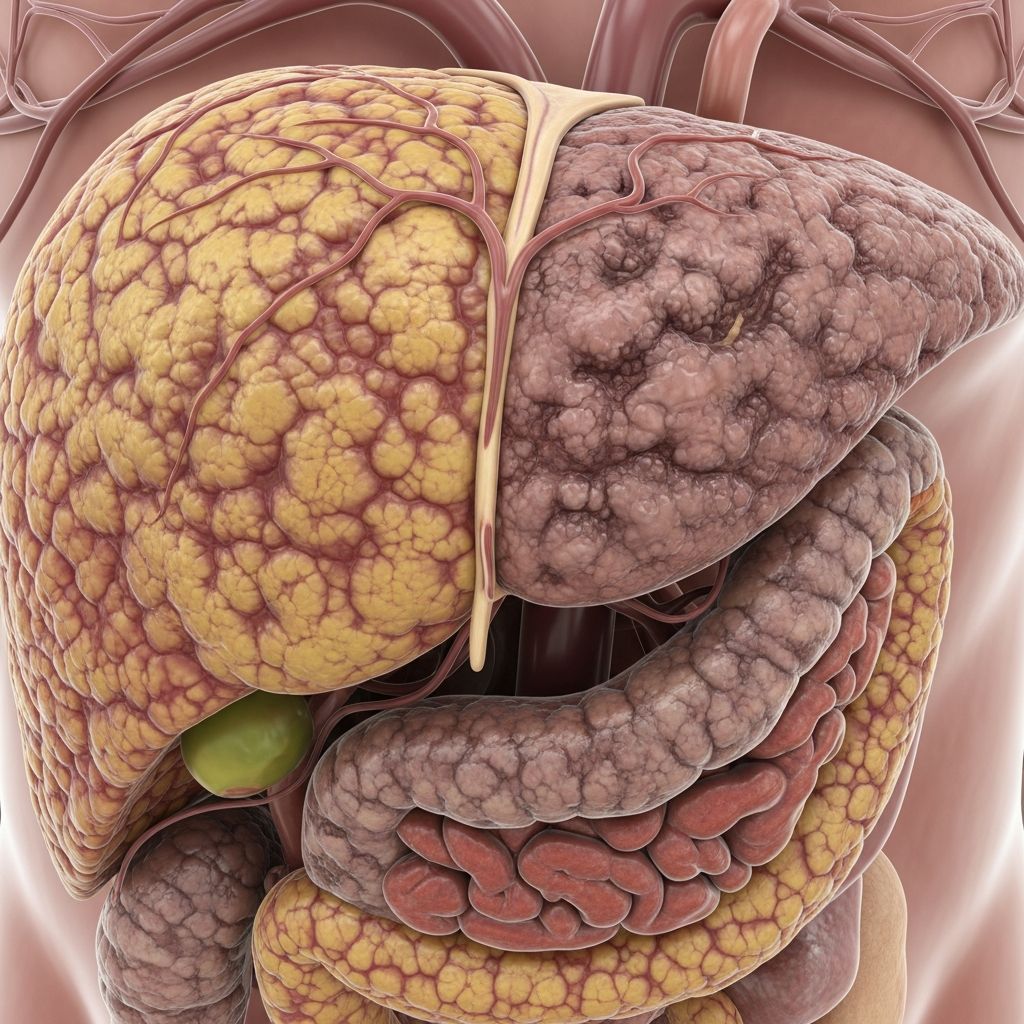
Cirrhosis represents a late-stage liver disease where healthy liver tissue transforms into rigid scar tissue due to prolonged inflammation and damage. This scarring disrupts the liver’s essential functions, such as filtering toxins, producing proteins, and aiding digestion. While the damage is typically irreversible, early intervention can halt progression and mitigate complications.
The Liver’s Vital Role and How Cirrhosis Disrupts It
The liver, a vital organ weighing about three pounds, performs over 500 critical tasks daily. It metabolizes nutrients, detoxifies harmful substances, synthesizes clotting factors, and produces bile for fat digestion. In cirrhosis, chronic injury leads to fibrosis—initial scar formation—that evolves into widespread nodules of scar tissue, distorting the liver’s architecture.
This structural change impedes blood flow, particularly through the portal vein, causing portal hypertension. Consequently, the liver struggles to process waste, leading to toxin buildup in the bloodstream. Oxygen and nutrient delivery to hepatocytes (liver cells) diminishes, accelerating dysfunction. Over time, this culminates in liver failure if unaddressed.
Primary Causes Leading to Liver Scarring
Several factors drive the chronic inflammation underlying cirrhosis. Identifying the root cause is crucial for targeted management.
- Excessive Alcohol Consumption: Long-term heavy drinking is a top contributor, especially in Western countries. Alcohol triggers fat accumulation and inflammation in liver cells, progressing to scarring. Susceptibility varies by genetics, sex, and drinking patterns.
- Viral Hepatitis: Hepatitis B, C, and D viruses cause persistent infection, inflaming the liver over decades. Approximately 25% of chronic hepatitis C cases advance to cirrhosis. Hepatitis B integrates into the host genome, heightening cancer risk even without full cirrhosis.
- Metabolic Dysfunction-Associated Steatotic Liver Disease (MASLD): Formerly non-alcoholic fatty liver disease, this stems from obesity, diabetes, high cholesterol, and poor diet. Fat buildup in the liver sparks inflammation and fibrosis.
- Bile Duct Disorders: Conditions like primary biliary cholangitis and primary sclerosing cholangitis obstruct bile flow, causing backup and liver swelling.
- Other Contributors: Autoimmune hepatitis, genetic disorders (e.g., hemochromatosis, Wilson’s disease), and certain medications or toxins also play roles.
Recognizing the Signs: From Subtle to Severe
Cirrhosis often remains asymptomatic in early stages, earning the moniker “silent killer.” Symptoms emerge as liver function wanes.
Early Indicators
- Fatigue and weakness
- Loss of appetite and unintended weight loss
- Nausea or mild abdominal discomfort
Advanced Manifestations
As decompensation occurs, more overt signs appear:
- Jaundice: Yellowing of skin and eyes from bilirubin buildup.
- Ascites: Fluid accumulation in the abdomen, causing swelling.
- Edema: Swelling in legs and ankles.
- Easy bruising and bleeding: Due to reduced clotting factors.
- Hepatic Encephalopathy: Confusion, sleep disturbances, or coma from brain toxin exposure.
- Variceal Bleeding: Ruptured enlarged veins in the esophagus or stomach from portal hypertension.
Spider angiomas (small skin blood vessels), palmar erythema (red palms), and gynecomastia (breast enlargement in men) may also occur due to hormonal imbalances.
Diagnostic Approaches for Confirmation
Diagnosis combines clinical evaluation, lab tests, imaging, and biopsies. No single test suffices; a multimodal strategy is standard.
| Method | Purpose | Key Findings |
|---|---|---|
| Blood Tests | Assess liver function and damage | Elevated bilirubin, low albumin, prolonged prothrombin time, high AST/ALT |
| Imaging (Ultrasound, CT, MRI) | Visualize liver structure | Nodular surface, shrunken liver, ascites, splenomegaly |
| FibroScan/Elastography | Measure stiffness | Quantifies fibrosis non-invasively |
| Liver Biopsy | Definitive grading | Confirms scarring extent and cause |
Screening for hepatocellular carcinoma (HCC) is vital, with semiannual ultrasound and alpha-fetoprotein (AFP) tests recommended for at-risk patients.
Related Stories



Stages of Progression: Compensated to Decompensated
Cirrhosis progresses through phases:
- Compensated: Liver compensates despite scarring; few symptoms; can persist for years with management.
- Decompensated: Liver fails to meet demands; complications like ascites, encephalopathy, or bleeding emerge; life expectancy averages two years without transplant.
End-stage liver disease (ESLD) prioritizes transplant candidacy.
Management Strategies to Slow and Control
Treatment aims to address the cause, alleviate symptoms, and avert complications. Reversal is rare, but progression can be stalled.
Treating Underlying Causes
- Alcohol cessation: Abstinence halts damage in alcohol-related cases.
- Antivirals: Cure rates exceed 95% for hepatitis C; suppress hepatitis B.
- Lifestyle for MASLD: Weight loss (7-10% body weight) via diet and exercise improves outcomes.
Managing Complications
- Ascites/Edema: Low-sodium diet (<2g/day), diuretics (spironolactone, furosemide). Refractory cases may need paracentesis or TIPS procedure.
- Encephalopathy: Lactulose or rifaximin to reduce ammonia.
- Varices: Beta-blockers for prevention; endoscopy for banding if bleeding occurs.
- Infections: Prompt antibiotics; vaccinations against influenza, pneumococcus, hepatitis A/B.
Medications to Avoid
Steer clear of NSAIDs (risk of bleeding/kidney issues), certain antibiotics, and unregulated herbs. Acetaminophen is safer in moderation (max 2g/day).
Liver Transplantation: The Ultimate Option
For ESLD, transplant offers survival rates over 85% at one year. Candidates undergo rigorous evaluation. Post-transplant, immunosuppression prevents rejection, with excellent long-term outcomes if adhered to.
Prevention: Protecting Your Liver Daily
Proactive steps reduce risk:
- Limit alcohol to <1 drink/day women, <2 men.
- Vaccinate against hepatitis A/B.
- Maintain healthy weight; eat balanced diet rich in fruits, vegetables, whole grains.
- Screen and treat hepatitis early.
- Avoid toxins, unnecessary meds.
Regular check-ups for at-risk individuals (e.g., diabetics, heavy drinkers) enable early detection.
Living with Cirrhosis: Practical Lifestyle Adjustments
Patients should attend clinic every 6 months (more if decompensated), monitor for HCC, adhere to meds, and track weight/fluid balance. Support groups and nutritionists aid coping. Small meals combat encephalopathy; protein intake must balance to prevent muscle wasting.
Frequently Asked Questions (FAQs)
Can cirrhosis be reversed?
Scar tissue doesn’t fully regress, but stopping the cause (e.g., alcohol, hepatitis treatment) can stabilize or improve function in compensated stages.
How does cirrhosis affect life expectancy?
Compensated: 10+ years possible. Decompensated: ~2 years without transplant.
Is liver transplant a cure?
Yes, for eligible patients, replacing the liver restores function, though lifelong meds are required.
What diet is best for cirrhosis?
Low-sodium, nutrient-dense: lean proteins, veggies, limit fats/sugars. Consult a dietitian.
Does cirrhosis always lead to cancer?
No, but risk rises (1-8% annually); surveillance is key.
Key Takeaways for Liver Health
Cirrhosis demands vigilance. Early detection via routine screening, cause-specific therapies, complication management, and healthy habits can extend quality life. Collaborate with hepatologists for personalized plans.
References
- Cirrhosis of the Liver: Symptoms, Causes & Treatments — American Liver Foundation. 2023. https://liverfoundation.org/liver-diseases/complications-of-liver-disease/cirrhosis/
- Cirrhosis – Diagnosis and treatment — Mayo Clinic. 2024-02-12. https://www.mayoclinic.org/diseases-conditions/cirrhosis/diagnosis-treatment/drc-20351492
- Cirrhosis of the Liver — Cleveland Clinic. 2023-11-20. https://my.clevelandclinic.org/health/diseases/15572-cirrhosis-of-the-liver
- Cirrhosis: A Patient’s Guide — U.S. Department of Veterans Affairs. 2022. https://www.hepatitis.va.gov/pdf/cirrhosis-patient-guide.pdf
- Back to Basics: Outpatient Management of Cirrhosis — American Association for the Study of Liver Diseases (AASLD). 2023. https://www.aasld.org/liver-fellow-network/core-series/back-basics/back-basics-outpatient-management-cirrhosis
Similar Articles








Read full bio of Sneha Tete