Cirrhosis of the Liver: What It Is, Symptoms & Treatment
Understanding cirrhosis: causes, symptoms, diagnosis, and comprehensive treatment options for liver health.
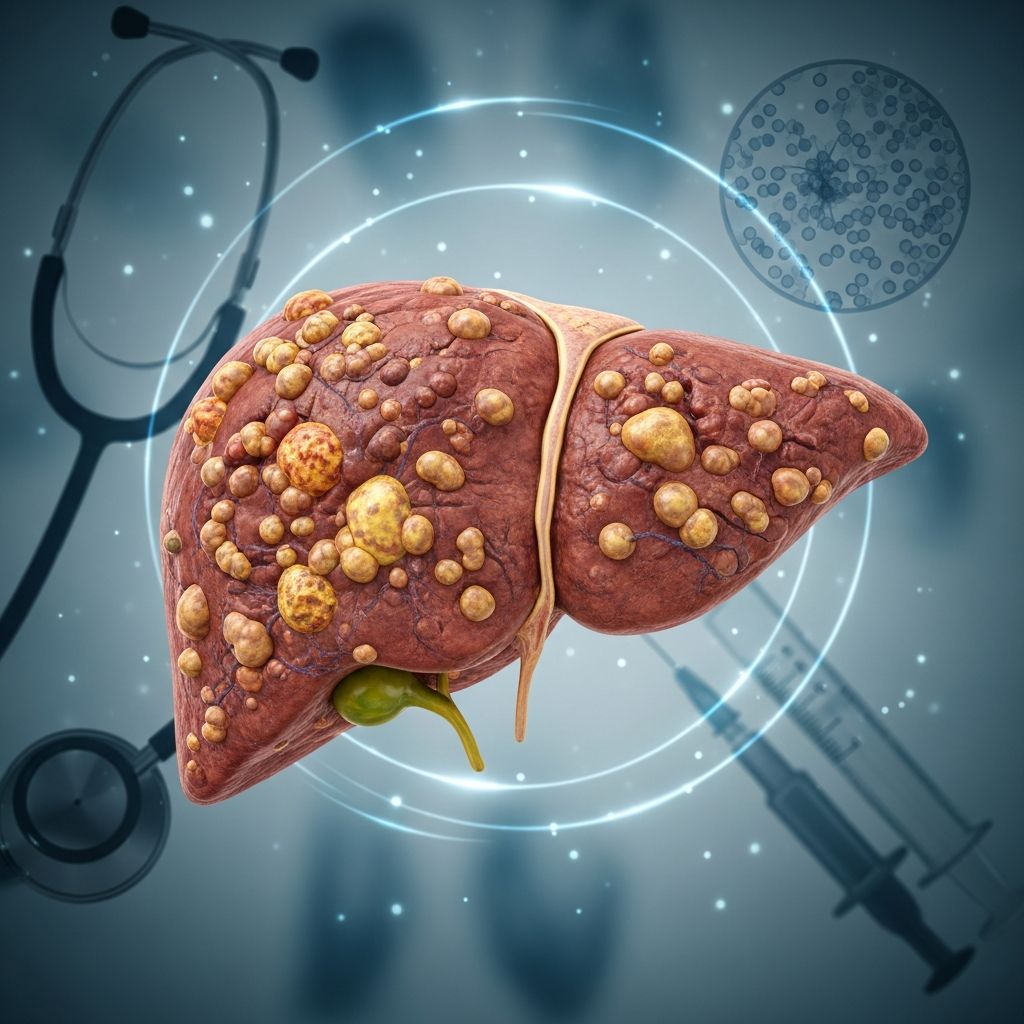
Cirrhosis of the liver represents a late stage of chronic liver disease characterized by permanent scarring that significantly damages liver function and can lead to liver failure. At this advanced stage, a substantial portion of healthy liver tissue has been replaced by scar tissue, resulting from long-term inflammation known as hepatitis. When scar tissue accumulates excessively, it prevents the liver from performing its vital functions properly, ultimately leading to liver failure. While cirrhosis cannot be reversed, modern medical treatments can help slow or halt disease progression, allowing patients to maintain quality of life and manage complications effectively.
What Is Cirrhosis?
Cirrhosis is a chronic liver condition where extensive thick bands of fibrous tissue and regenerative nodules replace the normal liver tissue, disrupting the organ’s architecture and function. This pathological change leads to portal hypertension and end-stage liver disease that is typically irreversible in advanced stages. The liver’s inability to function properly due to excessive scarring creates a cascade of health complications that require comprehensive medical management.
The condition develops over years as chronic inflammation gradually transforms healthy hepatic tissue into non-functional scar tissue. This transformation impairs the liver’s ability to filter toxins from blood, produce essential proteins, and regulate metabolic processes vital for overall health.
Common Causes of Cirrhosis
Multiple factors can lead to cirrhosis development, with some causes being more prevalent than others. Understanding the underlying cause is essential for determining treatment strategies and prognosis.
Chronic Alcohol Use: Alcohol-induced liver cirrhosis represents one of the most significant causes of liver disease globally. Patients with alcohol-induced cirrhosis typically experience higher decompensation rates compared to those with other cirrhosis forms, making alcohol cessation a critical component of treatment.
Viral Hepatitis: Chronic viral hepatitis, particularly hepatitis C, is another leading cause of cirrhosis in the United States. Approximately one in four people with chronic hepatitis C develop cirrhosis over time. Chronic hepatitis B and hepatitis D infections can also cause cirrhosis. Notably, patients with hepatitis C-induced cirrhosis have a lower annual decompensation rate of approximately 4% compared with hepatitis B patients at 10%.
Autoimmune Liver Diseases: Autoimmune conditions affecting the liver can progress to cirrhosis if left untreated or inadequately managed.
Other Causes: Wilson disease, metabolic disorders, non-alcoholic fatty liver disease, and prolonged cholestasis can also result in cirrhosis development.
Recognizing Symptoms of Cirrhosis
Cirrhosis symptoms vary depending on disease severity and the extent of liver damage. Early-stage cirrhosis may present with minimal or vague symptoms, while advanced disease produces more pronounced clinical manifestations. Common symptoms include:
- Persistent fatigue and weakness affecting daily activities
- Abdominal pain and bloating
- Itchy skin that becomes increasingly bothersome
- Jaundice, characterized by yellowing of skin and eyes
- Nausea and loss of appetite
- Weight loss and muscle wasting
- Easy bruising and prolonged bleeding
- Swelling in legs and abdomen (edema and ascites)
- Confusion or difficulty concentrating
- Pale or clay-colored stools
- Dark urine
Patients experiencing these symptoms should seek medical evaluation promptly, as early detection and intervention can significantly impact treatment outcomes and disease management.
Related Stories



Diagnostic Approaches for Cirrhosis
Diagnosing cirrhosis involves both clinical assessment and laboratory testing. Healthcare providers employ a systematic approach to confirm diagnosis and assess disease severity.
Medical History and Physical Examination
A healthcare provider begins by conducting a thorough physical examination to identify signs of cirrhosis. They inquire about your overall health status, current symptoms, medical history, and family medical background. Providers ask detailed questions about medications and supplements you take regularly, along with information about eating patterns and lifestyle habits. They also assess alcohol consumption patterns and inquire about autoimmune diseases or other health conditions such as hepatitis B or hepatitis C. During physical examination, doctors look for characteristic signs including jaundice, enlarged liver or spleen, abdominal swelling, and other clinical indicators of liver dysfunction.
Laboratory Tests
Comprehensive laboratory evaluation helps establish liver disease presence and severity. Essential tests include:
- Complete blood cell count, particularly platelet count (less than 150 × 10⁹/L suggests cirrhosis)
- Aspartate aminotransferase (AST)
- Alanine aminotransferase (ALT)
- Albumin levels
- Alkaline phosphatase
- Gamma-glutamyl transferase
- Total bilirubin
- Prothrombin time and international normalized ratio (INR)
These markers provide critical information about liver function, synthetic capacity, and degree of hepatic inflammation.
Imaging Studies
Advanced imaging techniques can readily detect cirrhosis. Computed tomography (CT) and magnetic resonance imaging (MRI) are particularly useful, with MRI revealing specific features including increased caudate lobe size, right hepatic notch visualization, and larger regenerative nodules. Ultrasound imaging may also be employed as an initial screening tool.
Liver Elastography
Transient elastography measures liver stiffness, serving as a non-invasive indicator of hepatic fibrosis. This technique is both sensitive and specific for establishing cirrhosis diagnosis. Liver stiffness measurement less than 20 kPa combined with platelet count less than 150 × 10⁹/L suggests significant fibrosis or cirrhosis presence.
Liver Biopsy
While non-invasive tests are preferred, liver biopsy may be performed when elastography is unsuitable or inconclusive. This procedure involves obtaining a small tissue sample for histological examination, revealing the characteristic fibrous tissue replacement and regenerative nodules diagnostic of cirrhosis.
Understanding Cirrhosis Complications
Advanced cirrhosis can produce serious complications requiring specialized management:
Esophageal Varices: Portal hypertension caused by cirrhosis can result in enlarged veins in the esophagus that may rupture and cause life-threatening bleeding.
Hepatocellular Carcinoma: Chronic liver disease and cirrhosis significantly increase the risk of developing liver cancer, necessitating regular screening protocols.
Hepatic Encephalopathy: Accumulated toxins affect brain function, causing confusion, altered consciousness, and neurological symptoms.
Ascites: Fluid accumulation in the abdominal cavity results in swelling and discomfort.
Kidney Dysfunction: Cirrhosis can impair kidney function, contributing to additional health complications.
Screening and Surveillance Protocols
Regular screening helps detect complications before they become life-threatening. Initial screening may be performed by platelet count and liver elastography assessment. Patients with compensated cirrhosis should undergo esophagogastroduodenoscopy for variceal screening if liver stiffness measurement is less than 20 kPa or platelet count is less than 150 × 10⁹/L.
Patients avoiding screening endoscopy can be followed annually through repetition of transient elastography and platelet count assessment. If liver stiffness measurement increases below 20 kPa or platelet count declines below 150 × 10⁹/L, these patients should undergo screening endoscopy to evaluate for varices and other complications.
Treatment Options for Cirrhosis
While cirrhosis cannot be reversed, comprehensive treatment strategies can effectively manage the condition, relieve symptoms, and slow disease progression.
Medication Management
Healthcare providers may recommend medications addressing underlying conditions causing cirrhosis. These may include antivirals for hepatitis infections, immunosuppressants for autoimmune liver disease, and medications managing portal hypertension. Additional medications help manage cirrhosis symptoms such as fatigue, itchy skin, and abdominal pain.
Lifestyle Modifications
Lifestyle changes form a cornerstone of cirrhosis management:
- Complete alcohol cessation is mandatory for all patients
- Dietary modifications including sodium restriction and appropriate protein intake
- Regular physical activity as tolerated
- Maintenance of healthy body weight
- Avoiding hepatotoxic medications and supplements
- Regular medical follow-up and monitoring
Immunizations
Patients with cirrhosis require specific immunizations to prevent additional infectious complications. Appropriate vaccination protocols protect against hepatitis A and B, influenza, and pneumococcal disease.
Management of Complications
Your treatment plan might include specialized procedures to manage cirrhosis complications. These interventions address specific complications as they develop, improving outcomes and quality of life.
Liver Transplantation
For patients with advanced cirrhosis where the liver no longer functions adequately, liver transplantation may become necessary. Before surgery, extensive testing determines transplant candidacy. If approved, patients are placed on a national liver transplant waiting list to find an appropriate match. Transplant teams provide comprehensive support throughout the entire transplantation journey.
Frequently Asked Questions
Q: Can cirrhosis be cured?
A: While cirrhosis cannot be reversed once advanced, early intervention and proper management can slow or stop disease progression, preventing further liver damage and complications.
Q: How long can someone live with cirrhosis?
A: Life expectancy depends on cirrhosis severity, underlying cause, and how well the condition is managed. Early detection and comprehensive treatment significantly improve survival rates and quality of life.
Q: Is cirrhosis always fatal?
A: With appropriate medical management, lifestyle modifications, and regular monitoring, many patients with cirrhosis can maintain acceptable quality of life for extended periods. Advanced cases may require transplantation.
Q: What role does alcohol play in cirrhosis?
A: Alcohol is a primary cirrhosis cause, with alcohol-induced liver disease showing higher decompensation rates. Complete alcohol cessation is essential for managing alcohol-related cirrhosis.
Q: How often should someone with cirrhosis be monitored?
A: Regular monitoring through laboratory tests, imaging studies, and clinical evaluation is essential. Frequency depends on disease stage and severity, typically ranging from every few months to annually.
Q: What medications help manage cirrhosis symptoms?
A: Medications address underlying disease causes and manage specific symptoms including fatigue, itching, and abdominal pain. Treatment plans are individualized based on patient needs and cirrhosis etiology.
References
- Cirrhosis of the Liver: What It Is, Symptom & Treatment — Cleveland Clinic. 2024. https://my.clevelandclinic.org/health/diseases/15572-cirrhosis-of-the-liver
- Cirrhosis: Primary care approaches to screening, immunization, and management — Cleveland Clinic Journal of Medicine. 2024. https://www.ccjm.org/content/90/11/693
- Cirrhosis of the Liver: Symptoms, Causes & Treatments — American Liver Foundation. 2024. https://liverfoundation.org/liver-diseases/complications-of-liver-disease/cirrhosis/
- Alcoholic Liver Disease — Cleveland Clinic. 2024. https://my.clevelandclinic.org/departments/digestive/medical-professionals/hepatology/alcoholic-liver-disease
- Common Tests for Liver Disease — Cleveland Clinic. 2024. https://my.clevelandclinic.org/departments/digestive/medical-professionals/hepatology/liver-tests
Similar Articles








Read full bio of medha deb