Cirrhosis: Causes, Symptoms, Diagnosis & Treatment Guide
Understand cirrhosis: causes, symptoms, stages, diagnosis, treatment, and prevention of this serious liver condition.
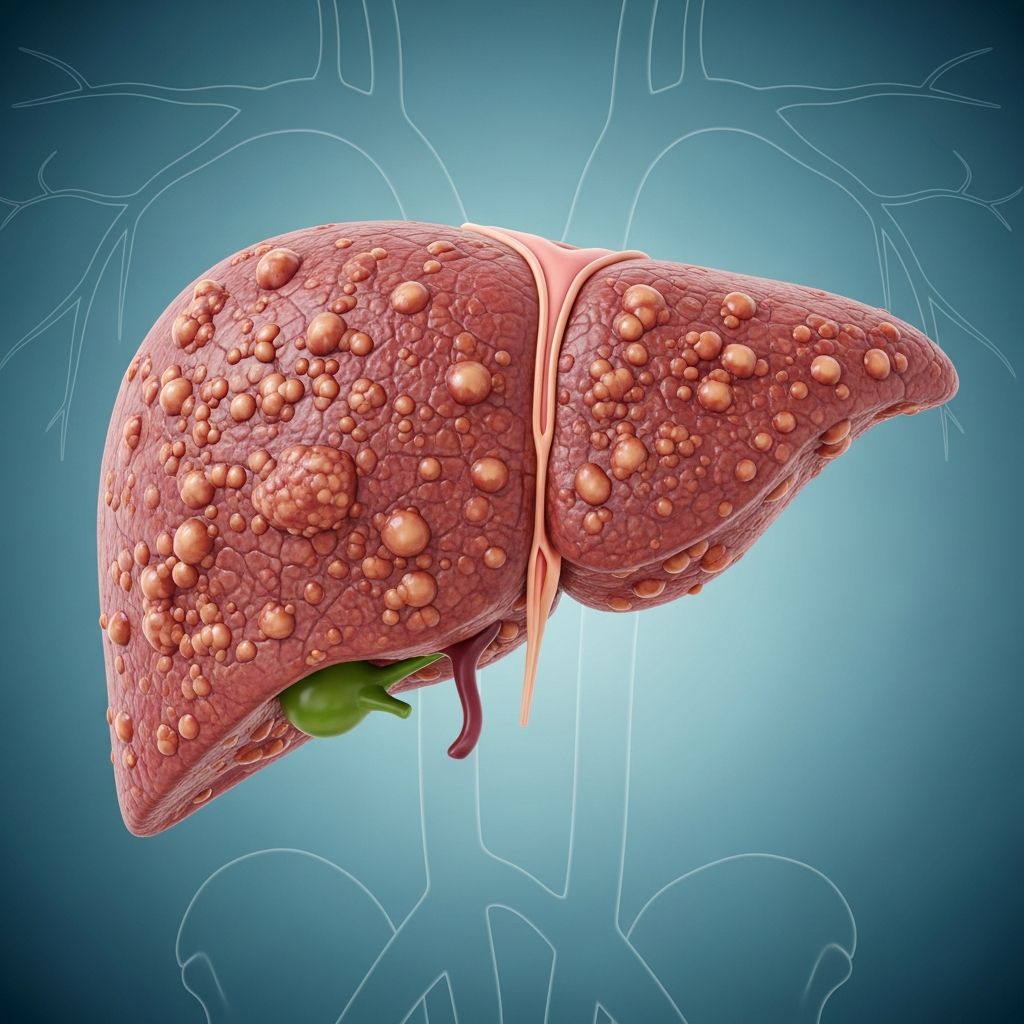
Cirrhosis represents the end-stage of chronic liver disease, characterized by widespread fibrosis and regenerative nodule formation that disrupts normal liver architecture and function.
What Is Cirrhosis?
Cirrhosis is a progressive condition where the liver develops extensive scar tissue, replacing healthy tissue and impairing its ability to filter toxins, produce proteins, and regulate blood clotting. This scarring results from repeated injury and failed repair attempts by the liver. Over time, the hardened scar tissue hinders blood flow through the liver, leading to portal hypertension and systemic complications.
The process begins with inflammation and injury from various causes, prompting the liver to form fibrous scar tissue without initial loss of function. Chronic insults eventually cause most liver tissue to fibrose, culminating in cirrhosis. Unlike acute liver injury, cirrhosis is irreversible once advanced, though early intervention can halt progression.
Symptoms of Cirrhosis
In early compensated stages, cirrhosis often presents asymptomatically, with many individuals unaware of their condition until significant damage occurs. As the disease advances to decompensated cirrhosis, symptoms emerge due to liver dysfunction and complications like portal hypertension.
Common early symptoms include:
- Fatigue and weakness
- Unintentional weight loss
- Nausea and loss of appetite
- Easy bruising or bleeding
- Itchy skin
Later-stage symptoms signal decompensation and include:
- Jaundice (yellowing of skin and eyes)
- Edema (swelling in legs, ankles, or abdomen from ascites)
- Spider angiomas (spider-like blood vessels on skin)
- Palmar erythema (redness on palms)
- Hepatic encephalopathy (confusion, drowsiness from toxin buildup)
- Gastrointestinal bleeding from varices
Decompensated cirrhosis with jaundice, ascites, bleeding, liver cancer, or encephalopathy indicates severe disease requiring urgent care.
Causes of Cirrhosis
Cirrhosis arises from long-term liver damage by multiple etiologies. In developed countries, leading causes are chronic hepatitis C, alcoholic liver disease, and nonalcoholic steatohepatitis (NASH, formerly NAFLD).
Primary Causes:
- Chronic Alcohol Use: Excessive alcohol consumption causes liver inflammation (alcoholic hepatitis) progressing to steatosis, fibrosis, and cirrhosis. Individual thresholds vary, but chronic heavy drinking is a top U.S. cause.
- Viral Hepatitis: Hepatitis B (HBV) and C (HCV) chronically infect hepatocytes, causing inflammation and fibrosis. HCV leads to cirrhosis in about 25% of chronic cases; HBV is dominant in developing regions.
- Nonalcoholic Steatohepatitis (NASH/MASH): Fat accumulation in the liver linked to obesity, diabetes, high cholesterol, and metabolic syndrome causes inflammation and scarring.
Other Causes:
- Bile duct disorders: Primary biliary cholangitis (PBC), primary sclerosing cholangitis (PSC)
- Genetic: Wilson’s disease (copper accumulation), hemochromatosis (iron overload), alpha-1 antitrypsin deficiency
- Autoimmune hepatitis
- Medications/toxins: Methotrexate, isoniazid
- Rare: Cystic fibrosis, biliary atresia, infections like syphilis
Morphologically, cirrhosis is micronodular (<3mm nodules, e.g., alcohol), macronodular (>3mm, e.g., viral), or mixed.
Risk Factors for Cirrhosis
Key risk factors amplify liver injury susceptibility:
- Heavy alcohol use (men >3 drinks/day; women >2)
- Obesity and type 2 diabetes (NASH risk)
- Chronic HBV/HCV infection
- Family history of genetic liver diseases
- Male sex (higher alcohol-related risk)
Portal hypertension from intrahepatic vasoconstriction (elevated endothelin-1, reduced nitric oxide) drives many complications.
Related Stories



How Is Cirrhosis Diagnosed?
Diagnosis combines clinical evaluation, labs, imaging, and biopsy. No single test confirms cirrhosis; assessment evaluates cause, severity, and complications.
Laboratory Tests:
- Liver function: Elevated bilirubin, low albumin, prolonged PT/INR
- Platelet count (thrombocytopenia from splenic sequestration)
- Markers: Viral serologies (HBV/HCV), autoantibodies (autoimmune), iron/copper studies
Imaging:
- Ultrasound: Nodular contour, splenomegaly
- CT/MRI: Confirms fibrosis, detects hepatocellular carcinoma (HCC)
- Elastography: Noninvasive fibrosis measurement (e.g., FibroScan)
Biopsy: Gold standard; shows fibrosis, nodules. Risks include bleeding.
Noninvasive scores like FIB-4 or APRI aid screening.
Stages of Cirrhosis
| Stage | Characteristics | Survival (1-yr / 2-yr) |
|---|---|---|
| Compensated (Child-Pugh A) | Asymptomatic or mild; preserved function | 100% / 85% |
| Decompensated (Child-Pugh B) | Symptoms present; ascites, varices | 80% / 60% |
| End-Stage (Child-Pugh C) | Severe complications; encephalopathy, jaundice | 45% / 35% |
Child-Turcotte-Pugh (CTP) score uses bilirubin, albumin, PT, ascites, encephalopathy. MELD score predicts mortality for transplant priority.
Complications of Cirrhosis
Portal hypertension and liver failure drive complications:
- Ascites: Abdominal fluid buildup; managed with diuretics, paracentesis. Risks spontaneous bacterial peritonitis.
- Variceal Bleeding: Esophageal varices rupture; beta-blockers, banding prevent.
- Hepatic Encephalopathy: Ammonia-induced brain dysfunction; lactulose treatment.
- Hepatorenal Syndrome: Kidney failure from circulatory changes.
- Hepatocellular Carcinoma (HCC): 80-90% of HCC cases from cirrhosis; surveillance ultrasound/AFP every 6 months.
- Infections: Impaired immunity increases risk.
- Osteoporosis, coagulopathy, malnutrition.
Treatment for Cirrhosis
Treatment targets underlying cause, manages complications, prevents progression. No cure for established cirrhosis; liver transplant for end-stage.
Cause-Specific:
- Alcohol: Abstinence counseling
- HCV: Direct-acting antivirals (cure >95%)
- HBV: Nucleoside analogs
- NASH: Weight loss, diabetes control
- PBC/PSC: Ursodiol
Symptom Management:
- Ascites: Low-sodium diet, spironolactone/furosemide
- Encephalopathy: Lactulose, rifaximin
- Beta-blockers for varices
- Paracentesis/TIPS for refractory ascites
Nutrition: High-protein diet; vaccines for HBV, pneumococcus, influenza.
Liver Transplant
Only cure for decompensated cirrhosis. Candidates: MELD >15, no active alcohol/drugs. Post-transplant 5-year survival ~75%. Challenges: Donor shortage.
Prevention of Cirrhosis
Prevent by addressing risks:
- Limit alcohol (<1-2 drinks/day)
- Hepatitis B vaccination; HCV screening/treatment
- Weight management, healthy diet for NASH prevention
- Avoid hepatotoxins; safe sex/needle practices
- Regular checkups for at-risk groups
Early detection via screening improves outcomes.
Frequently Asked Questions
What is cirrhosis of the liver?
Cirrhosis is irreversible scarring from chronic liver injury, distorting structure and function.
Is cirrhosis reversible?
Advanced cirrhosis is not, but early fibrosis can regress with cause removal (e.g., sobriety, antivirals).
How long does it take for cirrhosis to develop?
Decades; varies by cause/intensity (e.g., 10-20 years heavy alcohol).
Can you live with cirrhosis?
Yes, compensated stage median survival 10+ years; decompensated shorter without transplant.
Does cirrhosis always lead to liver failure?
No, but progresses without intervention; complications cause most deaths.
References
- Hepatic Cirrhosis – StatPearls — Wisse E, et al. National Center for Biotechnology Information (NCBI). 2023-07-17. https://www.ncbi.nlm.nih.gov/books/NBK482419/
- Cirrhosis of the Liver: Symptoms, Causes & Treatments — American Liver Foundation. 2024. https://liverfoundation.org/liver-diseases/complications-of-liver-disease/cirrhosis/
- Cirrhosis – Symptoms and causes — Mayo Clinic Staff. Mayo Clinic. 2024-01-05. https://www.mayoclinic.org/diseases-conditions/cirrhosis/symptoms-causes/syc-20351487
Similar Articles








Read full bio of medha deb