Cirrhosis Symptoms: Early Signs & Advanced Complications Guide
Recognizing the early and advanced signs of cirrhosis to seek timely medical intervention and improve outcomes.
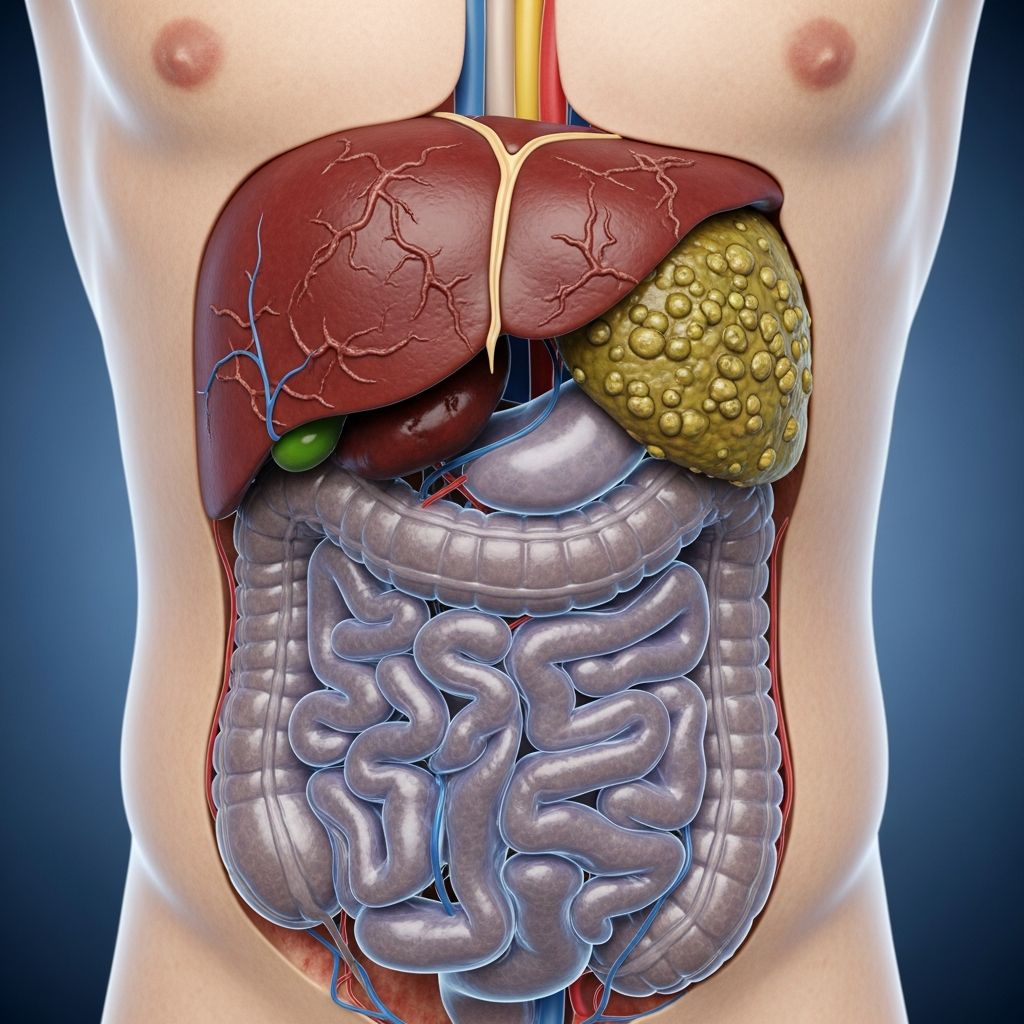
Cirrhosis represents the final stage of chronic liver disease, where healthy liver tissue is replaced by scar tissue, impairing liver function. This condition often develops silently over years, with symptoms emerging only after significant damage has occurred. Understanding the progression of symptoms is crucial for early detection and intervention, as timely management can slow progression and mitigate complications.
What Is Cirrhosis?
Cirrhosis is a progressive liver condition characterized by the formation of scar tissue that disrupts the liver’s normal architecture and function. The liver, vital for detoxification, protein synthesis, and metabolism, becomes inefficient as fibrosis advances to cirrhosis. Common causes include chronic alcohol use, viral hepatitis (especially hepatitis B and C), nonalcoholic fatty liver disease (NAFLD, now termed metabolic dysfunction-associated steatotic liver disease or MASLD), and autoimmune disorders.
In the United States, approximately 2.2 million adults live with cirrhosis, with leading etiologies being alcohol use disorder (45%), NAFLD (26%), and hepatitis C (41%). These factors often overlap, exacerbating risk. Early cirrhosis is compensated, meaning the liver maintains function despite damage; decompensated cirrhosis involves overt failure and complications.
Early Symptoms of Cirrhosis
Many individuals with cirrhosis remain asymptomatic for years, particularly in the compensated phase. When early symptoms appear, they are often nonspecific and easily overlooked, mimicking other conditions. Recognizing these subtle signs is essential for prompting diagnostic evaluation.
- Fatigue and weakness: Persistent extreme tiredness, even after rest, affects daily activities. This stems from the liver’s reduced ability to process energy efficiently.
- Loss of appetite and weight loss: Unintentional weight reduction occurs due to nausea, altered taste, and metabolic changes.
- Nausea and malaise: General feelings of unwellness or stomach upset are common early indicators.
- Mild abdominal pain: Discomfort in the upper right quadrant signals liver inflammation.
These symptoms, while vague, warrant attention in at-risk individuals, such as heavy drinkers or those with obesity and diabetes.
Symptoms of Advanced Cirrhosis
As cirrhosis progresses to the decompensated stage, symptoms become more pronounced and multisystemic, reflecting widespread liver dysfunction. Patients may experience a cascade of issues involving coagulation, fluid balance, and toxin clearance.
- Easy bruising and bleeding: Reduced production of clotting factors leads to prolonged bleeding from minor cuts or spontaneous bruising.
- Itchy skin (pruritus): Bile salt accumulation irritates the skin; prevalence reaches 39% in cirrhosis patients.
- Edema and ascites: Swelling in legs, ankles, feet, or abdomen from portal hypertension and low albumin. Ascites, fluid buildup in the belly, affects up to 50% of advanced cases.
- Jaundice: Yellowing of skin and eyes due to bilirubin buildup; urine darkens while stools pale.
- Spider angiomas and palmar erythema: Visible spider-like blood vessels and red palms from estrogen excess.
Other signs include clubbed fingers (widened, curved fingertips), white nails (Terry’s nails), and muscle cramps (64% prevalence).
Related Stories



Skin Changes in Cirrhosis
The skin often provides visible clues to underlying liver disease. Dermatological manifestations arise from hormonal imbalances, toxin buildup, and vascular changes.
- Redness on palms (palmar erythema), harder to detect on darker skin tones.
- Spider angiomas: Small, spiderweb-like dilated vessels, primarily on the upper body.
- Itchy skin from cholestasis (bile flow impairment).
- Terry’s nails: Pale nails with a distal pink band, specific for cirrhosis (>90% specificity).
These changes, combined with jaundice, prompt clinical suspicion. In brown or black skin, jaundice may appear subtle, emphasizing the need for scleral examination.
Sexual Dysfunction and Hormonal Changes
Cirrhosis disrupts hormone metabolism, leading to significant sexual and reproductive issues affecting up to 53% of patients.
In men:
- Erectile dysfunction and reduced libido.
- Testicular atrophy and gynecomastia (breast enlargement) from elevated estrogen.
In women:
- Low sex drive, dyspareunia, anorgasmia, and amenorrhea (absent periods, outside menopause).
These symptoms impair quality of life and signal advanced disease, often treatable with hormone therapy or addressing underlying liver issues.
Neurological Symptoms
Hepatic encephalopathy (HE) results from toxin accumulation, particularly ammonia, in the brain due to portosystemic shunting. Early signs include subtle cognitive changes; advanced HE leads to coma.
- Confusion, drowsiness, slurred speech, or tremor (‘flapping tremor’).
- Difficulty concentrating, sleep inversion (daytime sleepiness, nighttime wakefulness).
- Poor sleep quality (63% prevalence).
HE is reversible with lactulose or rifaximin, underscoring prompt recognition.
Complications of Cirrhosis
Decompensated cirrhosis heralds life-threatening complications from portal hypertension and synthetic failure.
| Complication | Description | Management |
|---|---|---|
| Portal hypertension | Increased pressure in portal vein leading to varices. | Carvedilol or propranolol. |
| Ascites | Abdominal fluid accumulation. | Diuretics (spironolactone + furosemide). |
| Splenomegaly | Enlarged spleen trapping blood cells. | Monitor; beta-blockers. |
| Variceal bleeding | Ruptured esophageal varices. | Endoscopy, banding. |
| Hepatorenal syndrome | Kidney failure from liver disease. | Terlipressin. |
| Hepatocellular carcinoma | Liver cancer risk elevated. | Surveillance ultrasound. |
Additional risks include infections (e.g., spontaneous bacterial peritonitis), malnutrition, osteoporosis, and sepsis.
When to See a Doctor
Consult a healthcare provider if you experience persistent fatigue, unexplained weight loss, jaundice, abdominal swelling, or easy bruising—especially with risk factors like alcohol use, obesity, or viral hepatitis. Early blood tests (liver function), imaging (ultrasound), and FibroScan can diagnose cirrhosis non-invasively.
Frequently Asked Questions (FAQs)
What are the first signs of cirrhosis?
Early signs include fatigue, loss of appetite, weight loss, and mild nausea. These are often ignored but signal liver stress.
Does cirrhosis cause itchy skin?
Yes, pruritus from bile salts affects 39% of patients and worsens at night.
Can cirrhosis be reversed?
Fibrosis can regress with lifestyle changes or treating causes (e.g., antivirals for hepatitis C), but established cirrhosis is irreversible—focus is on halting progression.
What does ascites feel like?
Progressive abdominal swelling, discomfort, shortness of breath, and weight gain from fluid.
Is jaundice always present in cirrhosis?
No, it appears in advanced stages; early cirrhosis lacks jaundice.
Prevention and Management
Prevent cirrhosis by moderating alcohol (<1 drink/day women, <2 men), vaccinating against hepatitis A/B, maintaining healthy weight, and managing diabetes. For diagnosed cases, abstain from alcohol, follow low-sodium diet, take diuretics, and undergo regular surveillance.
Quality of life improves with symptom-targeted therapies: moisturizers for pruritus, beta-blockers for cramps, and counseling for sexual dysfunction.
References
- Cirrhosis – Symptoms and causes — Mayo Clinic. 2023-10-25. https://www.mayoclinic.org/diseases-conditions/cirrhosis/symptoms-causes/syc-20351487
- Cirrhosis — NHS. 2023-11-13. https://www.nhs.uk/conditions/cirrhosis/
- What Is Cirrhosis? — JAMA Network. 2023-05-09. https://jamanetwork.com/journals/jama/fullarticle/2807272
- Diagnosis and Management of Cirrhosis and Its Complications — PMC (JAMA). 2024-03-12. https://pmc.ncbi.nlm.nih.gov/articles/PMC10843851/
- Cirrhosis of the Liver: Symptoms, Causes & Treatments — American Liver Foundation. 2024-01-15. https://liverfoundation.org/liver-diseases/complications-of-liver-disease/cirrhosis/
Similar Articles








Read full bio of Sneha Tete