Citric Acid: 6 Benefits, Uses, And Risks Explained
Discover the natural power of citric acid: from boosting energy and preventing kidney stones to its roles in food preservation and potential health risks.
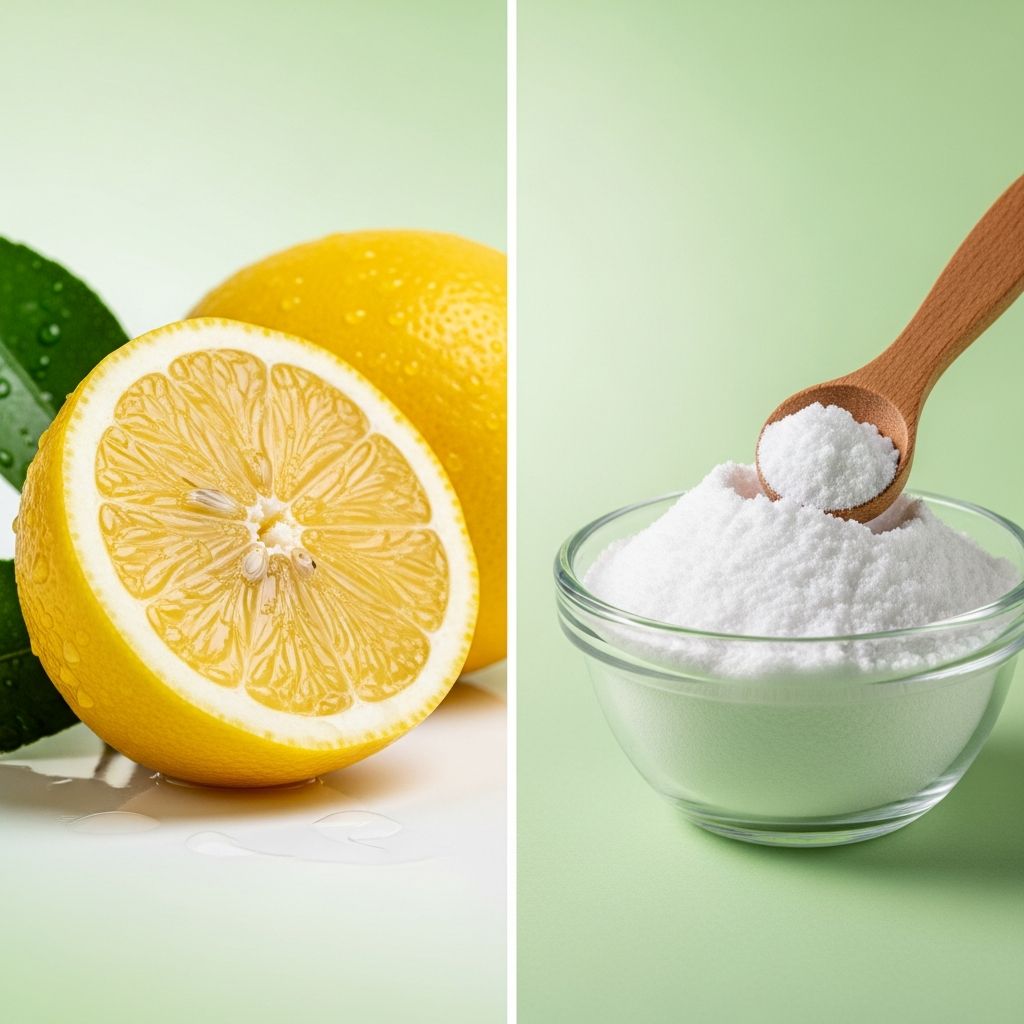
Citric acid is a weak organic acid naturally found in citrus fruits like lemons, limes, and oranges, playing a key role in the body’s energy production through the citric acid cycle, also known as the Krebs cycle or tricarboxylic acid (TCA) cycle. Today, it is primarily manufactured via fermentation using the mold Aspergillus niger for use in food, beverages, cosmetics, pharmaceuticals, and cleaning products as a preservative, flavor enhancer, and pH regulator.
What Is Citric Acid?
Citric acid (C6H8O7) imparts the tart, sour taste characteristic of citrus fruits and serves as the first intermediate in the citric acid cycle, where cells convert carbohydrates, fats, and proteins into energy in the form of ATP. In nature, it constitutes up to 8% of the dry weight in lemons and limes. Commercially produced citric acid, recognized as generally safe (GRAS) by the FDA, is indistinguishable from its natural form and is ubiquitous in processed foods, sodas, candies, and even some medications.
The manufacturing process involves fermenting molasses or corn syrup with A. niger, yielding a product that is 99-100% pure citric acid. This synthetic version dominates global supply, with over 2 million tons produced annually worldwide, primarily for industrial applications.
Health Benefits of Citric Acid
Research highlights several evidence-based health benefits of citric acid, particularly when consumed through diet or supplements. These stem from its roles in metabolism, antioxidant activity, and urinary health.
Enhances Energy Metabolism
As the cornerstone of the Krebs cycle, citrate facilitates the oxidation of acetyl-CoA derived from food, generating energy for cellular functions. Disruptions in this cycle can lead to fatigue and metabolic disorders; adequate citric acid intake supports optimal mitochondrial function and ATP production.
Prevents Kidney Stones
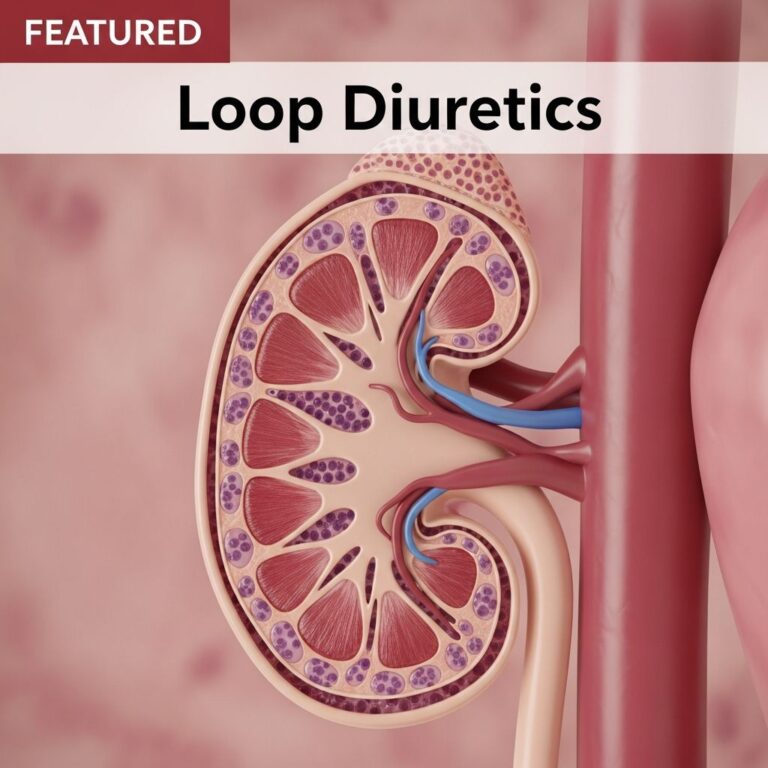
Citric acid, often as potassium or sodium citrate, alkalizes urine, increasing citrate levels that bind calcium and inhibit crystal formation, a primary cause of kidney stones. Clinical studies show citrate therapy reduces stone recurrence by 50-75% in at-risk patients. It also dissolves existing stones and prevents uric acid stones by raising urinary pH.
- Mechanism: Citrate complexes with calcium, reducing supersaturation.
- Dosage: 60 mEq/day of potassium citrate equivalent, per medical guidelines.
- Efficacy: Supported by randomized trials for calcium oxalate and uric acid stones.
Acts as an Antioxidant
Citric acid exhibits antioxidant properties by scavenging free radicals and reducing lipid peroxidation. In animal models of inflammation induced by lipopolysaccharide (LPS), oral doses of 1-2 g/kg citric acid lowered brain malondialdehyde (MDA) by 40-58%, nitrite by 74-82%, and inflammatory cytokines like TNF-α. It also protected liver enzymes (AST, ALT) and reduced DNA fragmentation, suggesting neuroprotective and hepatoprotective effects.
Improves Nutrient Absorption
Citric acid chelates minerals like calcium, iron, and magnesium, enhancing their solubility and bioavailability. Calcium citrate, for instance, absorbs efficiently without stomach acid, making it ideal for older adults or those on acid-suppressing medications. Studies confirm 20-30% better absorption compared to calcium carbonate.
Supports Digestion and Gut Health
By promoting gastric acid secretion and enzymatic activity, citric acid aids protein breakdown and nutrient uptake. Preliminary research indicates it modulates the gut microbiome favorably, potentially alleviating digestive issues.
Other Potential Benefits
- Anti-inflammatory effects in metabolic and neurodegenerative conditions.
- Reduces oxidative stress in heart and nervous system disorders.
- Assists in gout management by lowering uric acid crystallization.
Related Stories



Uses of Citric Acid
Beyond health, citric acid’s acidity (pKa 3.13, 4.76, 6.40) makes it versatile across industries.
In Food and Beverages
As a preservative, it inhibits bacterial growth (e.g., botulism in canning), maintains color/flavor, and balances pH in sodas, jams, and wines. It prevents enzymatic browning in fruits and enhances tartness in candies.
| Product Type | Function | Example |
|---|---|---|
| Sodas | Flavoring, preservative | Cola, lemon-lime drinks |
| Canned goods | Botulism prevention | Tomato sauce, pickles |
| Baked goods | Dough conditioner | Bread, cheese |
In Cleaning and Disinfectants
Citric acid descales hard water deposits, removes rust, and disinfects against bacteria, viruses, and norovirus. It’s eco-friendly, biodegradable, and effective at 4-10% solutions for household cleaners.
In Pharmaceuticals and Cosmetics
Used in effervescent tablets, syrups for pH adjustment; skin creams for infections; and exfoliants as an alpha-hydroxy acid (AHA) for gentle peeling.
Industrial Applications
Detergents, textiles, and metal plating benefit from its chelating properties.
Is Citric Acid Safe? Side Effects and Risks
The FDA deems citric acid GRAS for food/cosmetics at typical levels (<1% in products). Average intake is 0.5-1g/day from diet, safe for most.
Potential Side Effects:
- Skin irritation: Stinging, hives from prolonged contact, especially in sensitive individuals.
- Gastrointestinal: Nausea, diarrhea at high doses (>2g).
- Allergic reactions: Rare; one report linked manufactured citric acid to joint pain, swelling, and shortness of breath in four cases, absent with natural sources. Further study needed.
- High doses: In rats, 4g/kg increased DNA damage despite benefits at lower doses.
Intolerances: Some experience symptoms from manufactured vs. natural citric acid, possibly due to impurities like mycotoxins from mold fermentation. Opt for whole fruits to minimize risks.
How to Get More Citric Acid
Natural Sources: Citrus fruits (lemons: 5-8% citric acid), berries, tomatoes, pineapples.
- Lemon juice: 1-1.5g per fruit.
- Limes/Oranges: Similar concentrations.
Supplements: Powder (1-2g/day), citrate salts for kidney health (consult doctor). Avoid excess to prevent GI upset.
Daily Intake Recommendations
No RDA exists; therapeutic doses for stones: 2-4g/day as citrate. General diet provides ample amounts safely.
Frequently Asked Questions (FAQs)
Is citric acid natural or synthetic?
Found naturally in fruits but commercially produced via mold fermentation; chemically identical.
Does citric acid cause inflammation?
No, studies show anti-inflammatory effects at moderate doses (1-2g/kg in models).
Can citric acid help with kidney stones?
Yes, as citrate therapy, it prevents formation and dissolves stones by alkalizing urine.
Is manufactured citric acid safe to eat?
GRAS by FDA; rare sensitivities reported, but safe for most at dietary levels.
How does citric acid preserve food?
Lowers pH, inhibiting microbes like botulism spores.
Bottom Line
Citric acid offers substantial benefits for energy, kidney health, and preservation with minimal risks at normal intakes. Incorporate via fruits or approved uses, consulting professionals for supplements.
References
- Citric Acid: Benefits, Uses, and Risks — WebMD. 2023-10-15. https://www.webmd.com/diet/what-is-citric-acid
- Citric Acid Effects on Brain and Liver Oxidative Stress in Male Mice — National Library of Medicine (PMC). 2014-05-28. https://pmc.ncbi.nlm.nih.gov/articles/PMC4026104/
- What Is Citric Acid, and Is It Bad for You? — Healthline. 2023-11-20. https://www.healthline.com/nutrition/citric-acid
- Citric acid: Structure, uses, intolerance, and more — Medical News Today. 2023-09-12. https://www.medicalnewstoday.com/articles/citric-acid
- Citric Acid — Rupa Health. 2024-02-10. https://www.rupahealth.com/biomarkers/citric-acid
Similar Articles








Read full bio of Sneha Tete