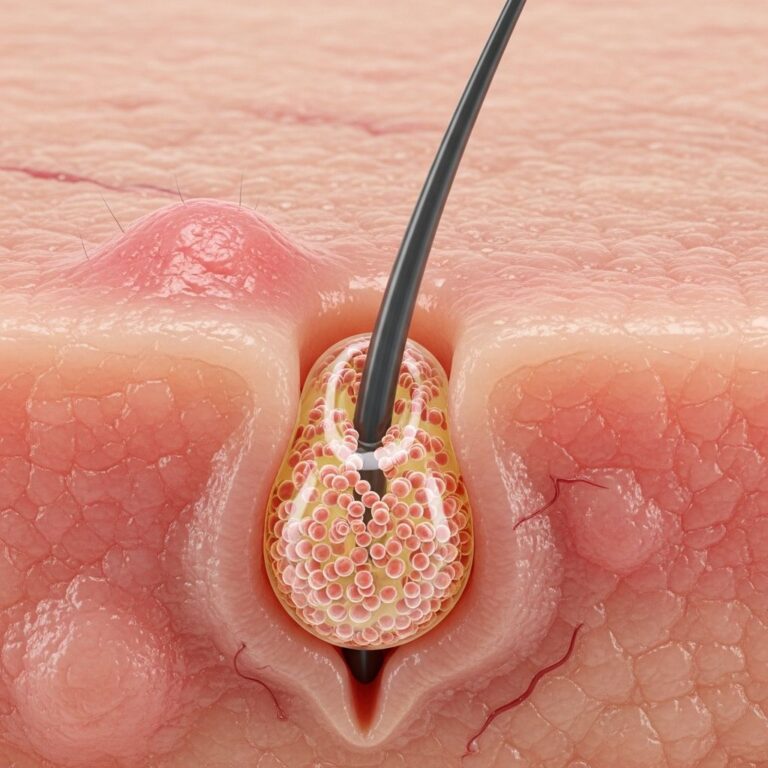
Clascoterone 1% Cream: 4 Key Benefits For Acne
Topical androgen receptor inhibitor for effective acne vulgaris treatment in patients 12 years and older.
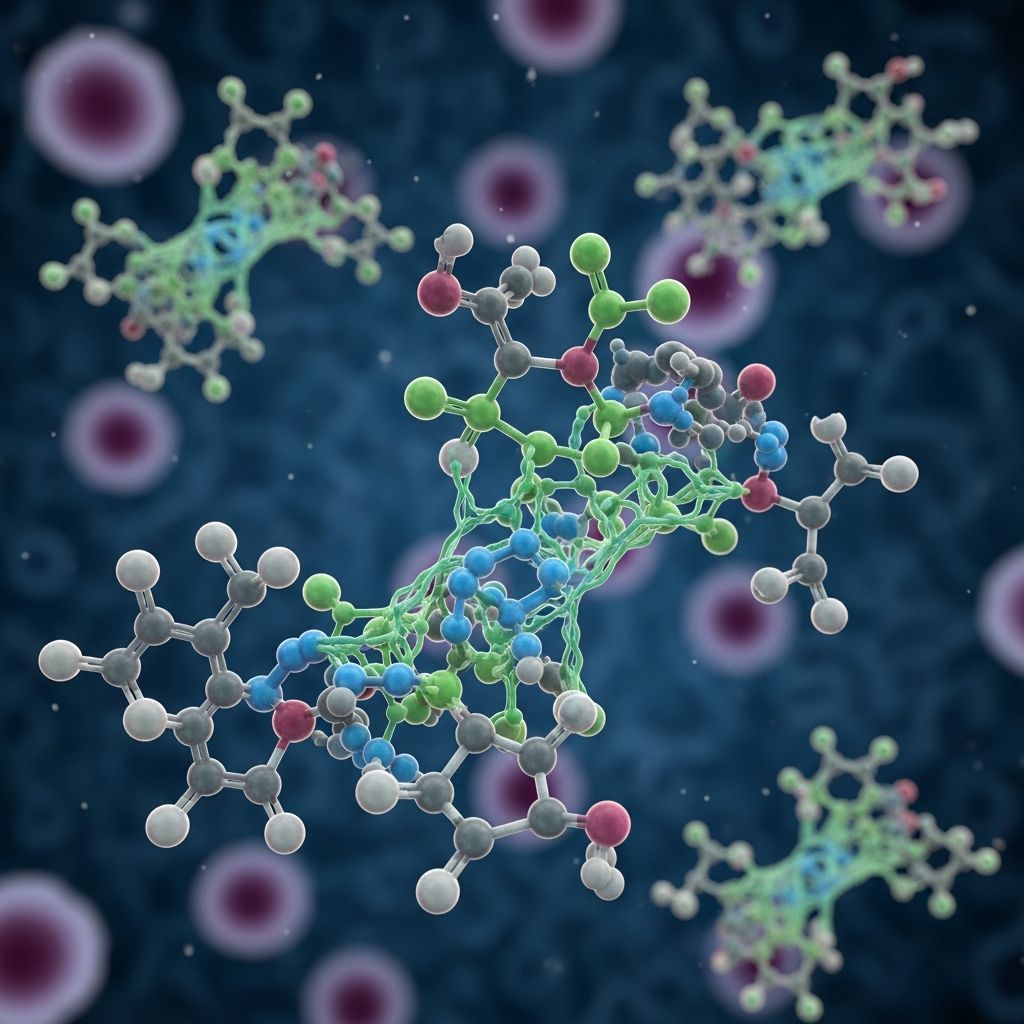
Topical clascoterone cream 1% (brand name Winlevi®) represents a breakthrough in acne management as the first topical androgen receptor inhibitor specifically approved for treating acne vulgaris in patients aged 12 years and older. Unlike traditional treatments that primarily address bacteria or inflammation, clascoterone directly targets the hormonal drivers of acne by blocking androgen receptors in the skin, reducing sebum production and inflammatory responses at the source. This localized action minimizes systemic side effects, making it suitable for both males and females.
What is clascoterone?
Clascoterone, also known as cortexolone 17α-propionate, is a synthetic steroidal antiandrogen derived from cortisol. Developed over decades of research into topical hormonal therapies, it was first approved by the US Food and Drug Administration (FDA) in August 2020 for acne vulgaris treatment. The European Medicines Agency (EMA) later authorized it as Winlevi for adults and facial acne in adolescents from 12 years old. Available as a 1% cream, it is applied topically twice daily to affected areas, providing a non-antibiotic option in an era of rising antimicrobial resistance.
Clascoterone’s novelty lies in its ability to act locally without significant absorption into the bloodstream. Skin esterases rapidly metabolize it into inactive cortexolone, ensuring effects are confined to the pilosebaceous units where acne develops. This addresses a key limitation of oral antiandrogens like spironolactone, which carry risks of hormonal disruption and are typically reserved for females.
Who gets acne vulgaris?
Acne vulgaris affects approximately 80% of adolescents and many adults worldwide, manifesting as comedones, papules, pustules, and nodules primarily on the face, chest, and back. Hormonal fluctuations, particularly androgens like dihydrotestosterone (DHT), stimulate sebaceous glands, leading to excess sebum, follicular hyperkeratinization, Propionibacterium acnes proliferation, and inflammation. Severity ranges from mild (noninflammatory lesions) to severe (nodulocystic), impacting quality of life through scarring and psychosocial distress.
While puberty is the peak onset, acne persists into adulthood in 20-40% of cases, often hormone-driven in women. Males experience more severe inflammatory acne due to higher androgen levels. Risk factors include genetics, diet (high glycemic index), and medications like corticosteroids.
What is the mechanism of action of clascoterone?
Clascoterone competitively binds to androgen receptors (AR) in the skin with high affinity, rivaling DHT—the most potent androgen implicated in acne. This prevents the DHT-AR complex from entering the nucleus and transcribing genes that promote sebogenesis (sebum production) and proinflammatory cytokines like IL-1, IL-6, and TNF-α. By attenuating these pathways, clascoterone reduces oiliness, comedone formation, and inflammatory lesions without altering systemic hormone levels.
Key steps in its mechanism:
- Topical application: Penetrates pilosebaceous units.
- Receptor binding: Competes with DHT for AR.
- Nuclear blockade: Inhibits gene transcription for lipids and cytokines.
- Local metabolism: Hydrolyzed by esterases to inactive form, limiting systemic exposure.
In vitro studies confirm reduced sebum output and inflammation in human sebocytes. This multi-pathway targeting differentiates it from retinoids (keratinization-focused) or benzoyl peroxide (antibacterial).
Clinical efficacy of clascoterone
Two pivotal phase 3, double-blind, randomized controlled trials (CB-03-01/25 and CB-03-01/26) enrolled 1,440 patients aged 9-58 with moderate-to-severe facial acne (30-125 lesions each inflammatory/noninflammatory). Participants applied clascoterone 1% or vehicle cream twice daily for 12 weeks. Coprimary endpoints: treatment success (IGA 0/1 with ≥2-grade improvement), absolute reductions in noninflammatory lesion counts (NILC) and inflammatory lesion counts (ILC).
Related Stories



Results demonstrated superiority over vehicle:
| Trial | Treatment Success (Clascoterone vs Vehicle) | NILC Reduction | ILC Reduction |
|---|---|---|---|
| CB-03-01/25 | 18.4% vs 9.0% (p<0.001) | -19.4 vs -13.0 | -15.9 vs -11.3 |
| CB-03-01/26 | 20.3% vs 6.5% (p<0.001) | -20.5 vs -13.6 | -17.6 vs -12.0 |
Secondary outcomes showed sustained improvements up to 52 weeks in extensions, with reductions in total lesions by ~50%. Real-world cases report success in acne variants like folliculitis and as adjunct to taper systemic antiandrogens.
How is clascoterone used?
Apply a pea-sized amount (∼1g) of clascoterone 1% cream to the entire face twice daily, morning and evening, after cleansing. Gently massage until absorbed; avoid eyes, mouth, and mucous membranes. Improvement typically begins within 4 weeks, with peak effects at 12 weeks. Use sunscreen during the day due to potential photosensitivity.
Dosing guidelines:
- Age: ≥12 years (FDA/EMA).
- Duration: Continuous as needed; reassess at 12 weeks.
- Combination: Compatible with topicals (retinoids, benzoyl peroxide) or orals; apply sequentially.
Storage: Room temperature, away from children. Discontinue if irritation persists.
Side effects and risks
Clascoterone is well-tolerated, with adverse events (AEs) comparable to vehicle (∼20% incidence). Most common (mild, application-site):
- Erythema (redness): 10-12%.
- Xerosis (dryness): 5-8%.
- Pruritus (itching): 4-6%.
- Edema or scaling: <3%.
No systemic antiandrogenic effects (e.g., no hypogonadism, gynecomastia). Hyperkalemia risk is negligible due to minimal absorption. Rare contact dermatitis; discontinue if severe. Safe in pregnancy category undetermined—use caution.
Drug interactions and contraindications
Minimal interactions owing to topical use. Avoid concurrent topical corticosteroids at the same site to prevent occlusion. No known CYP450 effects. Contraindicated in hypersensitivity to clascoterone or excipients. Monitor in patients on spironolactone for potential additive effects, though real-world use supports dose reduction.
Alternatives to clascoterone
| Treatment | Mechanism | Pros | Cons |
|---|---|---|---|
| Topical retinoids (adapalene) | Comedolytic | OTC options | Irritation |
| Benzoyl peroxide | Antibacterial | Resistance prevention | Bleaching |
| Oral isotretinoin | Multi-pathway | Severe acne | Teratogenic |
| Spironolactone (females) | Systemic antiandrogen | Hormonal acne | Side effects |
Clascoterone fills a gap as a hormone-targeted monotherapy.
Frequently asked questions
Q: Is clascoterone suitable for all acne types?
A: Best for facial acne vulgaris (mild-moderate); effective for inflammatory/noninflammatory lesions. Less data on truncal or nodulocystic acne.
Q: How long until clascoterone works?
A: Visible reduction in 4-12 weeks; full benefits by 12 weeks with consistent use.
Q: Can men use clascoterone?
A: Yes, unlike systemic antiandrogens; no impact on testosterone or fertility.
Q: Is clascoterone a steroid?
A: Structurally similar but acts as antiandrogen, not immunosuppressive.
Q: What if clascoterone causes dryness?
A: Use moisturizer; symptoms usually resolve. Reduce frequency if needed.
References
- Efficacy and Safety of Topical Clascoterone Cream, 1%, for the Treatment of Acne Vulgaris — JAMA Dermatology. 2020-10-21. https://jamanetwork.com/journals/jamadermatology/fullarticle/2765025
- Topical Clascoterone for Acne Vulgaris — Skin Therapy Letter. 2021. https://www.skintherapyletter.com/acne/topical-clascoterone-acne/
- Clascoterone (Winlevi) for the Treatment of Acne — American Academy of Family Physicians (AAFP). 2021-07-00. https://www.aafp.org/pubs/afp/issues/2021/0700/p93.html
- Real-World Cases of Clascoterone Topical Treatment for Acne and Related Disorders — Journal of Drugs in Dermatology. 2025. https://jddonline.com/articles/individual-article-real-world-cases-of-clascoterone-topical-treatment-acne-related-disorders-S1545961625S73361X/?_page=11
- Clascoterone: Uses, Side-Effects and More — DermNet NZ. Recent. https://dermnetnz.org/topics/clascoterone
Similar Articles








Read full bio of Sneha Tete