Claudication: Causes, Symptoms, and Treatment
Understanding claudication: causes, symptoms, and effective treatment strategies for improved quality of life.
What Is Claudication?
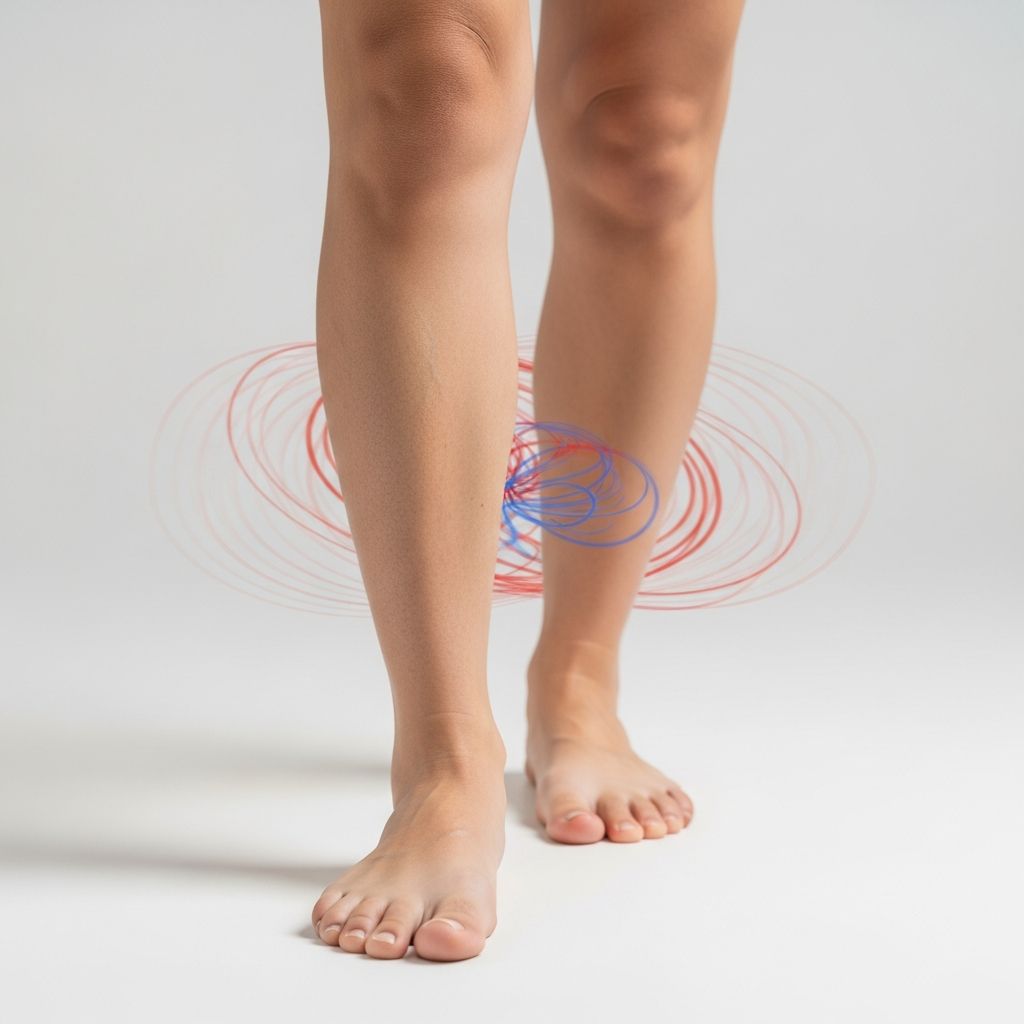
Claudication is a condition characterized by muscle pain, cramping, or discomfort that occurs during physical activity, especially walking, and is relieved by rest. It is most commonly associated with peripheral artery disease (PAD), a condition where narrowed arteries reduce blood flow to the limbs. Claudication is not a disease itself but rather a symptom of underlying circulatory problems, particularly atherosclerosis, which is the hardening and narrowing of the arteries due to plaque buildup.
Causes of Claudication
The primary cause of claudication is peripheral artery disease, which results from atherosclerosis. Atherosclerosis occurs when fatty deposits (plaques) build up in the arteries, narrowing them and reducing blood flow to the muscles. This reduced blood flow means that the muscles do not receive enough oxygen and nutrients during physical activity, leading to pain and discomfort.
- Atherosclerosis: The most common cause of claudication, leading to narrowed arteries and reduced blood flow.
- Peripheral Artery Disease (PAD): A condition where the arteries in the legs become narrowed or blocked, causing claudication.
- Other Causes: Less commonly, claudication can be caused by other conditions such as blood clots, inflammation of the arteries, or structural abnormalities in the blood vessels.
Symptoms of Claudication
The hallmark symptom of claudication is muscle pain or cramping that occurs during physical activity and is relieved by rest. The pain is typically felt in the legs, particularly in the calves, but can also affect the thighs, hips, or buttocks. Other symptoms may include:
- Cramping or aching in the legs
- Tingling or numbness in the legs
- Weakness in the legs
- Difficulty walking or climbing stairs
- Pain that is relieved by rest
Diagnosis of Claudication
Diagnosing claudication involves a combination of medical history, physical examination, and diagnostic tests. The classic history of muscle pain that is induced by exercise and relieved by rest is a key indicator. Diagnostic tests may include:
- Ankle-Brachial Index (ABI): A non-invasive test that compares the blood pressure in the ankle to the blood pressure in the arm to assess blood flow.
- Doppler Ultrasound: An imaging test that uses sound waves to evaluate blood flow in the arteries.
- Magnetic Resonance Angiography (MRA) or Computed Tomography Angiography (CTA): Imaging tests that provide detailed images of the arteries to identify blockages or narrowing.
- Angiography: A more invasive test that involves injecting a contrast dye into the arteries to visualize blockages.
Treatment Goals for Claudication
The primary goals of treating claudication are to reduce the risk of cardiovascular events, improve symptoms, and enhance quality of life. Treatment strategies focus on managing risk factors, improving blood flow, and relieving symptoms.
Lifestyle Changes and Risk Factor Modification
Lifestyle changes are the cornerstone of claudication management. These changes can help slow the progression of the disease and reduce symptoms.
- Smoking Cessation: Quitting smoking is crucial, as smoking is a major risk factor for atherosclerosis and PAD.
- Exercise: Regular, structured walking programs can improve walking distance and reduce symptoms. Supervised exercise programs are often recommended for optimal results.
- Diet: Eating a heart-healthy diet that is low in saturated fats and cholesterol can help manage risk factors.
- Blood Pressure Management: Controlling high blood pressure through medication and lifestyle changes is important.
- Cholesterol Management: Lowering cholesterol levels with statins can help reduce the risk of further plaque buildup.
- Blood Sugar Control: Managing diabetes and blood sugar levels is essential for those with diabetes.
Related Stories



Medications for Claudication
Medications can help manage symptoms and reduce the risk of complications.
- Cilostazol: A medication that improves blood flow and can reduce pain during exercise, helping patients walk further.
- Statins: Drugs that lower cholesterol and can improve walking distance.
- Antiplatelet Agents: Medications like aspirin or clopidogrel can help prevent blood clots.
- Antihypertensive Medications: Drugs to lower blood pressure and reduce the risk of heart attack or stroke.
- Naftidrofuryl Oxalate: A medication that may improve blood flow and is sometimes used if other treatments are not effective.
Revascularization Procedures
For patients with severe claudication or those who do not respond to conservative treatments, revascularization procedures may be necessary to improve blood flow and relieve symptoms.
- Angioplasty: A procedure that involves widening a narrowed or blocked artery using a balloon catheter. A stent may be placed to keep the artery open.
- Vascular Surgery: Surgical procedures such as bypass surgery, where a healthy blood vessel is used to create a new path for blood flow around the blocked artery.
Exercise Therapy for Claudication
Exercise therapy is highly effective for improving claudication symptoms. Supervised exercise programs are recommended, but long-term exercise at home is important for ongoing management.
- Walking Program: Walking until you feel moderate pain or as far as you can, resting to relieve pain, and then walking again. Repeat this cycle for 30 to 45 minutes, three or more days a week.
- Supervised Exercise: Supervised exercise programs can provide structured support and guidance for optimal results.
Prevention of Claudication
Preventing claudication involves managing risk factors for atherosclerosis and PAD. This includes:
- Quitting smoking
- Maintaining a healthy diet
- Regular physical activity
- Managing blood pressure, cholesterol, and blood sugar levels
Complications of Claudication
If left untreated, claudication can lead to more severe complications, including:
- Severe pain and disability
- Ulcers or sores on the legs
- Gangrene (tissue death)
- Increased risk of heart attack and stroke
Frequently Asked Questions (FAQs)
What is the difference between claudication and other types of leg pain?
Claudication is specifically muscle pain that occurs during physical activity and is relieved by rest. Other types of leg pain, such as muscle soreness or arthritis, may last for several days or worsen with prolonged use or rest.
Can claudication be cured?
There is no cure for claudication, but lifestyle changes, medications, and revascularization procedures can significantly improve symptoms and quality of life.
How can I prevent claudication?
Preventing claudication involves managing risk factors for atherosclerosis and PAD, including quitting smoking, maintaining a healthy diet, regular physical activity, and managing blood pressure, cholesterol, and blood sugar levels.
What are the best exercises for claudication?
Walking is the best exercise for claudication. A structured walking program, where you walk until you feel moderate pain, rest to relieve pain, and then walk again, is highly effective.
When should I see a doctor for claudication?
You should see a doctor if you experience muscle pain or cramping during physical activity that is relieved by rest, especially if it affects your ability to walk or perform daily activities.
Conclusion
Claudication is a common symptom of peripheral artery disease and atherosclerosis, characterized by muscle pain during physical activity that is relieved by rest. Effective management involves lifestyle changes, medications, and, in some cases, revascularization procedures. By addressing risk factors and following a comprehensive treatment plan, patients can significantly improve their symptoms and quality of life.
References
- Treatment Strategies for the Claudicant — PMC – NIH. 2019-02-01. https://pmc.ncbi.nlm.nih.gov/articles/PMC6363545/
- Treatment for Intermittent Claudication — Stanford Health Care. 2023-01-01. https://stanfordhealthcare.org/medical-conditions/blood-heart-circulation/intermittent-claudication/treatments.html
- Claudication — Inspira Health Network. 2023-01-01. https://www.inspirahealthnetwork.org/services-treatments/vascular/peripheral-artery-disease/claudication
- Claudication – Diagnosis & treatment — Mayo Clinic. 2023-01-01. https://www.mayoclinic.org/diseases-conditions/claudication/diagnosis-treatment/drc-20370959
- Claudication: Symptoms & Treatment — Cleveland Clinic. 2023-01-01. https://my.clevelandclinic.org/health/diseases/21972-claudication
- Peripheral arterial disease (PAD) – Treatment — NHS. 2023-01-01. https://www.nhs.uk/conditions/peripheral-arterial-disease-pad/treatment/
- Claudication — UAB Medicine. 2023-01-01. https://www.uabmedicine.org/specialties/claudication/
Similar Articles








Read full bio of medha deb