Clay-Colored or Pale Stool: Causes & When to Seek Care
Understand what clay-colored stools mean, their causes, and when to contact your healthcare provider.
Clay-Colored or Pale Stool
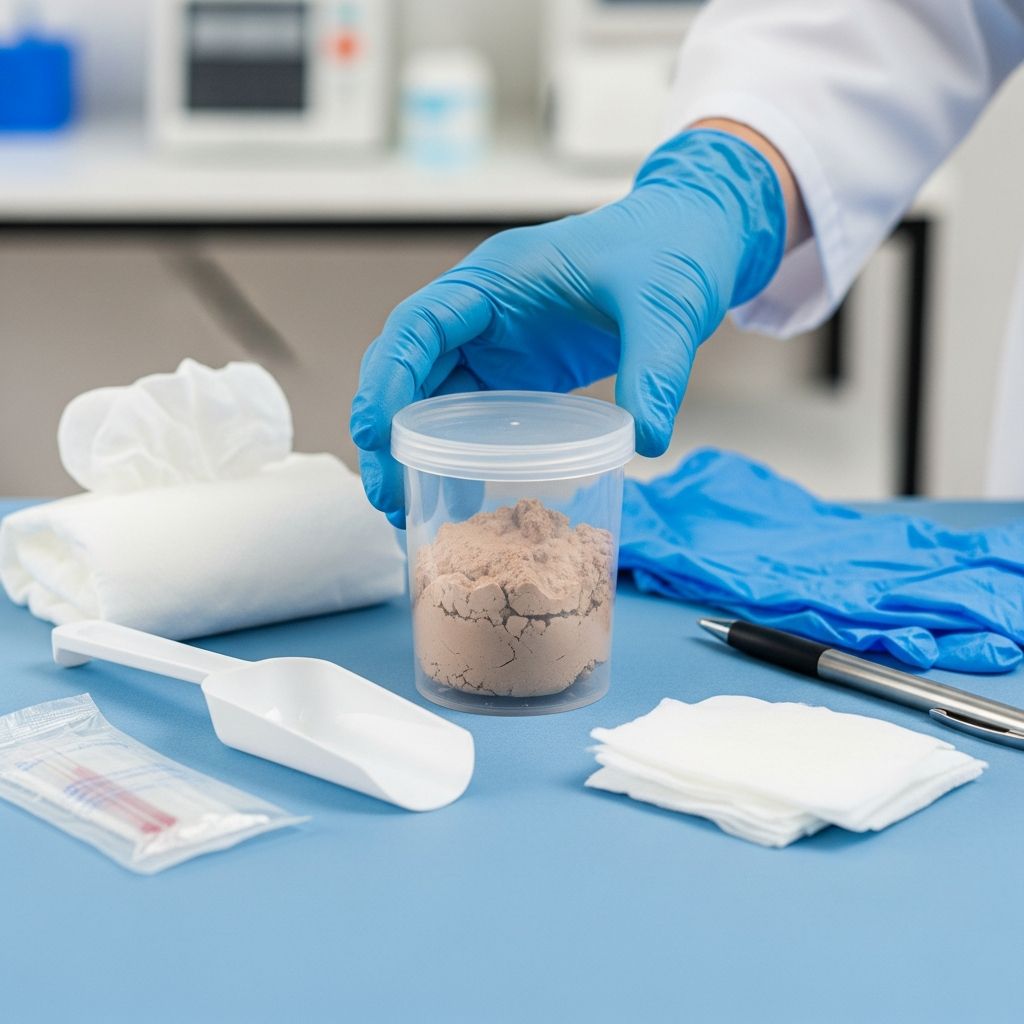
Having light-colored poop one time or once every so often isn’t typically a cause for worry. However, if you regularly see poop that is gray, white, or pale, you should call a healthcare provider. It could be a sign of something serious, like a problem with your bile duct, liver, pancreas, or gallbladder. Pale poop can appear white, gray, or clay-colored and usually happens when your liver doesn’t produce enough bile, often due to bile duct blockages, gallstones, or liver problems.
What Does Stool Color Tell You?
You’re probably used to seeing poop in varying shades of brown. So, seeing light tan, white, or gray in the toilet bowl can be alarming. Try not to panic – especially if you see it once. But if your poop is pale often or several days in a row, it’s worth a call to your healthcare provider. Light poop could mean you have a condition affecting your bile duct, gallbladder, pancreas, or liver.
Your liver releases bile salts into your stools, giving the stools a brown color. Bile is a fluid your liver makes that helps digest your food, and it contains bilirubin, which is what gives your poop its brown color. Normal stools can vary in shades of brown, mostly due to your diet. But if you don’t have enough bile or it’s not flowing as it should, your poop can become pale or clay-colored. It’s usually a sign of an underlying health condition.
Understanding the Biliary System
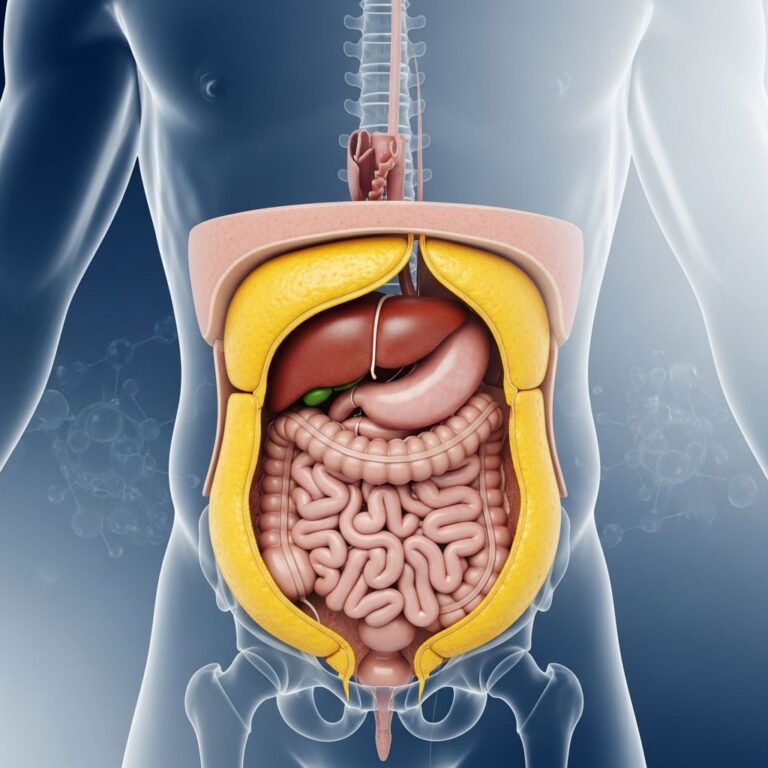
The most common cause of pale stool is an issue with your biliary system. This system involves your gallbladder, liver, and bile ducts. Its main job is to make, store, and transfer bile through your body. When this system functions properly, bile flows smoothly from your liver through the bile ducts to your intestines, where it helps break down dietary fats and gives your stool its characteristic brown color.
When there’s a disruption in this process—whether from a blockage, obstruction, or disease affecting the liver itself—bile doesn’t reach your intestines in adequate amounts. This results in stools that lack the normal brown pigmentation, appearing instead as pale, gray, or clay-colored.
Common Causes of Pale or Clay-Colored Stools
Bile Duct Blockage
A bile duct blockage is one of the most common reasons for pale-colored stools. This occurs when something prevents bile from flowing through the bile ducts into your intestines. The blockage might be caused by gallstones, tumors in the bile duct or pancreas, strictures (narrowing) of the bile ducts, or inflammation of the bile ducts known as cholangitis. When bile cannot reach the intestines, stools lose their brown color and appear pale or clay-like.
Gallbladder Disease
Your gallbladder stores bile between meals and releases it when you eat. When gallstones form in the gallbladder or become lodged in the bile ducts, they can obstruct the flow of bile. This obstruction leads to reduced bile in the intestines, resulting in pale stools. Gallbladder disease is a frequent cause of clay-colored stools and often presents with other symptoms like abdominal pain, particularly in the upper right quadrant.
Related Stories



Liver Disease and Liver Problems
Various liver diseases can impair bile production or flow, leading to clay-colored stools. When the liver is damaged or diseased, it cannot produce adequate amounts of bile or process it effectively. Problems with the liver or bile ducts prevent bilirubin from passing into the stool, causing the stool to lose its color and appear pale or clay-colored. Common liver conditions include:
- Hepatitis (viral, alcoholic, or autoimmune)
- Cirrhosis (scarring of the liver)
- Fatty liver disease
- Primary biliary cholangitis
- Primary sclerosing cholangitis
- Liver cancer or metastases
These conditions affect the liver’s ability to produce bile or transport it effectively, resulting in pale stools along with other symptoms like jaundice, fatigue, and abdominal pain.
Pancreatic Problems
The pancreas plays a role in your digestive system and can affect bile flow. When the pancreas is inflamed or diseased, it may compress the bile ducts, leading to obstruction and pale-colored stools. Pancreatitis or pancreatic cancer can both contribute to pale stool appearance.
Other Potential Causes
Certain medications and substances can also cause pale stools. Antacids containing aluminum hydroxide, large doses of bismuth subsalicylate (such as Kaopectate or Pepto-Bismol), and other antidiarrheal drugs may lighten stool color. Additionally, barium used in X-ray imaging can temporarily cause pale stools.
Associated Symptoms to Watch For
Clay-colored stools rarely occur in isolation. Understanding the accompanying symptoms can help identify the underlying cause and determine the urgency of medical evaluation. Pay attention to these warning signs that often accompany pale stools:
- Jaundice (yellowing of skin and eyes)
- Dark urine (tea or cola-colored)
- Abdominal pain, especially in the upper right quadrant
- Nausea and vomiting
- Fever and chills
- Unexplained weight loss
- Chronic fatigue
- Itchy skin (pruritus)
- Loss of appetite
The combination of symptoms can provide important clues about the underlying condition. For example, clay-colored stools with jaundice and dark urine strongly suggest bile duct obstruction or liver disease. The dark urine occurs because excess bilirubin that isn’t excreted through the stool is instead excreted in the urine, giving it a darker or amber-colored appearance.
When to Seek Medical Attention
While a single episode of pale stool might not be cause for alarm, certain situations require prompt medical evaluation. You should call your healthcare provider if your poop is clay-colored for more than a few days. Seek immediate medical attention if you experience:
- Persistent clay-colored stools lasting more than 2-3 days
- Jaundice or yellowing of the skin and eyes
- Severe abdominal pain
- High fever with chills
- Persistent vomiting
- Signs of dehydration
- Confusion or altered mental state
These symptoms may indicate serious conditions like acute cholangitis, severe hepatitis, or complete bile duct obstruction that require urgent treatment. Your provider will investigate what may be causing your light poops and then recommend the best treatment based on what they find.
Pale Stools in Children
Brightly colored stools in children are usually caused by colorful foods like breakfast cereal. However, pale, white, or clay-colored stools in children can be caused by something more serious. Some causes specific to children include a milk-only diet, barium sulfate from barium enema, antacids, or blocked bile ducts or liver disease. Parents should monitor their children’s stool color and seek medical evaluation if pale stools persist.
Stool Color Reference Guide
| Stool Color | Appearance | Possible Causes | When to Worry |
|---|---|---|---|
| Normal Brown | Brown (light to dark) | Well-formed, smooth, normal bile pigmentation | No concern |
| Clay or Pale | Gray, putty, or pale tan | Bile duct obstruction, liver disease, gallstones | Moderate to High |
| White | Completely white or very light | Complete bile obstruction | High – Seek immediate care |
| Yellow | Bright yellow | Malabsorption, celiac disease | Moderate |
Key Takeaways
Clay-colored stools are an important warning sign that shouldn’t be ignored. While occasional pale stools might result from dietary factors or medications, persistent changes in stool color often indicate problems with bile production or flow. The key is recognizing when this symptom requires medical attention and understanding what tests and treatments might be necessary. Your provider will likely perform blood tests, imaging studies like ultrasound or CT scans, or other diagnostic procedures to determine the underlying cause of your pale stools.
Frequently Asked Questions
Q: What is the difference between clay-colored and white stools?
A: Clay-colored stools appear pale gray, putty-colored, or light tan, while white stools are completely devoid of color. Both indicate absence of bile pigments, but white stools often suggest complete bile duct obstruction and require immediate medical attention.
Q: Can stress cause clay-colored stools?
A: While stress alone doesn’t directly cause clay-colored stools, chronic stress can affect liver function and digestive health over time. Stress may worsen existing liver conditions or contribute to digestive issues that indirectly affect stool color.
Q: Are clay-colored stools always a sign of serious illness?
A: Not always. Temporary causes like certain medications, antacids, or barium from medical tests can cause pale stools. However, persistent clay-colored stools often indicate liver, gallbladder, or bile duct problems that require medical evaluation.
Q: How long should I wait before seeing a doctor about pale stools?
A: If your stools are pale for more than a few days, you should contact your healthcare provider. If you experience severe abdominal pain, fever, jaundice, or persistent vomiting along with pale stools, seek immediate medical attention.
Q: What tests might my doctor perform to diagnose the cause?
A: Your healthcare provider may recommend blood tests to check liver function and bilirubin levels, ultrasound imaging of your gallbladder and bile ducts, CT scans, or specialized procedures like ERCP (endoscopic retrograde cholangiopancreatography) to visualize and potentially treat bile duct blockages.
References
- Clay Colored Stool (Pale Stool) — Cleveland Clinic. 2024. https://my.clevelandclinic.org/health/symptoms/clay-colored-or-pale-stool
- Pale Stools: Causes, Diagnosis, and Treatments — Healthline. 2024. https://www.healthline.com/health/stools-pale-or-clay-colored
- Stool Color: When to Worry — Mayo Clinic. 2024. https://www.mayoclinic.org/diseases-conditions/diarrhea/expert-answers/stool-color/faq-20058080
- Pale Stool: Causes, Diagnosis, and Treatment — Medical News Today. 2024. https://www.medicalnewstoday.com/articles/324582
- Why Do I Have Clay-Colored Stools? — SiPhox Health. 2024. https://siphoxhealth.com/articles/why-do-i-have-claycolored-stools
- Know the Signs of Liver Problems in Your Child — Saint Luke’s Health System. 2024. https://www.saintlukeskc.org/health-library/know-signs-liver-problems-your-child
Similar Articles








Read full bio of Sneha Tete