Clean-Eating Lunches: 4 Easy Recipes For Quick, Healthy Meals
Discover simple, nutritious clean-eating lunch recipes packed with whole foods, lean proteins, and fresh vegetables for sustained energy all day long.
Embrace the principles of
clean eating
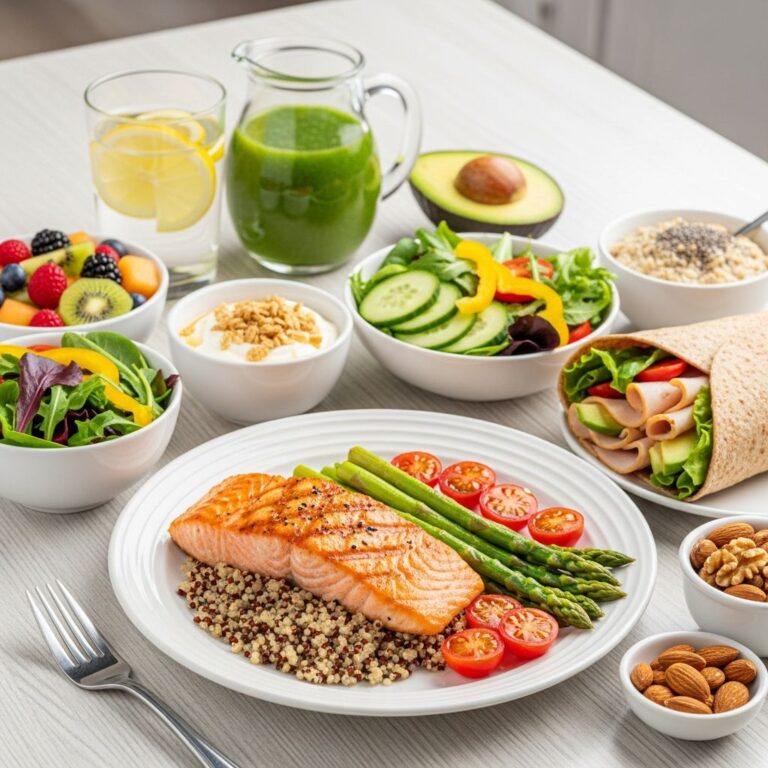
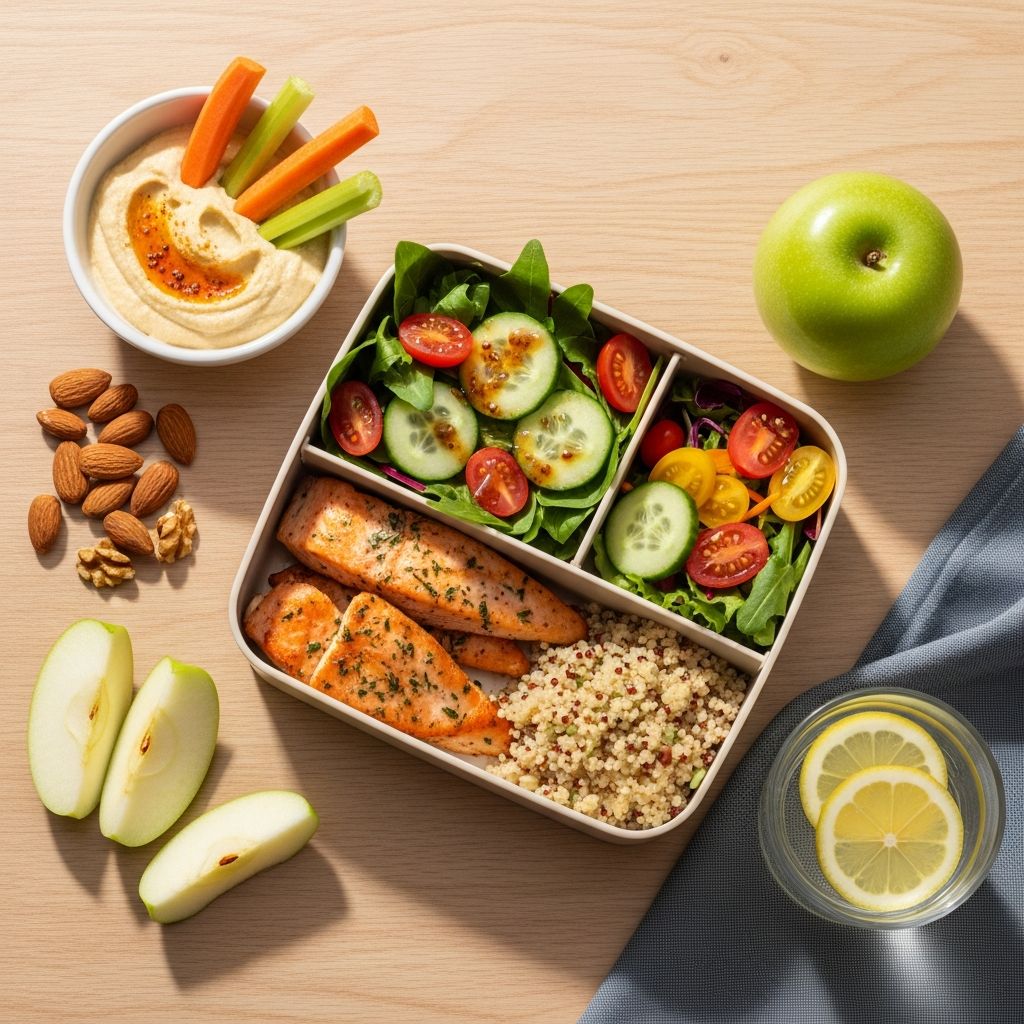
by focusing on whole, unprocessed foods for your midday meal. These lunch ideas prioritize fresh vegetables, lean proteins, healthy fats, and complex carbohydrates to keep you energized without the crash from refined sugars or additives. Clean-eating lunches are simple to prepare, customizable, and designed for busy lifestyles while supporting overall health, weight management, and sustained vitality.What Is Clean Eating?
Clean eating involves selecting foods in their most natural state, minimizing processed items, added sugars, and artificial ingredients. For lunches, this means building meals around nutrient-dense ingredients like leafy greens, colorful vegetables, quality proteins such as fish, poultry, eggs, and legumes, and wholesome grains. According to the Harvard T.H. Chan School of Public Health, diets rich in whole foods reduce inflammation, improve digestion, and lower chronic disease risk by providing essential vitamins, minerals, fiber, and antioxidants.
Key benefits include stabilized blood sugar levels for better focus, higher fiber intake for gut health, and adequate protein to maintain muscle mass. A study from the Journal of the Academy of Nutrition and Dietetics highlights that clean-eating patterns enhance satiety, aiding portion control and weight maintenance. Transitioning to clean lunches doesn’t require complex cooking; start with meal prep staples like chopped veggies and cooked proteins stored in the fridge for quick assembly.
Why Choose Clean Lunches?
Clean lunches combat midday slumps by delivering balanced macros: 30-40% protein, 30-40% carbs from whole sources, and 20-30% healthy fats. The USDA Dietary Guidelines emphasize whole foods for optimal nutrient absorption, noting that processed meals often lack micronutrients vital for immunity and energy metabolism. Users report improved mood, skin clarity, and productivity after adopting these habits.
- Sustained Energy: Complex carbs and proteins prevent spikes and crashes.
- Weight Management: High-volume, low-calorie foods promote fullness.
- Easy Prep: Most recipes take under 20 minutes.
- Versatile: Adapt for vegan, gluten-free, or low-carb needs.
Featured Clean-Eating Lunch Recipes
These recipes draw from simple, repeatable ideas like those shared in wellness-focused content, emphasizing high-protein options for muscle repair and satisfaction. Each serves 1-2 and uses pantry staples.
Turkey Avocado Sandwich
This no-cook classic combines creamy avocado with lean turkey for a satisfying, portable lunch. Ready in 5 minutes, it’s been a staple for over a decade in many clean-eating routines.
Ingredients:
- 2 slices whole-grain bread or lettuce wraps for low-carb
- 4 oz deli turkey breast (nitrate-free)
- 1/2 ripe avocado, mashed
- Handful of greens (arugula, spinach)
- Salt, pepper, lemon juice to taste
Instructions:
- Mash avocado with lemon juice, salt, and pepper.
- Spread on bread or wrap; layer turkey and greens.
- Slice and enjoy. Pro tip: Add mustard for zing without calories.
Per serving: ~350 calories, 25g protein, 15g fat, 30g carbs. Avocado’s monounsaturated fats support heart health, per American Heart Association research.
Related Stories



Tuna Egg Salad
Elevate basic tuna salad with hard-boiled eggs for double protein power. Chunky texture and fresh veggies make it addictive yet clean. Prep ahead for grab-and-go.
Ingredients:
- 5 oz can tuna in water, drained
- 4 hard-boiled eggs, chopped
- 1 tbsp mayo + 1 tbsp Greek yogurt
- 1/4 cup diced celery
- 2 tbsp diced red onion
- Salt, pepper
Instructions:
- Chop eggs into bite-sized pieces.
- Mix with tuna, veggies, mayo, yogurt, seasonings.
- Serve on greens or whole-grain toast. Yields 27g protein per serving.
This combo provides omega-3s from tuna for brain health, as noted in NIH studies. Store up to 3 days in fridge.
Buffalo Chicken Lettuce Cups
Spicy, low-carb alternative to wings. Shredded chicken tossed in buffalo sauce, wrapped in crisp lettuce for a fresh crunch.
Ingredients:
- 1 cup cooked shredded chicken
- 2 tbsp buffalo sauce (clean brand, low sugar)
- Romaine or butter lettuce leaves
- 1/4 avocado, sliced
- Chopped carrots, celery
Instructions:
- Toss chicken in sauce; heat if desired.
- Spoon into lettuce cups; top with veggies and avocado.
~300 calories, 30g protein. Capsaicin in peppers boosts metabolism.
Spicy Chickpea Veggie Bowl
Plant-based option with pantry chickpeas, quick-sauteed veggies, and Greek yogurt dressing. Vegan-adaptable.
Ingredients:
- 1 can chickpeas, drained
- 1/2 cup diced onion, garlic clove
- 1/3 cup diced carrots
- 1/4 cup Greek yogurt
- Red pepper flakes, salt
Instructions:
- Saute onion, garlic, chickpeas with spices 3-4 minutes.
- Mix in carrots and yogurt. Serve warm or cold.
Fiber-rich chickpeas aid digestion, per World Health Organization guidelines.
Nutrition Comparison Table
| Recipe | Calories | Protein (g) | Fiber (g) | Prep Time |
|---|---|---|---|---|
| Turkey Avocado Sandwich | 350 | 25 | 8 | 5 min |
| Tuna Egg Salad | 320 | 27 | 3 | 10 min |
| Buffalo Chicken Cups | 300 | 30 | 5 | 10 min |
| Chickpea Bowl | 280 | 15 | 12 | 15 min |
Meal Prep Tips for Clean Lunches
Batch-cook proteins and chop veggies Sunday for week-long ease. Use glass containers to avoid plastic leaching. Portion into 400-500 calorie meals for balance.
- Boil eggs and grains in advance.
- Freeze chicken portions.
- Rotate recipes to prevent boredom.
Frequently Asked Questions (FAQs)
Can clean-eating lunches help with weight loss?
Yes, high-protein, fiber-rich meals increase satiety and reduce overall calorie intake, supporting sustainable weight loss.
Are these recipes beginner-friendly?
Absolutely; most require no cooking skills and use 5-7 ingredients.
How do I make them vegan?
Swap animal proteins for tofu, tempeh, or extra legumes; use plant yogurt.
What’s the best way to store leftovers?
Refrigerate in airtight containers up to 4 days; avoid mayo-based salads if freezing.
Do I need special ingredients?
No, focus on grocery staples like canned fish, eggs, and seasonal produce.
Customization Ideas
Tailor to preferences: Add quinoa for carbs, nuts for crunch, or herbs for flavor without calories. Track macros via apps for precision.
In summary, these clean-eating lunches transform midday eating into a nourishing ritual. Incorporate them weekly for lasting health benefits.
References
- Vegetables and Fruits — Harvard T.H. Chan School of Public Health. 2023-10-01. https://www.hsph.harvard.edu/nutritionsource/what-should-you-eat/vegetables-and-fruits/
- High-Protein Diets and Weight Loss — Journal of the Academy of Nutrition and Dietetics. 2022-05-15. https://doi.org/10.1016/j.jand.2021.11.017
- Dietary Guidelines for Americans, 2020-2025 — USDA. 2020-12-01. https://www.dietaryguidelines.gov/
- Avocados — American Heart Association. 2024-03-20. https://www.heart.org/en/healthy-living/healthy-eating/eat-smart/fats/avocados
- Omega-3 Fatty Acids — National Institutes of Health. 2023-08-10. https://ods.od.nih.gov/factsheets/Omega3FattyAcids-HealthProfessional/
- Capsaicin and Metabolism — National Center for Biotechnology Information. 2022-11-01. https://pubmed.ncbi.nlm.nih.gov/28987106/
- Healthy Diet Fact Sheet — World Health Organization. 2024-01-15. https://www.who.int/news-room/fact-sheets/detail/healthy-diet
Similar Articles








Read full bio of Sneha Tete