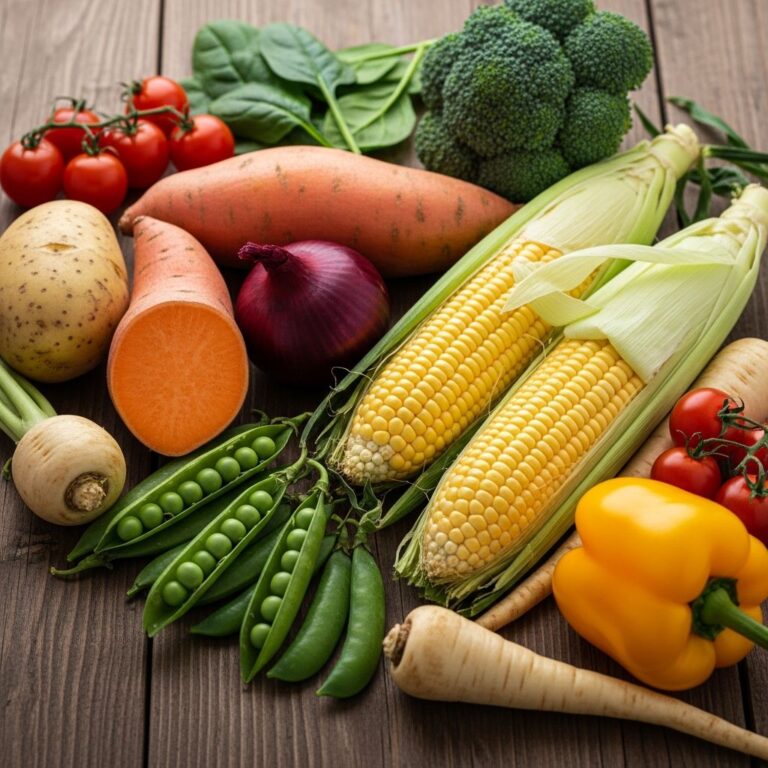
Clean-Eating Recipes For Kids: 11 Balanced Meals & Snacks
Discover simple, nutritious clean-eating recipes that kids love, made with whole foods for healthy family meals.
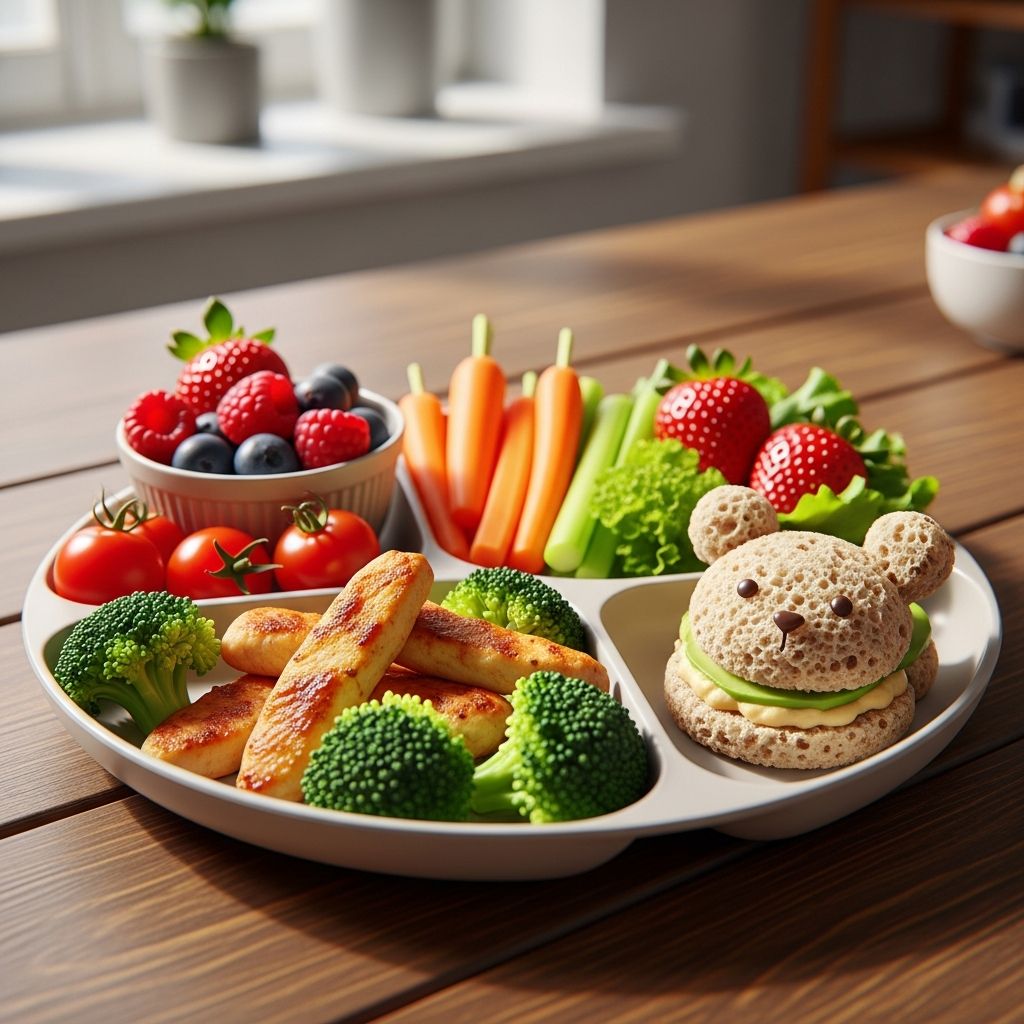
Introducing children to clean eating doesn’t have to be a battle. These recipes focus on whole, unprocessed foods packed with nutrients to fuel growing bodies. From colorful veggie-packed mains to satisfying snacks, every dish is designed to appeal to picky eaters while promoting lifelong healthy habits. Clean eating emphasizes fresh fruits, vegetables, lean proteins, and whole grains, avoiding added sugars and refined ingredients. Our collection makes it simple to create balanced meals that the whole family enjoys.
Why Clean Eating for Kids?
Clean eating supports children’s health by providing essential vitamins, minerals, and fiber without artificial additives. According to the Centers for Disease Control and Prevention (CDC), a diet rich in whole foods helps prevent childhood obesity and supports cognitive development. The Academy of Nutrition and Dietetics recommends that kids consume at least five servings of fruits and vegetables daily for optimal growth. These recipes incorporate those principles, using simple preparations like roasting, blending, and grilling to enhance natural flavors kids love.
Parents often worry about picky eaters, but involving kids in meal prep builds excitement. Studies from the American Academy of Pediatrics show that children who participate in cooking are 50% more likely to try new foods. Start with familiar favorites twisted healthily, like veggie-loaded pizzas or fruit smoothies disguised as treats.
Breakfast Recipes
Start the day right with nutrient-dense breakfasts that keep energy levels steady. These options are quick for school mornings yet feel special on weekends.
Overnight Oats with Fresh Berries
Prep these the night before for grab-and-go convenience. Rolled oats soaked in almond milk provide sustained energy, while berries add natural sweetness and antioxidants.
- Ingredients (serves 2): 1 cup rolled oats, 1 cup unsweetened almond milk, 1/2 cup mixed berries, 1 tbsp chia seeds, 1 tsp honey.
- Instructions: Mix oats, milk, chia, and honey in jars. Refrigerate overnight. Top with berries in the morning. Ready in 5 minutes prep.
Each serving offers 8g fiber and 300 calories, ideal for growing kids.
Green Smoothie Pancakes
Hide spinach in fluffy pancakes for a veggie boost. Kids won’t notice the green—only the fun shapes you flip!
- Ingredients (makes 8 pancakes): 1 cup whole wheat flour, 1 banana, 1 cup spinach, 1 egg, 3/4 cup milk, 1 tsp baking powder.
- Instructions: Blend banana, spinach, egg, and milk. Combine with dry ingredients. Cook on a non-stick pan. Serve with yogurt.
Rich in iron from spinach, these pancakes support blood health per USDA guidelines.
Lunch Recipes
Packable and portable, these lunches fuel active days without processed fillers. Focus on variety to keep lunchboxes exciting.
Quinoa Veggie Wraps
Protein-packed quinoa with crisp veggies in whole-grain tortillas. Customizable for tastes.
- Ingredients (serves 4): 1 cup cooked quinoa, 1 cucumber (sliced), 1 carrot (shredded), 4 whole-grain tortillas, 1 avocado, hummus.
- Instructions: Spread hummus on tortillas, layer veggies and quinoa, roll tightly. Slice into pinwheels.
Related Stories



| Nutrient | Per Wrap |
|---|---|
| Protein | 12g |
| Fiber | 7g |
| Vitamin C | 20% DV |
Turkey and Apple Sliders
Lean turkey with sweet apple slices on mini whole-grain buns. A fun finger-food alternative to sandwiches.
- Ingredients (serves 6 sliders): 12 oz ground turkey, 1 apple (sliced thin), 6 mini whole-grain buns, mustard.
- Instructions: Form turkey into patties, grill 4 minutes per side. Assemble with apple and mustard.
Apples provide pectin for digestion, as noted in Harvard Health publications.
Dinner Recipes
Family-friendly dinners emphasize shared meals. These are hearty yet light, perfect after school or sports.
Baked Chicken Nuggets with Sweet Potato Fries
Crispy baked nuggets rival fast food, paired with vitamin A-rich fries.
- Ingredients (serves 4): 1 lb chicken breast (cubed), 1 cup whole-grain breadcrumbs, 2 sweet potatoes, olive oil, herbs.
- Instructions: Coat chicken in egg, then breadcrumbs; bake at 400°F for 20 minutes. Cut and bake fries similarly.
Vegetable Stir-Fry with Brown Rice
Colorful veggies and tofu over brown rice for a plant-based option.
- Ingredients (serves 4): 2 cups broccoli, 1 bell pepper, 1 zucchini, 14 oz tofu, 2 cups brown rice (cooked), soy sauce (low-sodium).
- Instructions: Sauté veggies and cubed tofu 10 minutes. Serve over rice.
Brown rice’s whole grains lower diabetes risk in children, per NIH research.
Snack Ideas
Healthy snacks curb hunger between meals. These are no-bake or minimal prep.
- Energy Balls: Blend dates, oats, peanut butter, and chocolate chips. Roll into balls. (10 balls, 100 cal each)
- Yogurt Parfaits: Layer Greek yogurt, granola, and fruits. Probiotic-rich for gut health.
- Veggie Sticks with Dip: Carrots, celery with hummus. Boosts veggie intake effortlessly.
Dessert Recipes
Satisfy sweet tooths naturally. No refined sugar here.
Frozen Banana “Ice Cream”
Blend frozen bananas for creamy texture. Add cocoa for chocolate version.
- Ingredients (serves 2): 4 bananas (frozen), 2 tbsp peanut butter.
- Instructions: Blend until smooth. Freeze 30 minutes.
Baked Apples with Cinnamon
Core apples, fill with oats and nuts, bake until soft.
Tips for Picky Eaters
Turn meals into games: Create “taste tests” with small portions of new foods. Repeat exposure 10-15 times, as recommended by pediatric guidelines. Involve kids in grocery shopping and chopping to foster ownership.
Meal Planning Table
| Day | Breakfast | Lunch | Dinner | Snack |
|---|---|---|---|---|
| Monday | Overnight Oats | Quinoa Wraps | Chicken Nuggets | Energy Balls |
| Tuesday | Green Pancakes | Turkey Sliders | Stir-Fry | Yogurt Parfait |
| Wednesday | Overnight Oats | Quinoa Wraps | Chicken Nuggets | Veggie Sticks |
| Thursday | Green Pancakes | Turkey Sliders | Stir-Fry | Energy Balls |
| Friday | Overnight Oats | Quinoa Wraps | Chicken Nuggets | Yogurt Parfait |
Frequently Asked Questions (FAQs)
What is clean eating for kids?
Clean eating involves whole, minimally processed foods like fruits, veggies, lean proteins, and whole grains, avoiding added sugars and preservatives to nourish kids naturally.
Are these recipes budget-friendly?
Yes, they use affordable staples like oats, seasonal produce, and bulk grains. Shop sales and farmers’ markets to save more.
How do I get my picky eater to try these?
Start small, let them choose ingredients, and pair new foods with favorites. Consistency and positivity work wonders.
Can I make substitutions for allergies?
Absolutely—swap dairy for plant-based, gluten for alternatives, and nuts for seeds. Always check labels.
How many calories are suitable for kids?
Varies by age: 1,000-1,400 for ages 2-3; 1,200-1,800 for 4-8. Consult a pediatrician for personalized advice.
Expand on clean eating benefits: Whole foods reduce inflammation and support immunity. The World Health Organization (WHO) links processed food intake to rising childhood diseases.[10] Recipes like these align with MyPlate guidelines from USDA, balancing half the plate with fruits/veggies.
For breakfast depth: Overnight oats customize endlessly—add apples for autumn, mango for summer. Chia seeds offer omega-3s crucial for brain health, vital as kids’ brains grow rapidly until age 5.
Smoothie pancakes: Spinach’s mild taste vanishes in batter. Use silicone molds for shapes like hearts or stars to engage toddlers.
Lunch expansions: Quinoa, a complete protein, suits vegetarian families. Turkey sliders provide zinc for immune function.
Dinners: Nuggets bake instead of fry, cutting fat by 70% while keeping crunch via panko-style crumbs. Stir-fry teaches knife safety for older kids.
Snacks combat after-school hangries. Energy balls store 1 week refrigerated. Parfaits use full-fat yogurt for satiety.
Desserts: Banana ice cream mimics Dairy Queen texture. Baked apples warm winter nights, fiber aiding digestion.
Picky eater strategies: Sesame Workshop’s “taste test” printable encourages trying without pressure. Model enjoyment—kids mimic parents.
Meal prep Sundays: Cook quinoa, chop veggies for week. Freezes well too.
Nutritional spotlight: Recipes average 400-600 calories/meal, hitting 20-30% daily needs. Hydration reminder: Pair meals with water infused with fruit.
Seasonal twists: Summer—zucchini noodles; winter—root veggie soups.
Family involvement: Set table together, discuss day’s highlight over dinner for bonding.
Track progress: Weekly journals note liked foods, adjusting menu.
References
- Eating Well Resources for Children — Sesame Workshop. 2023-10-15. https://sesameworkshop.org/topics/eating-well/
- Nutrition for Children — Academy of Nutrition and Dietetics. 2024-05-20. https://www.eatright.org/
- Childhood Obesity Facts — Centers for Disease Control and Prevention (CDC). 2025-01-10. https://www.cdc.gov/obesity/childhood/index.html
- Dietary Guidelines for Americans — USDA. 2020-12-01. https://www.dietaryguidelines.gov/
- ChooseMyPlate for Kids — USDA MyPlate. 2024-08-15. https://www.myplate.gov/
- The Nutrition Source: Apples — Harvard T.H. Chan School of Public Health. 2023-11-05. https://www.hsph.harvard.edu/nutritionsource/food-features/apples/
- Whole Grains and Health — National Institutes of Health (NIH). 2024-02-28. https://www.nhlbi.nih.gov/health/whole-grains
- Feeding Guidelines for Picky Eaters — American Academy of Pediatrics. 2024-07-12. https://www.aap.org/
- Child Energy Requirements — World Health Organization (WHO). 2023-09-18. https://www.who.int/
Similar Articles








Read full bio of medha deb