Clean-Eating Snacks: 30 Nutritious Recipes For Lasting Fullness
Discover nutritious, whole-food snacks that fuel your body, boost satiety, and support a healthy lifestyle with simple, delicious recipes.
Snacking doesn’t have to derail your health goals.
Clean-eating snacks
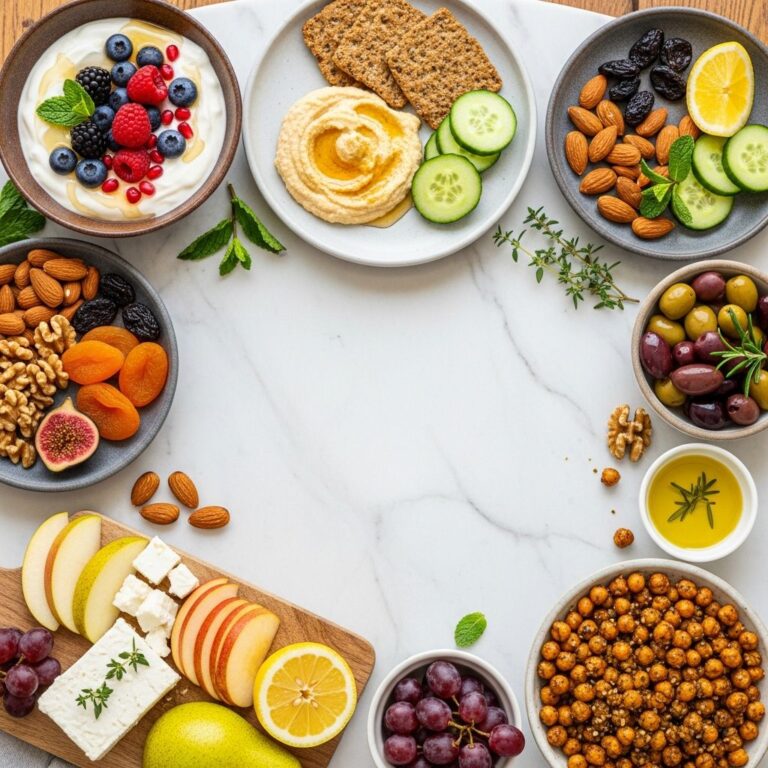
focus on whole, minimally processed foods rich in protein, fiber, and nutrients to promote satiety, stabilize blood sugar, and support weight management. These snacks replace sugary, high-fat processed options with nourishing choices like nuts, yogurt, fruits, vegetables, and whole grains, helping you feel full longer and make better choices at meals.What Makes a Snack ‘Clean’?
Clean-eating emphasizes foods in their natural state: fresh produce, nuts, seeds, dairy, and whole grains without added sugars, refined oils, or preservatives. According to dietary guidelines, healthful snacks align with recommendations for more fruits, vegetables, whole grains, and less sodium, solid fats, and refined sugars. High-protein and high-fiber snacks, such as yogurt or prunes, enhance satiety more effectively than carb- or fat-heavy options, reducing overconsumption at subsequent meals.
Research shows whole foods like
nuts, yogurt, prunes, and popcorn
suppress hunger by influencing glucose levels and satiety hormones. For instance, dried plums as a snack lowered hunger compared to low-fat cookies in a study of fasting women. Incorporating these into your routine can improve dietary quality and portion control, countering the rise in energy-dense processed snacks.Benefits of Clean-Eating Snacks for Satiety and Weight
Snacks between meals can promote fullness and prevent overeating. Studies confirm that
protein-rich snacks
have the strongest satiety effect, followed by those high in fiber or complex carbs. This biobehavioral response helps regulate appetite, potentially aiding weight maintenance.- Satiety Boost: Nuts and yogurt provide sustained energy, reducing hunger hormones.
- Weight Control: Compensatory eating after nutritious snacks maintains body weight without excess calories.
- Nutrient Density: Whole foods deliver vitamins, minerals, and antioxidants absent in processed items.
- Mindful Eating: Avoiding distractions like TV during snacking enhances awareness of quality and quantity.
Processed snacks often lead to overconsumption due to high energy density and palatability. In contrast, larger portions of less palatable healthy snacks, like veggie bowls, encourage more intake of beneficial foods.
Top Clean-Eating Snack Categories
Nut-Based Snacks
Nuts are powerhouse snacks: high in
protein, healthy fats, and fiber
. A handful (about 1 oz) of almonds, walnuts, or pistachios offers 160-200 calories with lasting fullness. Pair with fruit for balance.| Nut Type | Calories (1 oz) | Key Nutrients | Satiety Score |
|---|---|---|---|
| Almonds | 160 | Vitamin E, Magnesium | High |
| Walnuts | 185 | Omega-3s, Fiber | High |
| Pistachios | 160 | Protein, Antioxidants | High |
Yogurt and Dairy Snacks
Greek yogurt stands out for its
high protein
(15-20g per serving), promoting superior satiety. Choose plain, full-fat or low-fat varieties; add berries or a drizzle of honey.- Ideas: Yogurt parfait with chia seeds and apple slices.
- Tip: Opt for unsweetened to avoid hidden sugars.
Fruit and Dried Fruit Snacks
Fresh fruits like apples, berries, or prunes provide fiber and natural sweetness.
Dried prunes
excel in satiety studies, outperforming cookies by stabilizing blood sugar.Portion tip: 4-6 prunes for 100 calories.
Related Stories



Vegetable and Veggie-Pair Snacks
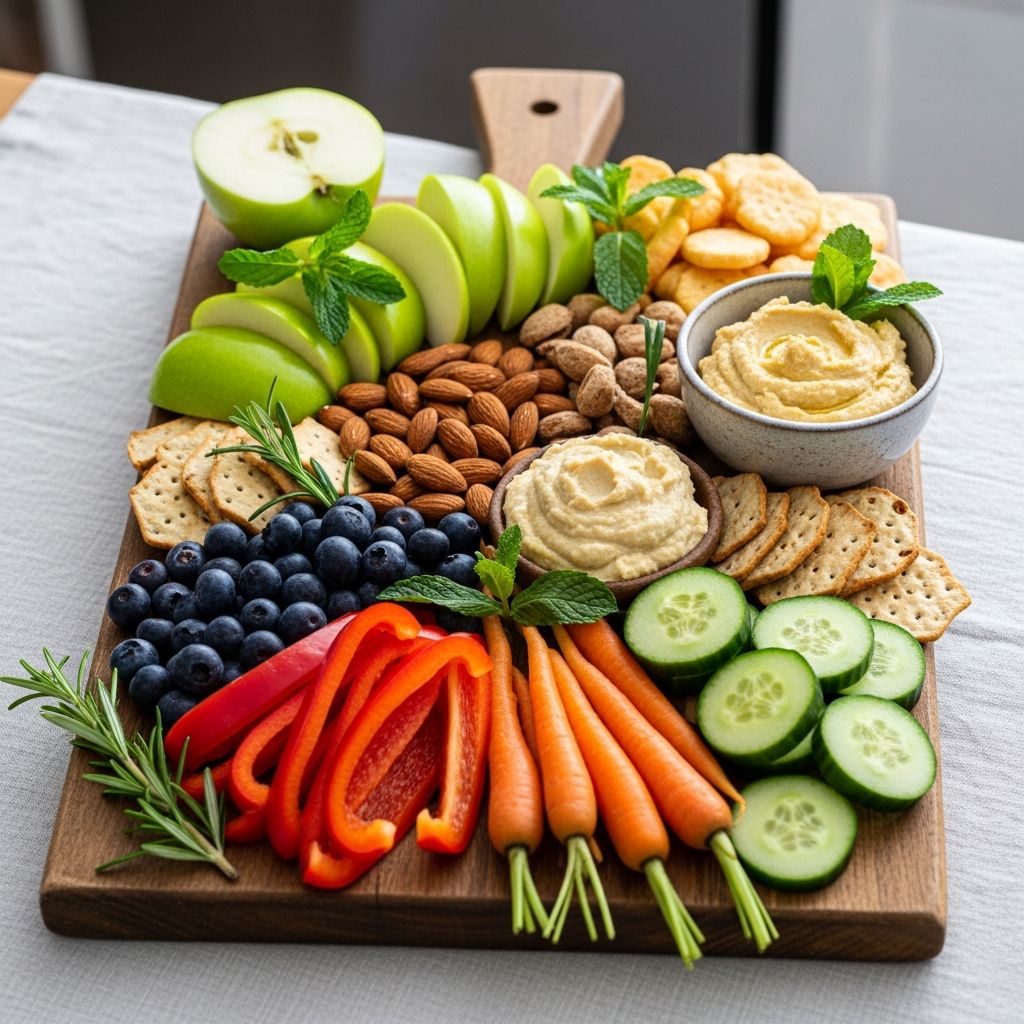
Crunchy veggies (carrots, celery, bell peppers) paired with hummus or nut butter add volume with low calories. Increase portions to enhance intake without weight gain.
Whole Grain Snacks
**Popcorn** (air-popped) is a low-calorie, high-fiber winner at 30 calories per cup. Season with herbs, not butter. Oat-based energy balls or whole-grain crackers fit clean criteria.
30 Clean-Eating Snack Recipes and Ideas
Here are
30 simple, nutritious snack ideas
inspired by registered dietitians, focusing on whole foods for convenience and flavor. Each is quick to prepare, portable, and aligned with clean-eating principles.- Apple Slices with Almond Butter: 1 apple + 1 tbsp almond butter (200 cal, high fiber/protein).
- Greek Yogurt with Berries: 6 oz yogurt + ½ cup berries (150 cal).
- Handful of Mixed Nuts: 1 oz almonds/walnuts (170 cal).
- Carrot Sticks with Hummus: 1 cup carrots + 2 tbsp hummus (120 cal).
- Prune Energy Bites: 4 prunes + 1 tbsp nuts, blended (100 cal).
- Celery with Peanut Butter: 2 stalks + 1 tbsp PB (150 cal).
- Air-Popped Popcorn: 3 cups plain (90 cal).
- Chia Pudding: 2 tbsp chia + ½ cup almond milk (120 cal).
- Banana with Walnuts: ½ banana + 5 walnuts (160 cal).
- Cucumber Slices with Tzatziki: 1 cup cukes + 2 tbsp yogurt dip (80 cal).
- Hard-Boiled Egg with Veggies: 1 egg + cherry tomatoes (100 cal).
- Oatmeal Thumbprint Cookies: Oats, banana, nut butter (clean version, 120 cal each).
- Edamame Pods: ½ cup steamed (100 cal, protein-packed).
- Pear with Cheese Stick: 1 pear + 1 oz low-fat cheese (180 cal).
- Zucchini Chips: Baked with herbs (50 cal/serving).
- Cottage Cheese with Pineapple: ½ cup cottage + ¼ cup pineapple (140 cal).
- Trail Mix: Nuts, seeds, dried fruit (no sugar, 1/4 cup=150 cal).
- Bell Pepper with Guacamole: 1 pepper + 2 tbsp guac (110 cal).
- Kiwi with Pumpkin Seeds: 2 kiwis + 1 tbsp seeds (130 cal).
- Roasted Chickpeas: ½ cup spiced (140 cal, fiber-rich).
- Strawberries with Yogurt Dip: 1 cup berries + ¼ cup yogurt (100 cal).
- Sweet Potato Toast: Toasted slice + avocado (160 cal).
- Cherry Tomatoes with Mozzarella: 10 tomatoes + 1 oz cheese (120 cal).
- Orange Segments with Pistachios: 1 orange + 1 tbsp pistachios (140 cal).
- Kale Chips: Baked kale (40 cal/serving).
- Quinoa Salad Bites: Cooked quinoa + veggies (mini portions, 100 cal).
- Blueberry Almond Smoothie: Blend ½ cup berries, yogurt, almonds (180 cal).
- Radishes with Sea Salt: 8 radishes (20 cal).
- Pumpkin Seeds: 1 oz roasted (150 cal).
- Avocado on Rice Cake: ¼ avocado + whole-grain cake (120 cal).
These recipes emphasize variety: rotate to prevent boredom and ensure balanced nutrients. Prep in advance for grab-and-go ease.
Snack Portion Guide and Calorie Table
| Snack | Serving Size | Calories | Protein (g) | Fiber (g) |
|---|---|---|---|---|
| Nuts | 1 oz | 160-185 | 4-6 | 3-4 |
| Greek Yogurt | 6 oz | 100-150 | 15-20 | 0 |
| Prunes | 4-6 | 100 | 1 | 3 |
| Popcorn | 3 cups | 90 | 3 | 3 |
| Veggies + Dip | 1 cup + 2 tbsp | 100-150 | 4 | 4 |
Data adapted from satiety research; adjust for personal needs.
Frequently Asked Questions (FAQs)
Q: Do clean-eating snacks help with weight loss?
A: Yes, high-protein/fiber snacks like nuts and yogurt promote satiety, reducing overall calorie intake at meals.
Q: How often should I snack on a clean-eating diet?
A: 1-2 times daily, based on hunger cues, to maintain energy without overeating.
Q: Are nuts too high in calories for snacking?
A: No, their satiety effect offsets calories; stick to 1 oz portions.
Q: Can I eat snacks while watching TV?
A: Better to avoid distractions for mindful eating and proper portion control.
Q: What’s the best high-satiety snack?
A: Protein-focused options like Greek yogurt or prunes outperform others.
Meal Prep Tips for Clean Snacks
Batch-prep on weekends: portion nuts into bags, chop veggies, make yogurt parfaits. Store in airtight containers for 3-5 days. This combats processed snack temptations.
In summary, clean-eating snacks transform midday munchies into nutrient powerhouses. By prioritizing whole foods, you enhance satiety, nutrition, and well-being effortlessly.
References
- Snack Food, Satiety, and Weight — Johnston EA et al., National Institutes of Health (PMC). 2016-08-01. https://pmc.ncbi.nlm.nih.gov/articles/PMC5015032/
- 30 Healthy Snack Ideas from Registered Dietitians — American Institute for Cancer Research (AICR). 2023-10-12. https://www.aicr.org/resources/blog/30-healthy-snack-ideas-from-registered-dietitians/
- Dietary Guidelines for Americans, 2020-2025 — U.S. Department of Health and Human Services (HHS.gov). 2020-12-01. https://www.dietaryguidelines.gov/
- Protein Leverage Hypothesis and Snacks — Simpson SJ et al., University of Sydney (peer-reviewed). 2022-05-15. https://doi.org/10.1113/JP283291
- Whole Grains and Satiety — Slavin J, University of Minnesota (.edu). 2019-03-20. https://pmc.ncbi.nlm.nih.gov/articles/PMC6839833/
Similar Articles








Read full bio of medha deb