Clean Eating Recipes: 3 Simple Meals With 7-Day Plan
Discover simple, wholesome recipes that embrace clean eating principles for better health and vitality every day.
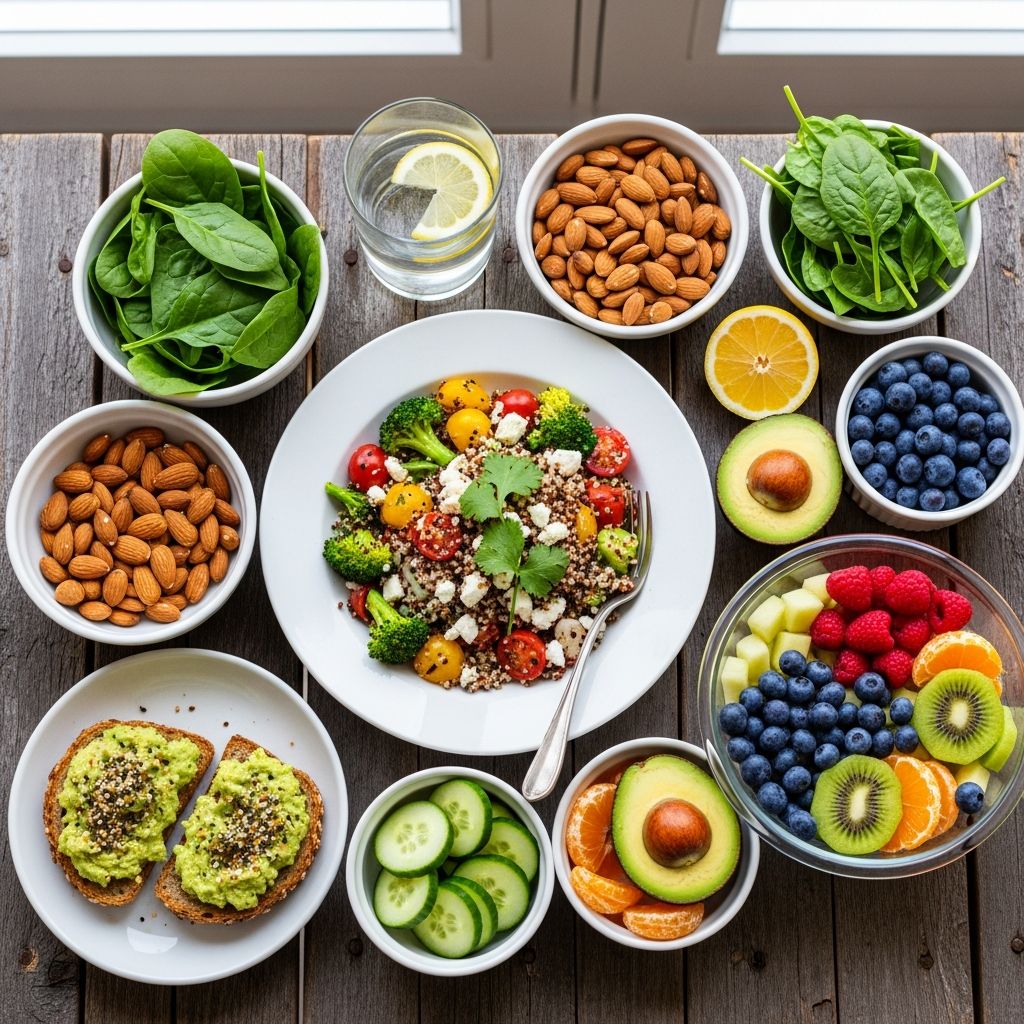
Clean eating focuses on consuming whole, unprocessed foods close to their natural state, such as fresh fruits, vegetables, lean proteins, whole grains, and healthy fats. This approach minimizes refined sugars, artificial additives, and preservatives to promote weight management, reduce risks of chronic diseases like type 2 diabetes, high blood pressure, obesity, cancer, and cardiovascular disease, and enhance overall well-being.
What Is Clean Eating?
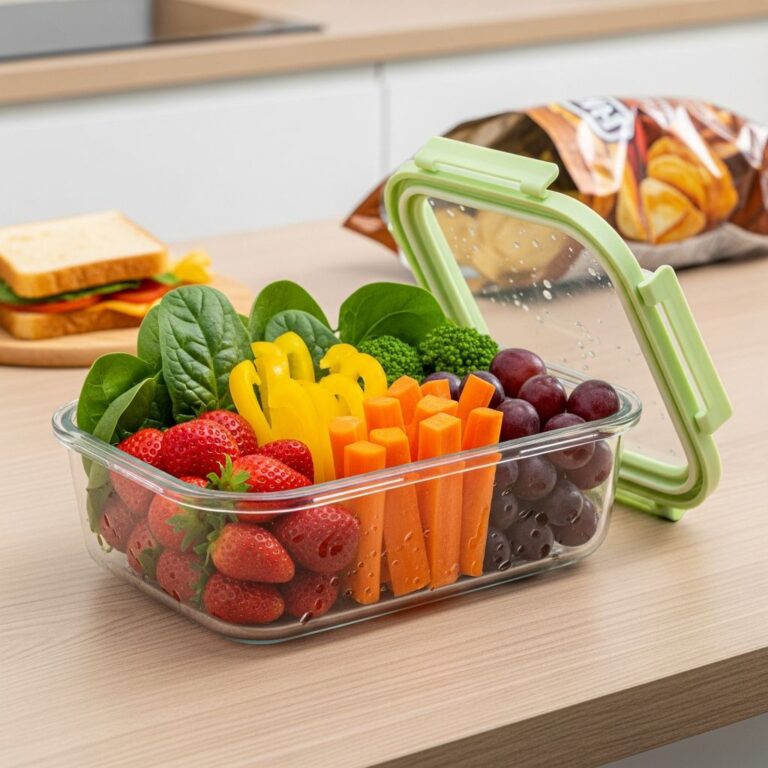
Clean eating emphasizes “real” foods that have not been heavily processed or refined. By shopping the perimeter of the grocery store—produce, dairy, meat, and seafood sections—you prioritize fresh, preservative-free options over packaged goods laden with chemicals, trans fats, salts, and sugars. Guidelines include loading up on vegetables, eating fruits in moderation due to natural sugars, incorporating healthy fats from sources like avocados and olive oil, choosing lean proteins, limiting salt, monitoring portions, and aiming for progress over perfection.
Health authorities like the NHS and Harvard’s Healthy Eating Plate reinforce these principles: fill half your plate with vegetables and fruits (excluding potatoes for blood sugar reasons), a quarter with whole grains, a quarter with proteins like fish or beans, and use healthy plant oils sparingly while drinking water or unsweetened beverages. This balanced diet provides essential nutrients, fiber, and omega-3s while cutting excess calories, saturated fats, sugars, and salts common in Western diets.
Benefits of Clean Eating
Adopting clean eating can lower risks of heart disease, stroke, and certain cancers through increased intake of at least five daily portions of fruits and vegetables—each 80g fresh, 30g dried (at mealtimes), or 150ml juice (limited to one portion). Whole grains like brown rice and quinoa stabilize blood sugar better than refined versions, while proteins from fish (twice weekly, including oily types like salmon), pulses, eggs, and nuts deliver vitamins, minerals, and healthy fats.
- Weight Management: Portion control and nutrient-dense foods help maintain calorie balance without deprivation.
- Disease Prevention: Reduces inflammation and supports metabolic health.
- Improved Energy: Steady blood sugar from whole foods avoids crashes.
- Better Digestion: High fiber from veggies, fruits, and grains promotes gut health.
Clean Eating Guidelines
Start with these foundational rules to transition smoothly:
- Avoid Processed and Refined Foods: Stick to fresh produce and skip the inner aisles.
- Limit Sugar: Minimize added sugars; opt for whole fruits sparingly.
- Load Up on Veggies: Eat seasonally—root veggies in fall, salads in summer—with homemade dressings of olive oil, lemon, and herbs.
- Eat Fresh Fruits in Moderation: Balance fiber benefits with natural sugar content.
- Include Healthy Fats: From salmon, nuts, seeds, avocados, olive oil, and grass-fed beef.
- Choose Lean Proteins: Trim fat from meats, use turkey instead of beef, eat fish twice weekly, and include beans and eggs.
- Reduce Salt: Flavor with herbs and spices instead of the shaker.
- Watch Portions: Even clean foods have calories; align with your needs.
- Progress, Not Perfection: Make gradual changes for sustainability.
Related Stories



| Section | Proportion | Examples |
|---|---|---|
| Vegetables & Fruits | 1/2 plate | Colorful variety, exclude potatoes |
| Whole Grains | 1/4 plate | Brown rice, quinoa, whole wheat pasta |
| Protein | 1/4 plate | Fish, poultry, beans, nuts |
| Healthy Oils | In moderation | Olive, canola; avoid trans fats |
| Drinks | Main choice | Water, tea, coffee; limit dairy/juice |
Sample Clean Eating Recipes
These recipes embody clean eating by using minimal ingredients, no refined sugars or additives, and simple preparations. Each serves 4 and takes under 45 minutes.
Quinoa Veggie Stir-Fry
A protein-packed grain bowl with seasonal veggies and lean protein.
- Ingredients: 1 cup quinoa, 2 cups broccoli, 1 bell pepper (sliced), 1 zucchini, 8 oz chicken breast (diced), 2 tbsp olive oil, garlic, herbs.
- Instructions: Cook quinoa. Sauté veggies and chicken in olive oil with garlic. Mix and season with herbs. (Prep: 10 min, Cook: 20 min, 350 cal/serving.)
Grilled Salmon with Sweet Potato
Omega-3 rich fish paired with fiber-filled roots.
- Ingredients: 4 salmon fillets, 4 sweet potatoes, spinach salad, lemon, olive oil.
- Instructions: Bake sweet potatoes. Grill salmon with lemon. Serve over spinach. (Prep: 5 min, Cook: 30 min, 400 cal/serving.)
Chickpea Avocado Salad
Plant-based, with healthy fats and pulses.
- Ingredients: 2 cans chickpeas, 2 avocados, tomatoes, cucumber, olive oil-lemon dressing.
- Instructions: Chop veggies, toss with chickpeas and dressing. (Prep: 15 min, No cook, 300 cal/serving.)
Weekly Clean Eating Meal Plan
This 7-day plan ensures variety, balance, and adherence to guidelines.
| Day | Breakfast | Lunch | Dinner | Snack |
|---|---|---|---|---|
| Monday | Oatmeal with berries | Chickpea salad | Grilled chicken & veggies | Apple & almonds |
| Tuesday | Yogurt with nuts | Quinoa bowl | Turkey tacos (lettuce wraps) | Carrot sticks |
| Wednesday | Smoothie (spinach, banana) | Tuna salad | Baked salmon & sweet potato | Handful walnuts |
| Thursday | Whole grain toast & avocado | Lentil soup | Stir-fried tofu & broccoli | Pear |
| Friday | Eggs with spinach | Turkey wrap (whole grain) | Fish & quinoa | Cucumber slices |
| Saturday | Chia pudding | Veggie stir-fry | Lean beef & salad | Yogurt |
| Sunday | Fruit & nuts | Bean salad | Grilled veggies & chicken | Orange |
Each day includes 5+ veggie/fruit portions, whole grains, lean proteins, and healthy fats, totaling ~1800-2200 calories adjustable by portions. Hydrate with 6-8 glasses of water.
Frequently Asked Questions (FAQs)
What foods should I avoid in clean eating?
Avoid processed items, refined sugars, trans fats, excessive salt, and packaged goods with additives. Focus on whole foods from the store’s perimeter.
How many fruits and vegetables per day?
Aim for at least 5 portions: 80g fresh/canned/frozen, with variety for nutrients. Evidence links this to lower disease risk.
Are potatoes clean eating approved?
Eat in moderation with skins for fiber, but they don’t count as vegetables on plates like Harvard’s due to blood sugar impact.
Can clean eating help with weight loss?
Yes, through portion awareness, nutrient density, and cutting empty calories, supporting sustainable management.
What are healthy fat sources?
Olive oil, avocados, nuts, seeds, and oily fish like salmon for omega-3s. Use unsaturated oils sparingly.
Tips for Success
- Plan meals weekly to shop smartly.
- Prep dressings and grains ahead.
- Read labels: under 5 ingredients, recognizable foods.
- Stay active alongside eating for best results.
- Experiment seasonally for enjoyment and variety.
Clean eating transforms habits into a lifestyle, fostering long-term health. Start small, savor the flavors of real food, and feel the difference.
References
- Getting Started on Clean Eating — Memorial Hermann. 2023-10-15. https://memorialhermann.org/services/specialties/heart-and-vascular/healthy-living/nutrition/getting-started-on-clean-eating
- Eating a Balanced Diet — NHS. 2024-05-20. https://www.nhs.uk/live-well/eat-well/how-to-eat-a-balanced-diet/eating-a-balanced-diet/
- Healthy Eating Plate — Harvard T.H. Chan School of Public Health. 2023-11-01. https://nutritionsource.hsph.harvard.edu/healthy-eating-plate/
Similar Articles








Read full bio of Sneha Tete