Cleansing Conditioner: 6 Simple Steps For Gentle Co-Washing
Discover the benefits, how to use, and best products for cleansing conditioners that gently clean and condition hair without harsh detergents.
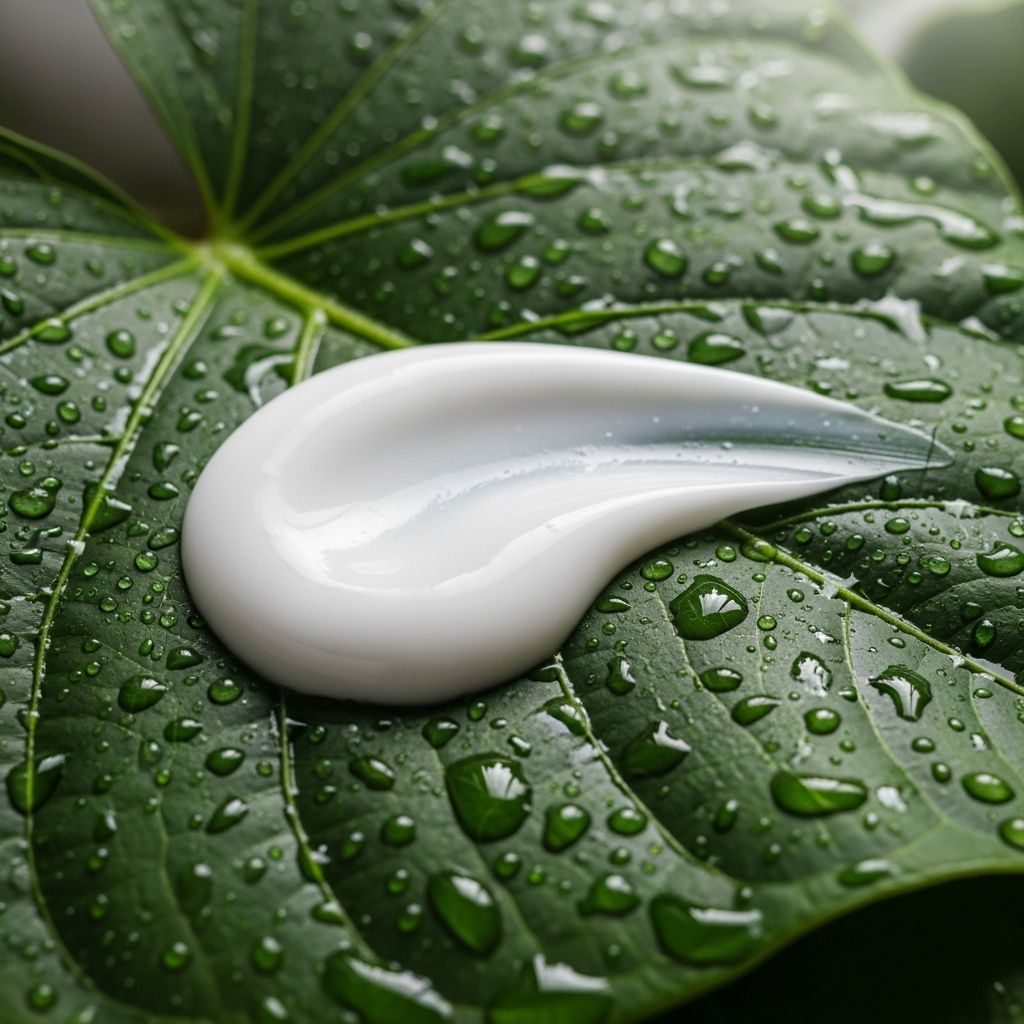
Cleansing conditioners, also known as co-wash products, combine the cleansing power of shampoo with the nourishing effects of conditioner in a single, gentle formula free from harsh detergents and sulfates. These products have gained popularity for preserving hair’s natural oils while effectively removing dirt and buildup, making them ideal for those seeking a milder hair washing routine.
What Is a Cleansing Conditioner?
A
cleansing conditioner
is a hybrid hair care product designed to clean strands without stripping essential moisture. Unlike traditional shampoos that rely on foaming agents like sulfates, which can dry out hair, cleansing conditioners use mild, nonionic surfactants such as cetyl alcohol to gently remove impurities while simultaneously conditioning, detangling, and adding shine.The concept stems from the “no-poo” or “co-washing” movement, where “co-washing” stands for conditioner washing. This method avoids detergent-based shampoos to prevent the depletion of natural sebum, the hair’s protective oils. Instead, these formulas envelop the hair fiber, smoothing away dirt without harsh scrubbing.
Key ingredients often include nourishing oils like camellia or shea butter, cationic polymers for detangling, and emollients that hydrate without residue buildup when used correctly. Research highlights that nonionic surfactants in co-wash products have low cleansing strength but high conditioning properties, making them suitable for sensitive scalps.
Who Should Use a Cleansing Conditioner?
**Cleansing conditioners** suit a wide range of hair types and concerns, particularly those prone to dryness, damage, or buildup. They are especially beneficial for:
- Curly or textured hair: Preserves natural oils to define curls and reduce frizz.
- Dry, damaged, or color-treated hair: Provides hydration without further stripping, ideal post-keratin treatments or thermal styling.
- Fine or brittle strands: Gently cleanses without weighing down or causing flyaways.
- Chemically processed hair: Low-foaming action protects weakened structures from additional damage.
- Those with sensitive scalps: Avoids irritants in traditional shampoos.
Individuals experiencing product buildup, excessive dryness from frequent shampooing, or seeking a simplified routine will find relief. Celebrity stylist George Papanikolas notes that over-shampooing leads to unmanageability, and cleansing conditioners restore softness and texture over time.
Benefits of Cleansing Conditioners
The advantages of switching to
cleansing conditioners
are numerous, backed by user experiences and dermatological insights:- Preserves natural oils: Unlike shampoos that strip sebum, these maintain scalp balance for healthier, shinier hair.
- Reduces dryness and damage: Gentle cleansing prevents further breakage in heat- or chemically-treated hair.
- Simplifies routines: One-step wash cuts time while delivering cleanse, condition, detangle, and shine.
- Improves manageability: Softer, fuller hair with defined texture, especially for curly types.
- Sulfate-free gentleness: Minimizes irritation and supports wellness-focused hair care.
Studies on co-washing affirm its gentleness, noting reduced deposition of damaging complexes from mixed shampoo-conditioner use.
How to Use a Cleansing Conditioner
Related Stories



Using a
cleansing conditioner
mimics shampoo application but with extra hydration:- Wet hair thoroughly: Loosen dirt with warm water.
- Apply product: Massage a dollop into scalp and lengths; no lather expected.
- Massage and distribute: Work evenly from roots to ends for 1-2 minutes.
- Leave on if needed: For dry hair, let sit 1-2 minutes for deeper conditioning.
- Rinse well: Use cool water to seal cuticles and enhance shine.
- Follow up optionally: Add regular conditioner or style as usual.
Frequency: 2-3 times weekly, alternating with clarifying shampoo monthly to prevent buildup. For in-between refreshes, use instead of dry shampoo to remove oil without residue.
Best Cleansing Conditioners
Here are top-recommended
cleansing conditioners
for various needs:| Product | Best For | Key Benefits | Price (MSRP) |
|---|---|---|---|
| Shu Uemura Art Of Hair Essence Absolue Cleansing Milk Conditioner | Parched, brittle hair | Camellia oil hydrates, smooths impurities | $58 |
| ApotheCARE Essentials Replenisher Cleansing Conditioner | Buildup removal | Locks in moisture, smooths | N/A |
| Love Beauty and Planet Shea Butter & Sandalwood Cleansing Conditioner | Super dry hair | Deep hydration for treated hair | N/A |
| L’Oréal Paris EverPure Cleansing Balm | All hair types, color-treated | 6-in-1: cleanses, conditions, detangles, shines | N/A |
Consult a professional before fully replacing shampoo.
Potential Risks and Considerations
While beneficial,
cleansing conditioners
aren’t foolproof. The FDA issued a 2016 safety alert for Wen by Chaz Dean products after 127 complaints of hair loss, bald spots, itching, and rashes, plus 21,000 lawsuit allegations—record numbers for cosmetics. Co-washing risks buildup from nonionic surfactants unable to remove silicones fully, trapping residues under cuticles.Avoid if prone to scalp issues; use clarifying shampoos periodically. Not for oily scalps needing strong cleanse.
Frequently Asked Questions (FAQs)
Can cleansing conditioners replace shampoo entirely?
Yes for most, especially dry/curly hair, but clarify monthly to avoid buildup.
Do cleansing conditioners lather?
No, their low-foam formula is by design for gentleness.
Are they safe for color-treated hair?
Sulfate-free options like EverPure are ideal, protecting vibrancy.
Can they cause hair loss?
Rarely; FDA noted issues with specific brands like Wen, but proper use minimizes risks.
How often should I co-wash?
2-3 times weekly, adjusting for hair type.
Conclusion
**Cleansing conditioners** revolutionize hair care by offering a gentle, effective alternative to traditional routines, promoting healthier, hydrated locks for diverse needs. Balance usage with occasional clarifying for optimal results.
References
- Everything You Need To Know About Cleansing Conditioners — Hair.com. Accessed 2026. https://www.hair.com/cleansing-conditioners.html
- Co-Washing Hair: How to Use Cleansing Conditioners — All Things Hair. Accessed 2026. https://www.allthingshair.com/en-us/hair-care/washing-hair/co-washing-hair-how-to-use/
- Cleansing Conditioner: Why you need No-Poo Shampoo — Matrix. Accessed 2026. https://www.matrix.com/blog/cleansing-conditioner-the-best-5-reasons-why-you-need-no-poo-shampoo
- FDA issues safety alert for hair conditioner — FOX6 Milwaukee. 2016-01-14. https://www.fox6now.com/news/fda-issues-safety-alert-for-hair-conditioner-after-record-number-of-complaints
- What Is Co-Washing? An Intro to Cleansing Conditioner — L’Oréal Paris. Accessed 2026. https://es.lorealparisusa.com/revista-de-belleza/cuidado-capilar/todos-los-tipos-de-cabello/cleansing-conditioner
- Pro and Contra of Cleansing Conditioners — PMC – NIH. 2019-05-20. https://pmc.ncbi.nlm.nih.gov/articles/PMC6489037/
- Can cleansing conditioner really cause hair loss? — Fox News. Accessed 2026. https://www.foxnews.com/health/can-cleansing-conditioner-really-cause-hair-loss
Similar Articles








Read full bio of medha deb