Clear Braces: Types, Benefits & How To Clean
Discover how clear braces straighten teeth discreetly with effective orthodontic treatment.
Understanding Clear Braces
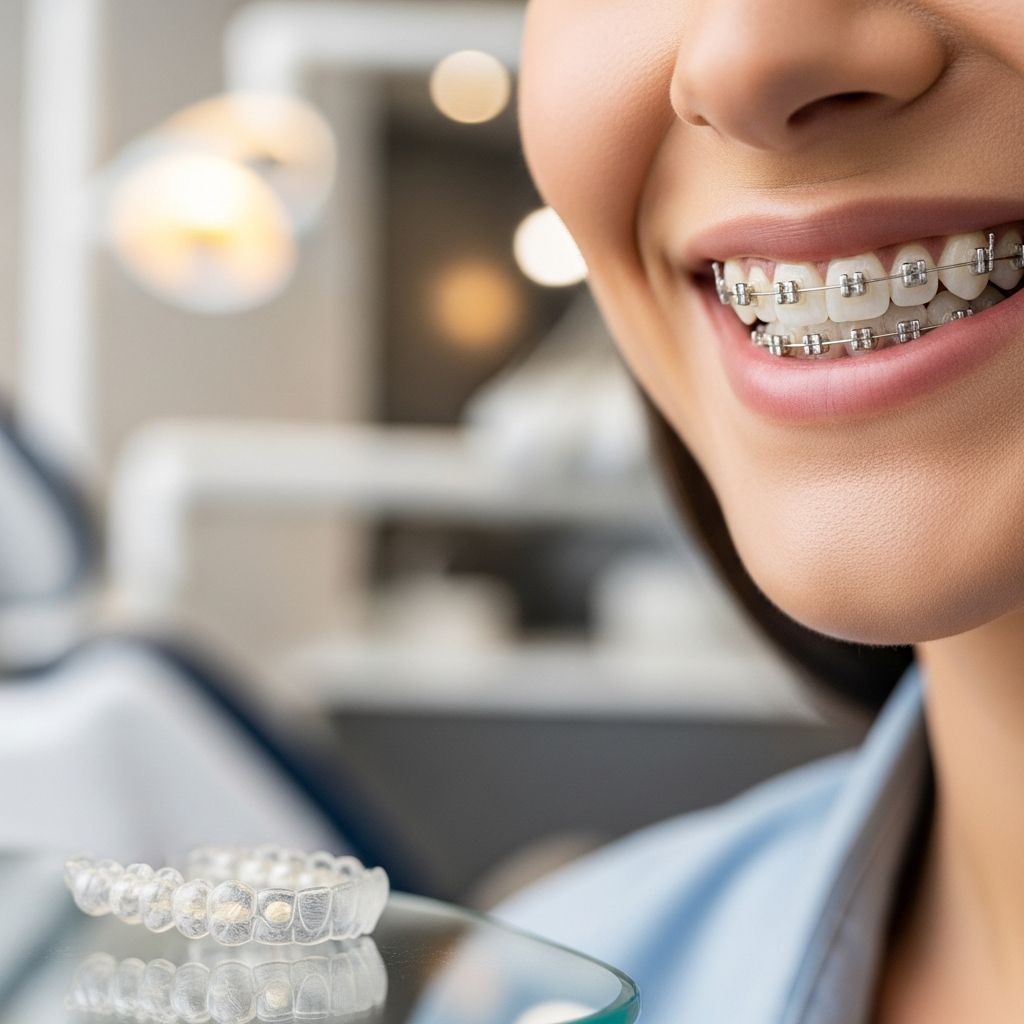
Clear braces represent an advanced orthodontic treatment option designed to straighten teeth while maintaining a discreet appearance. These braces utilize tooth-colored materials instead of the traditional metal components found in conventional braces, making them significantly less noticeable to others. Whether you’re an adult seeking a more subtle approach to orthodontic treatment or a teenager conscious about your appearance during the correction process, clear braces offer a practical solution that combines effectiveness with aesthetic appeal.
Clear braces function similarly to traditional metal braces in terms of their mechanical approach to teeth straightening. However, the use of tooth-colored ceramic brackets and wires makes them blend seamlessly with your natural tooth color. This cosmetic advantage has made clear braces increasingly popular among patients who want to improve their smile without drawing attention to their orthodontic treatment.
What Clear Braces Can Correct
Clear braces are versatile orthodontic devices capable of addressing a wide range of dental misalignment issues. Your orthodontist can recommend clear braces to correct various orthodontic problems that affect both the appearance and function of your teeth. The following conditions can be effectively treated with clear braces:
- Crooked teeth that detract from your smile
- Crowded teeth that overlap or create spacing issues
- Gapped teeth with noticeable spaces between them
- Overlapped teeth that compromise dental alignment
- Overbites where upper teeth extend too far forward
- Underbites where lower teeth protrude beyond upper teeth
- Bite alignment issues affecting chewing and speaking
By addressing these misalignment issues, clear braces not only enhance your smile’s appearance but also contribute significantly to your overall oral health and function. Properly aligned teeth are easier to clean, reducing the risk of cavities and gum disease. Additionally, correct alignment improves chewing efficiency and can alleviate speech difficulties related to dental positioning.
Effectiveness of Clear Braces
Many patients wonder whether clear braces deliver results comparable to traditional metal braces. The answer is definitively yes—clear braces are just as effective as traditional metal braces in straightening teeth and correcting orthodontic issues. The primary difference lies in the materials used rather than the treatment mechanism itself.
Both clear and metal braces apply controlled pressure to gradually move teeth into proper alignment. The ceramic brackets and tooth-colored wires used in clear braces are engineered to withstand the same forces and pressures as metal components. Therefore, your final results will be equally impressive, regardless of which type of braces you choose.
One consideration to note is that clear braces may occasionally require a slightly longer treatment duration compared to metal braces. This extended timeline typically results from the specific properties of ceramic materials and their interaction with the archwire system. However, the difference is usually minimal and varies depending on individual cases and the severity of the orthodontic issues being addressed.
Related Stories



The Clear Braces Treatment Process
Initial Consultation and Examination
Your journey toward a straighter smile begins with a comprehensive consultation with a dentist or orthodontist. During this initial appointment, the dental professional will examine your oral health thoroughly to determine your eligibility for clear braces. This examination is crucial because certain pre-existing conditions must be addressed before braces can be applied.
If you have extensive tooth decay, active gum disease, or gum recession, your dentist will recommend treating these issues first. Attaching braces to teeth or gums that aren’t in optimal health can lead to complications and compromise your treatment results. Once your mouth is healthy and ready, your dentist will likely refer you to an orthodontist who specializes in teeth straightening.
Application of Clear Braces
The placement of clear braces involves several precise steps performed by your orthodontist. First, your orthodontist will bond clear ceramic brackets directly to the front surface of each tooth using a special dental cement. These brackets serve as anchors for the archwire system.
Once all brackets are securely in place, your orthodontist attaches a tooth-colored wire to these brackets. This archwire is the component that applies gentle, consistent pressure to move your teeth toward their ideal positions. To keep the archwire firmly anchored, your orthodontist uses metal bands placed on your back molars. Finally, clear elastics are added to your brackets to maintain tension on the wire and facilitate tooth movement.
How Long Does Treatment Take?
The duration of clear braces treatment varies significantly depending on the complexity of your orthodontic issues and your individual tooth movement response. On average, clear braces treatment takes between 12 months and 36 months to achieve desired results. In comparison, traditional metal braces typically require an average of 20 months for complete treatment.
Several factors influence your specific treatment timeline:
- The severity of your initial misalignment
- The number of teeth requiring correction
- Your age and bone density
- Your compliance with wearing instructions
- Your body’s natural response to orthodontic forces
- The specific bite problems being corrected
During your orthodontic treatment, regular visits to your orthodontist are essential. These appointments typically occur every 4-8 weeks and allow your orthodontist to monitor your progress, make necessary adjustments, and ensure your teeth are moving along the planned treatment timeline. Your orthodontist will discuss your specific treatment duration during your initial consultation after examining your teeth and reviewing your treatment plan.
Lifestyle Considerations with Clear Braces
Foods to Avoid
During your clear braces treatment, your orthodontist will provide specific dietary guidelines to protect your braces and maintain treatment progress. Certain foods can damage your brackets, wires, or elastics, potentially extending your treatment duration or causing discomfort.
Foods to avoid include hard candies, sticky candies, popcorn, nuts, hard pretzels, crunchy ice, and chewy foods like caramel or taffy. Additionally, you should be cautious with very hot foods and beverages that might affect the dental cement. Your orthodontist will provide you with a comprehensive list of foods to avoid and safe alternatives to maintain proper nutrition during treatment.
Oral Hygiene During Treatment
Maintaining excellent oral hygiene is critical when wearing clear braces. Throughout your treatment, you must continue practicing good dental habits to prevent tooth decay and gum disease. Proper oral hygiene helps ensure that your teeth remain healthy during the straightening process and that your final results are optimal.
Brush your teeth carefully at least twice daily, using a soft-bristled toothbrush and fluoride toothpaste. Pay special attention to cleaning around your brackets and wires, as food particles can easily accumulate in these areas. Flossing is more challenging with braces but remains important—consider using special floss threaders designed for patients with braces, or use a water flosser as an alternative.
Cleaning Your Clear Braces
Daily Cleaning Routine
Keeping your clear braces clean requires a dedicated daily routine to maintain both your braces and your natural teeth. Begin by gently rinsing your mouth with warm water to loosen any food debris. Then, carefully brush around each bracket and wire using gentle circular motions. Hold your toothbrush at a 45-degree angle to the tooth surface to effectively clean the area where your bracket meets your tooth.
After brushing, use dental floss or a water flosser to clean between your teeth. If you’re using traditional floss, thread it carefully through the space between your teeth and under the archwire. Move the floss gently up and down to remove plaque and food particles. Rinse thoroughly with water or an antimicrobial rinse designed for braces.
Specialized Cleaning Products
Several products can enhance your braces cleaning routine. Interdental brushes—small brushes designed to clean between teeth and around brackets—are particularly useful. Waterpiks or water flossers provide an effective alternative to traditional flossing, especially for patients with braces. Antimicrobial rinses can help reduce plaque buildup and maintain fresh breath throughout your treatment.
Your orthodontist may recommend specific cleaning products tailored to your needs. Professional cleanings at your dentist’s office during your regular checkups will remove any tartar buildup that home care cannot address. These professional cleanings typically occur every six months during your braces treatment.
Advantages of Choosing Clear Braces
Clear braces offer numerous advantages that make them an attractive option for many patients seeking orthodontic treatment. The most obvious benefit is their aesthetic appeal—they’re significantly less noticeable than metal braces, allowing you to maintain your confidence during the treatment process. Whether you’re in a professional environment or simply prefer a more discreet appearance, clear braces provide an excellent solution.
Beyond aesthetics, clear braces deliver the same level of treatment effectiveness as traditional braces. They can correct even complex orthodontic issues with predictable, reliable results. Additionally, the ceramic materials used in clear braces are durable and resistant to staining when properly maintained.
Clear braces also offer psychological benefits. Patients who feel self-conscious about visible metal braces often show improved compliance with treatment guidelines when wearing clear braces. This increased compliance leads to better results and can sometimes reduce overall treatment duration.
Health Benefits Beyond Aesthetics
While the cosmetic improvement is obvious, clear braces provide substantial oral health benefits. When teeth are properly aligned, they become much easier to clean, significantly reducing your risk of cavities and gum disease. Crowded or overlapped teeth create spaces where food and bacteria can accumulate, making thorough cleaning nearly impossible.
Proper alignment also improves your bite function, reducing stress on your jaw joint and muscles. This can alleviate or prevent temporomandibular joint (TMJ) disorders. Additionally, correctly aligned teeth improve chewing efficiency, promoting better digestion and overall nutrition. Speech clarity may also improve if your misalignment was affecting your pronunciation.
Is Clear Braces Right for You?
Clear braces represent an excellent treatment option for many patients, but they’re not necessarily right for everyone. Factors such as the complexity of your orthodontic issues, your age, your commitment to maintaining them, and your budget all play roles in determining whether clear braces are appropriate for you.
The best way to determine if clear braces are right for you is to schedule a consultation with a dentist or orthodontist. During this appointment, the professional will evaluate your specific situation, discuss your treatment goals, and recommend the most appropriate orthodontic solution. If you have questions or concerns about clear braces or other treatment options, don’t hesitate to ask—your orthodontist is there to help you make the best decision for your smile.
Aftercare and Retention
Once your clear braces treatment is complete and your teeth have reached their ideal positions, your orthodontist will remove your braces. This marks an important milestone, but your orthodontic journey doesn’t end there. To maintain your beautiful new smile and prevent your teeth from shifting back to their original positions, your orthodontist will fit you with a custom retainer.
Retainers are essential for long-term success. You’ll typically wear your retainer full-time initially, then transition to nighttime wear for years to come. Your orthodontist will provide specific instructions regarding how long and how often to wear your retainer. Consistent retainer use ensures that your investment in orthodontic treatment provides lasting results.
Frequently Asked Questions
Q: Are clear braces as effective as metal braces?
A: Yes, clear braces are just as effective as metal braces in correcting orthodontic issues. The primary difference is the material used, not the treatment mechanism. Both work by applying gentle, consistent pressure to move teeth into proper alignment.
Q: How long does clear braces treatment typically take?
A: Clear braces treatment generally takes between 12 to 36 months, with an average of around 18-24 months depending on the complexity of your case. Metal braces typically average 20 months, so the difference is usually minimal.
Q: Can I eat normally with clear braces?
A: You’ll need to avoid certain hard, sticky, and crunchy foods that can damage your braces. However, you can eat a wide variety of soft and nutritious foods. Your orthodontist will provide a specific list of foods to avoid and safe alternatives.
Q: How do I clean clear braces?
A: Brush carefully around your brackets and wires at least twice daily. Use floss or a water flosser to clean between teeth. Specialized interdental brushes and antimicrobial rinses can enhance your cleaning routine. Regular professional cleanings at your dentist’s office are also important.
Q: Will I need a retainer after my clear braces are removed?
A: Yes, your orthodontist will fit you with a custom retainer after your braces are removed. Consistent retainer use is essential to maintain your results and prevent your teeth from shifting back to their original positions.
Q: Are clear braces more expensive than metal braces?
A: Clear braces are typically more expensive than traditional metal braces due to the specialized ceramic materials and aesthetic advantages they provide. However, costs vary by orthodontist and your specific treatment plan.
Q: Do clear braces require more maintenance than metal braces?
A: Maintenance requirements are similar to metal braces. However, clear brackets may require slightly more careful cleaning to prevent discoloration and maintain their appearance. Proper brushing and flossing techniques help preserve both the braces and your teeth.
Q: Can I get clear braces if I have gum disease?
A: If you have active gum disease or other significant dental health issues, these must be treated before clear braces can be applied. Your dentist will address these concerns first to ensure the success of your orthodontic treatment.
References
- Clear Braces: Types, Benefits & How To Clean — Cleveland Clinic. 2024. https://my.clevelandclinic.org/health/treatments/23568-clear-braces
- Braces: Types & How They Work — Cleveland Clinic. 2024. https://my.clevelandclinic.org/health/treatments/24601-teeth-braces
- What Is Orthodontics? — Cleveland Clinic. 2024. https://my.clevelandclinic.org/health/treatments/24285-orthodontics
- Invisalign vs. ClearCorrect vs. Traditional Braces — CDI Ohio. January 2025. https://cdiohio.org/2025/01/invisalign-vs-clearcorrect-vs-traditional-braces/
- Clear Aligners — Chaska Family Dental. 2024. https://www.chaskafamilydental.com/knowledge-base/clear-aligners
- Invisalign Treatment or Clear Correct Braces in Cleveland, Ohio — Weiss and Tor Orthodontics. 2024. https://weissandtorortho.com/clear-correct-braces-or-invisalign-treatment-what-is-the-difference/
Similar Articles








Read full bio of Sneha Tete