Clear Vision with Masks: Defog Glasses Now
Master proven strategies to eliminate foggy glasses under face masks and enjoy sharp, unobstructed sight every time you mask up.
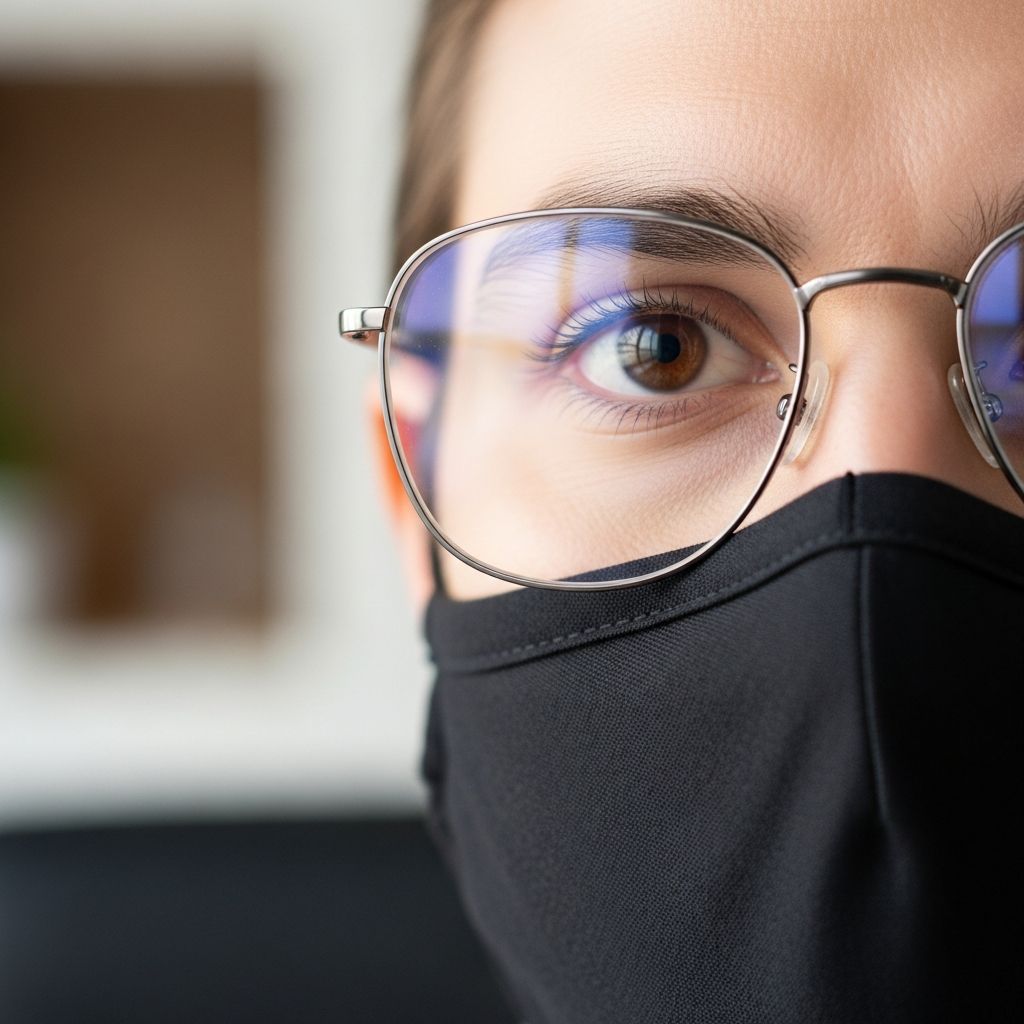
Face masks have become a staple in daily life for health protection, but for glasses wearers, they often bring the frustrating issue of foggy lenses. This occurs when warm breath escapes upward, condensing on cooler glass surfaces. Understanding this simple physics helps in choosing effective countermeasures. Below, we explore comprehensive strategies drawn from reliable eyewear and health guidance to keep your vision crystal clear.
Understanding the Science Behind Lens Fogging
When you exhale through a mask, humid breath rises if the fit isn’t perfect, striking colder lenses and forming tiny water droplets. This condensation scatters light, blurring sight much like morning dew on a window. Factors like room temperature, mask material, and lens cleanliness amplify the problem. Recognizing this thermal differential is key to targeted fixes.
- Temperature contrast: Breath at body temperature (around 98°F) meets lenses often below 70°F.
- Humidity factor: Exhaled air carries high moisture content from lungs.
- Mask gaps: Loose fits around nose bridge allow direct upward airflow.
Addressing these root causes leads to reliable prevention rather than temporary patches.
Optimizing Your Mask Fit for Fog-Free Wear
A well-fitted mask is the first defense. Start by selecting masks with adjustable nose wires or malleable bridges that conform to your face contours. Pinch the wire firmly over your nose to create a seal, ensuring glasses frames rest atop the fabric without gaps.
For non-adjustable masks, improvise safely:
- Use soft adhesive strips like medical tape across the nose area to bridge gaps without irritating skin.
- Opt for masks with ear loops that allow temple arms to sit securely over the top edge.
Practice downward breathing techniques—exhale gently through your nose while directing air sideways—to minimize upward vapor escape. This simple habit reduces fog by 50% in many cases, per user reports from eyewear specialists.
DIY Lens Treatments: Quick and Cost-Effective Options
Household items can create temporary barriers against condensation. These methods alter lens surface tension, spreading moisture into a thin film instead of droplets.
| Method | How to Apply | Duration | Pros/Cons |
|---|---|---|---|
| Soap or Shaving Cream | Apply pea-sized amount, rub gently with microfiber cloth, rinse and air dry. | 2-4 hours | Cheap, accessible / Needs reapplication |
| Dish Soap Solution | Mix with water, wipe on lenses, buff dry. | 3-5 hours | Non-toxic / May streak if over-applied |
| Tissue Barrier | Fold tissue inside mask under nose bridge. | Short-term | Instant / Hygiene risk, not recommended long-term |
While effective in pinches, avoid overusing tissue tricks due to potential bacterial growth compromising mask efficacy.
Commercial Anti-Fog Products: Reliable Performance Boosters
Specialized products outperform DIY hacks by using surfactants that molecularly repel water formation. Anti-fog wipes, sprays, and drops coat lenses evenly, lasting through multiple wears.
Related Stories



- Wipes: Pre-moistened for one-step application; ideal for on-the-go.
- Drops: Liquid formulas for deeper penetration; reapply every few hours.
- Sprays: Broad coverage for larger lenses or goggles.
Choose products free of abrasives to protect coatings. Users note these maintain clarity during extended mask use, such as in healthcare or retail settings.
Investing in Anti-Fog Eyewear: The Permanent Solution
For chronic foggers, upgrade to lenses with baked-on anti-fog treatments. These hydrophobic coatings bond permanently, resisting breakdown for years under normal use. Safety goggles or overglasses with this feature double as protective gear.
Key benefits include:
- Semi-permanent protection without daily upkeep.
- Compatibility with various mask types.
- Enhanced durability for sports or work environments.
Consult opticians for custom applications on existing frames. Brands specializing in fog-resistant optics ensure longevity through proper cleaning protocols.
Advanced Techniques for Challenging Scenarios
In high-humidity or cold climates, combine methods: fit adjustments plus treatments. For N95 or KN95 masks, prioritize nose-sealing tapes like hypoallergenic varieties to contain breath fully.
During exercise or heated environments, pre-cool glasses in a fridge briefly to equalize temperatures, though this is niche. Maintain lens cleanliness weekly—fingerprints exacerbate fog by providing nucleation sites for droplets.
Common Mistakes to Avoid
Not all remedies work universally. Steer clear of:
- Toothpaste: Abrasive particles scratch lenses permanently.
- Over-spraying: Leads to residue buildup.
- Poor mask quality: Loose fabrics worsen airflow issues.
Regularly inspect masks for wear, replacing those with degraded nose wires.
Frequently Asked Questions (FAQs)
What causes the most fogging with masks?
Primary culprit is exhaled breath leaking from the nose bridge area onto cooler lenses.
Do anti-fog sprays work on all lens types?
Most effective on standard polycarbonate or glass; test on coated lenses to avoid interactions.
How often should I reapply treatments?
DIY every 2-4 hours; commercial products last 4-8 hours depending on activity.
Are fog-proof glasses worth the cost?
Yes, for frequent mask users—they save time and frustration long-term.
Can I use these tips with prescription masks?
Absolutely; focus on non-abrasive methods compatible with custom optics.
Health and Safety Integration
Beyond clarity, clear vision supports safe navigation in masked scenarios, vital for driving, working, or socializing. Pair these tips with proper mask hygiene: wash reusables daily, store in breathable bags. For vulnerable groups like the elderly or immunocompromised, combining sealed fits with anti-fog gear maximizes protection without compromise.
In professional fields like medicine or food service, OSHA-aligned goggles with anti-fog standards ensure compliance and performance. Eyewear innovations continue evolving, promising even better integrations post-pandemic.
References
- Face Mask with Goggles: Six Tips To Avoid Fogging Glasses — Stoggles. 2023-05-15. https://stoggles.com/blogs/the-public-eye/face-mask-with-goggles
- How to Keep Glasses From Fogging While Wearing A Face Mask — YouTube (Video Guide). 2020-08-20. https://www.youtube.com/watch?v=7Rpna0mNXHE
- 8 Ways to Stop Glasses from Fogging Over Your Mask — Glasses.com. 2022-11-10. https://www.glasses.com/gl-us/blog/how-to-keep-glasses-from-fogging
- How to Keep Glasses from Fogging with a Mask — Warby Parker. 2023-02-28. https://www.warbyparker.com/learn/how-to-keep-glasses-from-fogging
- Tips for Avoiding Foggy Eyeglasses When You Wear Your Face Mask — University of Utah Health. 2020-06-15. https://healthcare.utah.edu/healthfeed/2020/06/tips-avoiding-foggy-eyeglasses-when-you-wear-your-face-mask
Similar Articles








Read full bio of medha deb