Clear Vision For Safe Driving: Expert Guide
Essential tips and standards to ensure your eyesight supports safe, confident driving on every road.
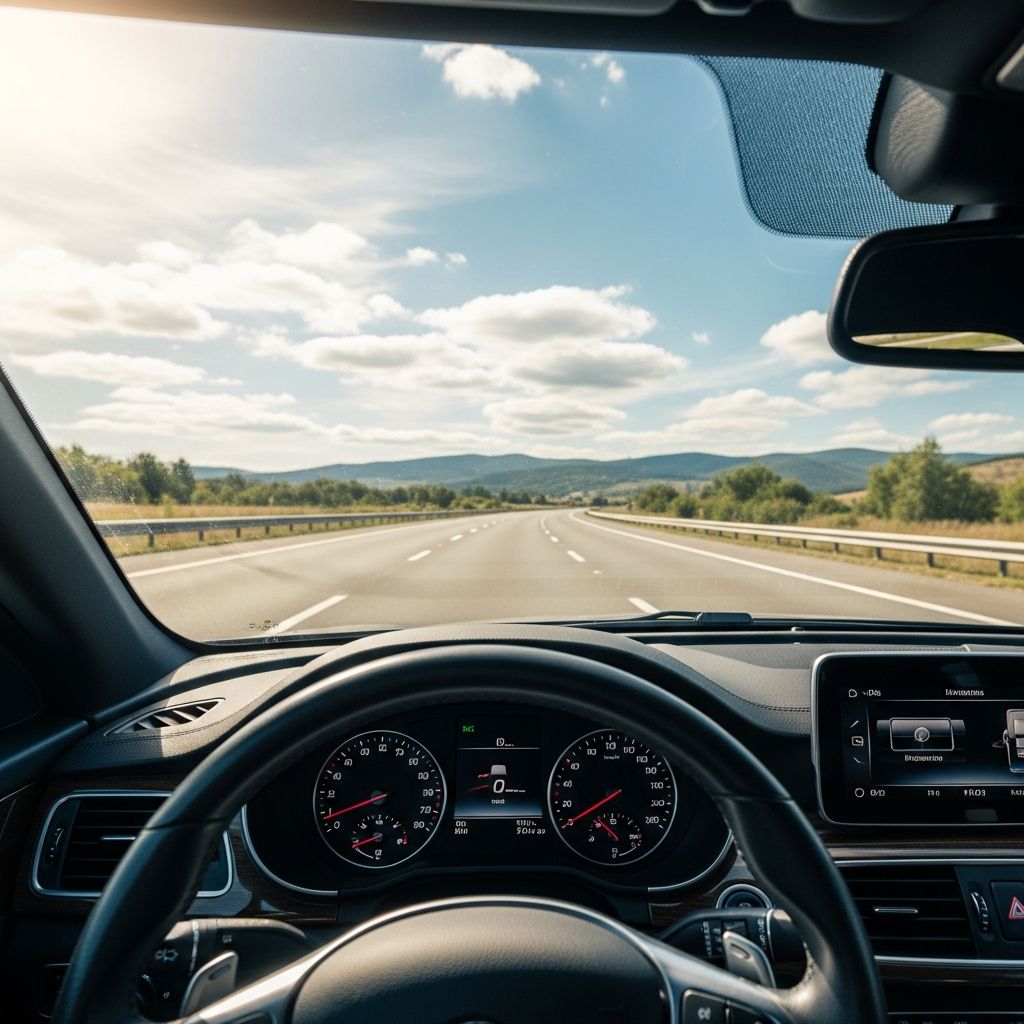
Sharp eyesight is the cornerstone of safe driving, enabling drivers to detect hazards, read signs, and respond swiftly to road conditions. Maintaining proper visual standards reduces accident risks and ensures compliance with legal requirements.
Why Eyesight Matters on the Road
Driving demands a complex interplay of visual skills beyond simple clarity. Visual acuity—the sharpness of vision measured by ability to discern details at distance—is vital for spotting distant obstacles like pedestrians or sudden stops ahead. Studies indicate that suboptimal acuity correlates with elevated crash risks, though the relationship is influenced by multiple factors.
Peripheral vision, or side vision, complements central focus by alerting drivers to vehicles merging from blind spots or cyclists approaching. A restricted field can delay reactions, heightening collision chances. Safe driving also requires distinguishing traffic signal colors—red, yellow, green—and adapting to varying light levels.
Legal Vision Standards Across the U.S.
Vision requirements for driver’s licenses vary by state, typically mandating at least 20/40 acuity in the better eye (with or without correction) and a minimum horizontal visual field. These benchmarks ensure drivers can operate vehicles competently.
| State | Minimum Acuity (Better Eye or Both) | Visual Field Requirement | Common Restrictions |
|---|---|---|---|
| Arizona | 20/70 both eyes or 20/50 one eye | 70° temporal, 35° nasal (one eye) | Daylight only for 20/40-20/50 |
| Connecticut | 20/40 both or one eye | 140° horizontal both eyes | 100° if blind in one eye |
| Delaware | 20/50 one eye | N/A | Daylight for 20/40-20/50 |
| Iowa | 20/70 both eyes | 110° both or 100° one eye | Mirrors for reduced fields |
| Oregon | 20/40 best eye | 110° horizontal | Daylight for 20/70; bioptics possible |
Commercial motor vehicle (CMV) drivers face stricter federal rules from the FMCSA: 20/40 distant acuity per eye or binocularly, 70° horizontal field per eye, and color recognition. Waivers exist for those not meeting standards but demonstrating safe driving records.
Age-Related Vision Changes and Driving
As people age, conditions like cataracts, glaucoma, and macular degeneration can impair acuity and fields. Drivers over 50 in states like Oregon must undergo periodic eyesight checks at license renewal. Reduced night vision, common with aging, often prompts daylight-only restrictions.
Night driving challenges intensify with smaller pupil size limiting light intake, glare from headlights, and slower dark adaptation. Professional evaluations help identify if unrestricted privileges are safe.
Essential Visual Skills for Drivers
- Central Acuity: Critical for license plates, speeds, and signs. Tested via Snellen chart.
- Peripheral Awareness: Monitors surroundings; deficits increase side-swipe risks.
- Depth Perception: Judges distances for lane changes, parking.
- Color Vision: Ensures traffic light compliance.
- Contrast Sensitivity: Detects objects against backgrounds, vital in fog or dusk.
Regular screening assesses these holistically, not just acuity.
Night Driving: Special Vision Demands
Low-light conditions strain even healthy eyes. Minimum acuity drops effectiveness; states restrict licenses accordingly, e.g., Oregon mandates daylight-only for 20/40 to 20/70 unless a vision specialist approves otherwise. Tips include clean windshields, proper headlight aim, and avoiding glare sources.
Related Stories



Corrective Options and Restrictions
Glasses or contacts meeting standards suffice for most. Bioptic telescopes aid low-vision drivers in select states, allowing spotting then close-up views. Oregon’s Limited Vision Program permits 20/80-20/200 acuity with bioptics, 120° fields, and no progressive loss prognosis.
Restrictions like mirrors, daylight limits, or speed caps apply based on exams. Failing standards may require retests or adaptive devices.
When to Get an Eye Exam
Annual comprehensive exams are recommended, especially for those over 40 or with diabetes/hypertension risks. Exams detect silent issues like glaucoma early. Signs prompting immediate visits: blurred vision, halos around lights, frequent headaches, or crash involvement.
Practical Tips to Optimize Driving Vision
- Adjust mirrors for maximal peripheral coverage.
- Wear prescribed corrections always.
- Clean glasses, windshield regularly.
- Use anti-glare coatings or polarized lenses.
- Take breaks to combat fatigue-induced blur.
- Avoid driving at night if vision falters.
Impact of Common Eye Conditions
Cataracts: Cloud lens, worsening glare and acuity; surgery restores vision.
Glaucoma: Narrows fields silently; early treatment preserves driving ability.
Macular Degeneration: Central blur affects sign reading; low-vision aids help.
Addressing these via optometrists/ophthalmologists is key.
FAQs
What is the standard vision for driving?
Most states require 20/40 in the better eye; fields at least 100-140° horizontal.
Can I drive with glasses?
Yes, if they correct to legal standards; removal risks license suspension.
What if my vision is borderline?
Restrictions like daylight-only or mirrors apply; consult a specialist.
Do older drivers need special tests?
Many states mandate vision checks at renewal post-50.
How does poor vision cause accidents?
It delays hazard detection and reactions, per research.
State Programs for Low Vision Drivers
Innovative programs like Oregon’s support qualified individuals with bioptics, requiring specific acuity (20/80-20/200), fields (120° horizontal), and training. Similar initiatives exist elsewhere, emphasizing road tests and monitoring.
Proactive vision management fosters independence and safety. Schedule exams, heed restrictions, and drive responsibly.
References
- Vision and Driving: Navigating the Road to Safer Practices — UOOSD. 2023. https://www.uoosd.com/vision-and-driving
- Examining FMCSA Vision Standard for CMV Drivers and Waiver Program — Federal Motor Carrier Safety Administration (FMCSA). 2022. https://www.fmcsa.dot.gov/research-and-analysis/examining-fmcsa-vision-standard-cmv-drivers-and-waiver-program
- Examining Visual Acuity for Safe Driving — MEMIC. 2024. https://www.memic.com/workplace-safety/safety-net-blog/examining-visual-acuity-for-safe-driving
- Driving Restrictions per State — EyeWiki (AAO). 2025. https://eyewiki.org/Driving_Restrictions_per_State
- Oregon Driving Vision Requirements: Explained — NVISION Centers. 2024. https://www.nvisioncenters.com/education/driving-and-vision/oregon/
- OAR 735-062-0060 – Periodic Check of Driver’s Eyesight — Oregon Public Law. 2023. https://oregon.public.law/rules/oar_735-062-0060
- Limited Vision Condition Program — Oregon DMV. 2025. https://www.oregon.gov/odot/dmv/pages/driverid/limitedvision.aspx
Similar Articles








Read full bio of Sneha Tete