Cleidocranial Dysplasia (CCD): Causes, Symptoms & Treatment
Understanding CCD: A rare genetic disorder affecting bone and tooth development with comprehensive treatment options.
Understanding Cleidocranial Dysplasia (CCD)
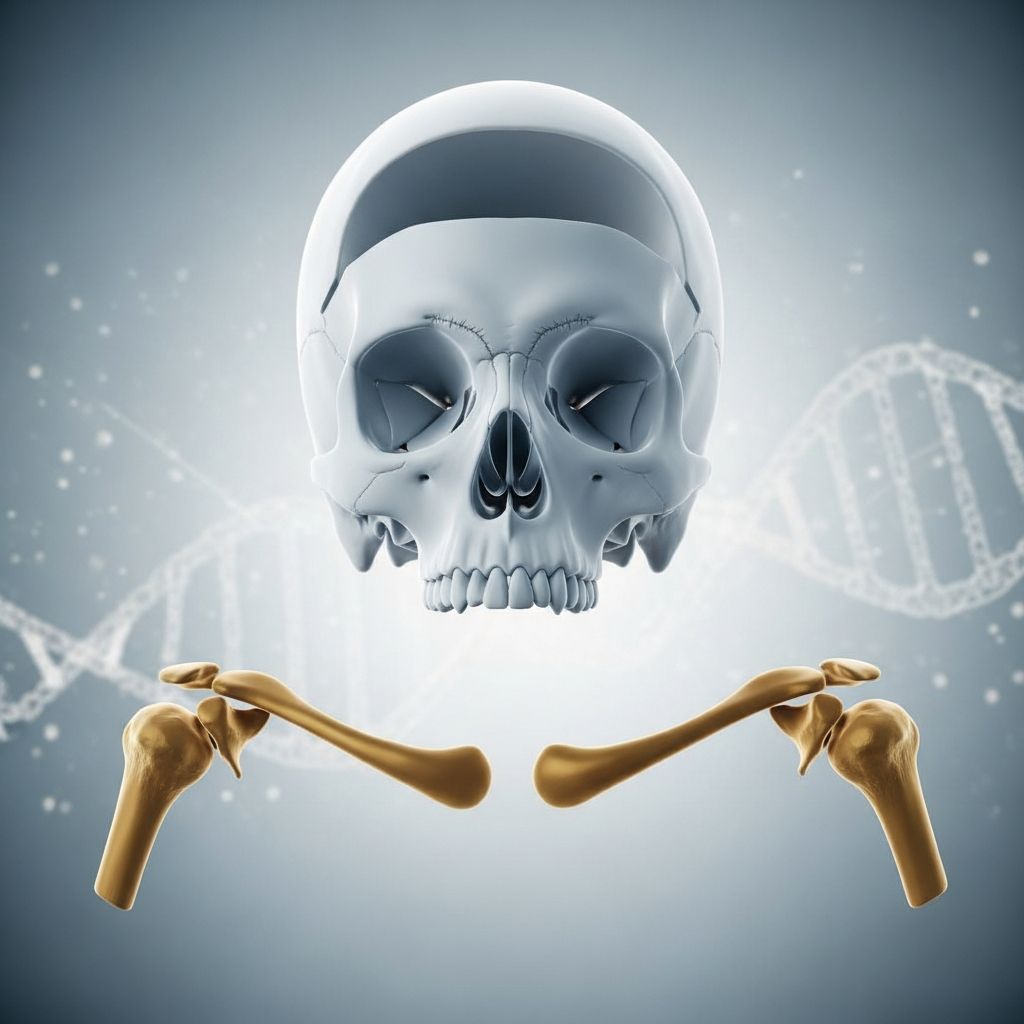
Cleidocranial dysplasia (CCD) is a rare genetic disorder that affects the development and growth of bones and teeth, particularly impacting the skull, face, spine, and collarbones. This condition, also known as cleidocranial dysostosis, is characterized by abnormal bone formation and distinctive dental abnormalities that can significantly impact quality of life. While CCD cannot be cured, modern medical advances have created numerous treatment options that allow individuals with this condition to live fulfilling and productive lives with proper management and support.
The condition typically becomes apparent during early childhood or adolescence, though some features may be present from birth. Individuals with CCD often experience a combination of skeletal abnormalities and dental complications that require coordinated care from multiple medical specialists. Understanding CCD is essential for parents, caregivers, and affected individuals to ensure early intervention and comprehensive management.
Genetic Causes and Inheritance Patterns
Cleidocranial dysplasia is caused by mutations or pathogenic variants in the RUNX2 gene, located on chromosome 6. This gene provides critical instructions for producing a protein involved in the development and maintenance of bones, teeth, and cartilage. The RUNX2 protein plays an essential role in the differentiation of stem cells into osteoblasts, which are bone-forming cells necessary for normal skeletal development.
When mutations occur in the RUNX2 gene, the production of functional RUNX2 protein is reduced or eliminated. This shortage of functional protein interferes with normal bone, cartilage, and tooth development, resulting in the characteristic features of CCD. The mutations cause haploinsufficiency, meaning that one defective copy of the gene is sufficient to produce the condition.
Inheritance Pattern: CCD is inherited in an autosomal dominant manner, which means that only one mutated copy of the gene from either parent is needed to cause the disorder. If one parent has CCD, there is approximately a 50% chance that each child will inherit the condition. However, some cases of CCD occur due to new mutations that arise spontaneously and are not inherited from parents.
Clinical Features and Symptoms
The symptoms and severity of cleidocranial dysplasia vary widely among affected individuals, even within the same family. Some people experience mild manifestations, while others may have more significant skeletal and dental abnormalities. Early recognition of these features is crucial for timely intervention.
Skeletal Manifestations
The most distinctive skeletal feature of CCD is the partial or complete absence of collarbones (clavicles), which may be either completely missing or represented by small fragments. Individuals typically present with painless swelling in the clavicle area between 2 to 3 years of age.
Additional skeletal abnormalities include:
- Premature closing of the anterior fontanel (soft spot on the head)
- Delayed closure of posterior fontanels and other skull spaces
- Narrow and abnormally shaped pelvic and pubic bones
- Abnormal chest (thoracic) development
- Hypertelorism (wide-set eyes)
- Underdeveloped upper and lower jaws
- Frontal bossing (prominent forehead)
- Short stature in some cases
- Possible scoliosis (spine curvature)
Related Stories



Dental Abnormalities
Dental complications are among the most common and functionally significant features of CCD. These abnormalities require extensive dental intervention throughout childhood and adolescence:
- Delayed tooth eruption (permanent teeth appear later than normal)
- Incomplete development or congenital absence of teeth
- Supernumerary teeth (extra teeth beyond the normal 32)
- Underdeveloped or defective tooth enamel
- Crowding of teeth
- High-arched palate
- Cleft palate (opening in the roof of the mouth)
- Cyst formation around unerupted or displaced teeth
Associated Medical Complications
Individuals with CCD have an increased risk for several secondary health complications that require monitoring and management:
- Recurrent ear infections (otitis media)
- Recurrent sinus infections
- Upper respiratory complications
- Hearing loss or hearing impairment
- Sleep apnea and breathing disturbances
- Reduced bone density (osteoporosis risk)
Diagnosis and Evaluation
Diagnosis of cleidocranial dysplasia is typically based on clinical presentation combined with imaging studies and genetic testing. A comprehensive evaluation includes:
Physical Examination: Healthcare providers assess for characteristic skeletal features, particularly the presence or absence of collarbones, skull shape abnormalities, and dental anomalies. Family history is carefully reviewed to determine inheritance patterns.
Imaging Studies: Radiographic imaging, including X-rays of the skull, chest, spine, and pelvis, helps confirm skeletal abnormalities. Panoramic dental X-rays are essential for evaluating the number, position, and development of teeth.
Genetic Testing: Molecular genetic testing for RUNX2 mutations can confirm the diagnosis. This testing is particularly valuable for genetic counseling and family planning purposes.
Hearing Assessment: Audiological evaluation should be performed at birth and throughout childhood, as hearing complications are common in individuals with CCD.
Comprehensive Treatment Approaches
Although there is no cure for cleidocranial dysplasia, modern treatment strategies focus on managing symptoms and improving quality of life. Treatment is individualized based on the specific features present in each person and typically requires coordination among multiple medical specialists including craniofacial surgeons, dentists, orthodontists, otolaryngologists, and other healthcare professionals.
Protective and Supportive Care
Protective Helmets: Infants and young children with CCD benefit from wearing protective helmets or headgear until the fontanels (soft spots) close and the skull bones have adequately ossified. These helmets protect against accidental head injuries during this vulnerable period.
Bone Health Management: Calcium and vitamin D supplementation is recommended to optimize bone development and prevent osteoporosis. Regular monitoring of bone density is essential, particularly during childhood when skeletal development is occurring.
Surgical Interventions
Multiple surgical procedures may be necessary throughout childhood and adolescence to address skeletal abnormalities:
Craniofacial Surgery: Surgical procedures correct skull defects, address hypertelorism (wide-set eyes), and improve facial appearance and function. These interventions may be performed around 5 years of age or later depending on the severity of deformities.
Spinal Fusion: In cases where scoliosis develops, spinal fusion procedures may stabilize the spine and prevent progressive deformity.
Clavicle Fragment Removal: Excision of clavicular fragments can improve shoulder mobility and decompress the brachial plexus if nerve irritation with pain and numbness occurs.
Orthognathic (Jaw) Surgery: Later in childhood or adolescence, jaw surgery may be beneficial to correct underdeveloped upper jaw structures and improve breathing and chewing function.
Cleft Palate Surgery: If a cleft palate is present, surgical closure may be performed to improve quality of life and prevent feeding and speech difficulties.
Dental Treatment
Comprehensive dental management is crucial for individuals with CCD and typically continues throughout growth and development until skeletal maturity. Goals of dental treatment include improving appearance, enhancing chewing ability, and preventing pain or discomfort. Treatment may include:
- Extraction of supernumerary (extra) teeth to prevent crowding
- Orthodontic treatment to align teeth and improve bite
- Surgical exposure of unerupted teeth when necessary
- Management of cysts around unerupted teeth
- Enamel restoration or cosmetic bonding
- Tooth replacement with implants or prosthetics after growth completion
Management of Associated Conditions
Ear and Sinus Infections: Timely treatment and appropriate medication for recurrent infections are essential. Ear tubes may be necessary for chronic ear infections with hearing loss.
Hearing Loss Prevention: Regular hearing evaluations and early intervention with hearing aids if needed help prevent developmental and educational delays.
Sleep Apnea Monitoring: Affected individuals should be assessed for breathing disturbances, particularly during sleep, and treated when necessary due to underdeveloped upper jaw structures.
Prognosis and Long-Term Outlook
The prognosis for individuals with cleidocranial dysplasia is generally favorable. People with CCD have a normal life expectancy and can lead fulfilling, productive lives with appropriate medical management and support. Early detection and intervention provide the best outcomes, as addressing symptoms and complications promptly can prevent secondary complications and optimize function.
Children with CCD can participate in normal childhood activities with appropriate accommodations and protective equipment. Success in managing CCD depends on comprehensive, coordinated care from a multidisciplinary team of specialists and the commitment of families to pursue recommended treatments.
Genetic Counseling and Family Planning
Genetic counseling is recommended for patients diagnosed with CCD and their families. Genetic counselors can explain the inheritance pattern, discuss the 50% recurrence risk in offspring of affected parents, and provide information about genetic testing options for family members. Prenatal diagnosis may be possible through genetic testing or imaging studies, and parents with CCD may require special consideration during pregnancy and delivery, including possible caesarian section.
Frequently Asked Questions
Q: Is cleidocranial dysplasia life-threatening?
A: CCD is not typically life-threatening, and individuals with this condition have a normal life expectancy. However, prompt medical attention is necessary to prevent and manage potential complications such as breathing difficulties, hearing loss, and dental problems.
Q: Can cleidocranial dysplasia be cured?
A: There is no cure for CCD, but symptoms and complications can be effectively managed through comprehensive treatment including surgery, dental care, and supportive therapies. Treatment allows individuals to live full and healthy lives.
Q: What is the best age to begin treatment?
A: Early detection and intervention provide the best outcomes. Protective measures should begin at birth if needed, and ongoing management continues throughout childhood and adolescence until skeletal maturity. Early referral to specialists familiar with CCD is crucial.
Q: Will my child need multiple surgeries?
A: Many children with CCD will require multiple surgical procedures at different ages to address skeletal abnormalities, improve dental function, and prevent complications. The specific number and timing depend on individual manifestations.
Q: How often should individuals with CCD be monitored?
A: Regular monitoring by a multidisciplinary team is essential throughout childhood and adolescence. This includes periodic evaluations by craniofacial surgeons, dentists, orthodontists, otolaryngologists, and other specialists as indicated by individual symptoms.
Conclusion
Cleidocranial dysplasia is a rare genetic disorder affecting bone and tooth development, but modern medical advances have created effective management strategies. Through early diagnosis, comprehensive treatment, and coordinated care from multiple specialists, individuals with CCD can overcome the challenges posed by this condition and achieve excellent quality of life outcomes. Families affected by CCD should seek evaluation at specialized craniofacial centers experienced in managing this complex condition.
References
- Cleidocranial Dysplasia (CCD) — Physiopedia. 2024. https://www.physio-pedia.com/Cleidocranial_Dysplasia_(CCD)
- Cleidocranial Dysplasia – Symptoms, Causes, Treatment — National Organization for Rare Disorders (NORD). 2024. https://rarediseases.org/rare-diseases/cleidocranial-dysplasia/
- Cleidocranial Dysplasia — Dell Children’s Craniofacial Team of Texas. 2024. https://craniofacialteamtexas.com/craniofacial-conditions-we-treat/syndromes-craniofacial-deformities/cleidocranial-dysplasia/
- Cleidocranial dysplasia – Genetics — MedlinePlus, U.S. National Library of Medicine. 2024. https://medlineplus.gov/genetics/condition/cleidocranial-dysplasia/
- Cleidocranial dysplasia (CCD) — AboutKidsHealth, SickKids. 2024. https://www.aboutkidshealth.ca/cleidocranial-dysplasia-ccd
- Cleidocranial Dysostosis — UF Health, University of Florida. 2024. https://ufhealth.org/conditions-and-treatments/cleidocranial-dysostosis
Similar Articles








Read full bio of medha deb