Clemastine Tablets Complete Guide: Uses, Dosages & Side Effects
Effective sedating antihistamine for relieving hay fever, urticaria, and allergic skin reactions with key dosage and safety guidance.
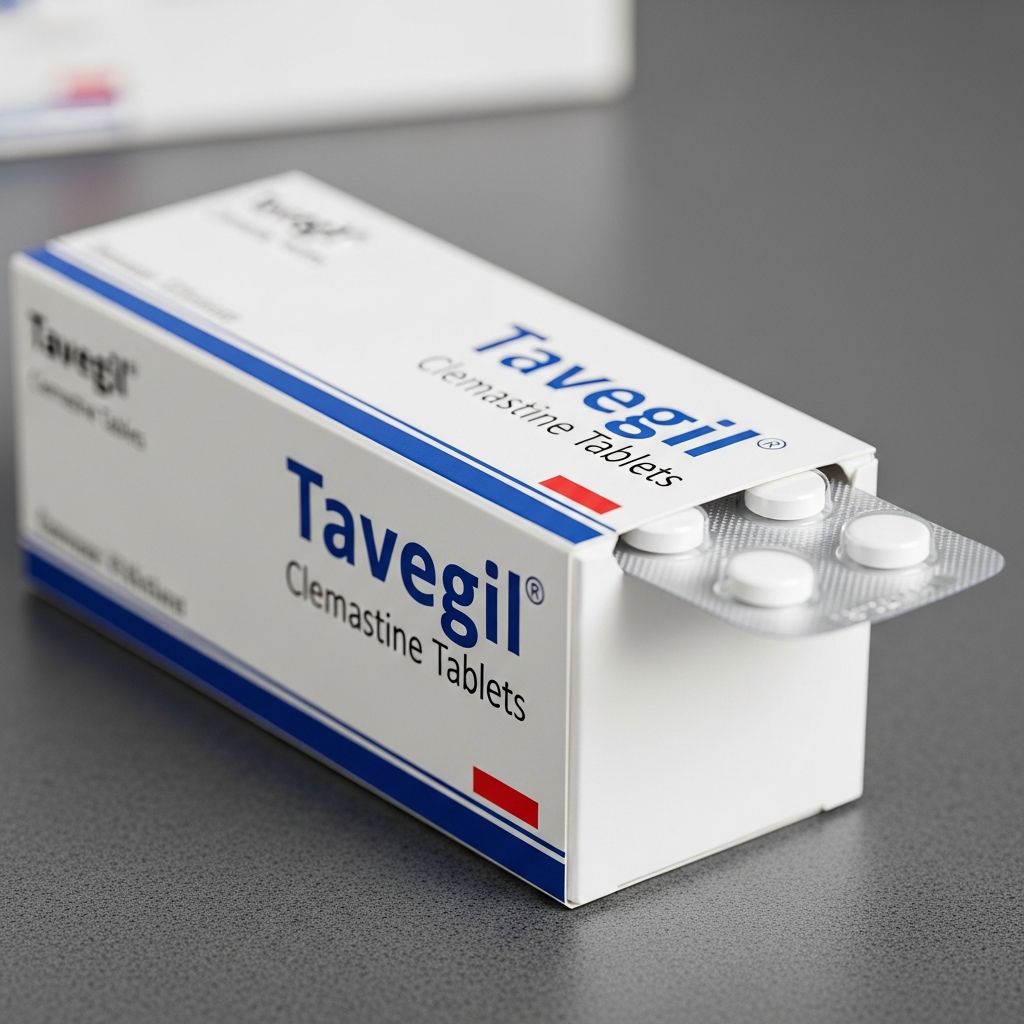
Tavegil
Peer reviewed by medical professionals. Last updated based on latest guidelines as of 2023.
About clemastine
| Type of medicine | An antihistamine |
|---|---|
| Used for | Allergic conditions, such as hay fever and skin rashes |
| Also called | Tavegil® |
| Available as | Tablets |
Clemastine is a
sedating antihistamine
that effectively relieves symptoms of various allergic conditions. It works by blocking histamine, a substance in the body that triggers allergic reactions like sneezing, runny nose, itchy eyes, and skin rashes. Commonly used for hay fever (allergic rhinitis), urticaria (hives), and other allergic skin disorders, clemastine provides quick relief from itching, redness, and swelling.This first-generation antihistamine has anticholinergic and sedative properties, distinguishing it from non-sedating options. It is available over-the-counter in many places for short-term use, making it accessible for managing seasonal allergies or acute reactions. Unlike some newer antihistamines, clemastine crosses the blood-brain barrier, which contributes to its drowsiness-inducing effect but also enhances its efficacy for nighttime symptom control.
Allergic rhinitis affects millions worldwide, causing nasal congestion, sneezing, and itchy throat, while urticaria presents as raised, itchy welts on the skin. Clemastine targets these by inhibiting histamine H1 receptors, reducing inflammation and discomfort. It is particularly beneficial for those whose allergies disrupt sleep due to its calming side effect profile.
Before taking clemastine
To ensure clemastine is safe and appropriate, consult a doctor or pharmacist if any of the following apply:
- You are pregnant, trying to conceive, or breastfeeding. Clemastine may pass into breast milk and could affect the baby.
- You have liver or kidney problems, as these can alter how the body processes the drug.
- You have glaucoma (increased eye pressure).
- You have prostate issues or difficulty urinating.
- You have a blockage in your small intestines or stomach ulcer.
- You have epilepsy.
- You have porphyria, a rare blood disorder.
- You are taking other medications, including over-the-counter, herbal, or complementary remedies.
- You have had an allergic reaction to any medicine previously.
These precautions are crucial because clemastine has anticholinergic effects that can exacerbate conditions like glaucoma, urinary retention, or gastrointestinal obstructions. For instance, in patients with prostatic hypertrophy or bladder neck obstruction, it may worsen urinary difficulties. Those with epilepsy should be cautious due to potential impacts on seizure threshold.
Additionally, avoid if allergic to clemastine or similar first-generation antihistamines. Inform your healthcare provider of conditions like asthma, thyroid disorders, heart disease, or high blood pressure, as they may influence safety.
How to take clemastine
Always read the manufacturer’s leaflet inside the pack for detailed instructions, full side-effect lists, and storage advice. Take exactly as directed by your doctor or pharmacist.
Standard dosages:
- Adults: 1 tablet (1 mg) twice daily, morning and evening.
- Children 6-12 years: ½ to 1 tablet twice daily, morning and evening.
- Children 1-6 years: ½ tablet twice daily (use appropriate formulation; not for under 1 year).
Tablets can be taken with or without food; swallowing with water may ease ingestion. Do not exceed the recommended dose, as higher amounts increase side effect risks like severe drowsiness or seizures.
If you miss a dose, take the next one as scheduled—do not double up. Treatment is typically short-term; discontinue once symptoms resolve. For persistent allergies, discuss alternatives with a healthcare provider to avoid tolerance or rebound effects.
Related Stories



Getting the most from your treatment
Clemastine often causes drowsiness, impairing driving, operating machinery, or tasks needing focus. Effects vary; test your response before such activities. Avoid alcohol, as it intensifies sedation.
Before surgery, allergy tests, or treatments, inform staff you’re taking an antihistamine, as it can interfere with skin tests or anesthesia responses. Combine with non-drug measures like avoiding allergens, using saline rinses, or air purifiers for optimal relief.
For best results, take at consistent times. If drowsiness persists or affects daily life, consider switching to a non-sedating antihistamine like loratadine.
Can clemastine cause problems?
While effective, clemastine may cause side effects. Most are mild and resolve as your body adjusts, but consult a doctor if persistent.
| Common side effects | How common | What to do |
|---|---|---|
| Drowsiness, tiredness | Common (affects >1 in 10) | Avoid driving/alcohol; may improve over time |
| Dry mouth | Common | Chew sugar-free gum; sip water |
| Dizziness, headache | Common | Rest; avoid sudden movements |
| Constipation, blurred vision | Less common | Increase fiber/water; see doctor if severe |
Serious side effects (rare): Seek immediate medical help for seizures, severe dizziness, fainting, trouble urinating, fast heartbeat, confusion, or uncontrolled movements. Children may be more prone to seizures.
Other possible effects include nausea, stomach cramps, joint pain, or rash. Full list in patient leaflet. Overdose symptoms: extreme drowsiness, seizures—contact poison control immediately.
More information about clemastine tablets
Each 1 mg tablet contains clemastine fumarate as active ingredient, with excipients like lactose (avoid if intolerant). Store below 25°C, away from children. Expiry after date renders ineffective/unsafe.
Not for newborns, premature infants, or long-term use without advice. May weaken immune response slightly; avoid sick contacts. Interactions: Enhanced sedation with sedatives, antidepressants; caution with MAOIs.
Frequently Asked Questions (FAQs)
Q: Can I drive while taking clemastine?
A: No, due to common drowsiness. Wait until you know its effects on you.
Q: Is clemastine safe in pregnancy?
A: Consult a doctor; limited data, but use only if benefits outweigh risks.
Q: How quickly does clemastine work?
A: Relief often within 1-2 hours, peaking at 5-7 hours; lasts 10-12 hours.
Q: Can children take clemastine?
A: Yes, from age 1+ at reduced doses; not for under 1 year.
Q: Does clemastine cause weight gain?
A: Not typically, but sedation may reduce activity; monitor diet/exercise.
Q: What if I overdose?
A: Seek emergency care; symptoms include severe drowsiness, hallucinations.
This guide provides comprehensive information on clemastine (Tavegil) for informed use. Always prioritize professional medical advice for personalized care.
References
- Clemastine tablets – Patient.info — Patient.info. 2023-04-24. https://patient.info/medicine/clemastine-tablets-tavegil
- Clemastine: MedlinePlus Drug Information — MedlinePlus (U.S. National Library of Medicine). Recent update. https://medlineplus.gov/druginfo/meds/a682542.html
- Clemastine (Dayhist, Tavist) – Uses, Side Effects — WebMD. Recent update. https://www.webmd.com/drugs/2/drug-7141/clemastine-oral/details
- Clemastine: Uses, Interactions, Mechanism — DrugBank Online. Recent update. https://go.drugbank.com/drugs/DB00283
- Clemastine tablets – Cleveland Clinic — Cleveland Clinic. Recent update. https://my.clevelandclinic.org/health/drugs/18289-clemastine-tablets
Similar Articles








Read full bio of medha deb