Climate Change & Eco-Anxiety: How to Cope
Understand eco-anxiety caused by climate change and discover practical strategies to manage symptoms and take positive action.
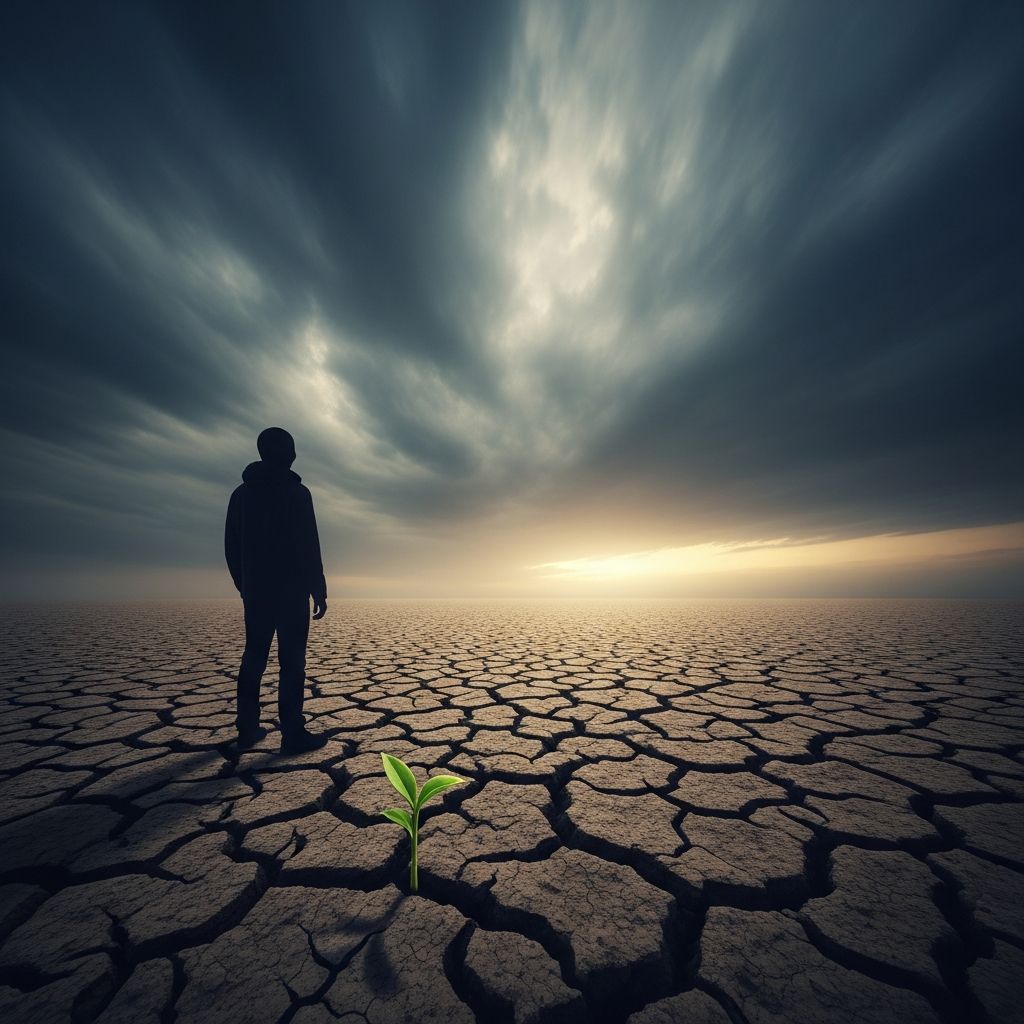
Eco-anxiety, also known as climate anxiety, refers to the distress, fear, or preoccupation arising from awareness of climate change and its environmental threats. It manifests as chronic worry about the planet’s future, often leading to emotional, cognitive, and physical symptoms that impair daily functioning.
What is eco-anxiety?
Eco-anxiety is a heightened emotional, mental, or somatic distress in response to dangerous changes in the climate and ecosystem. The term ‘eco’ derives from the Greek word for ‘home,’ highlighting anxiety over threats to our planetary home. Unlike generalized anxiety, it stems from real, observable threats like extreme weather, biodiversity loss, and rising sea levels, making it a rational response that can motivate action but becomes problematic when excessive.
Experts from the American Psychological Association and ecoAmerica define it as ‘a chronic fear of environmental doom,’ triggered by direct experiences such as floods or wildfires, or indirect exposure via news media. It affects diverse groups, including youth, climate scientists, activists, and first responders, who face heightened exposure to climate impacts.
Symptoms of eco-anxiety
Symptoms vary but commonly include emotional, physical, and behavioral responses. Emotional symptoms often involve panic attacks, constant worrying, irritability, depression, and self-isolation. Individuals may experience obsessive thoughts about climate doom, fatalistic thinking like ‘it’s too late to save the planet,’ existential dread, guilt over personal carbon footprints, and grief over lost natural environments.
- Emotional: Anger toward climate deniers or older generations, hopelessness, anticipatory grief (pre-traumatic stress), solastalgia (distress from environmental change in one’s home area)
- Physical: Fatigue, headaches, insomnia, loss of appetite, panic attacks with symptoms like rapid heartbeat, sleep disturbances, weakened immunity, gastrointestinal issues
- Cognitive/Behavioral: Difficulty concentrating, obsessive news-checking, avoidance of climate topics, aggression, denial, substance use for distraction
In severe cases, it leads to post-traumatic stress disorder (PTSD) after disasters, heightened suicide risk (e.g., among farmers facing droughts), or forced migration trauma causing loss of identity and purpose. Young people report panic attacks, insomnia, and obsessive thinking, sometimes exacerbating pre-existing mental health conditions.
Is eco-anxiety normal?
Yes, moderate eco-anxiety is a normal, adaptive response. Anxiety evolved as a survival mechanism, activating fight-flight-freeze instincts against threats. Climate change qualifies as a legitimate peril, so this anxiety can propel protective actions like advocacy or sustainable living. Prof. Dr. Okan Taycan notes it’s a ‘necessary signal’ to safeguard our planet, not inherently pathological.
However, it crosses into disorder when it persists excessively, impairs functioning, or disrupts relationships. Pathological eco-anxiety involves uncontrolled reactions like prolonged sadness, panic, aggression, or avoidance that hinder daily life and social bonds. Psychoanalytic views distinguish ‘apocalyptic’ fears of extinction from grief over current losses. Mental health professionals emphasize it’s more prevalent now due to visible climate impacts, but not everyone needs medical intervention—social action often suffices.
Who is affected by eco-anxiety?
Eco-anxiety impacts all ages but disproportionately affects certain groups:
- Youth: Surveys show heightened worry among young people, leading to insomnia, panic, and paralysis amid rapid global changes
- First Responders & Farmers: Direct exposure to disasters correlates with PTSD, depression, and elevated suicide rates
- Climate Experts & Activists: Constant information overload intensifies distress
- Vulnerable Populations: Those in disaster-prone areas face physical relocation trauma, pollution-related health issues, and resource scarcity
Related Stories



Women and marginalized communities report higher rates due to intersecting vulnerabilities like economic instability and health disparities.
Causes and risk factors
Primary causes include direct climate events (hurricanes, heatwaves) and media saturation amplifying threats. Broader factors: air pollution causing physical symptoms that worsen mental health; social disruption from migration; cumulative stress leading to helplessness. Risk factors encompass pre-existing anxiety disorders, high media consumption, and personal losses from environmental changes.
When to seek professional help
Seek help if eco-anxiety causes severe impairment: persistent panic attacks, suicidal thoughts, inability to work/study, or substance reliance. Therapists specializing in climate psychology use cognitive-behavioral therapy (CBT) to reframe thoughts, exposure therapy for news tolerance, and mindfulness for somatic symptoms. Psychoanalytic approaches address grief and guilt. Avoid over-medicalization; combine therapy with activism.
How to cope with eco-anxiety
Effective coping blends personal strategies and collective action:
Practical self-help strategies
- Limit media exposure: Set boundaries on doom-scrolling; curate positive climate solution news
- Mindfulness & grounding: Practices like meditation reduce rumination; nature walks foster connection without overwhelm
- Build resilience: Exercise, sleep hygiene, balanced diet combat physical symptoms
- Journaling: Track thoughts to challenge fatalism; note personal actions
- Social support: Join climate groups to share feelings and channel energy
Take action
Action alleviates helplessness. Engage in voting for green policies, reducing waste, planting trees, or volunteering. Prof. Taycan stresses social stances over individual fixes, emphasizing holistic planetary health. Collective efforts restore agency and purpose.
Therapy and support
CBT helps reframe catastrophic thinking; acceptance-commitment therapy promotes value-aligned actions despite anxiety. Group therapy connects those with shared experiences.
| Strategy | Benefits | Examples |
|---|---|---|
| Personal | Reduces immediate distress | Meditation, exercise |
| Action-oriented | Restores control | Advocacy, sustainability |
| Professional | Addresses root dysfunction | CBT, support groups |
Preventing eco-anxiety in children and young people
Youth are particularly vulnerable, with climate fears fueling existential distress. Parents can:
- Model calm, solution-focused discussions
- Encourage outdoor play for biophilia (love of nature)
- Facilitate age-appropriate activism like school gardens
- Monitor for signs like withdrawal; seek child psychologists early
Educate on hope: Highlight renewable energy advances and youth-led successes.
Frequently Asked Questions (FAQs)
Q: Is eco-anxiety a real mental health condition?
A: Yes, recognized by bodies like the APA as distress from climate threats, ranging from normal worry to impairing disorder.
Q: Can eco-anxiety cause physical health problems?
A: Absolutely; it links to insomnia, appetite loss, immune suppression, and pollution-exacerbated illnesses.
Q: How does eco-anxiety differ from general anxiety?
A: It’s specifically tied to environmental threats, often rational and motivating, unlike irrational fears.
Q: What if I’m feeling overwhelmed by climate news?
A: Curate intake, practice mindfulness, and channel into action like community cleanups.
Q: Should I avoid all climate information?
A: No; balanced awareness empowers—focus on solutions to counter doom.
Conclusion
Eco-anxiety reflects our deep bond with Earth, urging protection amid crises. By understanding symptoms, embracing coping tools, and acting collectively, we transform fear into resilience. Prioritize mental health while advocating for a sustainable future—personal well-being and planetary health are intertwined.
References
- Eco-Anxiety Can Cause Panic Attacks — Yeditepe University Hospitals, Prof. Dr. Okan Taycan. 2023. https://yeditepehastaneleri.com/en/health-guide/mental-health/eco-anxiety-can-cause-panic-attacks
- The psychology of climate anxiety — PMC / NIH. 2021-10-12. https://pmc.ncbi.nlm.nih.gov/articles/PMC8499625/
- Eco-anxiety: Symptoms, Causes, and How to Cope — Healthline. 2023. https://www.healthline.com/health/eco-anxiety
- Coping with climate anxiety — Mental Health America. 2023. https://mhanational.org/resources/coping-with-climate-anxiety/
- Understanding and Coping with Eco-Anxiety — Mental Health Commission of Canada. 2023. https://mentalhealthcommission.ca/public-resources/research/understanding-and-coping-with-eco-anxiety/
Similar Articles








Read full bio of medha deb