Clindamycin Cream for Bacterial Vaginosis (Dalacin)
Effective antibiotic cream treatment for bacterial vaginosis: usage, side effects, and key facts for safe relief from symptoms.
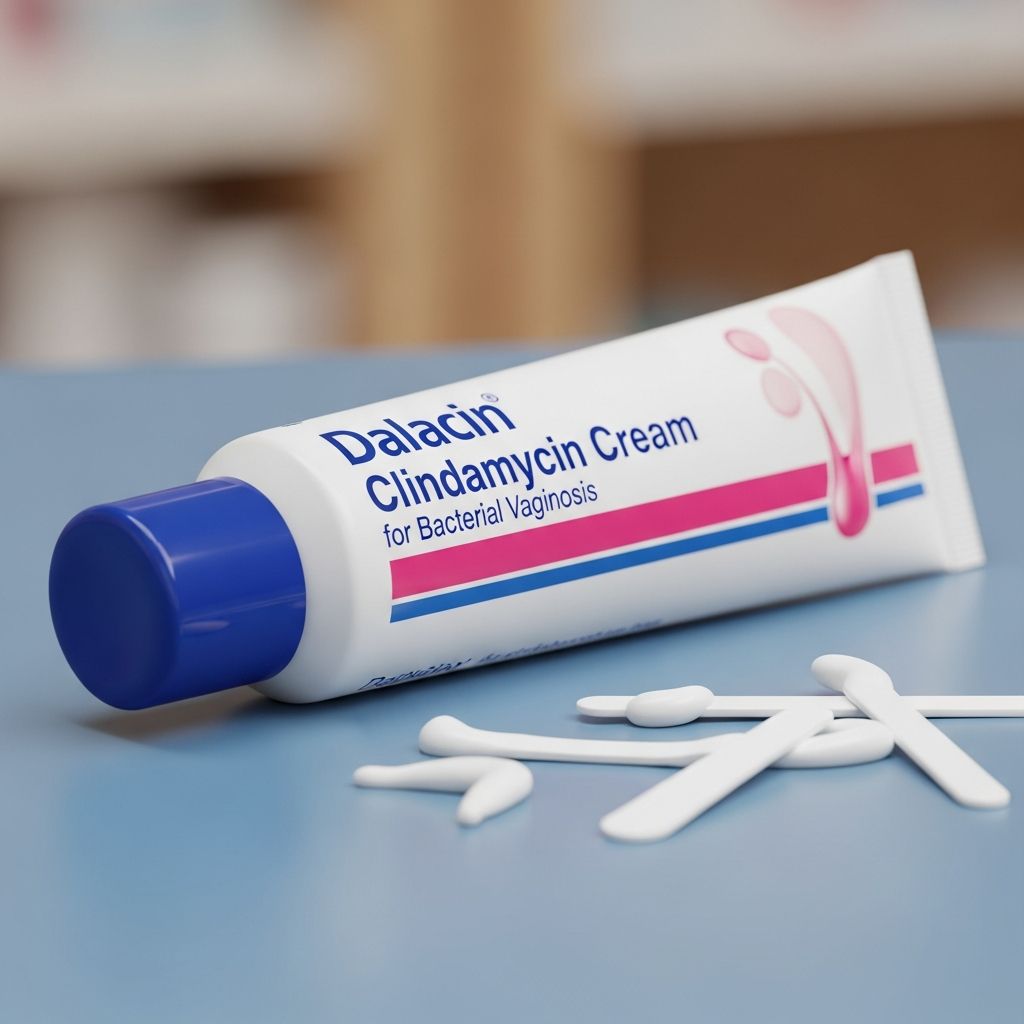
Clindamycin cream, also known as Dalacin, is a targeted antibiotic treatment for bacterial vaginosis (BV), a prevalent vaginal infection caused by an overgrowth of certain bacteria. Administered intravaginally, it restores the natural bacterial balance, alleviating symptoms like discharge and odor. Typical treatment involves one applicatorful (5g) at bedtime for 3-7 nights, with clinical studies showing cure rates of 70-86%.
| Type of medicine | An antibiotic cream |
|---|---|
| Used for | Treatment of bacterial vaginosis |
| Also called | Dalacin® |
| Available as | Cream to use in the vagina |
About clindamycin cream
Bacterial vaginosis affects many women of reproductive age, characterized by an imbalance in vaginal flora where harmful anaerobic bacteria, such as Gardnerella vaginalis and Atopobium vaginae, overgrow. This leads to symptoms including thin white or gray vaginal discharge with a strong fishy odor, especially after intercourse, vaginal itching, burning during urination, or irritation. While BV may resolve spontaneously, untreated cases increase risks of pelvic inflammatory disease, sexually transmitted infections (STIs), and complications in pregnancy like preterm birth.
Clindamycin belongs to the lincosamide class of antibiotics, functioning by inhibiting bacterial protein synthesis, thereby halting growth of BV-associated anaerobes. Unlike oral antibiotics, vaginal cream delivers high concentrations directly to the infection site, minimizing systemic side effects. Clinical evidence from multicenter trials confirms its efficacy: a 3-day course of 2% clindamycin cream achieved significant cure rates over placebo, with meta-analyses showing statistical superiority. Mayo Clinic and CDC endorse it as a first-line option, with regimens including 3-7 day cream applications or single-dose gels yielding 70-85% success.
BV diagnosis typically involves the Amsel criteria: thin discharge, clue cells on microscopy, vaginal pH >4.5, and positive whiff test. Self-diagnosis is unreliable; consult a healthcare provider for confirmation and to rule out other conditions like yeast infections or trichomoniasis.
How to use clindamycin cream
Follow your doctor’s instructions and the manufacturer’s leaflet precisely. Clindamycin 2% vaginal cream comes with disposable applicators.
- Wash hands thoroughly.
- Screw applicator onto tube, fill to marked line (5g).
- Unscrew applicator, lie on back with knees drawn up.
- Gently insert applicator as far as comfortable, push plunger to release cream.
- Remove, discard applicator (do not reuse), recap tube.
- Wash hands. Use at bedtime for best retention.
Standard course: one applicator nightly for 3-7 days, as prescribed. Avoid intercourse, tampons, or douching during treatment to ensure efficacy. If a dose is missed, apply as soon as remembered unless near next dose—do not double. Completion is crucial to prevent recurrence, which affects over 50% within 6 months.
Dosage
Dosage varies by formulation and guideline:
| Form | Dosage | Duration |
|---|---|---|
| Cream 2% (Dalacin) | 5g (one applicator) | 3-7 nights |
| Ovules 100mg | One intravaginally | 3 nights |
| Single-dose gel | 5g once | 1 day |
| Oral (alternative) | 300mg twice daily | 7 days |
Pfizer’s Cleocin trials reported 72-81% clinical cure at 1 month for 3-day cream, rising to 84-86% for 7 days. CDC recommends clindamycin for non-pregnant adults; pregnant patients may prefer oral alternatives due to preterm birth risks.
Related Stories



Getting the most from your treatment
- Complete full course even if symptoms improve early.
- Expect relief within days; full resolution in 1 week.
- Probiotics may aid recurrence prevention by supporting lactobacilli.
- Practice safe sex; BV increases STI acquisition risk.
- Avoid irritants like scented products.
Side effects
Most common: mild vaginal itching, irritation, or yeast infection (candidiasis) due to flora disruption. Rare but serious: severe diarrhea (C. difficile-associated), allergic reactions (rash, swelling, breathing difficulty)—seek emergency care.
| Common (>1/100) | Rare (<1/1000) |
|---|---|
| Vaginal irritation Yeast infection Discharge | Diarrhea Abdominal pain Allergic reactions |
Studies report excellent tolerability; 3-day regimens match placebo in adverse events. Condoms may weaken—use alternative contraception.
How to store clindamycin cream
Store below 25°C, away from children. Do not freeze. Discard unused cream after course; check expiry.
Cautions
- History of antibiotic diarrhea or colitis—avoid.
- Pregnancy: Category B; consult doctor.
- Breastfeeding: minimal absorption, generally safe.
- Drug interactions: none major vaginally, but inform of erythromycin/kaolin use.
Other things to know
Clindamycin rivals metronidazole (70%+ cure rates), preferred if GI intolerance. Recurrence common; extended regimens or suppressive therapy for frequent cases. Not for yeast/STI; re-evaluate if no improvement in 3-5 days.
Frequently Asked Questions (FAQs)
Can clindamycin cure BV permanently?
No guarantee; 70-85% initial success, but >50% recur in 6 months. Lifestyle and probiotics help.
Clindamycin vs metronidazole for BV?
Similarly effective; clindamycin better for GI-sensitive patients, metronidazole cheaper orally.
How long for clindamycin to work on BV?
Symptoms ease in 1-3 days, full effect 1 week. Single-dose gels act fastest.
Is clindamycin safe during pregnancy?
Use cautiously; CDC prefers oral metronidazole. Discuss risks.
Does clindamycin weaken condoms?
Yes, oil-based cream degrades latex. Use polyurethane.
References
- The treatment of bacterial vaginosis with a 3 day course of 2% clindamycin cream: results of a multicentre, double blind, placebo controlled trial — B V Investigators Group, Genitourinary Medicine. 1995-04. https://pmc.ncbi.nlm.nih.gov/articles/PMC1195525/
- Clindamycin for Bacterial Vaginosis (BV): A Comprehensive Guide — Everlywell. 2023. https://www.everlywell.com/blog/virtual-care/clindamycin-for-bv/
- Clindamycin cream for bacterial vaginosis (Dalacin) — Patient.info. 2023-05-18. https://patient.info/medicine/clindamycin-cream-for-bacterial-vaginosis-dalacin
- Clindamycin (vaginal route) — Mayo Clinic. Accessed 2026. https://www.mayoclinic.org/drugs-supplements/clindamycin-vaginal-route/description/drg-20063118
- Clindamycin for BV: What You Need to Know — Evvy. Accessed 2026. https://www.evvy.com/blog/clindamycin-for-bv
- Cleocin Vaginal Cream 2% Labeling — Pfizer. Accessed 2026. https://labeling.pfizer.com/showlabeling.aspx?id=627
- Bacterial Vaginosis – STI Treatment Guidelines — CDC. Accessed 2026. https://www.cdc.gov/std/treatment-guidelines/bv.htm
Similar Articles








Read full bio of Sneha Tete