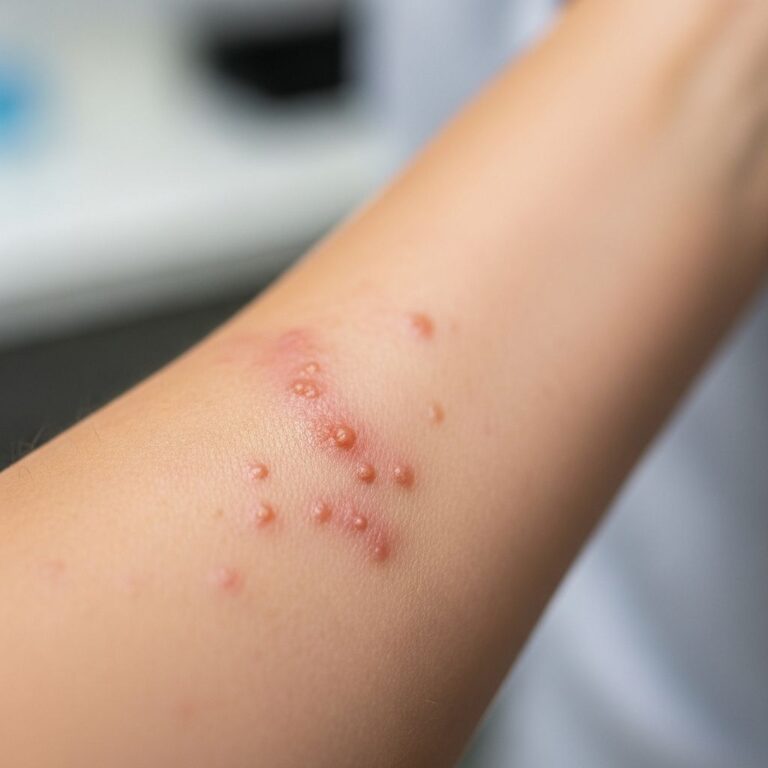
Clindamycin Skin Preparations for Acne Treatment
Effective antibiotic treatment for acne: Understanding clindamycin preparations, usage, and benefits.
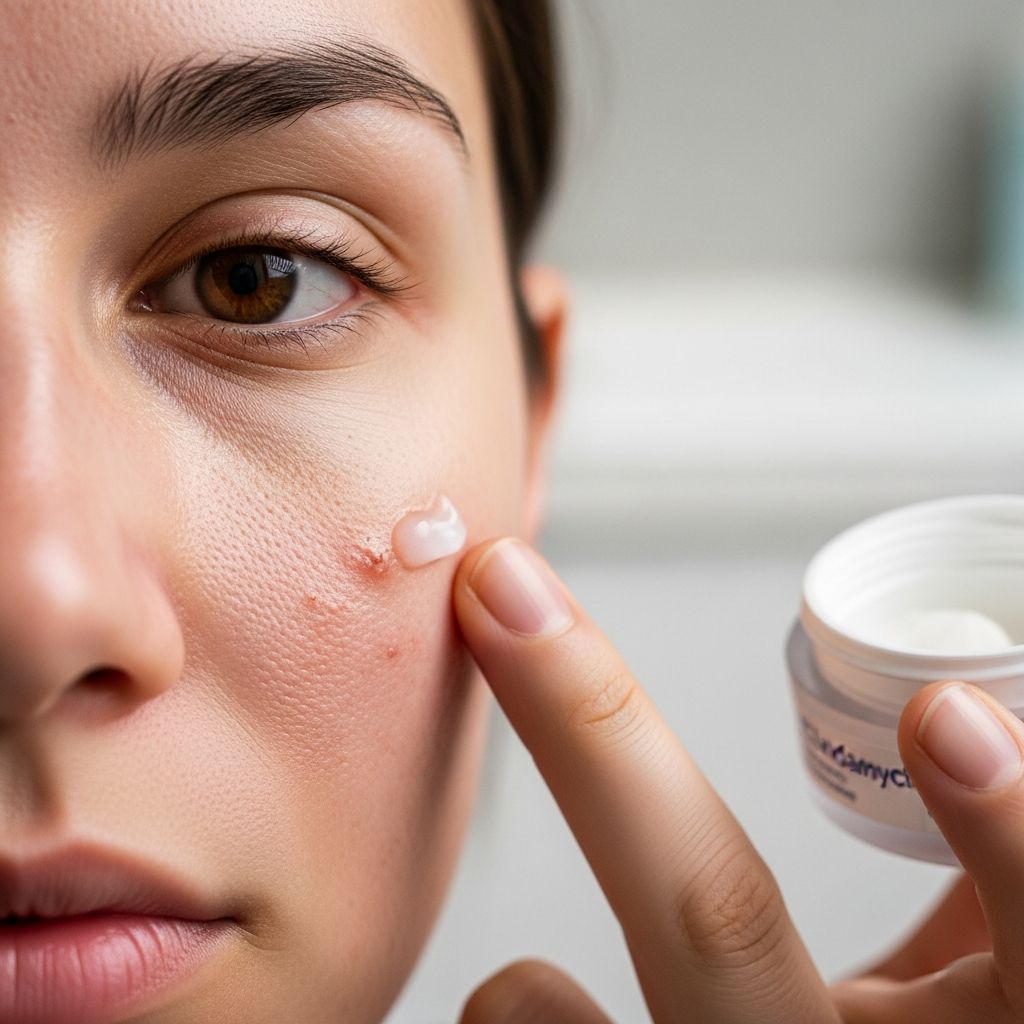
Clindamycin Skin Preparations for Acne: Dalacin T, Zindaclin
Clindamycin is a topical antibiotic medication used to treat acne by eliminating bacteria and reducing inflammation on the skin. Available under brand names such as Dalacin T and Zindaclin, clindamycin skin preparations offer an effective solution for managing acne vulgaris, particularly inflammatory acne lesions. This comprehensive guide explores how clindamycin works, how to use it properly, potential side effects, and its role in modern acne treatment regimens.
About Clindamycin Skin Preparations
| Category | Details |
|---|---|
| Type of Medicine | An antibiotic skin preparation |
| Used For | Acne (acne vulgaris) |
| Brand Names | Dalacin T, Zindaclin, Duac Once Daily (with benzoyl peroxide), Treclin (with tretinoin) |
| Available Forms | Solution, lotion, and gel |
| Typical Dosage | Once or twice daily application, as prescribed |
Clindamycin is a lincomycin-class antibiotic that has been used for decades in dermatological practice to manage acne effectively. It comes in multiple formulations to suit different skin types and preferences, allowing healthcare providers to customize treatment based on individual patient needs.
Understanding Acne and How Clindamycin Works
Acne overview: Acne is one of the most common skin conditions affecting millions of people worldwide. The condition typically develops during teenage years and young adulthood, though it can persist into older age. Acne forms when sebaceous glands beneath the skin produce excess sebum (oil), which mixes with dead skin cells and clogs pores, creating an ideal environment for bacterial growth.
The role of bacteria: Cutibacterium acnes (formerly known as Propionibacterium acnes) is the primary bacterium responsible for acne development. When pores become blocked, this bacterium multiplies rapidly, triggering inflammation and the formation of painful pustules, cystic lesions, and blackheads.
How clindamycin works: Clindamycin works through two primary mechanisms to combat acne. First, it stops bacterial growth by inhibiting protein synthesis in cutibacterium acnes, preventing the microorganism from multiplying and spreading. Second, it provides anti-inflammatory benefits by reducing the inflammatory response triggered by bacterial colonization, helping skin appear more radiant and reducing redness associated with active acne lesions.
Application and Usage Guidelines
Proper application is essential for achieving optimal results with clindamycin skin preparations. Follow these detailed guidelines for safe and effective use:
- Preparation: Wash and gently dry your skin before application. Wait at least 30 minutes after shaving or washing to allow the skin to fully dry and minimize irritation.
- Application area: Apply the preparation to the entire affected area of skin, not just individual spots. If acne appears on your chin, apply to your entire face. If breakouts occur on your chest, treat your entire chest region. This comprehensive approach helps prevent new breakouts from developing.
- Thin layer: Use a thin layer of the medication, applying just enough to cover the affected area without excessive buildup.
- Frequency: Follow your doctor’s instructions regarding application frequency. Some clindamycin preparations are used once daily, while others require twice-daily application (typically morning and evening).
- Timing: Try to apply the medication at the same time each day to establish a consistent routine and maximize efficacy.
- Missed dose: If you miss an application, use the medication as soon as you remember. Do not double dose or apply extra medication to compensate.
- Hand hygiene: Always wash your hands thoroughly after application to avoid spreading bacteria to other areas or contaminating the medication.
Timeline for Results and Effectiveness
Many patients expect immediate results from acne medications, but clindamycin requires patience and consistent use. Understanding the realistic timeline helps maintain compliance and expectations:
- 1 day: Clindamycin begins working at the cellular level immediately after application, with bacterial growth inhibition starting within the first 24 hours.
- 4-6 weeks: Most patients begin noticing visible improvements in their acne after four to six weeks of regular, consistent use. Inflammation typically reduces, and existing lesions begin to flatten and fade.
- 8-12 weeks: Full therapeutic benefits are usually achieved after 8 to 12 weeks (approximately three months) of continuous treatment. Some studies demonstrate that topical clindamycin at 1% concentration effectively reduces inflammatory acne lesions after 8 weeks of twice-daily application.
Related Stories



Consistency is crucial for success. Missing applications or stopping treatment prematurely can significantly delay results and reduce overall effectiveness.
Combination Therapy Approaches
Dermatologists frequently recommend using clindamycin in combination with other acne-fighting ingredients rather than as monotherapy. This multi-pronged approach addresses different aspects of acne pathogenesis:
- Clindamycin + Benzoyl Peroxide: This combination (available as Duac Once Daily and Benzaclin) pairs the antibacterial and anti-inflammatory effects of clindamycin with benzoyl peroxide, which kills acne bacteria and unplugs blocked pores. Benzoyl peroxide also helps prevent antibiotic resistance.
- Clindamycin + Tretinoin: Treclin combines clindamycin with tretinoin (a retinoid), addressing both bacterial growth and providing exfoliating benefits to unclog pores and promote skin cell turnover.
- Clindamycin + Topical Retinoids: Adapalene (Differin) or other retinoids enhance clindamycin’s effectiveness by promoting cellular turnover and preventing pore blockage.
Combination therapy is generally more effective than clindamycin monotherapy alone, particularly for moderate to severe acne.
Available Formulations
Clindamycin skin preparations come in multiple forms, each with distinct advantages:
- Solutions: Liquid formulations that spread easily and are suitable for larger surface areas. Some may contain alcohol, which can sting or cause mild burning upon application.
- Gels: Thick, non-greasy formulations ideal for oily or combination skin types. They tend to be less drying than some other options.
- Lotions: Lightweight, moisturizing formulations that work well for sensitive or dry skin types. They provide hydration while delivering active medication.
Your dermatologist will recommend the most appropriate formulation based on your skin type, the severity of your acne, and your personal preferences.
Side Effects and Tolerability
While clindamycin is generally well-tolerated, some patients experience side effects that typically improve with continued use as skin adjusts to the medication:
Common side effects:
- Mild skin irritation and redness
- Itching or dryness
- Flakiness or minor peeling
- Oiliness or excessive sebum production
Managing common side effects: If you experience mild side effects, you can temporarily reduce application frequency or stop using the preparation for a day or two to allow your skin to recover. These effects usually diminish as your skin becomes accustomed to the medication. However, if side effects persist, worsen, or become troublesome, contact your doctor for guidance.
Serious side effects: Contact your doctor immediately if you develop diarrhea during clindamycin treatment, as this may indicate a serious gastrointestinal issue. Clindamycin is not suitable for patients with a history of colitis, ulcerative colitis, or regional enteritis due to the risk of severe complications.
Drug interactions: Clindamycin can interact with other medications, particularly other antibiotics or antibacterial preparations. Always inform your healthcare provider of all medications you are taking before starting clindamycin treatment.
Important Precautions and Contraindications
- Medical history: Inform your doctor if you have a history of gastrointestinal problems, colitis, or ulcerative colitis before using clindamycin.
- Pregnancy and breastfeeding: Discuss with your healthcare provider if you are pregnant, planning to become pregnant, or breastfeeding, as clindamycin may not be appropriate in these situations.
- Medication interactions: Always consult with your healthcare provider before combining clindamycin with other medications, supplements, or skincare products, particularly other antibiotics.
- Sun exposure: While not photosensitizing, protect treated skin from excessive sun exposure and use sunscreen (SPF 30 or higher) during daytime.
What Clindamycin Does Not Do
Understanding clindamycin’s limitations helps set realistic expectations. Clindamycin does not exfoliate or directly unclog pores like chemical exfoliants such as beta hydroxy acids (BHAs) or alpha hydroxy acids (AHAs). This is why dermatologists often recommend combining clindamycin with exfoliating agents or retinoids to provide comprehensive acne treatment addressing multiple contributing factors.
Clinical Evidence Supporting Clindamycin
Numerous clinical studies support clindamycin’s effectiveness in acne management. Research demonstrates that topical 1% clindamycin significantly reduces inflammatory acne lesions when applied twice daily for eight weeks or longer. Published data spanning several decades confirms both the efficacy and safety of topical clindamycin for acne vulgaris, establishing it as a gold-standard topical antibiotic treatment in dermatological practice.
Duration of Treatment
Dermatologists typically recommend using topical clindamycin for approximately three months (12 weeks) to assess full therapeutic benefits. Short-term use combined with other complementary treatments often produces optimal results. Extended use should be discussed with your healthcare provider to minimize the development of antibiotic resistance.
Frequently Asked Questions
Q: How long does clindamycin take to work for acne?
A: Clindamycin begins working within 24 hours, but visible improvements typically appear after four to six weeks of consistent use. Full benefits usually manifest after eight to twelve weeks of treatment.
Q: Can I use clindamycin if I have sensitive skin?
A: Yes, but choose a lotion formulation which tends to be gentler than solutions. Start with lower application frequency and gradually increase as tolerated. Consult your dermatologist if you experience persistent irritation.
Q: Is it safe to use clindamycin long-term?
A: While generally safe, long-term antibiotic use can promote bacterial resistance. Most dermatologists recommend three-month treatment periods followed by reassessment. Avoid using clindamycin as monotherapy for extended periods.
Q: Can I spot-treat with clindamycin?
A: No. Apply clindamycin to your entire affected area, not just individual spots. This comprehensive approach prevents new breakouts and provides consistent treatment across the region prone to acne.
Q: Should I use clindamycin with benzoyl peroxide?
A: Combination therapy with benzoyl peroxide is highly recommended and often more effective than clindamycin alone. Benzoyl peroxide helps prevent antibiotic resistance while providing complementary acne-fighting benefits.
Q: What should I do if I miss a dose?
A: Apply the medication as soon as you remember. Do not double dose or skip doses to compensate. Consistency is important, so establish a daily routine to minimize missed applications.
Q: Are there any foods or activities I should avoid while using clindamycin?
A: No dietary restrictions exist for topical clindamycin. However, avoid sun exposure to treated areas and use sunscreen. Wait 30 minutes after shaving or washing before applying the medication.
Q: Can clindamycin treat all types of acne?
A: Clindamycin is most effective for inflammatory acne (pimples and pustules) and cystic acne. It may be less effective for comedonal acne without inflammation. Your dermatologist will determine if clindamycin is appropriate for your specific acne type.
Conclusion
Clindamycin skin preparations like Dalacin T and Zindaclin represent evidence-based topical treatments for acne that address bacterial overgrowth and inflammatory responses. By understanding proper application techniques, maintaining realistic timelines for improvement, and combining clindamycin with complementary treatments, patients can maximize therapeutic benefits while minimizing side effects. Always consult with your healthcare provider regarding appropriate use, potential interactions, and individualized treatment plans tailored to your specific acne presentation and medical history.
References
- Topical Clindamycin in the Management of Acne Vulgaris — National Institutes of Health (PubMed). 2024. https://pubmed.ncbi.nlm.nih.gov/38834223/
- Clindamycin Topical: MedlinePlus Drug Information — U.S. National Library of Medicine. https://medlineplus.gov/druginfo/meds/a609005.html
- Benzoyl Peroxide and Clindamycin (Topical Application Route) — Mayo Clinic. https://www.mayoclinic.org/drugs-supplements/benzoyl-peroxide-and-clindamycin-topical-application-route/description/drg-20073165
- How Long Does It Take for Clindamycin to Work for Acne? — GoodRx. https://www.goodrx.com/cleocin-t/how-long-does-it-take-for-clindamycin-to-work
- Clindamycin Topical Lotion: Acne Treatment & Side Effects — Cleveland Clinic. https://my.clevelandclinic.org/health/drugs/19438-clindamycin-topical-lotion
- Clindamycin for Acne: Efficacy, Safety & More — Healthline. https://www.healthline.com/health/clindamycin-for-acne
Similar Articles








Read full bio of medha deb