Clobazam For Epilepsy: 5 Key Facts You Should Know
Comprehensive guide to clobazam (Frisium) for epilepsy treatment, dosage, side effects, and patient advice.
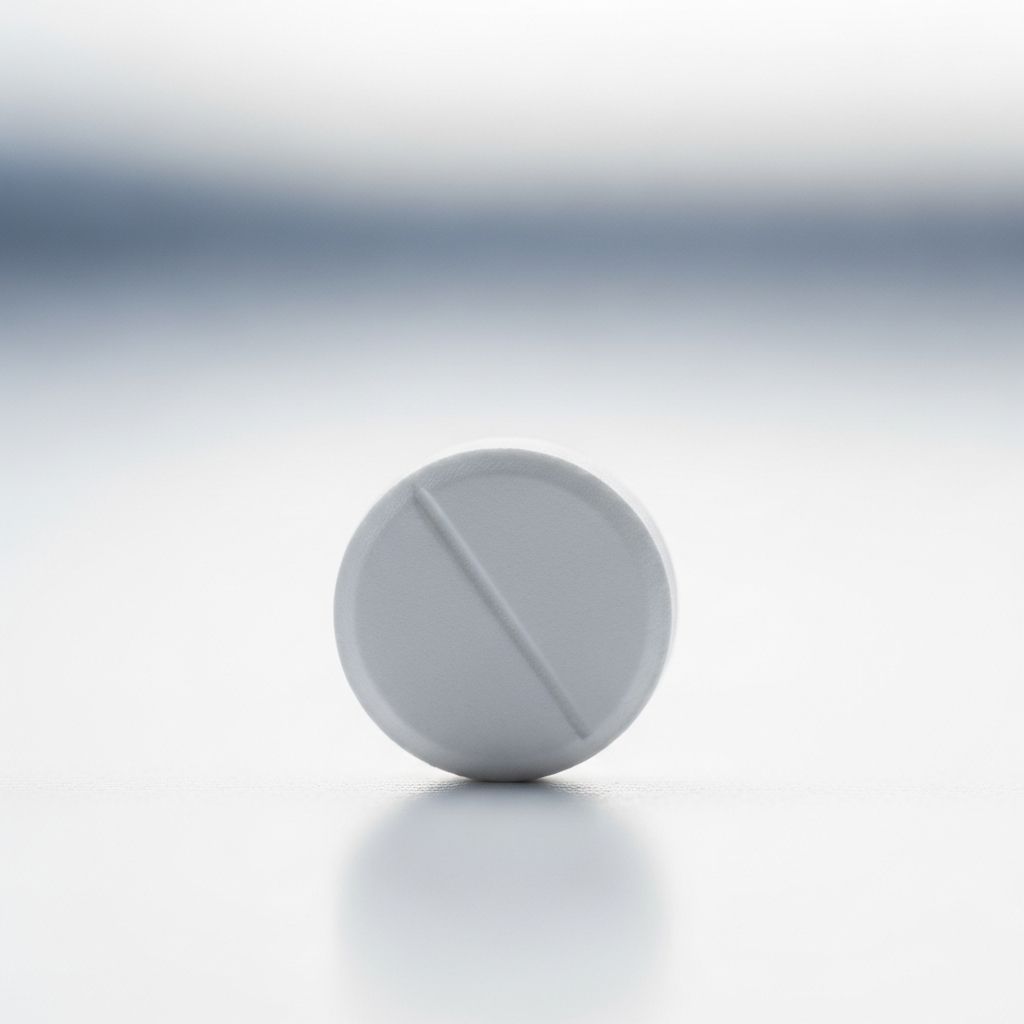
Clobazam is a benzodiazepine anti-epileptic medicine used alongside other treatments to control seizures in epilepsy for adults and older children. It stabilises brain electrical activity to reduce seizure frequency and severity.
| Type of medicine | A benzodiazepine anti-epileptic medicine |
|---|---|
| Used for | Epilepsy |
| Also called | Frisium®; Perizam®; Tapclob®; Zacco® |
| Available as | Tablets and oral liquid medicine |
About clobazam for epilepsy
Clobazam treats epilepsy by calming excessive electrical activity in the brain that causes seizures. As a 1,5-benzodiazepine, it has fewer sedative effects than classic benzodiazepines, making it suitable for long-term adjunctive use in drug-resistant epilepsy. It relaxes muscles that stiffen during seizures, reducing their number and intensity. Studies show it achieves ≥50% seizure reduction in up to 49.4% of patients and seizure freedom in 7.2% as add-on therapy.
Epilepsy affects about 1% of people, with 30% having drug-resistant cases needing multiple drugs. Clobazam is often added when first-line treatments fail, particularly for focal-onset seizures and Lennox-Gastaut syndrome (LGS).
Key facts about clobazam
- Start low, go slow: Begin with a small dose, increasing gradually over weeks to minimise drowsiness.
- Sedation risk: Causes sleepiness, especially initially; effects may linger next day. Avoid driving until tolerant.
- Dependency: Long-term use possible but taper off slowly to avoid withdrawal seizures.
- Not for all: Approved for adjunctive use in LGS (ages ≥2), focal seizures, and certain childhood epilepsies.
- Alcohol ban: Never mix with alcohol, worsens sedation.
How and when to take clobazam
Follow your doctor’s exact instructions; doses are personalised. Typically start low (e.g., 5-10 mg/day) and titrate up over 2-4 weeks. Usual adult maintenance: 10-30 mg daily, up to 60-80 mg in resistant cases, single or divided doses.[10] Children: Weight-based, often 0.5-1 mg/kg/day max.
Dosage table
| Age Group | Starting Dose | Maintenance Dose |
|---|---|---|
| Adults | 5-10 mg/day | 10-30 mg/day (up to 80 mg) |
| Children >2 years (LGS) | 0.25-0.5 mg/kg/day | Up to 1 mg/kg/day (max 40 mg) |
| Elderly | Lower starting dose | Titrate slowly |
Take with or without food. For oral liquid, use provided measure. Tablets can be swallowed, chewed, or dispersed in water. If missed, take soon as remembered unless near next dose—never double.
What if I forget a dose?
Take as soon as possible. Skip if almost time for next. Never double up.
Common questions about clobazam
- Can I drive? No, until you know effects; sedation impairs reactions.
- Pregnancy safe? Risky; discuss with doctor. May harm fetus.
- Stops working? Tolerance rare with clobazam vs other benzos.
Side-effects of clobazam
Most common: drowsiness (up to 30%), especially early. Others: dizziness, ataxia, fatigue, drooling (kids). Serious: respiratory depression (rare), behavioural changes, dependence. Withdrawal: anxiety, seizures if abrupt stop.
| Common (>1/10) | Less common | Serious (seek help) |
|---|---|---|
| Sleepiness, tiredness | Drooling, poor coordination | Breathing issues, aggression |
| Irritability, confusion | Severe allergy (rash, swelling) |
Related Stories



Tolerance to sedation develops in 1-2 weeks. Monitor salivation in kids. Cochrane notes low withdrawal rate (17/197 vs 12 placebo).
Dealing with side-effects
- Drowsiness: Take at night, reduce dose if persists.
- Drooling: Use anticholinergics if needed.
- Behaviour: Dose-related; adjust carefully.
How to cope with clobazam side-effects
Stay hydrated, avoid alcohol/machinery. Night dosing helps daytime function. Inform doctor of persistent issues—may adjust dose or switch.
Pregnancy and breastfeeding with clobazam
Not first-choice; risks include congenital malformations, neonatal withdrawal. Breastfeeding: Passes into milk, monitor infant sedation. Consult specialist.
Other medicines, food and drink with clobazam
Interacts with CNS depressants (alcohol, opioids—increased sedation), CYP inhibitors (higher levels). Grapefruit may increase effects. Inform doctor of all meds.
Common questions about clobazam
Will clobazam affect my fertility?
No evidence of impact.
Can I take clobazam for a long time?
Yes, for chronic epilepsy. Lowest effective dose.
Does clobazam cause tolerance?
Less than other benzos; efficacy maintained.
Frequently asked questions (FAQs)
How does clobazam work for epilepsy?
Enhances GABA, stabilises brain activity, reduces seizures.
Who benefits most from clobazam?
Drug-resistant focal seizures, LGS, Dravet syndrome per NICE.
What if I stop clobazam suddenly?
Risks withdrawal seizures; taper under doctor guidance.
Is clobazam safe for children?
Yes, ≥2 years for LGS; monitor drooling, behaviour.
How effective is clobazam?
50%+ reduction in 52-57% (focal); 15% seizure-free.
About NICE guidance on clobazam
NICE recommends as adjunct for failed first-line in focal/tonic-clonic seizures, benign childhood epilepsies, Dravet, GTCS only.
Further reading and references
Consult epilepsy specialist. Monitor EEG, bloods as advised.
References
- Clobazam and Its Use in Epilepsy — M Pernea et al. PMC. 2016-06-28. https://pmc.ncbi.nlm.nih.gov/articles/PMC4933812/
- Clobazam as an add-on treatment in the management of drug-resistant epilepsy — Cochrane Database. 2018-10. https://www.cochrane.org/evidence/CD004154_clobazam-add-treatment-management-drug-resistant-epilepsy
- Clobazam for epilepsy (Frisium, Tapclob) — Patient.info. Recent access 2026. https://patient.info/medicine/clobazam-for-epilepsy-frisium
- Clobazam — Epilepsy Foundation. Recent. https://www.epilepsy.com/tools-resources/seizure-medication-list/clobazam
- Clobazam 10 mg Tablets PIL — medicines.org.uk. Recent. https://www.medicines.org.uk/emc/files/pil.15103.pdf
Similar Articles








Read full bio of medha deb