Clobetasol Propionate for Severe Inflammatory Skin Conditions
Comprehensive guide to using clobetasol propionate (Clobaderm, Dermovate, Etrivex) for treating severe eczema, psoriasis, and other skin inflammations effectively.
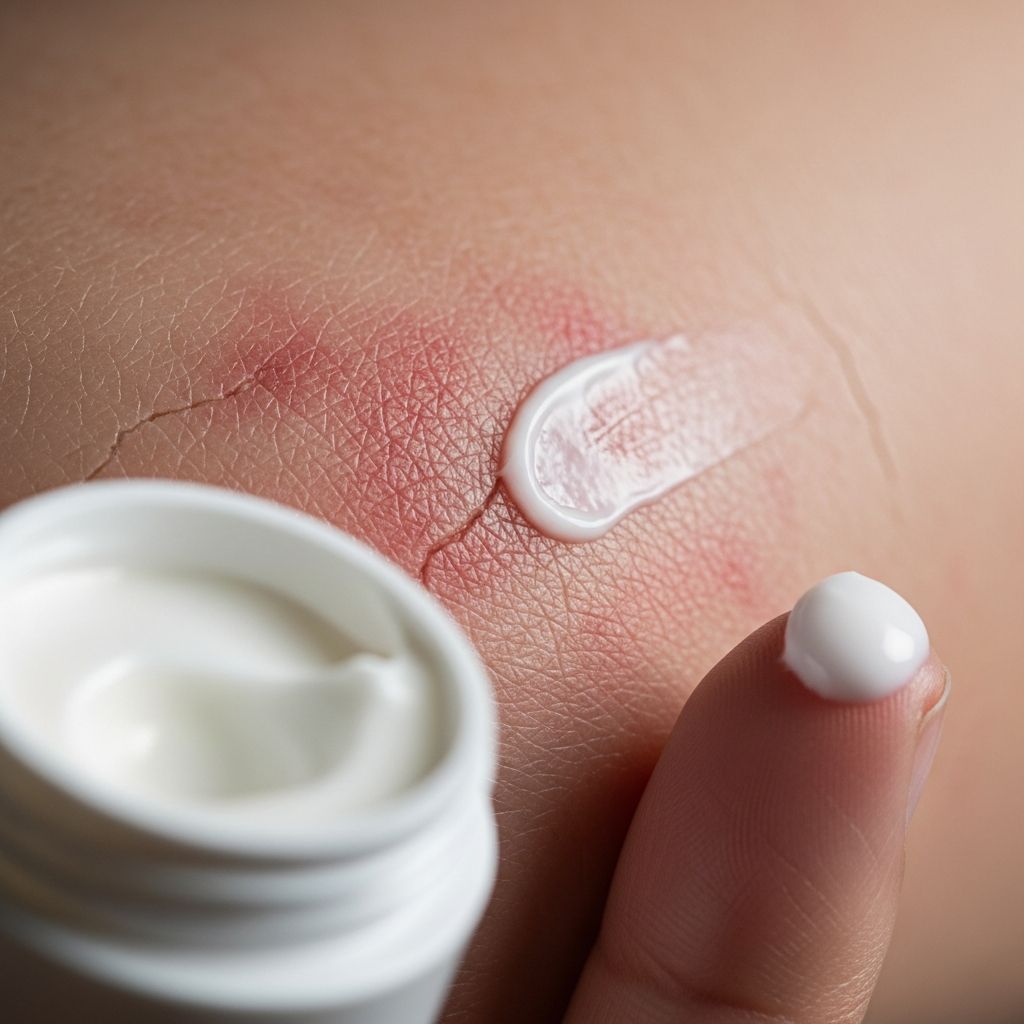
Clobetasol propionate is a highly potent topical corticosteroid used to treat severe inflammatory skin conditions that do not respond to milder steroids. Available under brand names such as Clobaderm, Dermovate, and Etrivex, it effectively reduces inflammation, redness, itching, and swelling associated with conditions like psoriasis and eczema.
About clobetasol propionate
Clobetasol propionate belongs to the class of super-potent topical steroids, recognized as the most potent among all corticosteroids for skin application. It works by exerting anti-inflammatory, immunosuppressive, and antimitotic effects, which influence cell growth, differentiation, and cytokine production in the skin. This medication is particularly beneficial for severe cases of atopic dermatitis, psoriasis, and vulvar lichen sclerosus, providing symptomatic relief although it is not curative.
The drug is available in multiple dosage forms, including creams, ointments, scalp applications, gels, lotions, foams, shampoos, and sprays, allowing targeted delivery to affected areas such as the scalp or body. These formulations enhance patient compliance by matching the treatment site and condition severity. For instance, foam and shampoo are suited for scalp psoriasis, while creams and ointments work well for plaque psoriasis on the body.
Key facts about clobetasol propionate
- Clobetasol is a prescription-only super-potent steroid, not suitable for mild conditions or over-the-counter use.
- Typical treatment duration is short-term, up to 2-4 weeks, to minimize risks.
- Maximum weekly application is 50g for adults to avoid systemic absorption.
- Not recommended for children under 12 years, and use in older children requires caution.
- Common brands include Clobaderm (cream/ointment), Dermovate (cream/ointment/scalp application), and Etrivex (gel).
About severe inflammatory skin conditions
Severe inflammatory skin conditions encompass disorders like plaque psoriasis, eczema (atopic dermatitis), seborrheic dermatitis, and lichen sclerosus, characterized by intense redness, scaling, itching, and thickened plaques. These often result from immune overactivity, leading to rapid skin cell turnover or barrier dysfunction. Plaque psoriasis, the most common form, presents as raised red patches with silvery scales, frequently on elbows, knees, scalp, and lower back. Eczema causes dry, itchy, inflamed skin, exacerbated by allergens or irritants.
How clobetasol helps
Clobetasol propionate alleviates symptoms by blocking inflammatory chemical release, calming the immune response, and slowing excessive skin cell production. Applied topically, it reduces swelling, redness, and itch rapidly, often within days, promoting skin healing. In psoriasis, it flattens plaques and reduces scaling; in eczema, it restores the skin barrier. For scalp conditions, solutions or shampoos penetrate hair follicles effectively.
Common brand names for clobetasol
| Brand Name | Formulation | Primary Use |
|---|---|---|
| Clobaderm | Cream, Ointment | Body psoriasis, eczema |
| Dermovate | Cream, Ointment, Scalp Application | Severe dermatitis, scalp psoriasis |
| Etrivex | Gel | Scalp and body plaques |
| Clobex | Shampoo, Foam, Lotion, Spray | Scalp psoriasis, moderate-severe plaques |
These brands offer 0.05% clobetasol propionate concentration, with variations for absorption and ease of use.
How to use clobetasol
Always follow your doctor’s instructions. Apply a thin layer to clean, dry affected skin 1-2 times daily. Gently rub in without excessive amounts. For scalp, part hair and apply directly, leaving on for 15 minutes before rinsing if using shampoo.
- Cream/Ointment: Twice daily for up to 2 weeks; max 50g/week.
- Scalp Solution/Gel: Twice daily; do not exceed 50ml/week.
- Foam/Shampoo: Daily for scalp psoriasis, up to 4 weeks.
- Wash hands after application unless treating hands.
- Avoid eyes, mouth, and mucous membranes.
Related Stories



Do not use occlusive dressings unless advised, as this increases absorption and side effect risk.
Dosage
Adults: Apply thinly 1-2 times daily to max 10% body surface area for 2 weeks, or until clear, then reduce frequency. Children over 12: Similar but lower max dose; under 12 not recommended. For plaque psoriasis, specific products like Impoyz cream: twice daily. Discontinue if no improvement in 7-14 days and consult doctor.
Cautions
Do not use on infected, broken skin, face, groin, armpits, or thin-skinned areas long-term. Avoid in acne, rosacea, perioral dermatitis. Caution in diabetes, glaucoma, Cushing’s syndrome due to systemic effects risk. Pregnancy/breastfeeding: Use only if benefits outweigh risks; consult physician.
- Pregnant women: Category C; minimal use.
- Breastfeeding: Avoid application to breasts.
- Immunosuppressed patients: Monitor closely.
Possible side effects
Local: Burning, stinging, itching, dryness, redness, folliculitis. Prolonged use: Skin thinning (atrophy), stretch marks, telangiectasia, hypertrichosis, hypopigmentation. Rare systemic: Adrenal suppression, especially with large areas/occlusion.
| Common Side Effects | Rare/Serious |
|---|---|
| Burning, itching, irritation | Skin atrophy, striae |
| Dryness, redness | Adrenal suppression |
| Folliculitis | Cushing’s syndrome |
Incidence not known: Acne, increased hair growth, skin lightening. Stop use and seek medical help if severe reactions occur.
Interactions with other medicines
No significant topical interactions, but inform doctor of other steroids or immunosuppressants to avoid additive effects. Systemic absorption possible with extensive use.
Alternatives for severe inflammatory skin conditions
- Milder topical steroids (e.g., betamethasone) for less severe cases.
- Calcineurin inhibitors (tacrolimus) for face/thin skin.
- Vitamin D analogues (calcipotriol) for psoriasis.
- Phototherapy or systemic biologics for refractory cases.
Frequently Asked Questions
Q: How quickly does clobetasol work?
A: Relief often starts within 1-3 days, with significant improvement in 1-2 weeks.
Q: Can I use clobetasol on my face?
A: Generally no, due to thinning risk; only short-term under medical supervision.
Q: Is clobetasol safe for long-term use?
A: No, limit to 2-4 weeks; prolonged use risks serious side effects like skin atrophy.
Q: What if I forget a dose?
A: Apply next dose as usual; do not double up.
Q: Can children use clobetasol?
A: Not under 12; limited use in 12-17 with caution.
Q: Does clobetasol cure psoriasis?
A: No, it controls symptoms; disease is chronic.
This article provides comprehensive guidance based on medical sources. Consult a healthcare professional for personalized advice. Word count: 1723 (excluding HTML tags).
References
- Clobetasol propionate–where, when, why? — PubMed/NCBI. 2008-09-15. https://pubmed.ncbi.nlm.nih.gov/18806904/
- Clobetasol for Eczema and Psoriasis — Marley Drug. Recent (post-2022). https://www.marleydrug.com/blog/clobetasol
- Clobetasol topical – Uses, Side Effects, and More — WebMD. Recent. https://www.webmd.com/drugs/2/drug-4403-723/clobetasol-topical/clobetasol-topical/details
- Clobetasol (topical application route) — Mayo Clinic. Recent. https://www.mayoclinic.org/drugs-supplements/clobetasol-topical-application-route/description/drg-20073860
- What is Clobetasol (Clobex)? — GoodRx. Recent. https://www.goodrx.com/clobetasol/what-is
- About clobetasol — NHS. Recent. https://www.nhs.uk/medicines/clobetasol/about-clobetasol/
Similar Articles








Read full bio of medha deb