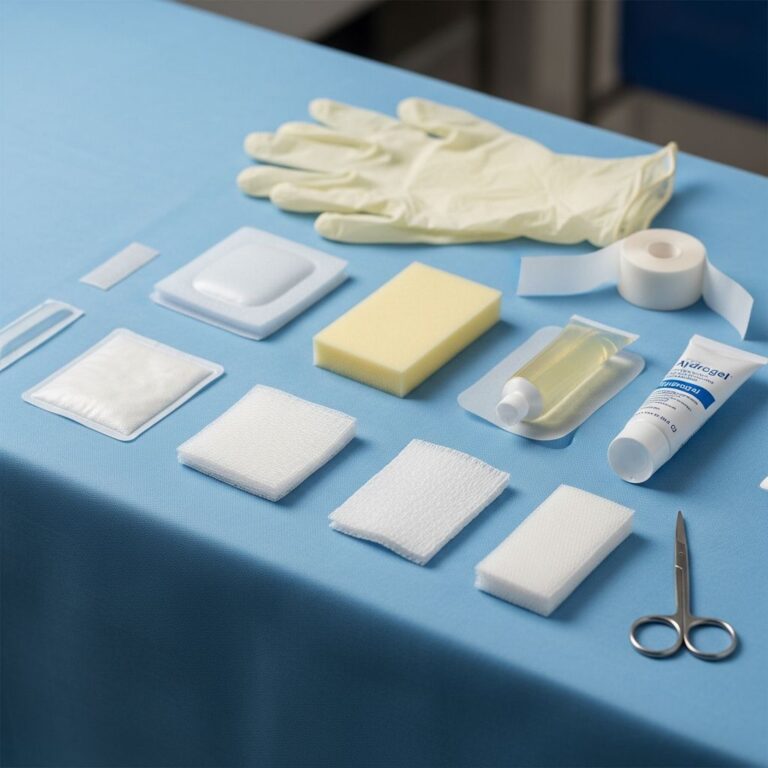
Clobetasol Propionate: Uses, Dosage & Side Effects
Complete guide to clobetasol propionate: uses, dosage, side effects, and safety information.

Clobetasol Propionate: A Comprehensive Guide to Uses and Side Effects
Clobetasol propionate is a potent topical corticosteroid medication designed to treat various inflammatory skin conditions. This ointment works by reducing swelling, redness, itching, and rashes caused by conditions such as eczema and psoriasis. As one of the strongest topical steroids available, clobetasol propionate requires careful use under medical supervision to ensure safe and effective treatment outcomes.
What Is Clobetasol Propionate?
Clobetasol propionate is a Class I (super-potent) topical corticosteroid that works by suppressing the immune system’s inflammatory response in the skin. It is available in multiple formulations including ointments, creams, foams, sprays, and solutions. The medication is applied directly to affected areas of skin and works locally to reduce inflammation, itching, and discomfort associated with various dermatological conditions.
Uses and Indications
Clobetasol propionate is prescribed to treat a wide range of inflammatory skin conditions. The primary uses include:
- Eczema (atopic dermatitis) and other forms of dermatitis
- Psoriasis, including localized plaques and severe cases
- Lichen planus and lichen nitidus
- Pityriasis rosea
- Seborrheic dermatitis
- Vitiligo and other pigmentation disorders
- Severe allergic reactions and contact dermatitis
- Discoid lupus erythematosus
- Other inflammatory skin conditions requiring potent corticosteroid therapy
Due to its high potency, clobetasol propionate is typically reserved for short-term treatment of severe or resistant skin conditions that have not responded to milder corticosteroids.
How to Use Clobetasol Propionate
Application Instructions
Proper application of clobetasol propionate is essential for both effectiveness and safety. Patients should follow these general guidelines:
- Apply a thin layer to the affected area of skin exactly as directed by your healthcare provider
- Wash your hands immediately after application unless treating the hands
- Use only the amount prescribed; do not increase the amount or frequency without medical guidance
- Do not apply to areas of broken skin, open wounds, or areas with active infections
- Avoid applying to sensitive areas such as the face, groin, or underarms unless specifically directed by your doctor
- Do not use cosmetics or other skincare products on treated areas
- If using the foam formulation, do not dispense directly from the can into your hands unless the hands are the affected area
Duration of Treatment
Clobetasol propionate should not be used for extended periods without medical supervision. Most formulations should not be used for more than two consecutive weeks. Your healthcare provider will determine the appropriate duration of treatment based on your specific condition and response to therapy. Treatment may be continued beyond two weeks only under direct medical supervision and if your doctor determines it is necessary.
Dosage Information
Dosage varies depending on the formulation, severity of the condition, and individual patient factors. Your healthcare provider will prescribe the appropriate dosage and frequency of application. Important dosage considerations include:
- Use only the minimum amount necessary to achieve therapeutic benefit
- Avoid using large amounts or applying to extensive body surface areas for prolonged periods
- Children require particular attention to dosage as they have a higher risk of systemic absorption
- Elderly patients may require dosage adjustments based on skin condition and overall health
- Patients with compromised liver or kidney function may need dose modifications
Related Stories



Common Side Effects
While clobetasol propionate is effective for treating inflammatory skin conditions, it can cause side effects, particularly with prolonged use or application to large areas of skin. The most frequently reported side effects include:
Local Side Effects at Application Site
- Burning, stinging, or itching sensation when first applied
- Redness or flushing of the skin
- Dryness or scaling of the skin
- Mild irritation or skin discomfort
These local effects typically subside within a few days as your body adjusts to the medication. However, if burning or stinging persists or worsens, contact your healthcare provider.
Systemic Side Effects
When absorbed through the skin in significant amounts, clobetasol propionate can cause systemic side effects including:
- Changes in skin appearance including thinning, easy bruising, or stretch marks
- Skin atrophy (wasting away) with extended use
- Facial hair growth in women
- Acne or folliculitis
- Hypopigmentation or hyperpigmentation changes
- Skin infections or delayed wound healing
Serious Side Effects and When to Seek Medical Attention
Although serious side effects are rare, they require immediate medical attention. Stop using clobetasol propionate and contact your healthcare provider immediately if you experience:
- Signs of skin infection including increased redness, swelling, oozing, or pus
- Severe or widespread rash that does not improve
- Symptoms of Cushing’s syndrome including round face, weight gain, purple stretch marks, or muscle weakness
- Signs of adrenal insufficiency such as unusual fatigue, weakness, loss of appetite, or mood changes
- Vision changes or eye pain
- High blood sugar symptoms including increased thirst, hunger, or frequent urination
- Allergic reactions including swelling of lips, mouth, throat, or difficulty breathing
Precautions and Contraindications
Who Should Not Use Clobetasol Propionate
Clobetasol propionate is contraindicated in certain patient populations and conditions:
- Patients with known hypersensitivity or allergy to clobetasol or any excipients in the formulation
- Those with viral infections of the skin such as varicella (chickenpox) or herpes simplex
- Patients with untreated bacterial or fungal skin infections at the application site
- Use on areas with diaper dermatitis is not recommended for certain formulations
- Patients with severely compromised liver function
Special Populations
Children require particular caution when using clobetasol propionate. They have an increased risk of systemic absorption due to their higher surface-area-to-body-weight ratio and more permeable skin. Potential risks in children include slowed growth, delayed weight gain, and adrenal gland suppression. Pregnant and nursing women should only use this medication under strict medical supervision, as it may be absorbed systemically.
Drug Interactions
Clobetasol propionate can interact with other medications, particularly when significant systemic absorption occurs. Patients taking medications for diabetes, hypertension, or other systemic conditions should inform their healthcare provider. Additionally, concurrent use of other topical corticosteroids or systemic corticosteroids should be carefully monitored to prevent excessive corticosteroid exposure.
Storage and Handling
Proper storage ensures the medication maintains its effectiveness and safety:
- Store at room temperature away from heat and moisture
- Keep away from children and pets
- Do not freeze or expose to extreme temperatures
- Keep the container tightly closed when not in use
- Do not use after the expiration date printed on the package
Frequently Asked Questions
Q: How long does it take for clobetasol propionate to work?
A: Most patients notice improvement in symptoms such as itching and redness within a few days to one week of starting treatment. However, complete resolution of skin conditions may take longer depending on severity and individual response.
Q: Can I use clobetasol propionate on my face?
A: Clobetasol propionate should not be applied to the face without specific medical direction, as facial skin is more delicate and susceptible to side effects including skin atrophy and easy bruising. Always consult your doctor before using on facial skin.
Q: What should I do if I miss a dose?
A: Apply the missed dose as soon as you remember. However, if it is almost time for your next scheduled application, skip the missed dose and continue with your regular schedule. Do not double the amount to make up for a missed dose.
Q: Can I stop using clobetasol propionate suddenly?
A: If you have been using clobetasol propionate for an extended period, it is important to gradually taper the medication under medical supervision. Abrupt discontinuation can lead to a rebound effect with intensified symptoms or topical steroid withdrawal reaction.
Q: Is clobetasol propionate safe for long-term use?
A: Long-term continuous use of clobetasol propionate is not recommended due to increased risk of skin atrophy, systemic absorption, and other serious side effects. It is typically prescribed for short-term treatment of acute flare-ups of inflammatory skin conditions.
Q: What is topical steroid withdrawal reaction?
A: After prolonged use of clobetasol propionate, some patients may experience a rebound flare characterized by increased redness, burning, and irritation when the medication is stopped. This can be minimized through gradual dose reduction rather than abrupt cessation. Consult your doctor for guidance on proper discontinuation.
When to Contact Your Healthcare Provider
Contact your doctor or healthcare provider if you experience:
- Side effects that persist or worsen despite continued use
- Unexpected symptoms or allergic reactions
- Signs of skin infection at the application site
- Questions about proper application or dosage
- Concerns about systemic effects or side effects
- Desire to discontinue treatment or change formulations
Conclusion
Clobetasol propionate is an effective and potent topical corticosteroid for treating severe inflammatory skin conditions when used appropriately under medical supervision. While it can provide significant relief from symptoms such as itching, redness, and inflammation, careful attention to proper application, duration of use, and monitoring for side effects is essential. Always follow your healthcare provider’s instructions closely and report any concerning symptoms promptly. With proper use and oversight, clobetasol propionate can be a valuable treatment option for managing challenging dermatological conditions.
References
- Clobetasol Topical Application Route: Description, Side Effects, and Dosage — Mayo Clinic. 2024. https://www.mayoclinic.org/drugs-supplements/clobetasol-topical-application-route/description/drg-20073860
- Clobetasol Topical: MedlinePlus Drug Information — National Library of Medicine. 2024. https://medlineplus.gov/druginfo/meds/a686008.html
- Side Effects of Clobetasol — NHS (National Health Service). 2024. https://www.nhs.uk/medicines/clobetasol/side-effects-of-clobetasol/
- Clobetasol: Side Effects, Dosage, Uses, and More — Medical News Today. 2023. https://www.medicalnewstoday.com/articles/clobetasol-topical-cream
- Clobetasol Propionate: Uses & Side Effects — Cleveland Clinic. 2024. https://my.clevelandclinic.org/health/drugs/19019-clobetasol-ointment
- Clobetasol 0.05% Topical Ointment — Kaiser Permanente. 2024. https://healthy.kaiserpermanente.org/health-wellness/drug-encyclopedia/drug.clobetasol-0-05-topical-ointment.272057
Similar Articles








Read full bio of Sneha Tete