Clogged Ears: 8 Causes And Effective Treatments
Discover common causes of clogged ears, effective home remedies, and when to seek medical help for ear pressure relief.
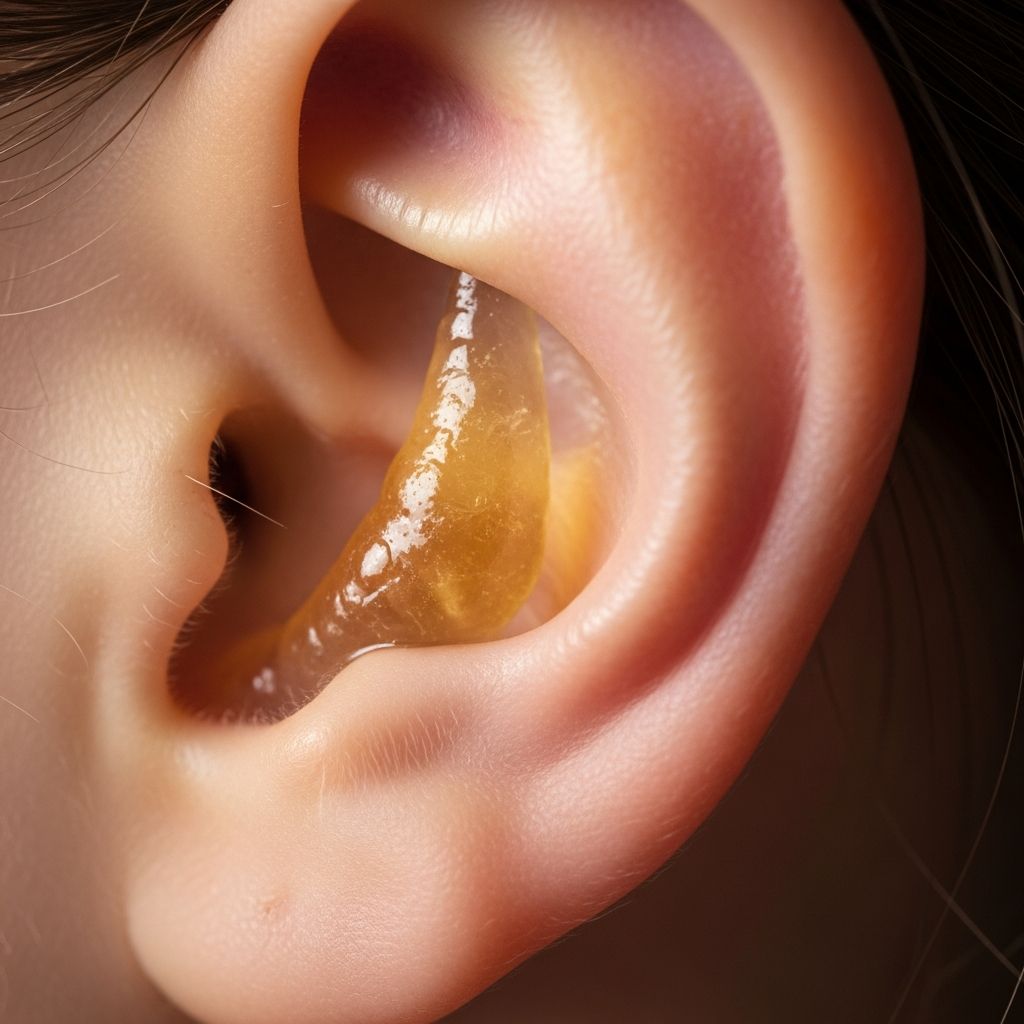
Clogged ears, also known as ear fullness or plugged ears, occur when the pressure in the middle ear does not equalize with the outside environment, often due to eustachian tube dysfunction. This common issue affects people of all ages, causing discomfort, muffled hearing, and popping sensations. Understanding the underlying causes and treatments can provide quick relief and prevent complications.
What Are Clogged Ears?
Clogged ears happen when the
eustachian tube
, a narrow passage connecting the middle ear to the back of the nose and throat, fails to open properly. This tube normally equalizes air pressure and drains fluid. When blocked, it leads to a feeling of pressure buildup, similar to being underwater or on an airplane. Children are particularly prone due to shorter tubes, while adults may experience it from allergies or infections.Symptoms include ear fullness, muffled sounds, popping or clicking noises, pain, tinnitus (ringing), and temporary hearing loss. Most cases resolve naturally, but persistent symptoms warrant medical attention.
Common Causes of Clogged Ears
Several factors can obstruct the eustachian tube or cause middle ear pressure imbalances. Here are the primary culprits:
- Upper Respiratory Infections: Colds, flu, and COVID-19 inflame nasal passages and eustachian tubes, leading to swelling and blockage. This is one of the most frequent causes, with symptoms like ear pressure and muffled hearing.
- Allergies: Seasonal or environmental allergens cause nasal congestion and mucus buildup, narrowing the eustachian tube. Up to 9 in 10 children experience related dysfunction before school age.
- Otitis Media (Middle Ear Infection): Fluid trapped from infections or post-viral swelling fills the middle ear, creating a clogged sensation. Common in children but occurs in adults too.
- Altitude Changes or Air Travel: Rapid pressure shifts during flights or mountain drives prevent equalization, causing the classic ‘airplane ear.’
- Sinus Infections: Sinusitis leads to inflammation that extends to the eustachian tube, exacerbating blockage.
- Pregnancy: Hormonal changes and congestion increase mucus production, contributing to ear fullness.
- Smoking or Tobacco Use: Irritates airways, promoting mucus buildup in tubes.
- Eustachian Tube Dysfunction (ETD): Chronic poor tube function causes autophony (echoing own voice) and persistent fullness.
Rarely, tumors or growths may block the tube, highlighting the need for evaluation if symptoms linger.
Symptoms to Watch For
Beyond fullness, clogged ears may signal more if accompanied by:
- Ear pain or sharp discomfort
- Fever or discharge
- Hearing loss or ringing (tinnitus)
- Balance issues or vertigo
- Muffled hearing persisting beyond days
These warrant prompt medical care to rule out infections or structural issues.
Home Remedies and Treatments for Clogged Ears
Many cases improve with simple self-care. Start with these evidence-based approaches:
Non-Medical Remedies
- Yawning, Swallowing, or Chewing Gum: Activates the eustachian tube to equalize pressure naturally.
- Valsalva Maneuver: Pinch nostrils, close mouth, and gently blow to pop ears (avoid forceful blowing).
- Warm Compress: Apply to the ear for 10-15 minutes to reduce inflammation.
- Humidifier or Steam: Moist air prevents mucus drying and blockage.
- Saline Nasal Spray: Clears nasal passages; use several times daily.
Over-the-Counter Options
| Treatment | Use Case | Notes |
|---|---|---|
| Decongestants (e.g., pseudoephedrine) | Colds, allergies | Avoid if high blood pressure; short-term use. |
| Nasal Steroid Sprays (e.g., Flonase) | Allergies, congestion | 2 weeks for full effect; reduces inflammation. |
| Pain Relievers (ibuprofen, acetaminophen) | Pain, inflammation | Safe for symptom relief. |
Steer clear of caffeine, salt, alcohol, and tobacco, as they worsen dehydration and congestion.
Medical Treatments
- Antibiotics: For bacterial ear or sinus infections only.
- Allergy Shots: Long-term for severe allergies.
- Ear Tubes: Surgical insertion for chronic cases in children or adults.
- Balloon Dilation: Minimally invasive for ETD.
When to See a Doctor
Seek care if symptoms last over a few days, or include fever, discharge, severe pain, hearing loss, or dizziness. Prolonged blockage risks infection or hearing damage. An ENT specialist may perform exams like tympanometry.
Related Stories



Prevention Tips
- Manage allergies with antihistamines.
- Quit smoking to reduce mucus.
- Use filtered earplugs during flights.
- Stay hydrated and use humidifiers in dry climates.
- Treat colds early with saline rinses.
Frequently Asked Questions (FAQs)
Q: How long do clogged ears last?
A: Typically 1-3 days for mild cases; longer with infections or allergies. See a doctor if over a week.
Q: Can COVID-19 cause clogged ears?
A: Yes, via upper respiratory inflammation affecting eustachian tubes.
Q: Are decongestants safe for everyone?
A: No; consult a doctor if pregnant, hypertensive, or on medications.
Q: What’s the best way to unclog ears on a plane?
A: Chew gum, yawn, or use Valsalva/ Toynbee maneuvers during descent.
Q: Do ear candles work for clogged ears?
A: No; they are ineffective and risky per health authorities.
References
- 11 Reasons Your Ears Feel Clogged, and What Can Help — GoodRx. 2023. https://www.goodrx.com/health-topic/ear/why-do-my-ears-feel-plugged
- How to Unclog Stuffy Ears — Piedmont Healthcare. 2023. https://www.piedmont.org/blog/how-to-unclog-stuffy-ear
- Eustachian Tube Dysfunction — National Institute on Deafness and Other Communication Disorders (NIDCD), NIH. 2022-05-02. https://www.nidcd.nih.gov/health/eustachian-tube-dysfunction
- Ear Infections (Otitis Media) — Centers for Disease Control and Prevention (CDC). 2024. https://www.cdc.gov/antibiotic-use/ear-infection.html
- Barotrauma (Airplane Ear) — Mayo Clinic. 2023-07-12. https://www.mayoclinic.org/diseases-conditions/airplane-ear/symptoms-causes/syc-20351701
Similar Articles








Read full bio of medha deb