Clomipramine: Comprehensive Guide To Uses, Dosage & Effects
Comprehensive guide to clomipramine: uses, dosage, side effects, and patient advice for OCD and related conditions.
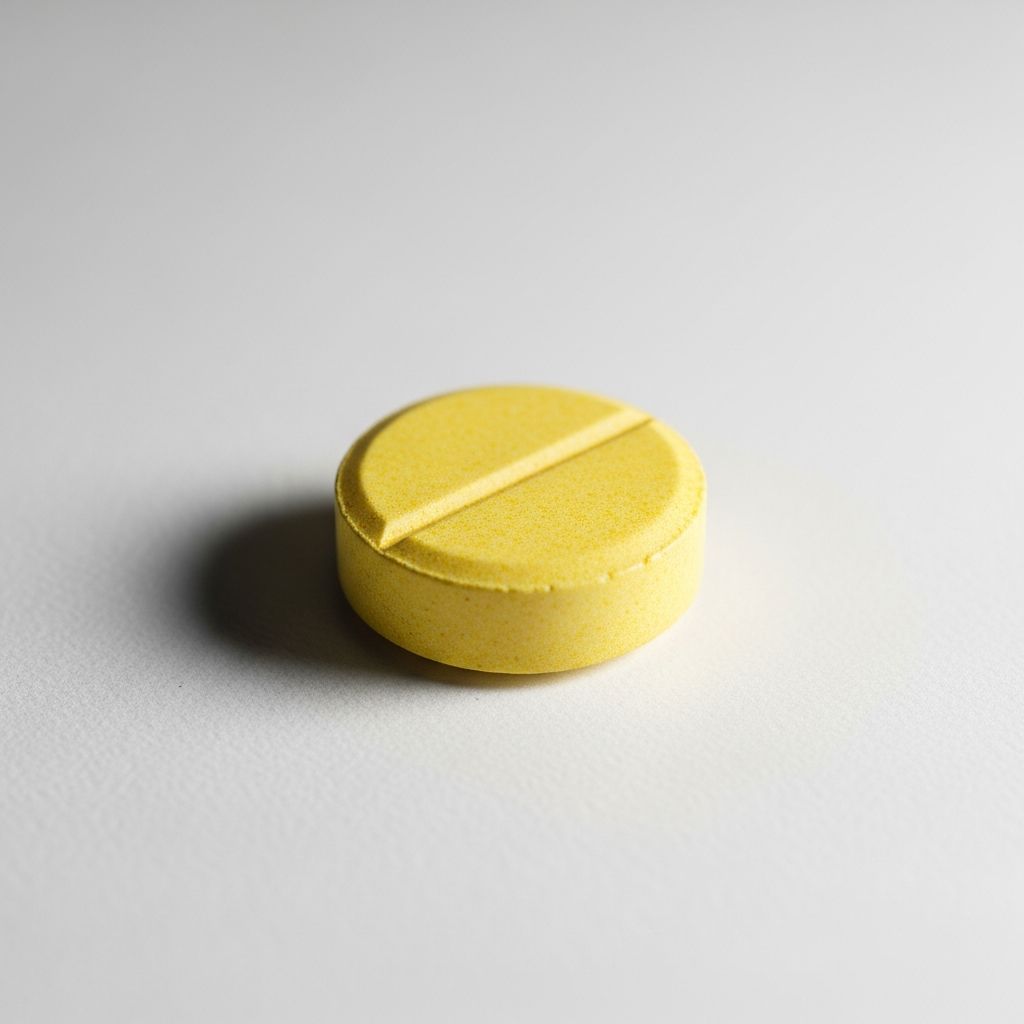
Clomipramine is a tricyclic antidepressant (TCA) primarily used to treat
obsessive-compulsive disorder (OCD)
and conditions with obsessive-compulsive components. It works by increasing serotonin levels in the brain, helping to alleviate intrusive thoughts and compulsive behaviors.About clomipramine
Clomipramine belongs to the class of tricyclic antidepressants, which interfere with brain chemicals like serotonin and norepinephrine. Unlike selective serotonin reuptake inhibitors (SSRIs), clomipramine has a broader effect on multiple receptors, leading to both therapeutic benefits and potential side effects such as sedation and anticholinergic actions (dry mouth, constipation).
The U.S. Food and Drug Administration (FDA) approved clomipramine specifically for OCD in patients aged 10 and older, making it the first medication approved for this condition in 1989. It is also used off-label for depression, panic disorder, chronic pain, cataplexy associated with narcolepsy, and other disorders.
Clomipramine is rapidly absorbed from the gastrointestinal tract and metabolized in the liver to its active metabolite, desmethylclomipramine, which has a longer half-life. Steady-state levels are reached within 7-14 days.
Key facts
- Clomipramine is available as capsules (10 mg, 25 mg, 50 mg) or tablets.
- Full effects for OCD may take 6-12 weeks; continue treatment even if feeling better to prevent relapse.
- Not approved for pediatric use except OCD in children over 10 years.
- Common side effects include drowsiness, dry mouth, nausea, constipation, and weight gain.
- Avoid abrupt discontinuation to prevent withdrawal symptoms like dizziness, headache, and irritability.
About obsessive-compulsive disorder (OCD)
OCD is characterized by unwanted, recurring thoughts (obsessions) that lead to repetitive behaviors (compulsions) to reduce anxiety. It affects about 2-3% of the population and can significantly impair daily life.
Clomipramine reduces OCD symptoms by 37% on the Children’s Yale-Brown Obsessive-Compulsive Scale (CY-BOCS) in children and adolescents, outperforming some SSRIs like sertraline and fluoxetine in meta-analyses.
About depression
Though not FDA-approved for depression, clomipramine is effective off-label due to its inhibition of serotonin and norepinephrine reuptake. It may take 3-4 weeks for mood improvement as brain receptors adapt.
About cataplexy associated with narcolepsy
Narcolepsy involves excessive daytime sleepiness, often with cataplexy—sudden muscle weakness triggered by emotions like laughter or anger. Clomipramine helps by stabilizing muscle control through its effects on brain chemistry.
How and when to take clomipramine
Dosage
Treatment starts at a low dose to minimize side effects, gradually increasing. Typical dosing:
| Condition | Adult Starting Dose | Maintenance Dose | Max Daily Dose |
|---|---|---|---|
| OCD (Adults) | 25 mg/day | 100-250 mg/day | 250 mg |
| OCD (Children 10-17) | 25 mg/day | 100-200 mg/day | 3 mg/kg or 200 mg |
| Depression (off-label) | 25-50 mg/day | 75-150 mg/day | 250 mg |
Doses are often split throughout the day, taken with food to reduce stomach upset. Bedtime dosing minimizes daytime drowsiness.
How to take it
- Swallow capsules whole with water; do not chew.
- If you miss a dose, take it as soon as remembered unless near next dose—do not double up.
- Treatment is long-term; your doctor may advise continuing after symptoms improve.
Caution with other medicines, alcohol, and driving
Clomipramine interacts with many drugs, increasing risks of side effects or serotonin syndrome (symptoms: high fever, muscle stiffness, confusion).
Related Stories



- Avoid: MAO inhibitors (wait 14 days), SSRIs, painkillers like tramadol, quinine, strong opioids, ecstasy.
- Alcohol: Increases drowsiness and dizziness—avoid.
- Driving: May impair concentration; do not drive until you know its effects.
Common questions about clomipramine
How long does clomipramine take to work?
For OCD, 6-12 weeks; anxiety or insomnia may improve sooner. Antidepressant effects take 3-4 weeks.
Is clomipramine a sleeping tablet?
It causes drowsiness but is not for insomnia alone. Use at bedtime if sedating.
Can I take clomipramine for anxiety or panic attacks?
Off-label use for panic disorder and generalized anxiety; consult your doctor.
Does clomipramine cause weight gain?
Yes, common due to appetite increase and metabolic effects.
Can pregnant or breastfeeding women take it?
Use only if benefits outweigh risks; discuss with doctor.
Side-effects
Most side effects are mild and improve over time. Common ones (>1 in 10):
- Drowsiness, dry mouth, constipation, nausea, dizziness, weight gain, blurred vision, sweating.
Serious (seek immediate help):
- Fast/irregular heartbeat, chest pain, seizures, serotonin syndrome signs (fever, rigidity, delirium).
- In overdose: arrhythmias, coma—call emergency services.
Pregnancy and breastfeeding
Clomipramine crosses the placenta and into breast milk. Limited data; use in pregnancy only if essential. Monitor newborns for withdrawal or adaptation issues.
Other medicines, food, and clomipramine
Check with pharmacist before OTC meds. Foods ok, but grapefruit may affect levels (monitor).
Analgesics and clomipramine
Avoid tramadol, codeine—risk of serotonin syndrome. Paracetamol/ibuprofen usually safe.
Other information
Store at room temperature. Report yellowing skin/eyes (liver issues). ECG monitoring for heart risks, especially elderly.
Pharmacology and monitoring
Monitor blood levels if toxicity suspected. Taper dose slowly: reduce 50% every 3 days to 25 mg, then stop.
Frequently Asked Questions
Q: Who should not take clomipramine?
A: Those with recent heart attack, using MAOIs, or allergy to TCAs. Caution in glaucoma, prostate issues, epilepsy.
Q: How to manage dry mouth?
A: Chew sugar-free gum, sip water, use saliva substitutes.
Q: What if I overdose?
A: Seek emergency care. Symptoms: severe drowsiness, seizures, cardiac issues. Lipid emulsion for severe cases.
Q: Is clomipramine addictive?
A: No, but withdrawal occurs if stopped abruptly.
References
- Clomipramine: Uses, Interactions, Mechanism of Action — DrugBank. 2024. https://go.drugbank.com/drugs/DB01242
- Clomipramine – Patient Information — BritMed Healthcare. 2023-10-15. https://britmedhealthcare.co.uk/clomipramine-patient-information/
- Clomipramine — Patient.info. 2024-05-20. https://patient.info/medicine/clomipramine
- Clomipramine — StatPearls, NCBI Bookshelf. 2024-08-11. https://www.ncbi.nlm.nih.gov/books/NBK541006/
- Anafranil (clomipramine hydrochloride) Label — FDA. 2012-07-31. https://www.accessdata.fda.gov/drugsatfda_docs/label/2012/019906s037lbl.pdf
- Clomipramine — MedlinePlus. 2024. https://medlineplus.gov/druginfo/meds/a697002.html
- Clomipramine 10 mg Capsules Patient Information Leaflet — medicines.org.uk. 2023. https://www.medicines.org.uk/emc/files/pil.2550.pdf
Similar Articles








Read full bio of Sneha Tete