Clonidine Patch Guide: 5 Step Application, Dosage, Safety
Comprehensive guide to using clonidine patches for hypertension, menopausal symptoms, and more with application tips and safety advice.
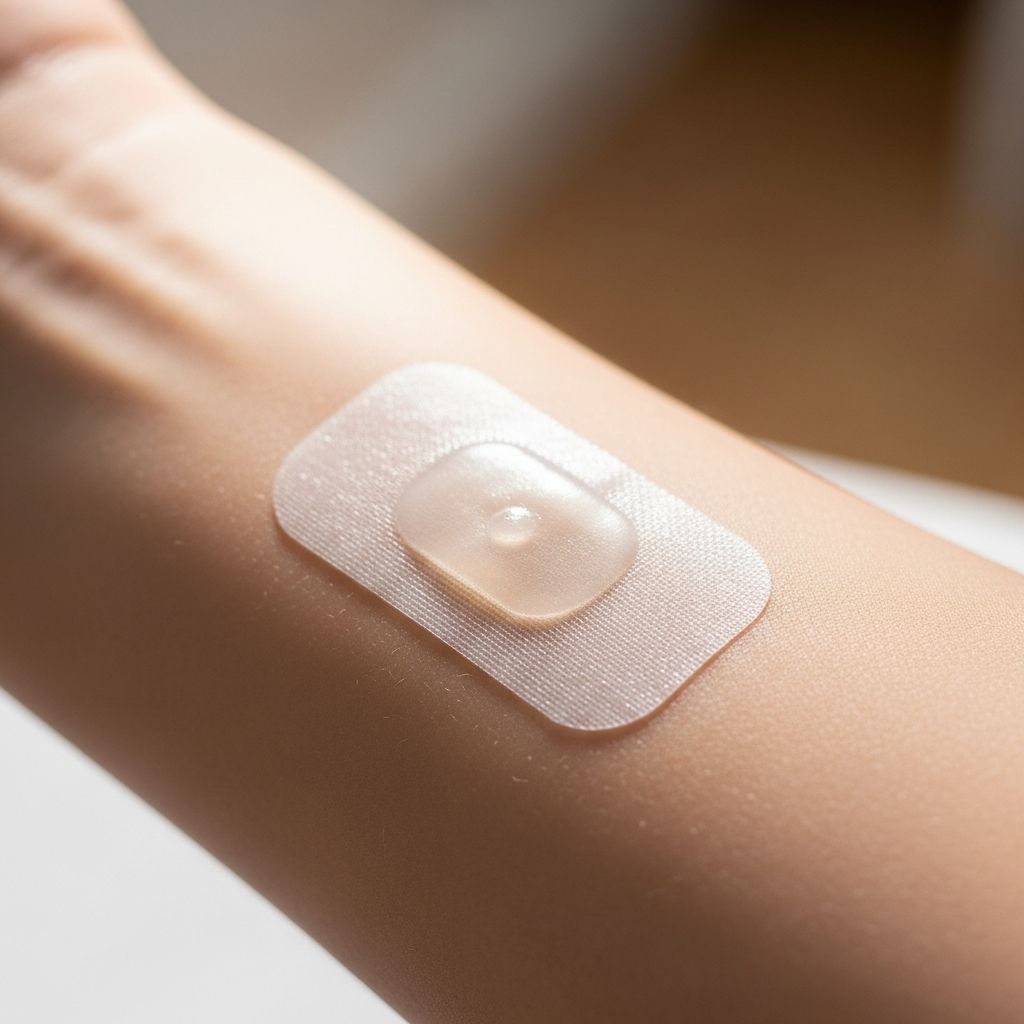
Clonidine patches deliver medication through the skin to manage conditions like high blood pressure and menopausal hot flushes by relaxing blood vessels and reducing sympathetic nervous system activity.
What Is a Clonidine Patch?
Clonidine patches, also known as transdermal systems, provide a steady release of clonidine, an alpha-2 adrenergic agonist, over seven days. This form avoids daily pills, offering consistent drug levels in the bloodstream. The patch adheres to the skin, allowing the active ingredient to pass through into circulation, primarily targeting the central nervous system to lower blood pressure and ease certain symptoms.
Unlike oral tablets, which peak quickly and wane, the patch maintains therapeutic levels for a week, making it suitable for patients needing reliable control without frequent dosing. It contains clonidine in a reservoir behind a rate-controlling membrane, ensuring gradual absorption.
Primary Medical Applications
Clonidine patches are mainly prescribed for hypertension, where they reduce heart workload by dilating arteries and improving oxygen delivery to the heart. They may be used alone or with other drugs.
- Hypertension Management: Lowers blood pressure by acting on brain receptors to decrease nerve signals that constrict vessels.
- Menopausal Hot Flushes: Eases night sweats and flushing by modulating sympathetic responses.
- Other Uses: Off-label for opioid withdrawal, ADHD in children, Tourette syndrome tics, and severe pain adjunct.
For high-risk patients, such as those with heart disease, controlling pressure with patches prevents complications like stroke or kidney damage.
How Clonidine Patches Function
Clonidine stimulates alpha-2 receptors in the brainstem, reducing sympathetic outflow. This leads to vasodilation, slower heart rate, and decreased cardiac output, effectively lowering pressure.
Absorption starts 2-3 days post-application, peaking steadily. After removal, effects linger up to 8 hours, with plasma levels declining over 20 hours.
| Form | Dosage Strengths | Duration | Key Indications |
|---|---|---|---|
| Transdermal Patch | 0.1, 0.2, 0.3 mg/day | 7 days | Hypertension, hot flushes |
| Oral Tablet (for comparison) | 0.1-0.3 mg | Daily | Hypertension, withdrawal |
Step-by-Step Application Instructions
Proper application ensures optimal absorption and minimizes skin issues. Select a clean, dry, hairless area on the upper arm or torso. Avoid cuts, scars, or oily skin.
- Choose a site without irritation or hair; clip if needed, don’t shave.
- Wash hands and area with soap; dry thoroughly.
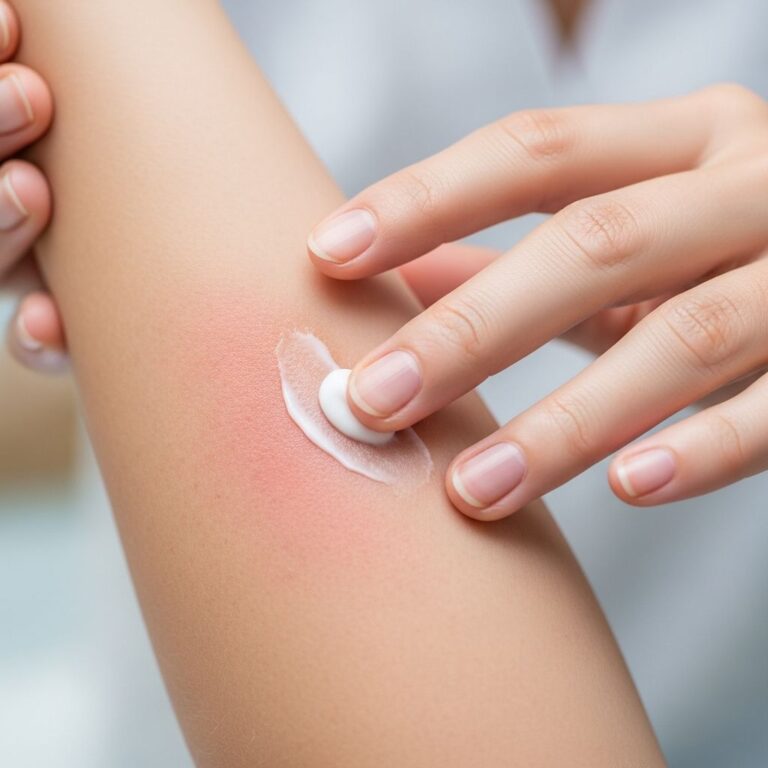
- Peel backing from patch; press firmly onto skin for 10 seconds.
- Rotate sites weekly to prevent irritation; mark calendar for changes.
- Do not cut patches or use damaged ones.
If the patch loosens, tape edges or apply a new one. Dispose used patches safely, folding sticky sides together.
Dosage Guidelines and Adjustments
Adults start with 0.1 mg/day patch, changed weekly. Doctors may increase to 0.2 or 0.3 mg based on response. Children require pediatric dosing.
For hypertension, combine with lifestyle changes. Full effects appear in weeks; monitor blood pressure regularly.
- Initial Dose: 0.1 mg/24 hr patch.
- Maximum: 0.6 mg/day (two patches).
- Menopause: Lower doses often suffice.
Never stop abruptly; taper to avoid rebound hypertension.
Common and Serious Side Effects
Most users experience mild issues that lessen over time.
Frequent Reactions
- Drowsiness or fatigue.
- Dry mouth.
- Constipation.
- Dizziness upon standing (orthostatic hypotension).
- Skin redness at site, usually temporary.
Related Stories



Serious Risks
Rarely, allergic reactions, severe hypotension, or bradycardia occur. Seek immediate help for chest pain, swelling, or fainting.
Skin reactions improve with site rotation; hydrocortisone cream may help mild cases.
Precautions and Who Should Avoid It
Not for those with allergies to clonidine, sick sinus syndrome, or recent heart attack without pacemaker. Use caution in kidney impairment or depression.
- Pregnancy/Breastfeeding: Category C; consult doctor.
- Driving: Avoid until effects known due to sedation.
- Alcohol: Increases drowsiness.
Inform surgeons before procedures; may need temporary halt.
Drug Interactions to Watch
Clonidine amplifies effects of beta-blockers, other antihypertensives, sedatives, or tricyclic antidepressants. Avoid MAO inhibitors.
| Drug Class | Interaction Effect | Advice |
|---|---|---|
| Beta-blockers | Severe hypotension | Monitor closely |
| Alcohol/CNS depressants | Increased sedation | Limit intake |
| Tricyclic antidepressants | Reduced efficacy | Alternative therapy |
Lifestyle Tips for Best Results
Pair patches with diet, exercise, and stress reduction. Measure pressure at home; report readings to your provider.
- Eat low-sodium foods.
- Exercise 30 minutes most days.
- Limit caffeine/alcohol.
- Manage weight.
Handling Missed Doses or Overdose
If forgotten, apply immediately unless near next change; never double up. Overdose signs include extreme drowsiness or slow breathing—call emergency services.
Long-Term Use Considerations
Safe for extended periods with monitoring. Regular check-ups assess efficacy and side effects. It controls, not cures, hypertension.
Frequently Asked Questions (FAQs)
Can I shower with the patch?
Yes, but avoid scrubbing the site. Pat dry after.
How long until it works?
2-3 days for steady levels; full benefits in weeks.
Does it cause weight gain?
Not typically; fluid retention rare.
Can children use it?
Under specialist supervision for ADHD.
What if skin irritates?
Rotate sites; use barrier cream if advised.
Monitoring and Follow-Up
Track blood pressure, heart rate, and symptoms. Lab tests may check kidney function periodically.
References
- Clonidine – StatPearls — NCBI Bookshelf. 2023-07-17. https://www.ncbi.nlm.nih.gov/books/NBK459124/
- About clonidine — NHS. 2023. https://www.nhs.uk/medicines/clonidine/about-clonidine/
- Clonidine (transdermal route) — Mayo Clinic. 2023-10-01. https://www.mayoclinic.org/drugs-supplements/clonidine-transdermal-route/description/drg-20073656
- Catapres-TTS Prescribing Information — FDA. 2012-04-24. https://www.accessdata.fda.gov/drugsatfda_docs/label/2012/018891s028lbl.pdf
- Clonidine Patches — Cleveland Clinic. 2023. https://my.clevelandclinic.org/health/drugs/19082-clonidine-patches
Similar Articles








Read full bio of Sneha Tete