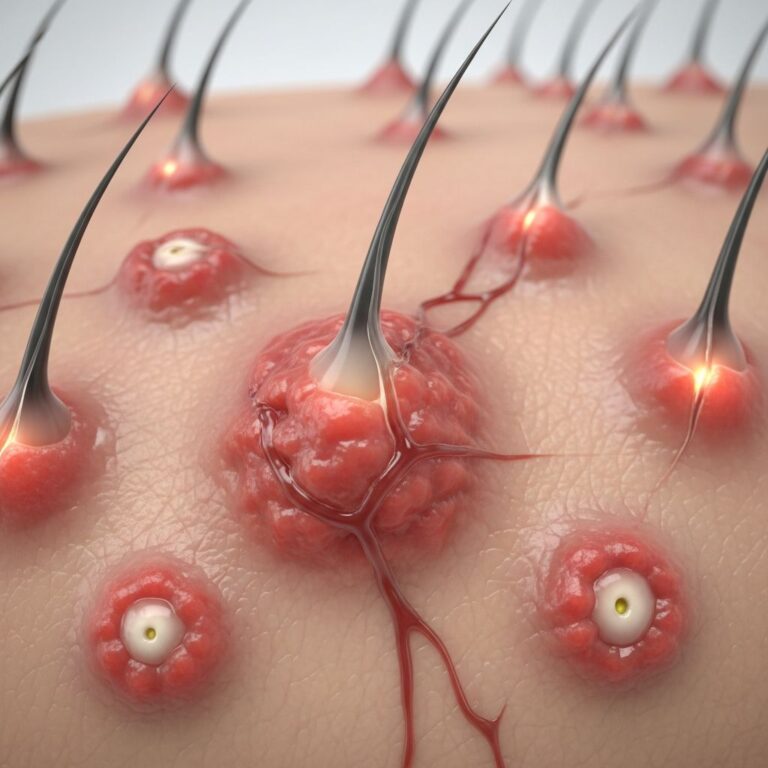
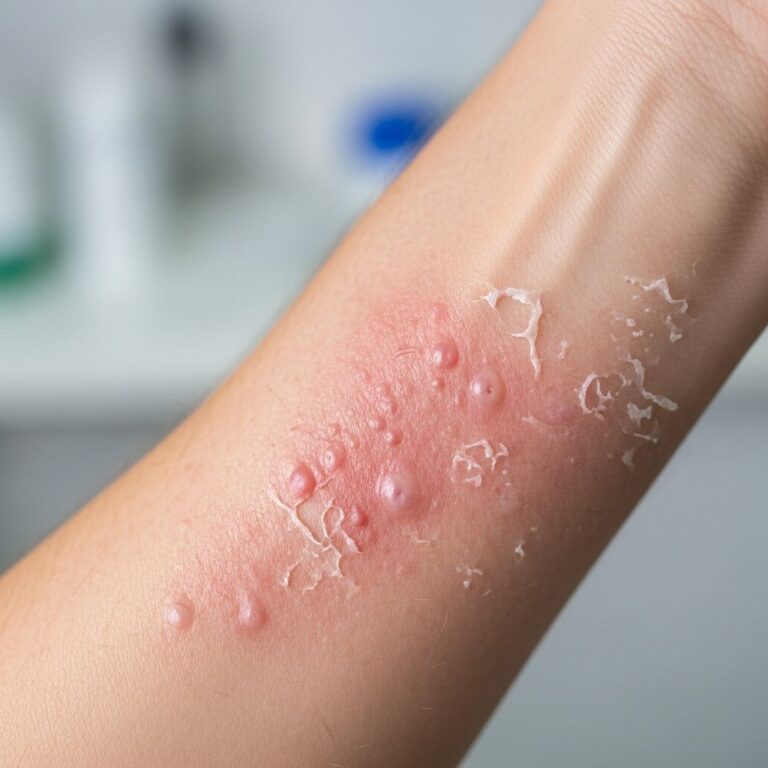
Clotrimazole: Antifungal Skin Cream Guide
Complete guide to clotrimazole cream, lotion, and solution for treating fungal skin infections.
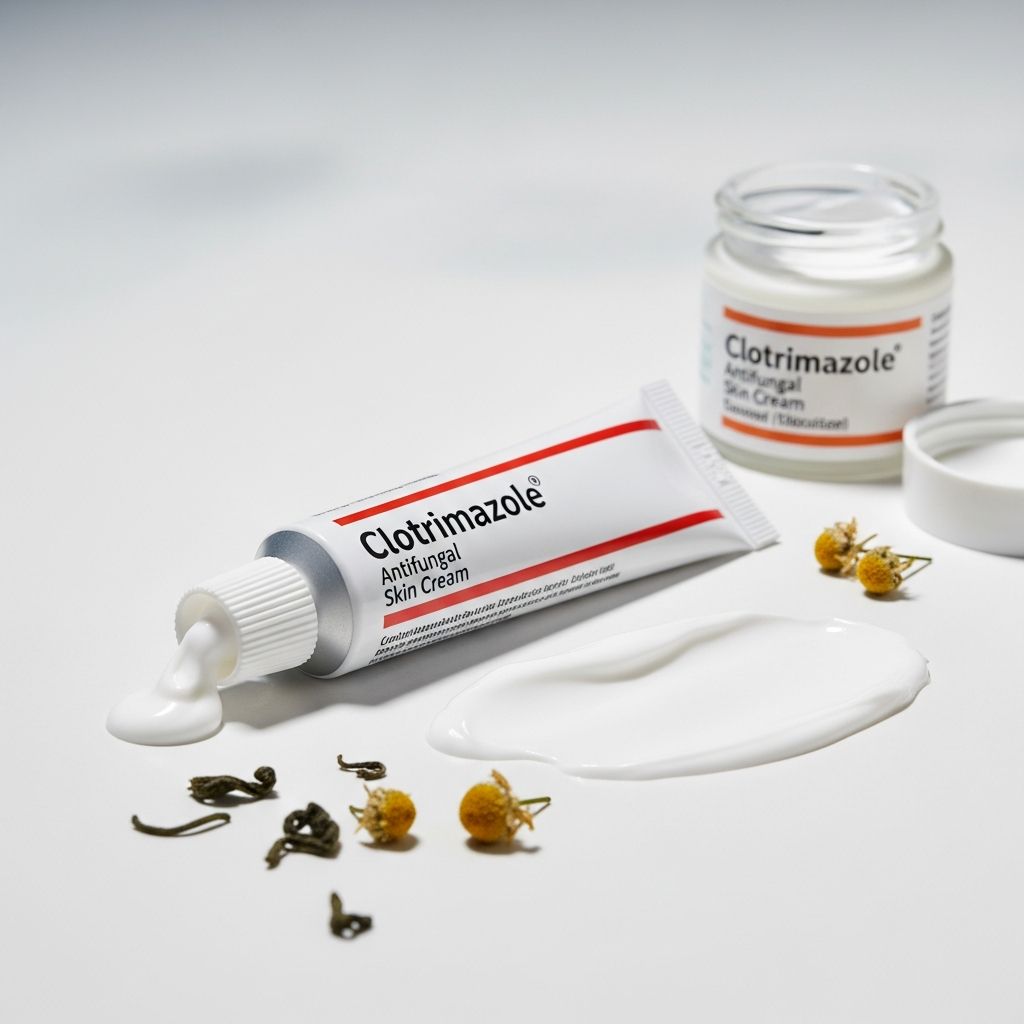
What Is Clotrimazole?
Clotrimazole is a medicated antifungal cream, lotion, ointment, or solution that effectively treats various types of fungal and yeast infections of the skin. This topical medication belongs to a class of drugs known as azoles, which work by disrupting the cell membrane of fungi, preventing them from growing and spreading. It is one of the most commonly prescribed antifungal agents due to its efficacy, safety profile, and availability in multiple formulations. Clotrimazole is available over-the-counter and by prescription, making it accessible to patients who need treatment for fungal infections.
Uses and Conditions Treated
Clotrimazole is effective in treating a wide range of fungal and yeast infections. Understanding the specific conditions it treats can help you determine if this medication is appropriate for your needs.
Athlete’s Foot (Tinea Pedis)
One of the most common uses of clotrimazole is treating athlete’s foot, medically known as tinea pedis. This fungal infection typically affects the spaces between the toes and the soles of the feet, causing itching, burning, and cracking of the skin. Clotrimazole effectively eliminates the fungus responsible for this condition.
Jock Itch (Tinea Cruris)
Clotrimazole is used to treat jock itch, a fungal infection that affects the groin area, inner thighs, and buttocks. This condition is more common in warm, moist environments and causes intense itching and skin irritation. The medication helps eliminate the infection and provide relief.
Ringworm (Tinea Corporis)
Despite its name, ringworm is not caused by a worm but by a fungus. Clotrimazole effectively treats ringworm infections that appear on various parts of the body. The characteristic ring-shaped lesions typically respond well to this antifungal treatment.
Yeast Infections (Cutaneous Candidiasis)
Clotrimazole treats candida-related skin infections that occur in skin folds and other areas prone to moisture accumulation. These yeast infections cause redness, itching, and sometimes a white discharge.
Tinea Versicolor (Pityriasis Versicolor)
This condition, caused by a yeast-like fungus, results in discolored patches on the skin. Clotrimazole cream or solution can effectively treat this condition by eliminating the causative organism.
Oral Thrush (Oropharyngeal Candidiasis)
While primarily used topically on skin, clotrimazole also comes as an oral lozenge that dissolves slowly in the mouth to treat oral thrush, a yeast infection inside the mouth.
Available Formulations
Clotrimazole is available in several different formulations, each designed for specific applications and types of infections.
Cream
The cream formulation is ideal for most skin infections and provides good coverage for affected areas. A 1% strength cream is the standard formulation for treating dermatophyte and candida infections.
Spray
The spray formulation is particularly useful for large areas or hairy skin where cream application might be difficult. The spray provides even distribution across the affected region.
Solution
The liquid solution formulation works well for hard-to-reach areas and can penetrate between skin folds effectively. It is also recommended for areas with hair where cream application may be challenging.
Lotion
The lotion form combines the benefits of cream and solution, offering good coverage and ease of application for various body areas.
Related Stories



Dosage and Administration
Proper application of clotrimazole is essential for achieving the best results. The following guidelines should be followed based on the formulation and condition being treated.
Topical Application Instructions
For skin infections, clotrimazole should be applied to the affected area and the surrounding skin twice daily, typically in the morning and evening. A small amount is sufficient—a 1cm strip of cream is usually enough to treat an area the size of your hand. The medication should be gently massaged into the affected and surrounding skin areas. If you miss a dose, apply it as soon as possible unless it is almost time for your next scheduled dose.
Special Instructions for Different Areas
If the affected area is large or hairy, using the spray or solution formulation is recommended rather than cream. When treating feet, ensure they are thoroughly washed and dried first, especially between the toes, before applying clotrimazole. The medication should be kept away from the eyes and mouth.
Treatment Duration
Clinical improvement with relief of itching typically occurs within the first week of treatment. However, if no clinical improvement is observed after four weeks of treatment, the diagnosis should be reviewed and discussed with a healthcare provider.
Oral Formulation
For oral thrush, clotrimazole oral lozenges should be dissolved slowly in the mouth over approximately 30 minutes. Adults and children 3 years and older typically use 10 mg five times daily for 7 to 14 days to treat oropharyngeal candidiasis.
Vaginal Formulation
For vulvovaginal candidiasis, the 1% vaginal cream is typically inserted intravaginally once daily at bedtime for 7 to 14 consecutive days. The 2% vaginal cream formulation requires only 3 days of treatment when used for self-medication. External application around the outside of the vagina may also be used if there are external symptoms, applied twice daily for up to 7 days.
Strength and Concentration
Clotrimazole comes as a 1% strength cream, spray, or solution for most skin infections. This concentration has been established as effective for treating dermatophyte and candida infections while minimizing the risk of side effects. For vaginal applications, both 1% and 2% formulations are available, with the 2% formulation offering faster treatment completion.
Important Precautions and Warnings
Before using clotrimazole, it is important to be aware of certain precautions and potential warnings.
Occlusive Dressings
Occlusive dressings (airtight coverings such as kitchen plastic wrap) should not be applied over clotrimazole unless specifically directed by your doctor. Covering the treated area can cause skin irritation and reduce the effectiveness of the medication.
Overdosage
Acute overdosage with topical application of clotrimazole is unlikely and would not be expected to lead to a life-threatening situation. However, following the recommended dosage is still important.
When to Seek Medical Attention
If symptoms do not improve after four weeks of treatment, discontinue use and consult a healthcare provider, as the diagnosis may need to be reevaluated. This could indicate a different condition or a resistant strain of fungus.
Side Effects and Safety
Clotrimazole is generally well-tolerated when applied topically. Mild skin irritation, burning, or redness at the application site may occur in some individuals. Severe allergic reactions are rare but should be reported to a healthcare provider immediately. Most people can safely use clotrimazole without experiencing significant adverse effects.
Comparison of Formulations
Understanding the differences between clotrimazole formulations can help you choose the most appropriate option for your needs.
| Formulation | Best For | Application Method | Frequency |
|---|---|---|---|
| Cream | Most skin infections, general use | Spread and massage | Twice daily |
| Spray | Large areas, hairy skin | Spray and rub | 2-3 times daily |
| Solution | Between skin folds, hard-to-reach areas | Rub in gently | Twice daily |
| Lotion | Various body areas | Apply and rub | Twice daily |
| Oral Lozenge | Oral thrush | Dissolve in mouth | Multiple times daily |
Frequently Asked Questions
Q: How long does it take for clotrimazole to work?
A: Clinical improvement and relief of pruritus typically occur within the first week of treatment. However, complete resolution of the infection may take 2-4 weeks depending on the severity and type of infection.
Q: Can clotrimazole be used during pregnancy?
A: Clotrimazole is generally considered safe to use during pregnancy for treating vaginal yeast infections. However, pregnant women should consult with their healthcare provider before using any medication.
Q: Can I use clotrimazole on my face?
A: Clotrimazole can be used on the face for fungal infections, but it should be kept away from the eyes, mouth, and lips. If you have facial fungal infections, consult your healthcare provider for guidance.
Q: Is clotrimazole available over-the-counter?
A: Yes, clotrimazole is available over-the-counter for treating common fungal infections such as athlete’s foot, jock itch, and ringworm. However, some formulations and strengths require a prescription.
Q: What should I do if I have an allergic reaction to clotrimazole?
A: If you experience signs of an allergic reaction such as rash, hives, or difficulty breathing, discontinue use immediately and seek medical attention or call emergency services.
Q: Can clotrimazole be used with other medications?
A: Topical clotrimazole rarely interacts with other medications since it is applied to the skin. However, always inform your healthcare provider about all medications you are taking.
Q: How should I store clotrimazole?
A: Store clotrimazole at room temperature away from moisture, heat, and direct sunlight. Keep it out of reach of children and pets. Do not freeze the medication.
Q: Can children use clotrimazole?
A: Children can safely use clotrimazole for skin fungal infections. For children under 2 years of age, consult a healthcare provider before use. The dosage and formulation should be appropriate for the child’s age.
When to Contact Your Healthcare Provider
Contact your healthcare provider if symptoms persist after four weeks of treatment, if the infection worsens, if you develop signs of an allergic reaction, or if you experience significant skin irritation. Additionally, if you are pregnant, nursing, or have underlying medical conditions, consult your doctor before using clotrimazole.
Conclusion
Clotrimazole is an effective and widely-available antifungal medication that successfully treats various fungal and yeast infections of the skin. Its multiple formulations—cream, spray, solution, and lotion—make it adaptable to different infection types and body locations. By following the recommended dosage and application instructions, most patients experience significant improvement within one to two weeks. As with any medication, it is important to follow directions carefully and consult with a healthcare provider if symptoms do not improve or if you have concerns about its use.
References
- Clotrimazole (Oral and Topical) Dosage and Indications — PDR.net. 2024. https://www.pdr.net/drug-summary/Clotrimazole-Cream-clotrimazole-704
- How and When to Use Clotrimazole Cream, Spray and Solution — NHS. 2024. https://www.nhs.uk/medicines/clotrimazole/how-and-when-to-use-clotrimazole-cream-spray-and-solution/
- Clotrimazole: Uses, Dosing, Warnings, Adverse Events, and Interactions — MedCentral. 2024. https://www.medcentral.com/drugs/monograph/12264-382753/clotrimazole-af
- Clotrimazole Cream USP 1% Dosage and Administration — DailyMed/FDA. 2024. https://dailymed.nlm.nih.gov/dailymed/fda/fdaDrugXsl.cfm?setid=28fdc2c0-fd5f-4d98-a4e1-4702a430086a
- Clotrimazole (Topical Route): Description, Side Effects, and Dosage — Mayo Clinic. 2024. https://www.mayoclinic.org/drugs-supplements/clotrimazole-topical-route/description/drg-20063212
- Clotrimazole Vaginal: MedlinePlus Drug Information — MedlinePlus/NIH. 2024. https://medlineplus.gov/druginfo/meds/a682753.html
- Clotrimazole: Antifungal Skin Cream — Cleveland Clinic. 2024. https://my.clevelandclinic.org/health/drugs/18755-clotrimazole-skin-cream-lotion-ointment-or-solution
Similar Articles








Read full bio of medha deb