Clubbed Fingers: Causes, Symptoms & Treatment
Understanding clubbed fingers: causes, diagnosis, and effective treatment strategies.
Understanding Clubbed Fingers
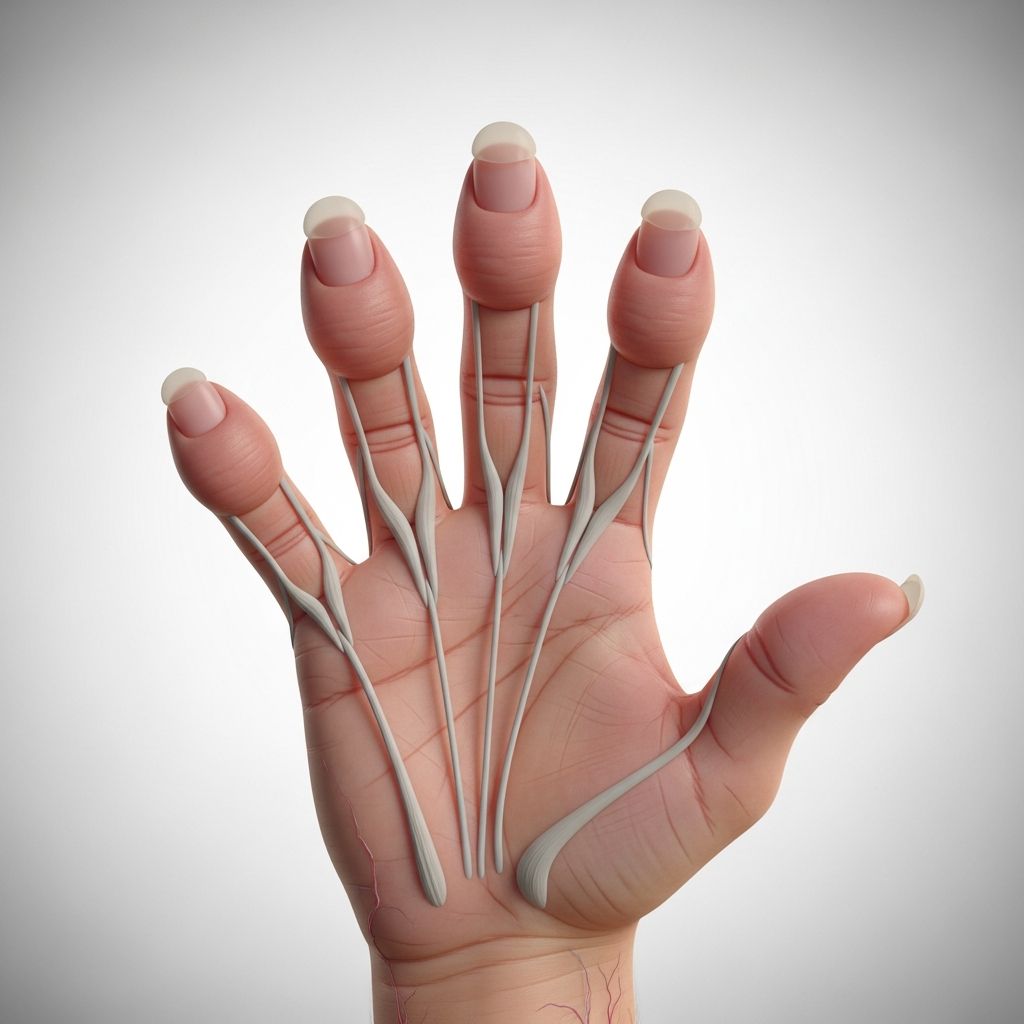
Clubbed fingers, medically known as digital clubbing or nail clubbing, represent a physical change in the appearance and shape of your fingernails and fingertips. This condition is not a disease itself but rather a symptom of an underlying health condition that requires medical attention. When you have clubbed fingers, the tissue beneath your nails becomes swollen and softened, causing your fingertips to bulge outward. Your nails may develop a distinctive downward curve and can become shiny in appearance. The angle where your nails meet the skin at the base of the nail becomes more pronounced, creating a characteristic appearance that healthcare providers recognize as a sign of potential serious health issues.
While clubbed fingers might seem like a cosmetic concern, it’s actually an important clinical indicator that your body is experiencing oxygen deprivation at the tissue level. Understanding this condition, its causes, and when to seek medical help is crucial for early diagnosis and treatment of potentially serious underlying conditions.
What Causes Clubbed Fingers
The exact mechanism behind clubbed fingers isn’t completely understood, but medical research has identified the role of specific substances in your bloodstream. One key player is vascular endothelial growth factor (VEGF), a protein that increases when your tissues aren’t receiving adequate oxygen. When oxygen levels drop, your body responds by producing more VEGF, which triggers the formation of additional blood vessels. This increased vascular activity and the resulting changes in blood flow patterns lead to the physical transformation of your fingers.
Clubbed fingers can develop from a variety of underlying health conditions, with some being more serious than others. The good news is that in many cases, treating the underlying condition can help reverse the clubbing over time.
Lung-Related Causes
Lung conditions are responsible for approximately 80% of all clubbing cases, making them the most common culprit behind this symptom. The most serious lung-related cause is lung cancer. If lung cancer is causing your clubbed fingers, you might also experience symptoms including persistent cough, shortness of breath, chest pain, cough with blood or mucus, loss of appetite and weight loss, fatigue, painful bones and joints, and general weakness.
Beyond lung cancer, other respiratory conditions that can cause clubbing include:
Interstitial Lung Disease: This chronic condition causes inflammation within lung tissue, gradually affecting your lungs’ ability to transfer oxygen to your bloodstream. Treatment typically involves steroids or other medications designed to slow disease progression.
Bronchiectasis: In this condition, the airways in your lungs become damaged and permanently enlarged. Patients with bronchiectasis frequently experience repeated infections because damaged airways cannot effectively clear mucus. Treatment may include antibiotics, proper hydration, chest physical therapy, and in some cases, surgical intervention.
Chronic Infections: Certain long-term lung infections can lead to clubbing as your body’s response to chronic oxygen deprivation.
Related Stories



Heart-Related Causes
Cardiovascular conditions represent another significant category of clubbing causes. Congenital heart disease, including complex congenital heart defects (CCHD), can lead to clubbed fingers because these conditions reduce oxygen levels in your blood. When your heart cannot pump blood efficiently, oxygen-rich blood doesn’t reach your tissues adequately, triggering the clubbing response.
Subacute Bacterial Endocarditis: This serious infection affects the endocardium, the inner lining of your heart. Bacteria can travel through your bloodstream and lodge on your heart valves, causing a slowly progressive infection that worsens over weeks or months. Symptoms accompanying clubbing may include mild fever, slightly increased heart rate, excessive sweating, weight loss, joint pain, small red spots on skin or in the whites of your eyes, and red streaks under your fingernails. Treatment requires intravenous antibiotics for 2 to 8 weeks, and in some cases, surgery to repair affected heart valves.
Heart Tumors: An atrial myxoma is a benign, noncancerous tumor that can develop in your heart. While sometimes harmless, it may obstruct blood flow and cause clubbing as a secondary effect.
Other Potential Causes
Clubbed fingers can also develop from asbestos-related diseases, inflammatory bowel disease, liver cirrhosis, and other conditions causing chronic hypoxemia or altered blood chemistry. In some cases, genetics play a role through hypertrophic osteoarthropathy.
Recognizing the Signs and Symptoms
Clubbed fingers develop gradually over time, typically progressing through distinct stages. Early detection can make a significant difference in identifying and treating underlying conditions. The characteristic signs include:
Tissue Changes Beneath the Nails: The tissue under your nail beds softens and swells. In early stages, this swelling may be subtle and not immediately visible, but as clubbing progresses, the enlargement becomes increasingly apparent.
Fingertip Bulging: Your fingertips become enlarged and may bulge outward noticeably. The tips may feel warm to the touch and appear red due to increased blood vessel activity in the area.
Nail Curvature: Your nails develop a pronounced downward curve, gradually bending around your fingertips. The nails often become shiny and may develop striations or ridges.
Altered Nail-Fold Angle: Medical professionals measure the hyponychial angle, the angle formed where your nail meets the skin at the base. In normal fingers, this angle is approximately 180 degrees. In clubbed fingers, this angle exceeds 180 degrees, indicating clubbing is present.
Space Changes: There’s increased space between your thumb and index finger as the soft tissues enlarge.
Diagnostic Process
When you visit your healthcare provider with concerns about clubbed fingers, they’ll follow a systematic diagnostic approach to identify the underlying cause.
Physical Examination
Your doctor begins by gathering your complete medical history and conducting a thorough physical examination of your hands. They’ll take precise measurements of your fingers, examine the skin beneath your nails, and assess the nail beds. They look for the characteristic signs of clubbing and may compare your current measurements with any previous records to determine if changes have occurred.
Diagnostic Tests
After the initial examination, your healthcare provider will order tests tailored to investigate the suspected underlying cause. These may include:
Imaging Studies: X-rays or CT scans can reveal lung abnormalities, heart problems, or other structural issues contributing to clubbing.
Blood Tests: Laboratory work can identify infections, assess organ function, and measure oxygen levels in your blood.
Biopsy: In some cases, tissue samples may be needed to confirm specific diagnoses.
Additional Specialized Tests: Depending on suspected causes, your doctor might order pulmonary function tests, electrocardiograms, or other specialized evaluations.
Treatment Approaches
An important point to understand is that clubbed fingers themselves don’t require direct treatment. However, the underlying condition causing the clubbing must be addressed. The encouraging news is that in many cases, successfully treating the underlying disease can lead to reversal of clubbing over time.
Treating Lung-Related Causes
If lung cancer is identified as the cause, treatment options depend on the cancer’s size, location, and type. Your healthcare team may recommend surgery to remove affected tissue, radiation therapy to target cancer cells, chemotherapy to destroy cancer throughout your body, or a combination of these approaches.
For interstitial lung disease, treatment focuses on slowing disease progression using steroids or other anti-inflammatory medications. Bronchiectasis treatment addresses the underlying cause, such as cystic fibrosis, while incorporating antibiotics, proper hydration, and chest physical therapy to help clear mucus from airways.
Treating Heart-Related Causes
For congenital heart disease, treatment varies based on the specific defect. Some conditions may not require intervention, while others need medication management or surgical procedures to insert catheters or repair structural abnormalities.
Subacute bacterial endocarditis requires aggressive antibiotic therapy administered intravenously for 2 to 8 weeks. Some patients also need surgery to repair or replace infected heart valves. If you have artificial heart valves or congenital heart defects, you may need to take antibiotics before dental procedures or surgery to prevent infection.
Managing Other Causes
For asbestos-related diseases, while these conditions are generally irreversible, treatment focuses on symptom management through medications and breathing treatments to increase oxygen levels in your bloodstream. This can help reduce clubbing symptoms.
Can Clubbed Fingers Be Reversed
One of the most hopeful aspects of clubbed fingers is that they can be reversed if the underlying condition is identified and treated early enough. The reversal process takes time, as the physical changes in your fingers developed gradually over months or years. When you successfully address the root cause, your body begins reversing the vascular and tissue changes that created the clubbing. However, the timeline for reversal depends on how quickly the underlying condition improves and how advanced the clubbing had become.
This makes early detection incredibly important. If you notice changes in your fingernails or fingertips, reporting them to your healthcare provider promptly can lead to faster diagnosis and treatment of any underlying conditions.
When to Seek Medical Attention
Contact your healthcare provider if you notice any of the following changes in your fingers or nails:
– A downward curve developing in your fingernails
– Swelling or enlargement of your fingertips
– Changes in nail color, texture, or appearance
– Fingertips that feel warm to the touch
– Development of shiny or striated nails
– Progressive changes in the angle where your nails meet the skin
These changes warrant medical evaluation to rule out serious underlying conditions. Your doctor will ask about any accompanying symptoms and may order appropriate tests to determine the cause.
Key Takeaways
Clubbed fingers serve as an important clinical indicator of underlying health conditions rather than a standalone disease. Approximately 80% of clubbing cases relate to lung conditions, though heart disease, infections, and other conditions can also cause clubbing. The exact mechanism involves vascular endothelial growth factor and other blood-borne substances that increase when tissues lack adequate oxygen. Early recognition of clubbed fingers is crucial because identifying and treating the underlying cause can halt progression and potentially reverse the changes. While clubbed fingers themselves don’t require direct treatment, the conditions causing them need prompt medical attention. If you notice changes in your fingers or nails, schedule an appointment with your healthcare provider for proper evaluation and diagnosis.
Frequently Asked Questions
Q: Are clubbed fingers always a sign of lung cancer?
A: No. While lung cancer accounts for some clubbing cases, approximately 80% of clubbing relates to various lung conditions, not just cancer. Heart disease, infections, and other conditions can also cause clubbing. Your doctor needs to investigate the specific cause through tests and examination.
Q: Can clubbed fingers go away?
A: Yes, clubbed fingers can often be reversed by successfully treating the underlying condition, especially when caught early. However, reversal takes time as your body gradually restores normal tissue and vascular structures.
Q: How quickly do clubbed fingers develop?
A: Clubbed fingers typically develop gradually over months or years as the underlying condition progresses. They progress through distinct stages, with early changes being subtle and becoming more noticeable over time.
Q: What should I do if I notice clubbed fingers?
A: Schedule an appointment with your healthcare provider promptly. Bring their attention to the changes you’ve noticed, describe any accompanying symptoms, and allow them to conduct appropriate diagnostic tests to identify the underlying cause.
Q: Is clubbing painful?
A: Clubbing itself typically isn’t painful, though some underlying conditions causing clubbing may be accompanied by pain or discomfort in other areas.
References
- What Causes Clubbed Fingers and Thumbs? — WebMD. https://www.webmd.com/a-to-z-guides/clubbed-fingers-and-thumbs-causes
- Finger Clubbing and Lung Cancer: Are Nail Changes an Early Sign — MyLungCancerTeam. https://www.mylungcancerteam.com/resources/finger-clubbing-and-lung-cancer
- Clubbed Fingers – Symptoms, Causes, and Treatment — Mesothelioma Vets. https://www.mesotheliomavets.com/asbestosis/clubbed-fingers/
- What diagnostic tests should be done after discovering clubbing in a patient — Cleveland Clinic Journal of Medicine. https://www.ccjm.org/content/92/5/273
- Hypertrophic Osteoarthropathy: Symptoms, Causes & Treatment — Cleveland Clinic. https://my.clevelandclinic.org/health/diseases/24125-hypertrophic-osteoarthropathy
- Nail Clubbing: What It Looks Like, Causes & Treatment — Cleveland Clinic. https://my.clevelandclinic.org/health/symptoms/24474-nail-clubbing
Similar Articles








Read full bio of medha deb