Clubfoot: Understanding Causes, Symptoms, and Treatment Options
Comprehensive guide to clubfoot diagnosis, management, and long-term outcomes for infants and families.
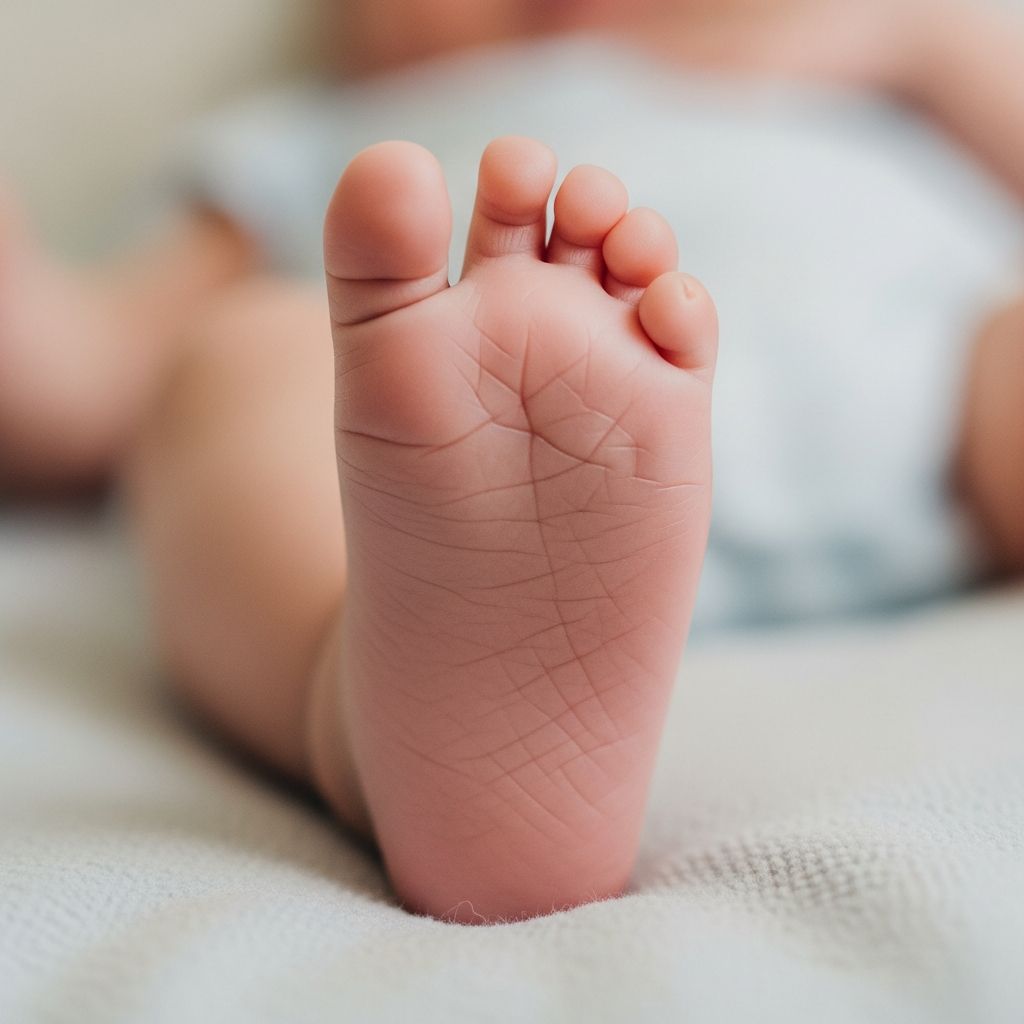
Understanding Clubfoot: A Common Congenital Condition
Clubfoot, medically known as congenital talipes equinovarus (TEV), is one of the most common congenital deformities affecting newborns worldwide. This condition occurs in approximately 1 in 1,000 births and is characterized by the inward and downward twisting of the foot. While the appearance of clubfoot can be concerning to parents, the condition responds exceptionally well to early intervention and proper treatment. With appropriate care beginning in infancy, children with clubfoot can develop normally functioning feet that allow them to walk, run, play sports, and wear standard shoes throughout their lives.
What is Clubfoot?
Clubfoot is a deformity in which a baby’s foot is twisted inward, often so severely that the bottom of the foot faces sideways or even upward. The condition involves shortened and tight tendons—the tissues connecting muscles to bones—that cause the foot to assume an abnormal position. This structural abnormality affects not only the foot itself but also involves the lower leg, with characteristic changes in bone, muscle, and ligament positioning.
The condition is present at birth and can be diagnosed through physical examination or prenatal ultrasound imaging. Clubfoot can affect one foot (unilateral) or both feet (bilateral), with approximately 50% of cases involving both feet. Males are affected twice as frequently as females, with a ratio of approximately 2:1.
Key Characteristics of Clubfoot
- Foot twisted inward with toes pointing downward
- Shortened and tight Achilles tendon (heel cord)
- Heel turned inward in a varus position
- Deep crease on the bottom of the foot
- Affected foot typically smaller than the unaffected side
- Underdeveloped calf muscles on the affected leg
- Variable rigidity ranging from mild and flexible to severe and rigid
Causes and Risk Factors
The exact cause of clubfoot remains somewhat unclear, though research indicates that multiple genetic and environmental factors contribute to its development. Understanding these risk factors helps healthcare providers counsel families and predict outcomes.
Genetic Factors
Genetic predisposition plays a significant role in clubfoot development. If one or both parents have a history of clubfoot, the risk increases substantially. Parents who had clubfoot themselves have a 20-30% chance of having a child with clubfoot. Additionally, the condition shows familial clustering patterns, suggesting inherited genetic components, though the inheritance pattern is complex and not fully understood.
Environmental Risk Factors
Environmental factors have demonstrated associations with clubfoot development. Maternal smoking during pregnancy and maternal diabetes show the strongest associations with increased clubfoot incidence. Maternal alcohol consumption may also increase risk. Other environmental considerations include seasonal variation, with some studies suggesting a possible link to variations in maternal temperature during embryonic development. In utero positioning, particularly intrauterine compression from factors such as large fetal size, abnormal uterine shape, or abnormal amniotic fluid levels, may also contribute to clubfoot development.
Types of Clubfoot
Clubfoot can be classified into different categories based on etiology and severity, which helps guide treatment planning and predict outcomes.
Related Stories



Extrinsic Clubfoot
This type is usually mild and supple, featuring flexible tissues that respond well to manipulation. Extrinsic clubfoot typically results from intrauterine compression factors rather than structural abnormalities of the foot itself. The underlying bone structure is generally normal, making this form typically more responsive to conservative treatment methods.
Intrinsic Clubfoot
Intrinsic clubfoot is commonly more severe and rigid, with potential structural abnormalities of the tarsal bones. This type features smaller calf muscles and may involve bone deformities, particularly of the talus bone. Intrinsic clubfoot often requires more aggressive treatment and may need surgical intervention.
Isolated versus Non-Isolated Clubfoot
Approximately 80% of clubfoot cases appear as isolated deformities with no associated medical conditions. However, about 20% of cases occur in association with other conditions such as arthrogryposis, spina bifida, or diastrophic dysplasia. Non-isolated clubfoot may be more resistant to treatment, require extended nonsurgical management, or necessitate multiple surgical procedures.
Symptoms and Clinical Presentation
The symptoms of clubfoot are generally apparent at birth and follow characteristic patterns, though severity varies considerably among affected individuals.
Physical Appearance
- Stiff, rigid foot of varying degrees
- Foot pointing downward and inward
- Heel turned inward
- Deep crease on the sole of the foot
- Soft, puffy heel pad
- Wider front foot area
- Overall smaller foot compared to the unaffected side
- Foot may appear sideways or even upside down in severe cases
Associated Physical Features
In unilateral cases, the affected foot is noticeably smaller than the contralateral side. The calf muscle on the affected leg appears underdeveloped and smaller than the opposite leg. The affected foot and leg are slightly shorter than normal. These differences become more obvious in children with unilateral clubfoot, making the asymmetry apparent during physical examination and as the child grows.
Diagnosis
Clubfoot diagnosis typically occurs during the prenatal period or immediately after birth. Healthcare providers use clinical examination and imaging studies to confirm the diagnosis and assess severity.
Prenatal Diagnosis
Many cases of clubfoot are now detected through prenatal ultrasound imaging, allowing parents to prepare for their child’s care and treatment planning. Prenatal diagnosis provides opportunities for families to consult with pediatric orthopedic specialists before delivery and arrange appropriate postnatal care.
Postnatal Diagnosis
Physical examination by healthcare providers typically reveals the characteristic foot deformity. The rigid or semi-rigid nature of the foot, the inward and downward positioning, and the associated calf muscle underdevelopment make clubfoot relatively easy to recognize. Imaging studies such as X-rays may be used to assess bone positioning and severity, particularly to differentiate between flexible and rigid deformities.
Treatment Approaches
Clubfoot management is a long-term process beginning as early as one week of age and continuing through 4-5 years or older in some cases. Treatment approaches have evolved significantly, with contemporary methods demonstrating excellent success rates when implemented early and correctly.
Nonsurgical Treatment: The Ponseti Method
The Ponseti method represents the gold standard nonsurgical treatment for clubfoot and has dramatically improved outcomes for affected children. This approach involves serial casting, beginning in the first week of life. The foot is gently manipulated into a more normal position and immobilized in a cast. Casts are changed weekly, with each new cast positioning the foot progressively closer to normal alignment. The process continues for approximately 6-8 weeks until maximum correction is achieved. Most clubfoot cases can be successfully corrected using this method without requiring surgery.
Surgical Treatment
In cases where clubfoot cannot be adequately corrected through casting alone, or in recurrent or severe cases, surgical intervention may be necessary. Surgery typically involves releasing tight tendons and ligaments to allow proper foot positioning. Common surgical procedures include Achilles tendon lengthening and release of the tibialis posterior tendon and associated ligaments. Surgery is usually performed around 3-6 months of age, though timing may vary based on individual circumstances.
Bracing and Long-term Management
After initial correction through casting or surgery, children require bracing to maintain the correction and prevent relapse. Special orthotic devices, including foot abduction braces, are typically worn during sleep and rest periods to maintain proper foot positioning as the child grows. Long-term follow-up with pediatric orthopedic specialists ensures proper development and addresses any recurrence of deformity.
Outcomes and Long-term Prognosis
The prognosis for children with clubfoot who receive appropriate treatment is excellent. With early recognition and proper management, clubfoot demonstrates exceptional success rates in correction and normalization of foot function.
Positive Outcomes with Treatment
Children who receive timely treatment typically develop nearly normal feet that permit active, unrestricted lifestyles. Most treated children can walk, run, play sports, and wear standard shoes without difficulty. The success of early treatment fundamentally changes the trajectory for children with this condition, allowing them to participate in normal childhood activities and sports without significant limitations.
Residual Changes Following Treatment
Even with successful treatment, some residual changes may persist. The affected foot typically remains 1 to 1.5 sizes smaller than the normal foot and may have somewhat limited mobility compared to the unaffected side. The calf muscles on the affected leg generally remain smaller than those on the opposite leg, and some children may experience occasional calf soreness or fatigue more quickly than peers during vigorous activity. The affected leg may be slightly shorter than the unaffected leg, though this rarely causes significant functional problems.
Consequences of Untreated Clubfoot
Clubfoot will not improve without treatment and leads to serious long-term problems if left untreated. Children with untreated clubfoot develop abnormal gait patterns, walking on the outer edge of the foot rather than the sole. This abnormal weight-bearing causes painful calluses and skin sores. Untreated clubfoot makes it impossible to wear standard shoes, severely limiting children’s activities and quality of life. Adults with untreated clubfoot often experience chronic pain that significantly restricts activity and mobility.
Frequently Asked Questions
Q: When should clubfoot treatment begin?
A: Treatment should begin as early as possible, ideally within the first week of life. Early intervention produces the best outcomes and typically allows correction without surgery.
Q: Will my child be able to walk normally with treated clubfoot?
A: Yes, with appropriate early treatment, children with clubfoot develop nearly normal feet and can walk, run, and participate in sports normally throughout their lives.
Q: Does clubfoot run in families?
A: Yes, genetic factors play a role. Parents with clubfoot have a 20-30% chance of having a child with the condition, though environmental factors also contribute to development.
Q: Is surgery always necessary for clubfoot?
A: No, most clubfoot cases can be successfully corrected using the Ponseti casting method without surgery. Surgery is reserved for cases that don’t respond adequately to casting or have recurrent deformity.
Q: What is the long-term follow-up for children with treated clubfoot?
A: Children require ongoing orthopedic follow-up throughout childhood to ensure proper correction is maintained and to address any recurrence of deformity. Bracing during early childhood helps prevent relapse.
Q: Can both feet be affected by clubfoot?
A: Yes, approximately 50% of clubfoot cases involve both feet (bilateral clubfoot). Treatment principles are similar for unilateral and bilateral cases.
Important Information for Parents
Parents of infants born with clubfoot should be reassured that, with proper early treatment, their child will have feet that permit a normal, active life. The condition responds exceptionally well to contemporary treatment methods when implemented promptly. Establishing care with experienced pediatric orthopedic specialists ensures optimal outcomes. While clubfoot requires commitment to long-term management including casting, possible surgery, and bracing, the investment in early treatment pays significant dividends in normal function and quality of life for affected children.
References
- Clubfoot (Talipes Equinovarus) — Nationwide Children’s Hospital. Accessed 2025. https://www.nationwidechildrens.org/conditions/clubfoot-talipes-equinovarus
- Clubfoot — StatPearls, National Center for Biotechnology Information (NCBI). Updated 2024. https://www.ncbi.nlm.nih.gov/books/NBK551574/
- Clubfoot — OrthoInfo, American Academy of Orthopaedic Surgeons (AAOS). Accessed 2025. https://orthoinfo.aaos.org/en/diseases–conditions/clubfoot/
- Clubfoot: Symptoms and Causes — Mayo Clinic. Updated 2024. https://www.mayoclinic.org/diseases-conditions/clubfoot/symptoms-causes/syc-20350860
- Clubfoot — Lurie Children’s Hospital. Accessed 2025. https://www.luriechildrens.org/en/specialties-conditions/clubfoot/
- Clubfoot — UCSF Benioff Children’s Hospitals. Accessed 2025. https://www.ucsfbenioffchildrens.org/conditions/clubfoot
Similar Articles








Read full bio of Sneha Tete