Clubfoot: Causes, Symptoms, and Treatment Options
Complete guide to understanding clubfoot, its symptoms, causes, and effective treatment methods for newborns.
Understanding Clubfoot: A Comprehensive Guide
Clubfoot, medically known as congenital talipes equinovarus (CTEV), is one of the most common congenital foot deformities affecting newborns worldwide. This condition is present at birth and occurs when a baby’s foot is turned inward and downward due to shortened tendons. While the name might sound concerning, clubfoot is highly treatable, and with early intervention, children can walk normally and live active lives. Understanding this condition, its causes, symptoms, and available treatments can help parents make informed decisions about their child’s care.
What Is Clubfoot?
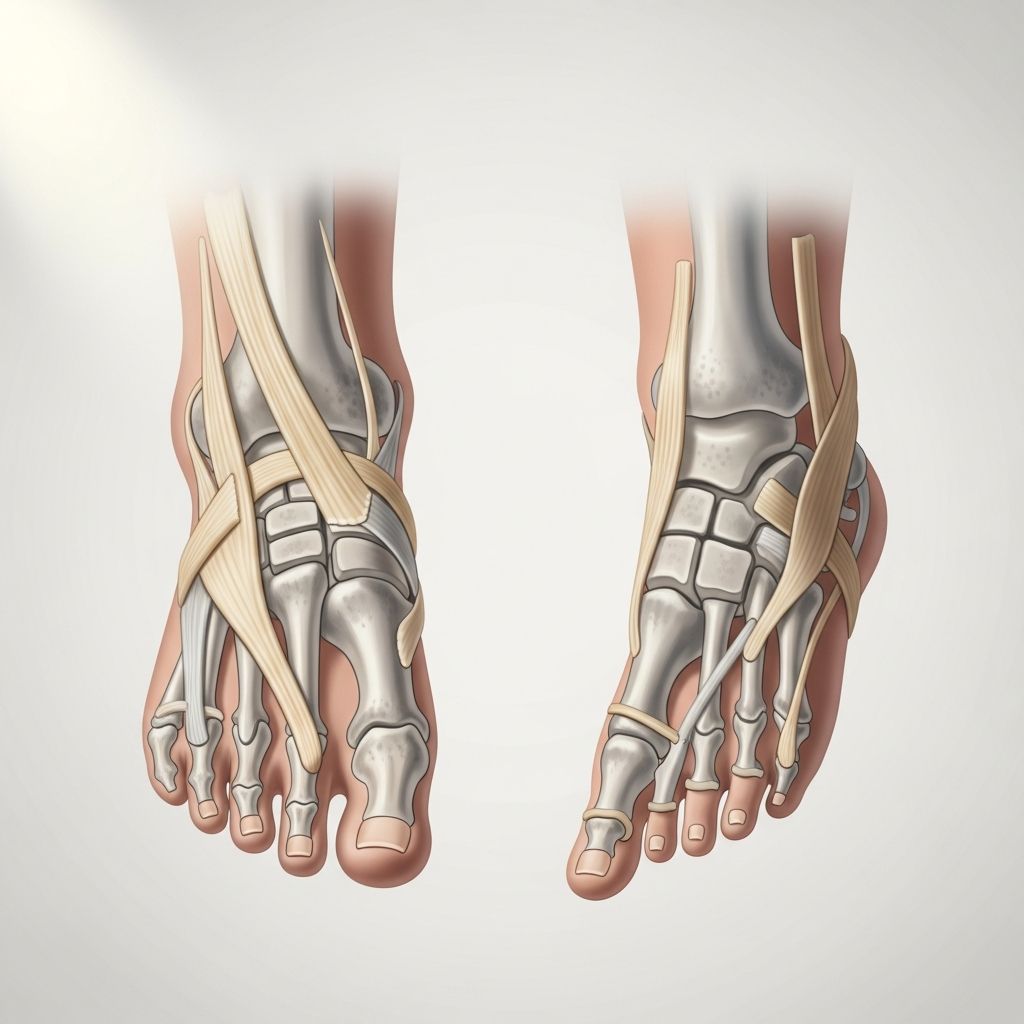
Clubfoot is a congenital disorder present at birth in which a baby’s foot is pointed inward and downward. In this condition, the tissues connecting muscles to bones, known as tendons, are shorter than usual, pulling the foot out of its normal position. The front of the foot is typically pointed in and down, the arch may be raised, and the heel is turned inward. The foot is usually fixed in this abnormal position at birth.
Clubfoot can affect one foot or both feet, with approximately half of all children with clubfoot having it in both feet. The condition is relatively common, occurring in up to 1 in 1,000 babies born. Most newborns with clubfoot do not have other accompanying medical conditions, making it a relatively isolated developmental issue in the majority of cases.
While clubfoot may look concerning to parents, it’s important to note that at birth, the condition typically does not cause the baby any discomfort or pain. However, without appropriate treatment, the condition can lead to significant complications as the child grows and begins to walk.
Recognizing the Symptoms of Clubfoot
Identifying clubfoot is often straightforward, as the distinctive appearance of the foot is usually evident immediately after birth. Healthcare professionals typically notice clubfoot during routine examinations performed shortly after delivery. Parents and caregivers should be aware of the characteristic signs and symptoms of this condition.
Key Visual Characteristics
The appearance of clubfoot can vary in severity, but several distinctive features are common:
– The top of the foot is typically pointed inward and downward, raising the arch and turning the heel inward- The foot may be turned so severely that it appears to face sideways or even upside down- The affected foot or big toe may be slightly shorter than the corresponding foot on the other side- The calf muscles on the affected side are usually noticeably smaller than on the unaffected side- The overall shape of the foot may appear bean-like or show an inward point, particularly visible from the side
When to Seek Medical Attention
Healthcare professionals are likely to notice clubfoot during standard newborn examinations performed in the hospital shortly after birth. If clubfoot is suspected, parents will typically be referred to a pediatric orthopedic surgeon, a doctor who specializes in bone and muscle conditions in children. Early medical attention is crucial, as treatment initiated within several weeks after birth produces the best outcomes.
Understanding the Causes and Risk Factors
The exact cause of clubfoot remains not fully understood, but research suggests that both genetic and environmental factors play important roles in its development. Unlike some birth defects with clearly identified causes, clubfoot appears to result from a complex interaction of multiple factors.
Related Stories



Genetic Factors
Family history significantly increases the risk of clubfoot. If a child has a parent, brother, or sister with clubfoot, that child is substantially more likely to develop the condition as well. This hereditary pattern suggests a strong genetic component, though clubfoot does not follow a simple inheritance pattern.
Associated Conditions
Sometimes clubfoot may occur alongside other skeletal conditions that are present at birth. One notable example is spina bifida, a condition that occurs when the spine and spinal cord do not develop or close properly before birth. Additionally, certain conditions related to changes in chromosomes may increase the risk of clubfoot developing.
Environmental Considerations
While genetic factors are well-established, environmental influences during pregnancy may also contribute to clubfoot development. These factors may include maternal health conditions, medications used during pregnancy, or other prenatal influences, though research continues to clarify these connections.
Treatment Options: The Ponseti Method
The good news about clubfoot is that it can be successfully treated, particularly when intervention begins early. The most effective and widely used treatment approach is the Ponseti method, a non-surgical technique that uses gentle manipulation and a series of casts to gradually correct the foot position.
The Casting Phase
The Ponseti method involves slow and gentle stretching to correct the foot through a series of specialized casts. Treatment results are best when casting begins within several weeks after birth, allowing the foot structures to respond most favorably to gradual correction. During this phase, casts are changed regularly, typically weekly, as the foot is gradually moved to the correct position. The process requires excellent orthopedic or cast technician expertise to ensure proper technique and optimal results.
Surgical Intervention
While the Ponseti method is non-surgical, a small surgical procedure is sometimes needed at the end of the casting phase. This minor procedure typically involves lengthening the heel tendon (Achilles tendon) to allow the foot to achieve and maintain proper positioning. This procedure is usually performed by a pediatric orthopedic surgeon and may be conducted at specialized surgical centers designed for pediatric patients.
The Bracing Phase
After the casting phase is complete, children wear a special brace to maintain the corrected position and prevent the foot from returning to its previous position. Children typically wear this brace for up to two years, with bracing protocols continuing through the critical growth years. Importantly, wearing a special brace does not stop children from walking and running when they are developmentally ready to do so.
Long-Term Follow-Up Care
Comprehensive follow-up care is essential to ensure optimal outcomes. After the initial treatment is complete, children typically continue annual visits with their orthopedic specialist until approximately age eight, when the foot structures are more firmly established. This continued monitoring helps identify and address any emerging issues early.
Potential Complications and Long-Term Outcomes
With appropriate early treatment, children with clubfoot can achieve excellent functional outcomes. However, parents should be aware of potential complications and long-term considerations.
Complications With Treatment
Even with successful treatment, some children may experience mild residual effects:
– Slight stiffness in the foot with reduced flexibility- Minor differences in leg length, though this usually does not prevent normal walking- Shoe size differences, with the affected foot potentially being up to 1.5 sizes smaller than the other foot- Persistent calf muscle size difference, with the calf on the affected side typically remaining smaller- Bean-shaped foot appearance with a small inward point, even after successful treatment
Complications Without Treatment
Without appropriate treatment, clubfoot can lead to significant disabilities:
– Problems with walking mechanics, as children may place weight on the side or top of the foot- Development of skin sores, calluses, and related skin complications- Difficulty finding shoes that fit properly- A noticeable limp that affects gait and overall mobility- Increased risk of long-term joint problems and chronic pain
Importance of Early Treatment
Delayed treatment of clubfoot can result in the need for more extensive casts and even more complex surgery to correct the foot. Early intervention before the bones of the foot become misshapen from the prolonged poor position yields significantly better results and reduces the likelihood of needing more aggressive treatment approaches.
Prognosis and Quality of Life
The prognosis for children with clubfoot has improved dramatically over the past few decades due to the widespread adoption of the Ponseti method and other evidence-based approaches. Most children who receive early, appropriate treatment can:
– Walk with normal or near-normal gait- Participate in sports and physical activities- Wear regular shoes with minimal or no modifications- Experience no significant pain or functional limitations in adulthood
The treatment process, while requiring patience and commitment from families, typically spans several years from initial casting through the completion of bracing. However, the investment in this comprehensive approach yields lasting benefits throughout the child’s life.
Frequently Asked Questions About Clubfoot
Q: Is clubfoot painful for the baby?
A: At birth, clubfoot typically does not cause the baby any discomfort or pain. However, without treatment, complications that develop as the child grows and walks may cause problems.
Q: Will my child be able to walk normally?
A: Yes, with early treatment using the Ponseti method or other appropriate interventions, most children with clubfoot can walk normally and participate in regular physical activities, including sports.
Q: Can clubfoot be diagnosed before birth?
A: Yes, clubfoot can sometimes be detected during prenatal ultrasound. Many medical centers offer prenatal consultations for families who receive a clubfoot diagnosis before birth, allowing parents to understand treatment options and prepare for early intervention after delivery.
Q: How long does treatment take?
A: The casting phase typically takes several months, followed by wearing a special brace for up to two years. Overall management and follow-up care may continue until approximately age eight.
Q: Will my child need surgery?
A: Many cases of clubfoot can be successfully treated with the Ponseti casting method alone. However, a small surgical procedure to lengthen the heel tendon is sometimes needed at the end of the casting phase to achieve optimal results.
Q: Is clubfoot hereditary?
A: Clubfoot has a genetic component. If a parent or sibling has clubfoot, the risk of developing the condition increases, though it is not guaranteed.
Q: Can clubfoot affect both feet?
A: Yes, approximately half of all babies with clubfoot have it in both feet, a condition called bilateral clubfoot. Both feet require treatment but can be managed effectively with the same treatment protocols.
References
- Clubfoot — Symptoms and Causes — Mayo Clinic. 2024. https://www.mayoclinic.org/diseases-conditions/clubfoot/symptoms-causes/syc-20350860
- Clubfoot Treatment — University Hospitals Rainbow Babies & Children’s. 2024. https://www.uhhospitals.org/rainbow/services/pediatric-orthopedics/conditions-and-treatments/limb-deformity/club-foot-clinic
- From Struggles to Smiles: Family Finds Care for Clubfoot at Akron Children’s — Akron Children’s Hospital. 2024. https://www.akronchildrens.org/inside/2024/07/19/from-struggles-to-smiles-family-finds-care-for-clubfoot-at-akron-childrens-transformative/
Similar Articles








Read full bio of Sneha Tete