Cluster Headaches: Causes, Symptoms, and Treatment
Understanding cluster headaches: severe one-sided pain, triggers, and effective treatment options.
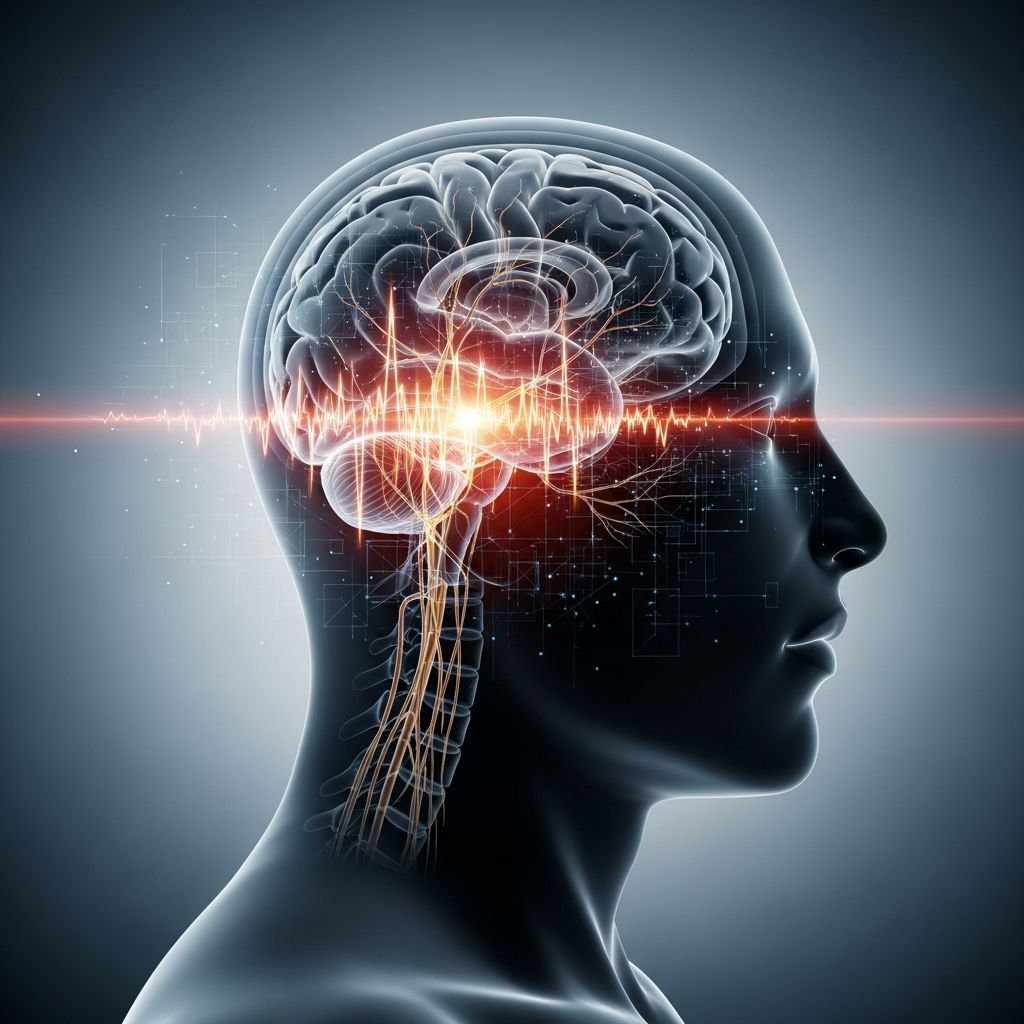
Cluster Headaches: What It Is, Causes, Symptoms & Treatment
Cluster headaches represent one of the most severe forms of headache disorders, characterized by intense, one-sided head pain that occurs in patterns or cycles. Unlike other headache types, cluster headaches are among the most painful conditions a person can experience, often described as excruciating by those who suffer from them. These headaches typically last between 15 minutes and three hours and occur daily for weeks to months at a time, often happening at the same time each day. After an attack period ends, sufferers may experience relief for months or even years before the headaches return. This cyclical nature distinguishes cluster headaches from other primary headache disorders and significantly impacts the quality of life for those affected.
Understanding Cluster Headaches
A cluster headache is a distinct type of primary headache—meaning it is not caused by an underlying medical condition but rather originates from the brain itself. The term “cluster” refers to the pattern in which these headaches occur: they come in groups or clusters of attacks, separated by periods of remission. During an active cluster period, individuals may experience up to eight headaches within a single 24-hour period. The pain is strictly one-sided (unilateral), affecting only one side of the head during an entire attack cycle. This characteristic one-sidedness remains consistent throughout a cluster period, though in rare cases, the affected side may switch during subsequent attack cycles.
On average, a cluster headache lasts approximately 30 minutes, though some may persist for longer periods. Many individuals experience daily cluster headache attacks that can continue for three months or more. The predictability of these headaches—often occurring at the same time daily—has led some to refer to them colloquially as “alarm clock headaches,” particularly when they wake sufferers an hour or two after falling asleep. Nighttime cluster headaches may feel more severe than those occurring during daytime hours.
Duration and Frequency Patterns
The temporal patterns of cluster headaches follow distinct characteristics that help differentiate them from other headache types. When symptoms begin, they typically reach peak intensity within just five to ten minutes, making the onset particularly distressing. After an attack period resolves, the clusters usually pause for reasons not yet fully understood by the medical community. The headaches enter a remission phase lasting months or even years before potentially returning. However, this pattern is not universal. Approximately 1 in 5 people who experience cluster headaches never obtain significant relief and instead experience chronic (ongoing) cluster headaches without extended remission periods. Additionally, cluster headaches are commonly seasonal, with many individuals noticing increased frequency during fall and spring months.
Symptoms and Characteristics
Primary Symptom
The main symptom of cluster headaches is severe pain on one side of the head. This pain typically strikes suddenly and feels like a sharp, stabbing sensation that makes sufferers feel restless and agitated. The intensity is notably higher than typical tension headaches or migraines, causing significant functional impairment during attacks.
Pain Location
While the pain remains strictly one-sided, its specific location within that side can vary. Common locations include:
– Pain behind the eye (orbital)- Pain above the eye (supraorbital)- Pain near the temple or side of the head at the hairline- Pain behind the ear (temporal)
The most common location is around one eye to the side of the head at the hairline before the ear (temple region).
Associated Symptoms
Beyond the primary head pain, cluster headaches produce additional symptoms that appear on the same side of the head as the pain. These accompanying symptoms may include:
– Eye redness or tearing on the affected side- Nasal congestion or runny nose on the affected side- Facial flushing or sweating- Pupil constriction or eyelid drooping- Agitation and restlessness during attacks
Distinguishing Cluster Headaches from Other Headache Types
Cluster headaches are frequently misdiagnosed and confused with other headache types, which can delay appropriate treatment. Understanding the differences is crucial for proper diagnosis and management.
Cluster Headaches vs. Migraines
While both are primary headaches, migraines differ significantly from cluster headaches. Migraines typically cause a pulsing or throbbing pain that often affects both sides of the head or alternates between sides. Migraines worsen in response to light, sound, smell, or physical activity—sensory sensitivities not characteristic of cluster headaches. Additionally, migraines typically last longer (4 to 72 hours) and occur less frequently than cluster headaches. The pain pattern and associated symptoms differ substantially between these two conditions.
Cluster Headaches vs. Sinus Headaches
Sinus headaches produce a dull pain typically located behind the eyes, forehead, nose, or cheekbones. The pain tends to be less severe than cluster headaches and is usually associated with sinus congestion or infection. In contrast, cluster headaches involve sharp, stabbing pain with a specific orbital or temporal location and are not caused by sinus issues, though nasal congestion may accompany them.
Cluster Headaches vs. Tension Headaches
Tension headaches cause milder pain that typically feels like a band of pressure around the head, affecting both sides. They lack the severe, one-sided nature of cluster headaches and do not produce the associated autonomic symptoms like eye redness or tearing. The intensity and pattern of cluster headaches are far more disabling than tension-type headaches.
Causes and Mechanisms
Healthcare providers and researchers do not yet fully understand the exact cause of cluster headaches. However, accumulating evidence points to several potential mechanisms:
Trigeminal Nerve and Chemical Release
Research has demonstrated that cluster headaches may relate to your body releasing certain chemicals near the trigeminal nerve—a major nerve in the brain responsible for sending sensations between the face and brain. The specific chemicals and the exact mechanism of their release remain subjects of ongoing investigation. The involvement of the trigeminal nerve explains the facial and orbital characteristics of cluster headache pain.
Hypothalamus Dysfunction
The hypothalamus, a region of the brain responsible for producing hormones that regulate bodily functions, may be involved in cluster headache development. Dysfunction in this area could potentially trigger the cascade of events leading to cluster headache attacks. This hypothesis is supported by the regular, predictable timing of cluster headaches, as the hypothalamus plays a crucial role in circadian rhythm regulation.
Genetic Factors
Research has identified that cluster headaches can be genetic in up to 5% of people who experience them. If family members suffer from cluster headaches, there may be an increased risk of developing the condition. However, the genetic basis remains incompletely understood, and ongoing studies continue to explore hereditary patterns.
Seasonal Connection
Many individuals experience cluster headaches that correlate with seasonal changes. Experts believe this seasonal pattern may be linked to changes in the amount of sunlight during certain times of the year, connecting cluster headaches to circadian rhythm disruption and hypothalamic function.
Triggers and Risk Factors
While the fundamental cause remains unclear, specific triggers can initiate cluster headache symptoms in susceptible individuals. Triggers during a cluster headache cycle vary significantly from person to person, but commonly include:
– Alcohol consumption (particularly alcohol consumed during an active cluster period)- Smoking and tobacco use- Nitrate-rich foods- Vasodilator medications- Specific scents or strong odors- Physical exertion- Sexual activity- Stress or emotional triggers- Sleep disruption- Extreme temperatures- High altitudes
Notably, triggers that provoke cluster headaches during an active cluster period may have no effect during remission periods. This distinction underscores the cyclical nature of the condition and suggests that the brain’s susceptibility to triggers varies with the cluster cycle.
Diagnosis
A neurologist or healthcare provider will diagnose cluster headaches through a comprehensive evaluation process. The diagnostic approach typically includes:
Detailed History and Symptom Assessment
Your healthcare provider will conduct an in-depth discussion of your symptoms, including pain location, duration, frequency, timing, and associated symptoms. They will also review your complete medical history to identify patterns and rule out other conditions. If you are currently experiencing attacks, it can be particularly helpful to inform your provider, as this allows them to observe how the headaches affect you and gather real-time information about your condition.
Physical Examination
A thorough physical examination helps assess your neurological function and detect any abnormalities. Your provider may specifically observe you during a headache to better understand its impact on your symptoms and associated autonomic features.
Imaging Tests
Your doctor may perform imaging tests such as magnetic resonance imaging (MRI) to rule out other conditions with similar symptoms. These tests help exclude secondary causes of headaches, such as tumors, structural abnormalities, or other underlying neurological conditions. The imaging is particularly valuable in confirming that your headaches are primary cluster headaches rather than symptoms of another disorder.
Treatment Options
Preventive Medications
Prevention medications aim to reduce the frequency, duration, and severity of cluster headache attacks. These medications work best when taken during an active cluster period to minimize the overall burden of the condition. Common preventive medications include:
– Verapamil (a calcium channel blocker)- Topiramate (an anticonvulsant)- Lithium carbonate- Corticosteroids for short-term prevention- Melatonin
Acute Treatment Medications
Fast-acting medications provide relief during individual cluster headache attacks. These medications are most effective when taken immediately at the onset of pain:
– Triptans (such as sumatriptan injections or zolmitriptan nasal spray) work rapidly to abort attacks- High-flow oxygen therapy (100% oxygen at 10-15 liters per minute) provides quick symptomatic relief for many patients- Local anesthetics applied to the nostril area
Importantly, anti-inflammatory drugs such as ibuprofen are generally not effective for treating cluster headaches, distinguishing their treatment approach from other headache types.
Non-Medication Approaches
Beyond pharmacological interventions, comprehensive headache management programs may include:
– Behavioral therapy and stress management techniques- Physical therapy and exercise programs- Biofeedback and relaxation techniques- Psychotherapy to address emotional impacts- Sleep optimization strategies- Trigger avoidance and lifestyle modifications
Specialized programs like the IMATCH program (Interdisciplinary Method for Treatment and Assessment of Daily Headaches) offer three-week intensive interventions combining medications, procedures, infusions, physical therapy, behavioral therapy, and psychotherapy delivered by multidisciplinary teams.
Living with Cluster Headaches
Cluster headaches significantly impact quality of life during active cluster periods. The unpredictable timing, severe pain, and potential for multiple daily attacks can disrupt work, relationships, and daily activities. However, the cyclical nature provides periods of relief, during which individuals can often function normally. Working closely with a healthcare provider to establish an effective treatment plan and identify personal triggers can help minimize the impact of cluster headaches and improve overall well-being during both active and remission periods.
Frequently Asked Questions
Q: How long do cluster headaches typically last?
A: Cluster headaches typically last between 15 minutes to three hours, with an average duration of 30 minutes. However, during an active cluster period, individuals may experience up to eight headaches within a 24-hour period.
Q: Are cluster headaches dangerous?
A: While cluster headaches are extremely painful and significantly impact quality of life, they are not life-threatening or associated with permanent brain damage. However, the severity warrants professional medical evaluation and treatment.
Q: Can cluster headaches be cured?
A: Currently, there is no cure for cluster headaches. Treatment focuses on managing symptoms, reducing frequency and severity during active periods, and preventing future clusters when possible.
Q: Why are they called “cluster” headaches?
A: They are called cluster headaches because they occur in groups or clusters of attacks separated by period of remission, rather than occurring randomly throughout the year.
Q: Why do cluster headaches wake me up at night?
A: The exact reason is not fully understood, but cluster headaches’ connection to hypothalamic dysfunction and circadian rhythms may explain why they often occur during specific times, including during sleep.
Q: Is oxygen therapy effective for cluster headaches?
A: Yes, high-flow oxygen therapy (100% oxygen at 10-15 liters per minute) is an effective acute treatment that provides quick relief for many cluster headache sufferers when administered at headache onset.
Q: What should I do if I suspect I have cluster headaches?
A: Consult a neurologist or healthcare provider who can perform a comprehensive evaluation, including detailed symptom assessment, physical examination, and imaging tests if needed, to confirm diagnosis and establish an appropriate treatment plan.
References
- Cluster Headaches: What It Is, Causes, Symptoms & Treatment — Cleveland Clinic. 2024. https://my.clevelandclinic.org/health/diseases/5003-cluster-headaches
- Cluster Headache — Cleveland Clinic Abu Dhabi. 2024. https://www.clevelandclinicabudhabi.ae/en/health-hub/health-resource/diseases-and-conditions/cluster-headache
- Approach to Acute and Preventive Management of Cluster Headache — University of Calgary, Canada. 2024. https://www.youtube.com/watch?v=x8VQFd6xBV4
- Advances in Cluster Headache Management — Cleveland Clinic Journal of Medicine. https://www.ccjm.org/content/63/4/237
- Headaches and Migraines Treatment — Cleveland Clinic. 2024. https://my.clevelandclinic.org/services/headaches-and-migraines-treatment
- The Cleveland Clinic Manual of Headache Therapy — Cleveland Clinic. https://books.google.com/books/about/The_Cleveland_Clinic_Manual_of_Headache.html?id=uaG08nAKG_wC
Similar Articles





Read full bio of medha deb