Co-Fluampicil For Infection: Uses, Dosage, And Side Effects
Comprehensive guide to co-fluampicil: uses, dosage, side effects, and precautions for treating bacterial infections effectively.

Co-fluampicil is a combination antibiotic containing equal parts of flucloxacillin and ampicillin, both penicillin-class drugs. It is prescribed to treat various bacterial infections by killing the bacteria responsible.
About co-fluampicil
| Type of medicine | Penicillin antibiotic |
|---|---|
| Used for | Bacterial infections (adults and children) |
| Available as | Capsules, oral suspension, powder for injection |
Co-fluampicil combines two beta-lactam antibiotics: ampicillin, a moderate-spectrum penicillin effective against streptococci, and flucloxacillin, an antistaphylococcal penicillin targeting beta-lactamase-producing staphylococci like Staphylococcus aureus. This duo provides broad coverage for mixed infections, especially skin and soft tissue infections such as cellulitis.
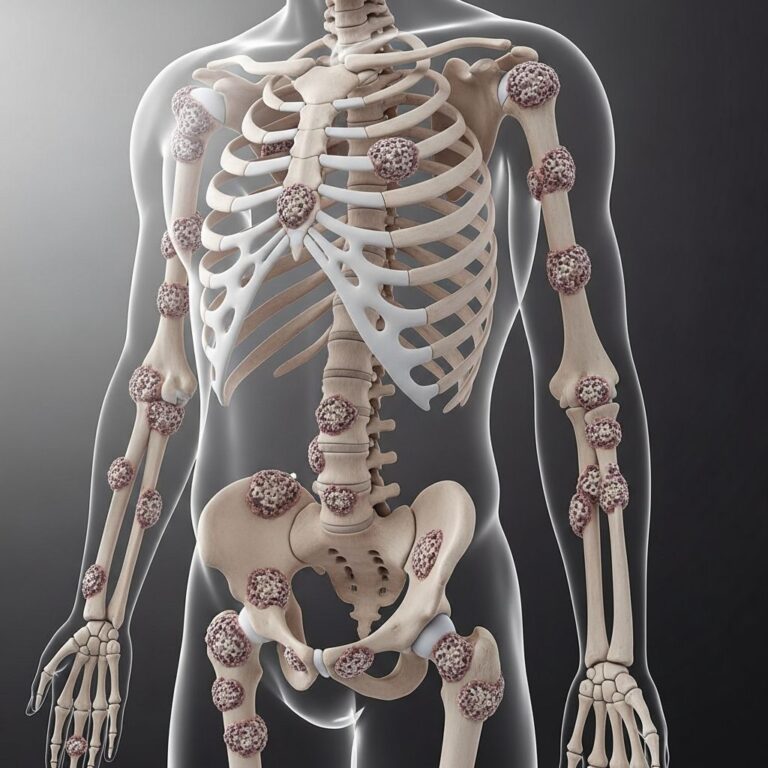
It is indicated for severe infections where the causative organism is unknown or for mixed infections involving beta-lactamase producers. Common uses include chest infections, ear-nose-throat (ENT) infections, skin and soft tissue infections, and osteomyelitis in general practice. Parenteral forms are used when oral administration is unsuitable.
Key facts about co-fluampicil
- Co-fluampicil works by disrupting bacterial cell wall synthesis, leading to bacterial death.
- Typical oral dose: 250 mg ampicillin + 250 mg flucloxacillin four times daily for adults; adjust for children and severity.
- Do not use if allergic to penicillins or cephalosporins, or with history of flucloxacillin-associated jaundice.
- Take on an empty stomach, 30-60 minutes before meals, spaced evenly.
- Complete the full course to prevent resistance.
How and when to take co-fluampicil
The standard dosage for adults is one 250/250 mg capsule four times a day. For severe infections, this may double to 500/500 mg four times daily. Children under 10 years typically receive half the adult dose, calculated by weight: 25-50 mg/kg/day of each component divided into four doses. Oral suspension is 125/125 mg per 5 mL for pediatrics.
Timing: Take 30-60 minutes before meals to optimize absorption. Space doses evenly (every 6 hours) over 24 hours. Swallow capsules whole with water.
If you miss a dose, take it as soon as remembered unless near the next dose; do not double up. For extended treatment, regular blood tests monitor liver and kidney function.
Warnings and precautions
Before starting, inform your doctor of any penicillin or beta-lactam allergy, as serious hypersensitivity (anaphylaxis) can occur. Contraindicated in flucloxacillin-related hepatic dysfunction or jaundice.
- Allergic reactions: Swelling, breathing difficulty, or rash require immediate medical attention.
- Vaccinations: May interfere with oral typhoid vaccine; inform vaccinator.
- Contraceptives: Diarrhea or vomiting >24 hours reduces pill efficacy; use additional protection.
- Pain relief: Avoid paracetamol if kidney issues; consult pharmacist.
- Pregnancy/Breastfeeding: Use only if benefits outweigh risks; traces in breast milk possible.
- Other: Caution in hepatic impairment, syphilis (Jarisch-Herxheimer reaction), or with probenecid/allopurinol.
Common questions about co-fluampicil
How does co-fluampicil work?
Ampicillin targets gram-positive and some gram-negative bacteria, while flucloxacillin resists beta-lactamase from staphylococci. Together, they cover common pathogens in skin/leg cellulitis.
Who can and cannot take co-fluampicil?
Suitable for adults and children over 1 month (adjust dose). Avoid in penicillin-allergic patients, those with flucloxacillin jaundice history, or severe liver/kidney issues without monitoring.
Co-fluampicil with food, drinks, and alcohol
Take before meals for best absorption; food reduces efficacy. No specific alcohol interaction, but avoid excess if side effects like dizziness occur. Stay hydrated.
Pregnancy, breastfeeding, and fertility while taking co-fluampicil
Pregnancy: Category B; animal studies show no risk, but human data limited. Use if essential.
Related Stories



Breastfeeding: Trace amounts in milk; monitor infant for diarrhea or rash.
Fertility: No known impact.
Side effects of co-fluampicil
Most side effects are mild and resolve as body adjusts. Common ones include:
| Common side effects | Frequency |
|---|---|
| Feeling sick (nausea) | Common |
| Diarrhea | Common |
| Rash | Common |
| Stomach upset | Common (from flucloxacillin) |
Serious effects: anaphylaxis, jaundice (especially >2 weeks use or elderly), Clostridium difficile colitis. Report persistent symptoms.
How to cope with co-fluampicil side effects
- Nausea: Eat smaller meals; ginger tea.
- Diarrhea: Hydrate; probiotics if approved.
- Rash: Stop and seek medical help.
- Probiotics may help gut issues.
Dosage and duration
Treatment lasts 7-14 days typically; complete course. For osteomyelitis, longer courses with monitoring.
Frequently Asked Questions (FAQs)
Q: Can I take co-fluampicil if allergic to penicillin?
A: No, it is contraindicated due to both components being penicillins. Seek alternative antibiotics.
Q: Does co-fluampicil affect the contraceptive pill?
A: Only if causing prolonged vomiting/diarrhea (>24 hours); use backup contraception then.
Q: What if I forget a dose?
A: Take ASAP unless near next dose; never double.
Q: Is co-fluampicil safe for children?
A: Yes, with weight-based dosing; suspension available.
Q: Can I drive while taking it?
A: Yes, unless side effects like dizziness occur.
Taking co-fluampicil with other medicines and herbal supplements
Interactions:
- Probenecid: Increases levels.
- Allopurinol: Higher rash risk.
- Paracetamol: Caution in renal impairment.
- Aminoglycosides: Do not mix IV.
- Methotrexate: Monitor toxicity.
Inform doctor of all medications.
Common infections treated by co-fluampicil
- Skin/soft tissue (cellulitis)
- Chest infections
- ENT infections
- Bone infections (osteomyelitis)
- Mixed severe infections
References
- Co-fluampicil for infection — Patient.info. 2023. https://patient.info/medicine/co-fluampicil-for-infection
- Co-fluampicil — WikiDoc. 2023-01-13. https://www.wikidoc.org/index.php/Co-fluampicil
- Summary of Product Characteristics: Co-fluampicil — MHRA. 2023. https://mhraproducts4853.blob.core.windows.net/docs/805fd570a9a57f962ea5ff9e303fbb905fc0d914
- Flucloxacillin: Uses, Interactions — DrugBank Online. 2025-06-01. https://go.drugbank.com/drugs/DB00301
- Ampicillin for infection — Medicines for Children. 2024. https://www.medicinesforchildren.org.uk/medicines/ampicillin-for-infection/
- Ampicillin + Flucloxacillin Oral — MIMS Singapore. 2025. https://www.mims.com/singapore/drug/info/ampicillin-plus-flucloxacillin/patientmedicine/ampicillin-flucloxacillin-co-fluampicil-oral
Similar Articles








Read full bio of Sneha Tete