Coagulation Disorders: Types, Causes, and Treatment
Understanding blood clotting disorders: comprehensive guide to diagnosis and management strategies.
Understanding Coagulation Disorders
Coagulation disorders are conditions that affect the body’s ability to form blood clots properly. Blood clotting is a vital physiological process that prevents excessive bleeding when blood vessels are injured. When the coagulation system malfunctions, it can lead to either excessive bleeding or inappropriate blood clot formation. These disorders can be inherited from birth or acquired later in life through various medical conditions or medications. Understanding these conditions is essential for proper management and prevention of serious complications.
What Are Coagulation Disorders?
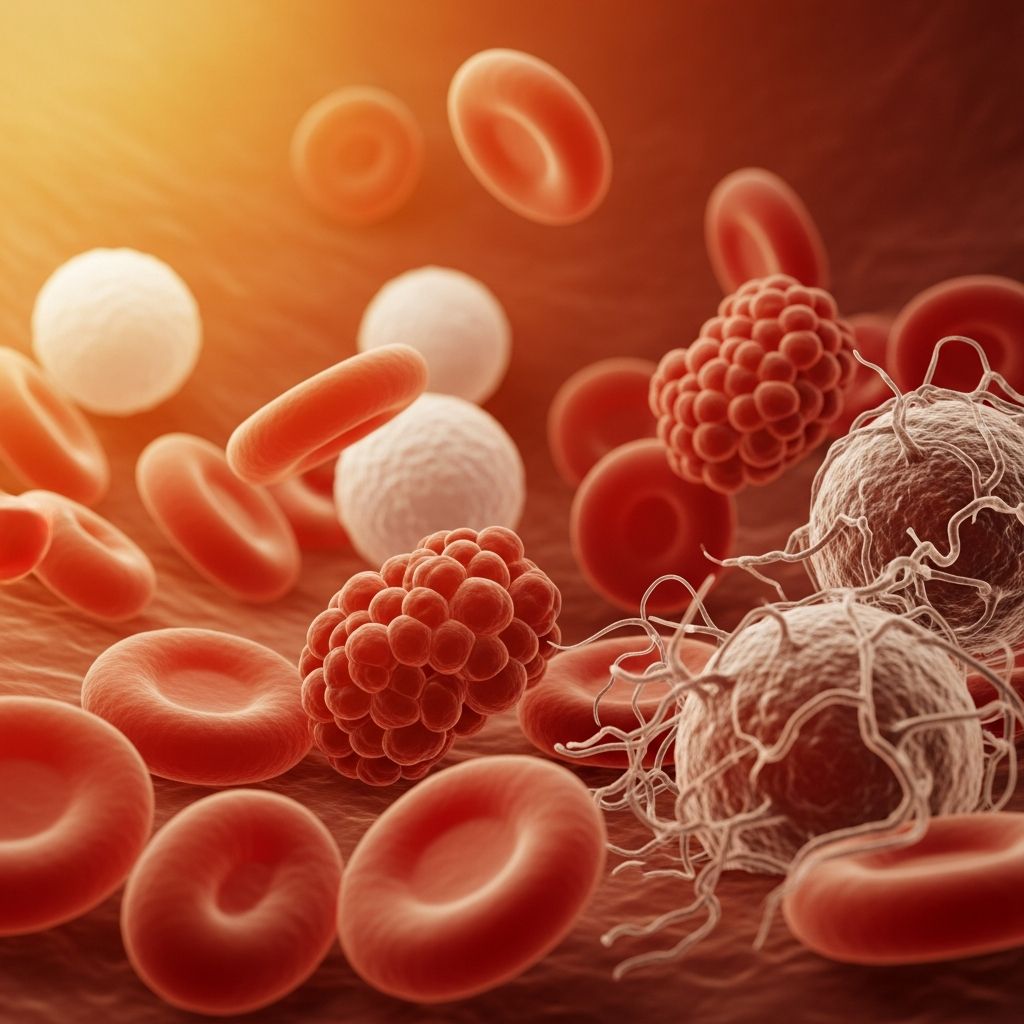
Coagulation disorders refer to any condition that disrupts the normal blood clotting process. The coagulation cascade involves multiple proteins, platelets, and blood vessels working in coordination to form stable clots. When any component of this system is defective or insufficient, the result can be inadequate clotting or excessive clot formation. These disorders can range from mild conditions with minimal symptoms to severe life-threatening situations requiring immediate medical intervention.
Types of Coagulation Disorders
Hereditary Coagulation Disorders
Hereditary coagulation disorders are passed down through families due to genetic mutations affecting clotting factors or other proteins involved in blood coagulation. The most common hereditary coagulation disorders include hemophilia and von Willebrand disease. Hemophilia A and B result from deficiency of clotting factors VIII and IX respectively, while von Willebrand disease involves insufficient von Willebrand factor, a crucial blood-clotting protein. These genetic conditions affect individuals from birth, though symptoms may not manifest immediately or may be discovered later during childhood.
Acquired Coagulation Disorders
Acquired coagulation disorders develop during a person’s lifetime rather than being inherited. The major causes of acquired coagulation disorders include liver disease, vitamin K deficiency, and exposure to certain medications. Liver disease represents a significant cause because the liver synthesizes most coagulation factors except factor VIII. When liver function becomes severely compromised, the production of these critical proteins diminishes, leading to both prolonged prothrombin time (PT) and partial thromboplastin time (PTT). Vitamin K deficiency can occur in newborns who do not receive vitamin K supplements after birth, or in individuals with malabsorption issues or prolonged antibiotic use.
Causes of Coagulation Disorders
Genetic and Hereditary Causes
Genetic mutations are responsible for most hereditary coagulation disorders. Hemophilia, for example, results from mutations on the X chromosome affecting clotting factors VIII or IX. Because males typically possess only one X chromosome, they are more frequently affected by X-linked coagulation disorders than females. Females with two X chromosomes may be carriers or show variable expression of the disease depending on X-inactivation patterns.
Liver Disease
Severe liver disease, including cirrhosis, fulminant hepatitis, and acute fatty liver of pregnancy, significantly disrupts hemostasis. Since hepatocytes and hepatic sinusoidal endothelial cells produce all coagulation factors, severe liver disorders result in prolonged PT and PTT. Additionally, decompensated liver disease may cause excessive fibrinolysis and bleeding due to decreased hepatic synthesis of alpha 2-antiplasmin, a critical inhibitor of the fibrinolytic system.
Related Stories



Vitamin K Deficiency
Vitamin K is essential for the synthesis of several coagulation factors including factors II, VII, IX, and X. Deficiency of this vital nutrient can result from inadequate dietary intake, malabsorption disorders, or prolonged antibiotic use that disrupts intestinal bacteria responsible for vitamin K synthesis. Newborns are particularly vulnerable to vitamin K deficiency bleeding if they do not receive prophylactic vitamin K supplementation after birth.
Medications and Other Factors
Various medications can increase the risk of coagulation disorders or bleeding complications. Blood thinners such as warfarin, direct oral anticoagulants, and heparin are intentionally used to prevent clot formation but carry bleeding risks. Antibiotics, interferon alfa, and other medications can also affect coagulation. Additionally, conditions such as cancer, autoimmune diseases, infections, obesity, and advanced age contribute to coagulation disorder development. Surgery, pregnancy, physical inactivity, and medical devices that affect blood flow are additional risk factors.
Symptoms and Clinical Manifestations
Symptoms of Bleeding Disorders
Individuals with bleeding disorders typically present with characteristic symptoms indicating inadequate clot formation. Heavy bleeding that does not stop despite applying pressure after an injury, dental procedure, or surgery is a hallmark sign. Frequent spontaneous nosebleeds, blood in urine or stool, and frequent large bruises or small red or brown spots under the skin are common manifestations. Joint and muscle bleeding can cause redness, swelling, pain, and stiffness. Women may experience heavy menstrual periods, while some individuals notice bleeding into joints, resulting in swelling and discomfort.
Symptoms of Thrombotic Disorders
In contrast, individuals with hypercoagulable states or excessive clotting disorders may experience symptoms related to inappropriate blood clot formation. These symptoms can include chest pain, shortness of breath, leg swelling, and pain, which may indicate deep vein thrombosis or pulmonary embolism. Some patients may experience recurrent clotting events without obvious triggers.
Additional Symptoms
The underlying cause of the coagulation disorder may produce additional symptoms. For example, liver disease can cause tiredness, weakness, and loss of appetite. Certain hereditary conditions like hereditary hemorrhagic telangiectasia present with small red-to-violet lesions on the face, lips, oral and nasal mucosa, and finger and toe tips, often accompanied by recurrent bleeding from the nasal mucosa and gastrointestinal tract.
Diagnosis of Coagulation Disorders
Clinical Evaluation
The diagnostic process begins with a thorough clinical evaluation. Healthcare providers ask detailed questions about symptoms, including the onset of bleeding episodes, their severity, and any triggers. A complete medical history is essential, including information about previous surgeries, dental procedures, and any unusual bleeding or bruising experiences. Family history is particularly important, as genetic inheritance of coagulation disorders increases the likelihood of similar conditions in relatives.
Physical Examination
A comprehensive physical examination helps identify visible signs of coagulation disorders. Providers look for unexplained bruising, swelling, rashes, or other cutaneous manifestations. They assess for signs of bleeding into joints or muscles and evaluate for hepatomegaly or splenomegaly that might indicate liver disease or other systemic conditions affecting coagulation.
Laboratory Testing
Laboratory tests are crucial for confirming coagulation disorders. Blood smear examination can reveal thrombocytopenia and signs of microangiopathic hemolysis, such as increased reticulocytes and fragmented red blood cells. A prolonged PT or PTT with normal platelet count can indicate liver disease, vitamin K deficiency, or anticoagulation therapy. Coagulation factor tests determine if problems exist with specific clotting factors that may cause too little or too much blood clotting. Testing for hepatitis C is recommended in patients with liver disease and suspected coagulation abnormalities.
Treatment Approaches
General Treatment Principles
The best treatment approach depends on the type of coagulation disorder, its severity, and the patient’s overall health status. Treatments typically aim to manage symptoms and reduce the risk of serious complications. Multiple therapeutic strategies may be employed, tailored to individual patient needs and underlying causes.
Medication-Based Therapies
Several medications are used to treat coagulation disorders effectively. Anti-fibrinolytic drugs help treat bleeding after childbirth or surgeries by stabilizing clots. Birth control pills can reduce menstrual bleeding in women with bleeding disorders. Desmopressin, a synthetic vasopressin analog, stimulates the release of von Willebrand factor and factor VIII, making it effective for certain bleeding disorders. Immunosuppressive medicines may be necessary for autoimmune-mediated coagulation abnormalities. Vitamin K supplements restore normal clotting in deficient individuals. Blood thinners prevent clot formation in hypercoagulable states and are essential following thrombotic events.
Factor Replacement Therapy
For hereditary deficiencies of specific clotting factors, replacement therapy with concentrated factor preparations is often necessary. Hemophilia A patients receive factor VIII concentrates, while hemophilia B patients receive factor IX preparations. These may be derived from donated plasma or produced through recombinant DNA technology. Modern factor replacement therapy has dramatically improved outcomes for patients with hereditary coagulation disorders.
Management and Prevention
Lifestyle Modifications
Patients with coagulation disorders benefit from specific lifestyle modifications to prevent complications. Avoiding trauma and contact sports helps prevent bleeding episodes in those with bleeding disorders. Regular physical activity maintains cardiovascular health without excessive strain. Maintaining proper nutrition, including adequate vitamin K intake, supports normal coagulation. Avoiding alcohol excess is important, particularly for those with liver disease or taking anticoagulants.
Medical Monitoring
Regular follow-up with healthcare providers is essential for optimal management. Periodic blood tests monitor coagulation status and medication effectiveness. Patients on anticoagulation therapy require regular INR (International Normalized Ratio) monitoring for warfarin or periodic assessment of anticoagulation efficacy for other agents. Screening for complications, particularly thrombotic events or recurrent bleeding, guides therapy adjustments.
Frequently Asked Questions
Q: What is the difference between inherited and acquired coagulation disorders?
A: Inherited coagulation disorders result from genetic mutations present from birth and are passed through families, such as hemophilia and von Willebrand disease. Acquired disorders develop during a person’s lifetime due to conditions like liver disease, vitamin K deficiency, or medications. Both types require different management approaches tailored to their underlying causes.
Q: How are coagulation disorders diagnosed?
A: Diagnosis involves clinical evaluation with detailed symptom and family history assessment, physical examination to identify bleeding signs or other manifestations, and laboratory testing including blood smears, PT/PTT measurements, platelet counts, and specific coagulation factor assays. Additional testing may be necessary based on initial findings.
Q: Can coagulation disorders be cured?
A: While some acquired coagulation disorders may be reversible by treating underlying causes like liver disease or vitamin K deficiency, most hereditary disorders are not curable. However, modern treatments effectively manage symptoms and reduce complications, significantly improving quality of life and life expectancy.
Q: What should I do if I suspect I have a coagulation disorder?
A: Consult with a healthcare provider immediately. Describe any symptoms such as excessive bleeding, easy bruising, joint swelling, or family history of bleeding disorders. Your provider can order appropriate tests to determine if a coagulation disorder exists and recommend suitable treatment options.
Q: Are there lifestyle restrictions for people with coagulation disorders?
A: Restrictions depend on the specific disorder and its severity. Those with bleeding disorders should avoid contact sports and activities with high injury risk, while those with thrombotic disorders may need to maintain regular physical activity and avoid prolonged immobility. Your healthcare provider can give specific recommendations based on your condition.
When to Seek Emergency Care
Certain symptoms warrant immediate emergency evaluation. Heavy uncontrolled bleeding from any source, severe headache or neck stiffness with bleeding tendency, difficulty breathing, chest pain, severe abdominal pain with bleeding into the abdomen, or loss of consciousness should prompt immediate emergency care. Individuals with known coagulation disorders experiencing unusual bleeding symptoms should not delay seeking medical attention, as complications can rapidly become life-threatening without proper intervention.
References
- Overview of Coagulation Disorders — Merck Manuals Professional Edition. 2025. https://www.merckmanuals.com/professional/hematology-and-oncology/coagulation-disorders/overview-of-coagulation-disorders
- Coagulation Disorders: Causes, Symptoms, and Treatments — Medical News Today. 2023. https://www.medicalnewstoday.com/articles/coagulation-disorders
- Coagulation Factor Tests — MedlinePlus, National Library of Medicine. 2024. https://medlineplus.gov/lab-tests/coagulation-factor-tests/
- Blood Clots: What They Are and What They Do — Cleveland Clinic. 2024. https://my.clevelandclinic.org/health/body/17675-blood-clots
Similar Articles








Read full bio of medha deb