Cochlear Implant Surgery: Procedure, Benefits, and Recovery
Complete guide to cochlear implant surgery: What to expect before, during, and after.
Understanding Cochlear Implant Surgery
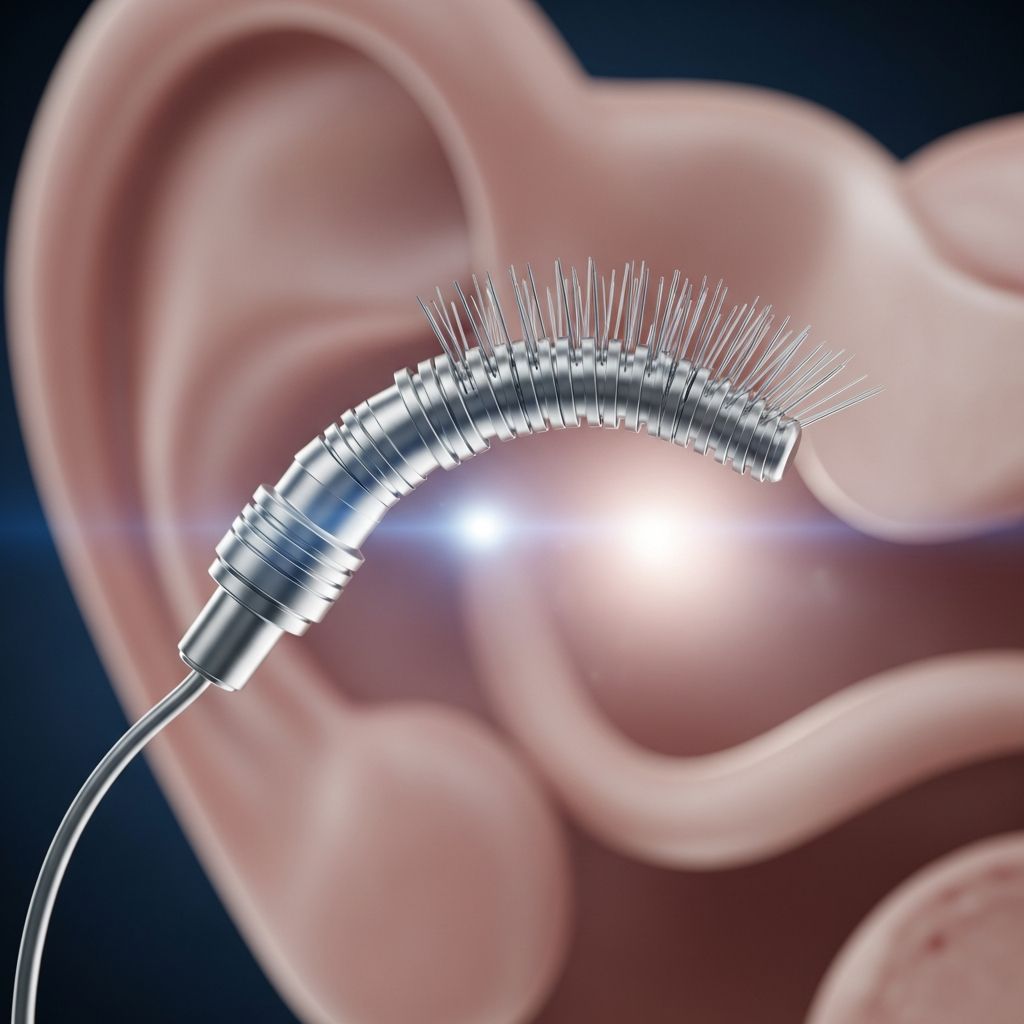
A cochlear implant is a sophisticated electronic device designed to provide a sense of sound to individuals with severe to profound hearing loss who receive limited or no benefit from conventional hearing aids. Unlike hearing aids that amplify sound waves through speakers, cochlear implants work by converting sound into electrical signals that directly stimulate the cochlear nerve, the hearing nerve responsible for transmitting sound information to the brain.
The system consists of two main components: an external processor that captures and processes sound, and an internal implant surgically placed within the ear. This innovative technology has transformed the lives of thousands of individuals worldwide, restoring meaningful hearing and improving communication abilities across all age groups.
Who Is a Candidate for Cochlear Implant Surgery?
Determining candidacy for cochlear implant surgery involves a comprehensive evaluation process to ensure that individuals will benefit significantly from the procedure. Several key factors influence whether someone qualifies for this transformative intervention.
Age Considerations
Cochlear implants are suitable for individuals across a remarkably wide age range. In recent years, implantation has been performed in children as young as ten months old, though timing depends on the child’s overall health and physical development. At the other end of the spectrum, there is no upper age limit for implantation. Candidates in their eighties and beyond have successfully received cochlear implants, with outcomes depending primarily on overall physical health and ability to tolerate surgery under general anesthesia.
Hearing Loss Requirements
Ideal candidates typically have severe to profound bilateral sensorineural hearing loss that provides limited or no benefit from appropriately fitted hearing aids. Audiological testing and evaluation must demonstrate that conventional amplification has been inadequate for functional communication. Additionally, candidates should have intact or functional cochlear nerves capable of responding to electrical stimulation.
General Health Status
Candidates must be in sufficient health to undergo surgery under general anesthesia and tolerate the operative procedure. A thorough medical evaluation assesses overall physical condition, any coexisting medical conditions, and medication regimens to ensure surgical safety. Psychological readiness and realistic expectations about outcomes are also important considerations in the evaluation process.
Pre-Surgical Evaluation and Testing
Before undergoing cochlear implant surgery, patients complete an extensive evaluation process conducted by a multidisciplinary team of specialists. This comprehensive assessment ensures proper candidacy and establishes baseline information for post-operative comparison.
Audiological Assessment
Specialized audiologists conduct detailed hearing tests to determine the degree and type of hearing loss. These assessments typically include pure-tone audiometry, speech discrimination testing, and evaluation of benefit from current hearing aids. Imaging studies such as computed tomography (CT) or magnetic resonance imaging (MRI) scans are obtained to evaluate cochlear anatomy and confirm the presence of intact cochlear nerves capable of responding to electrical stimulation.
Related Stories



Medical and Surgical Evaluation
Otolaryngologists and other medical specialists perform comprehensive physical examinations and review medical history to identify any conditions that might affect surgical outcomes or safety. Blood work, imaging studies, and consultation with other medical specialists may be necessary based on individual health status and medical history.
Psychological and Educational Assessment
Mental health professionals and educational specialists assess psychological readiness, motivation, and realistic expectations regarding outcomes. Family support systems and educational resources are evaluated to ensure comprehensive support throughout the implantation process and post-operative rehabilitation.
The Surgical Procedure
Cochlear implant surgery is performed in a hospital or surgical center setting under general anesthesia. The procedure typically lasts two to four hours, depending on individual anatomy and surgical complexity.
Surgical Approach and Technique
The surgeon makes an incision behind the ear to access the mastoid bone. Through careful surgical dissection, the surgeon creates a pathway to the cochlea and round window niche. A receiver-stimulator package is then positioned under the skin behind the ear, secured to the bone.
The electrode array is carefully inserted through the round window into the cochlea, where it comes into contact with the cochlear nerve. The electrode array contains multiple contacts that will deliver electrical stimulation to different regions of the cochlear nerve, allowing for frequency-specific sound perception. Precise positioning and insertion of the electrode array are critical to achieving optimal outcomes and minimizing complications.
Wound Closure and Recovery
After electrode placement verification through electrophysiological testing, the surgeon carefully closes the surgical site with absorbable sutures. The external incision is closed in layers to promote healing and minimize scarring. Most patients are discharged to go home on the same day or after an overnight stay, depending on individual circumstances and hospital protocols.
Post-Operative Recovery and Healing
Following cochlear implant surgery, a recovery period is essential to allow proper healing before device activation. This healing phase typically lasts approximately one month.
Pain and Discomfort Management
Some degree of pain, discomfort, or soreness behind the ear is normal after surgery. Prescribed pain medications and ice application help manage discomfort during the initial healing phase. Most patients experience significant improvement within the first one to two weeks after surgery, with complete healing progressing over several weeks.
Activity Restrictions
During the healing phase, patients should avoid strenuous activities, heavy lifting, and activities that might cause head trauma. Water exposure to the surgical site should be minimized until the incision is fully healed. Healthcare providers give specific instructions regarding activity resumption and wound care to promote optimal healing.
Surgical Site Care
Patients receive detailed instructions for keeping the surgical site clean and dry. Regular follow-up appointments allow healthcare providers to monitor healing progress, assess for any complications, and remove sutures if necessary. Most incisions heal well with minimal visible scarring, particularly as time progresses.
Device Activation and Initial Programming
Approximately one month after surgery, when the ear has adequately healed and swelling has subsided, the cochlear implant system is activated for the first time. This critical appointment marks the beginning of auditory rehabilitation and adaptation to electrical stimulation.
The Activation Process
During the activation appointment, an audiologist places the external processor behind the ear and connects it to the internal device. The processor is then programmed with initial settings to deliver electrical stimulation to the cochlear nerve. The first activation session focuses primarily on establishing loudness tolerance and comfort levels. Since the ear has not received electrical stimulation for an extended period, the sensation can feel intense and unusual initially, comparable to experiencing bright light in a dark room.
Initial Perceptions and Adjustments
After initial activation, most patients report hearing at least some sounds, and many can distinguish some speech sounds. However, sound quality during this early phase may be significantly different from natural hearing. The brain requires time to learn how to interpret the electrical signals as meaningful sound and speech. Progressive adjustments during follow-up activation appointments increase electrical stimulation levels and refine frequency mapping to optimize sound quality and speech understanding.
Rehabilitation and Auditory Training
Auditory rehabilitation is a critical component of the cochlear implant journey, particularly for children. This specialized therapy helps the brain learn to interpret electrical signals as meaningful sound and speech.
Pediatric Rehabilitation Programs
Children typically participate in weekly rehabilitation sessions with specialized auditory therapists. These sessions develop essential listening and communication skills not only in the child but also train parents and caregivers in techniques to reinforce learning in home and community environments. As children reach school age, rehabilitation services are often coordinated with educational support provided through school systems.
Adult Rehabilitation Options
Adult rehabilitation programs have expanded significantly in recent years, offering flexible options to accommodate work and personal schedules. While intensive weekly sessions were historically the standard, modern programs now offer various formats including individual sessions, group sessions, and telehealth consultations that provide greater accessibility and convenience for working adults.
Long-Term Device Management and Maintenance
Proper maintenance and care of the cochlear implant system ensure optimal function and longevity. Understanding device limitations and care requirements helps patients integrate the device seamlessly into daily life.
Water Resistance and Daily Activities
Most cochlear implant processors are not waterproof and must be removed during bathing, showering, and swimming. Patients should protect the external processor from moisture and humidity. While some advanced processors offer water-resistant designs, standard precautions remain important to prevent damage and maintain device function. Wearing the processor during sleep is generally not recommended, though this remains a personal choice that patients can discuss with their healthcare team.
Travel and Security Considerations
Because cochlear implants contain magnets and metal components, individuals will trigger airport metal detectors during security screening. Patients should inform TSA officers about their implants and allow extra time—approximately five to ten minutes—to complete security procedures without complications. Carrying medical identification documentation helps facilitate the security process.
Device Upgrades and Revisions
As technology advances, patients may wish to upgrade external processors to access newer features and improved sound quality. Upgrading the external equipment alone is often covered by insurance and provides access to technological improvements while preserving the internal device. Occasionally, full device revision involving replacement of both external and internal components may be considered, particularly when internal device malfunction occurs or when technological advances offer significant benefits for pediatric patients.
Technological Advances and Future Outcomes
Cochlear implant technology continues to evolve, offering improved sound quality, more natural listening experiences, and enhanced functionality. The internal device is designed to function indefinitely, eliminating the need for replacement in most cases. However, pediatric patients may benefit from internal device revision in rare circumstances where dramatic technological advances justify the procedure.
Frequently Asked Questions
Q: How long does cochlear implant surgery take?
A: The surgical procedure typically lasts two to four hours, depending on individual anatomy and surgical complexity. The duration may vary based on how readily the surgeon can access the cochlea and position the electrode array.
Q: When can I hear after cochlear implant surgery?
A: The device is activated approximately one month after surgery to allow adequate healing. After activation, most patients hear at least some sounds, and many can distinguish speech sounds immediately, though sound quality continues to improve as the brain adapts to electrical stimulation.
Q: Is cochlear implant surgery typically covered by insurance?
A: Yes, cochlear implant surgery is typically covered by insurance companies because it provides significant benefits and meaningful hearing restoration. While some insurers may request additional information, most cases receive approval after appropriate evaluation and documentation.
Q: Can I swim or shower with a cochlear implant?
A: The external processor must be removed during swimming and showering as most processors are not waterproof. Some advanced processors offer water-resistant designs, but standard precautions protect the device from moisture damage.
Q: What is the age range for cochlear implant surgery?
A: Cochlear implants can be implanted in children as young as ten months old and in individuals well into their eighties and beyond. Age alone does not determine candidacy; overall health and ability to tolerate general anesthesia are more important factors.
Q: How long does auditory rehabilitation take?
A: Rehabilitation duration varies by individual. Pediatric patients typically engage in ongoing therapy for months to years as they develop listening and communication skills. Adults may require fewer sessions depending on their learning pace and previous hearing experience.
Q: Will I need revisions or upgrades to my cochlear implant?
A: The internal device is designed to function for life without replacement in most cases. External processor upgrades are possible as technology advances. Full device revision is rarely necessary but may be considered if internal device malfunction occurs or for pediatric patients when significant technological advances become available.
References
- Johns Hopkins Cochlear Implant Center Q&A: Activation and Device Management — Johns Hopkins Medicine. 2014-03-11. https://www.hopkinsmedicine.org/otolaryngology/
- Introduction to Cochlear Implantation: What is a Cochlear Implant and Who Qualifies — Charles Della Santina, M.D., Ph.D., Director, Johns Hopkins Listening Center. 2017-04-18. https://www.hopkinsmedicine.org/otolaryngology/specialty_areas/listencenter/
- Cochlear Implants: Surgical Procedure and Recovery — Johns Hopkins Aramco Healthcare. https://www.hopkinsmedicine.org/
- Revision Cochlear Implant Surgery in Children: The Johns Hopkins Experience — PubMed Central, National Center for Biotechnology Information (NCBI). 2009. https://pubmed.ncbi.nlm.nih.gov/19887981/
Similar Articles








Read full bio of Sneha Tete