Coconut Aminos vs Soy Sauce: Key Differences
Explore the nutritional differences, flavors, and uses of coconut aminos versus traditional soy sauce.
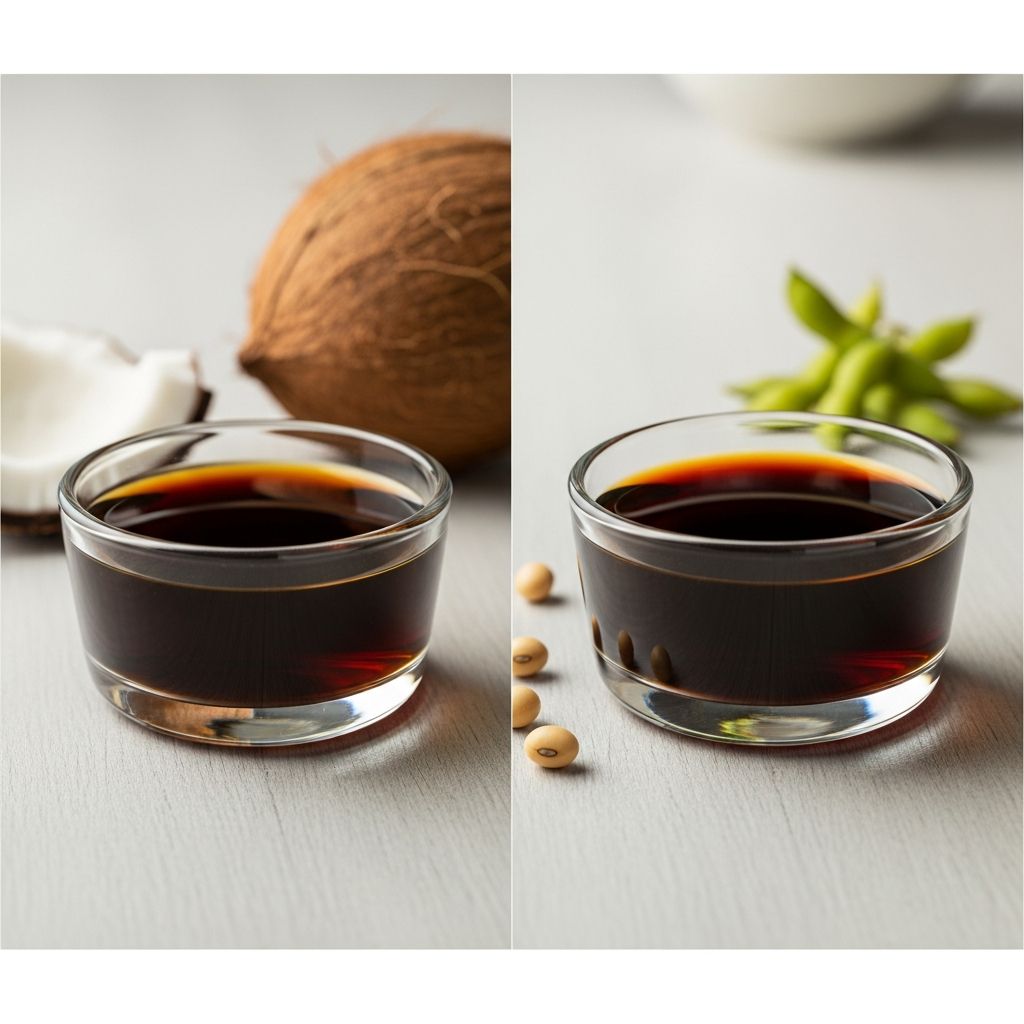
Coconut Aminos vs Soy Sauce: Understanding the Key Differences
When it comes to Asian-inspired cooking and flavor-packed condiments, soy sauce has been a kitchen staple for centuries. However, in recent years, coconut aminos has emerged as a popular alternative, attracting health-conscious cooks and those with dietary restrictions. Both sauces deliver savory umami depth to dishes, but they differ significantly in flavor profile, sodium content, and nutritional composition. Understanding these differences can help you make informed choices about which condiment best suits your cooking needs and dietary preferences.
What Is Coconut Aminos?
Coconut aminos is a savory seasoning sauce made from the fermented sap of coconut palm. This distinctive condiment is created by extracting sap from coconut blossoms, storing it, and allowing it to ferment naturally due to the sugars present within the liquid. The fermentation process develops its characteristic dark color and savory flavor profile. Despite its name and coconut origin, coconut aminos does not taste like coconut at all—instead, it delivers a dark-colored sauce with salty and savory notes similar to soy sauce, but with a hint of sweetness.
The ingredient list for coconut aminos is remarkably simple: the fermented coconut palm sap and sea salt, often complemented by 17 amino acids that develop during the fermentation process. This minimalist approach to production means coconut aminos contains no soy, gluten, or animal products, making it an attractive option for those with common food allergies or following plant-based diets.
What Is Soy Sauce?
Soy sauce is a traditional condiment made from fermented soybeans and wheat, producing a rich, complex flavor that has anchored Asian cuisines for generations. Like coconut aminos, soy sauce undergoes fermentation, which develops its umami—the savory, mouth-filling quality that enhances the depth of dishes. Traditional soy sauce varieties include Japanese soy sauce, which works well for dipping sauces and marinades, and Chinese soy sauce, which is better suited for sauces and light seasoning applications.
Flavor Profile Comparison
Coconut aminos has a milder, sweeter flavor, while soy sauce has a richer, more complex taste. This fundamental difference in flavor makes each sauce suitable for different culinary applications and personal preferences. Coconut aminos’ gentler flavor profile means it won’t overpower delicate dishes, making it ideal for those sensitive to intense saltiness or who prefer subtle seasoning.
Soy sauce delivers a deeper, more developed flavor that many chefs prefer for traditional Asian dishes where bold, complex seasonings are desired. The fermentation of soybeans creates layers of umami that have made soy sauce indispensable in countless recipes. However, this robust flavor profile may be overwhelming for some palates or in dishes where a lighter touch is preferred.
Sodium Content: A Critical Difference
One of the most significant differences between these two sauces is their sodium content. Traditional soy sauce contains approximately 280–320 mg of sodium per teaspoon, while coconut aminos contains only 90 mg of sodium per teaspoon. This means soy sauce has about three times as much sodium as coconut aminos, making coconut aminos substantially lower in salt.
For perspective, when measured by tablespoon, soy sauce contains 900–1,000 mg of sodium, compared to coconut aminos at 90–130 mg. Even low-sodium soy sauce alternatives hover around 575–700 mg of sodium per tablespoon, still significantly higher than coconut aminos. If you’re monitoring your sodium intake due to health concerns like high blood pressure or heart disease, coconut aminos offers a 72% sodium reduction compared to leading soy sauce brands.
Related Stories



Nutritional Comparison
| Sauce | Calories (per 1 Tbsp) | Sodium (mg) | Soy-Free | Gluten-Free |
|---|---|---|---|---|
| Soy Sauce | ~10 | 900–1,000 | No | No |
| Tamari (low-sodium) | ~10 | 600–700 | No | Yes |
| Coconut Aminos | ~5–15 | 90–130 | Yes | Yes |
Takeaway: Coconut aminos are significantly lower in sodium and free from the top two allergens—soy and gluten.
Allergen and Dietary Considerations
For individuals with food allergies or sensitivities, the allergen profile of these sauces matters significantly. Coconut aminos is completely free from soy and gluten, making it safe for people with soy allergies, celiac disease, or gluten sensitivity. Additionally, coconut aminos contains no animal products, making it suitable for vegan and vegetarian diets.
Traditional soy sauce, by contrast, is made from fermented soybeans and wheat, containing both common allergens. Those with soy or gluten sensitivities must avoid traditional soy sauce entirely. While tamari offers a gluten-free alternative made from fermented soybeans, it still contains soy and isn’t suitable for those with soy allergies.
Beyond allergens, coconut aminos is increasingly popular among those following specific dietary frameworks. It is Whole30-approved, Paleo-friendly, and Keto-compatible, making it an excellent ingredient substitution for people adopting or maintaining these lifestyle approaches.
Organic and GMO Considerations
Another advantage of coconut aminos is its production standards. Soy used in traditional soy sauce is often genetically modified and grown with conventional pesticide practices, whereas coconut aminos is typically organic and non-GMO. For consumers concerned about pesticide exposure and genetic modification, this represents a meaningful difference in sourcing and agricultural practices.
Health Claims and Reality
Marketing materials sometimes suggest that coconut aminos offers superior health benefits compared to soy sauce. However, it’s important to approach these claims critically. According to Healthline, there is no research that backs up any health benefits of coconut aminos. Coconut aminos is not nutrient-dense and should not be considered a health food; it is simply a condiment, much like soy sauce.
The primary legitimate advantage of coconut aminos from a health perspective is its lower sodium content, which is beneficial for individuals managing sodium intake for cardiovascular health. While coconut aminos does have less sodium than soy sauce and is free from soy and gluten allergens, it should be consumed moderately as it is not salt-free.
How to Substitute Coconut Aminos for Soy Sauce
Since both sauces deliver umami depth and work in similar culinary applications, substituting one for the other is straightforward with proper adjustments. When replacing soy sauce with coconut aminos:
- Use coconut aminos in a 1:1 ratio for soy sauce in most recipes
- Because coconut aminos has significantly less sodium, add a pinch or two of kosher salt or sea salt to taste
- Adjust salt additions gradually to achieve your desired flavor balance
- Note that coconut aminos’ slightly sweeter profile may require minor seasoning adjustments in some dishes
How to Substitute Soy Sauce for Coconut Aminos
When substituting soy sauce in recipes calling for coconut aminos, you must account for soy sauce’s higher sodium content. The approach differs from substituting the other direction:
- Use less soy sauce than the recipe calls for coconut aminos—approximately one-third the amount
- For example, if a recipe calls for 3 tablespoons of coconut aminos, use 1 tablespoon of soy sauce
- Add 2 tablespoons of warm water to maintain the same liquid volume in the recipe
- Alternatively, reduce the salt content elsewhere in the recipe to compensate for soy sauce’s higher sodium
- Soy sauce’s slightly more complex flavor may enhance the dish’s depth, which can be desirable in many applications
Recipe Applications for Both Sauces
Both coconut aminos and soy sauce work beautifully in a wide range of culinary applications. Their umami-rich profiles make them suitable for:
- Stir-fry dishes and wok cooking
- Fried rice and grain bowls
- Marinades for proteins and vegetables
- Salad dressings and vinaigrettes
- Dipping sauces for dumplings, spring rolls, and sushi
- Barbecue sauces and glazes
- Final seasoning sprinkles over cooked vegetables
- Popcorn seasoning (where coconut aminos’ slight sweetness is particularly appealing)
Due to their similar umami flavor, you can swap coconut aminos for soy sauce in virtually any of these applications, adjusting salt content as needed.
Other Soy Sauce Alternatives
Beyond coconut aminos, other substitutes exist for traditional soy sauce. Liquid aminos is a dark, salty seasoning sauce similar to soy sauce. It is gluten-free but not soy-free, as it’s made by treating soybeans with an acidic chemical solution that breaks down soy protein before acid neutralization. Liquid aminos typically contains the same sodium level as traditional soy sauce, making it less suitable for those reducing sodium intake.
Tamari is a Japanese seasoning sauce made from fermented soybeans that is typically gluten-free but not soy-free. It’s darker, richer, and tastes slightly less salty than traditional soy sauce, containing approximately 300 mg of sodium per teaspoon. While liquid aminos and tamari can be swapped in a 1:1 ratio for soy sauce, substituting them for coconut aminos requires reducing salt content or using less sauce due to their higher sodium levels.
Making Your Choice
Choosing between coconut aminos and soy sauce depends on your individual needs and preferences. Select coconut aminos if you:
- Need to reduce sodium intake for health reasons
- Have soy or gluten allergies or sensitivities
- Follow vegan, Paleo, Whole30, or Keto diets
- Prefer a milder, slightly sweeter flavor profile
- Want to avoid GMO and pesticide-treated ingredients
Select soy sauce if you:
- Want a richer, more complex umami flavor
- Don’t have sodium restrictions
- Enjoy traditional Asian cuisine authenticity
- Prefer bold, developed flavor in your dishes
- Need the distinct characteristics soy fermentation provides
Frequently Asked Questions (FAQs)
Q: Does coconut aminos really taste like soy sauce?
A: Coconut aminos delivers similar umami and salty-savory notes to soy sauce, but with a milder flavor and slight sweetness. While not identical, it successfully mimics soy sauce in most recipes when salt is adjusted appropriately.
Q: Is coconut aminos completely sodium-free?
A: No, coconut aminos is not salt-free and should still be consumed moderately. However, with only 90 mg of sodium per teaspoon compared to soy sauce’s 280–320 mg, it is significantly lower in sodium and represents a good option for those managing sodium intake.
Q: Can I use coconut aminos and soy sauce interchangeably in all recipes?
A: Yes, you can substitute them in virtually any recipe, but you must adjust the salt content. Use coconut aminos in a 1:1 ratio and add salt to taste, or use one-third the amount of soy sauce and add water to maintain liquid volume.
Q: Which sauce is healthier?
A: Neither sauce is considered a health food, but coconut aminos is lower in sodium and free from soy and gluten allergens. For individuals managing sodium intake or with allergies, coconut aminos is the better choice.
Q: Does coconut aminos contain coconut flavor?
A: No, despite being made from coconut palm sap, coconut aminos does not taste like coconut. The fermentation process develops savory, umami flavors rather than coconut characteristics.
References
- Coconut Aminos vs Soy Sauce: What’s the Difference? — Coconuts and Kettlebells. Accessed January 2026. https://coconutsandkettlebells.com/coconut-aminos-vs-soy-sauce/
- Coconut Aminos vs. Tamari vs. Soy Sauce — 1000 Farms. Accessed January 2026. https://1000farms.co.in/blogs/blogs/coconut-aminos-vs-tamari-vs-soy-sauce
- Coconut Aminos Vs. Soy Sauce: Everything You Need to Know — Snap Kitchen. Accessed January 2026. https://blog.snapkitchen.com/coconut-aminos-vs-soy-sauce-everything-you-need-to-know/
- Coconut Aminos vs Soy Sauce — A Couple Cooks. Accessed January 2026. https://www.acouplecooks.com/coconut-aminos-vs-soy-sauce/
- Coconut Aminos vs Soy Sauce – Which is Better for You? — Nutiva. Accessed January 2026. https://www.nutiva.com/blogs/coconutsecret-blog/coconut-aminos-vs-soy-sauce-which-is-better-for-you
- Coconut Aminos vs. Soy Sauce | Wellness Hub — iHerb. Accessed January 2026. https://www.iherb.com/blog/coconut-aminos-vs-soy-sauce/554
Similar Articles








Read full bio of Sneha Tete