Coconut Health Benefits: 5 Science-Backed Ways It Helps
Discover the nutrient-packed power of coconut: from heart health to antioxidants and blood sugar support.
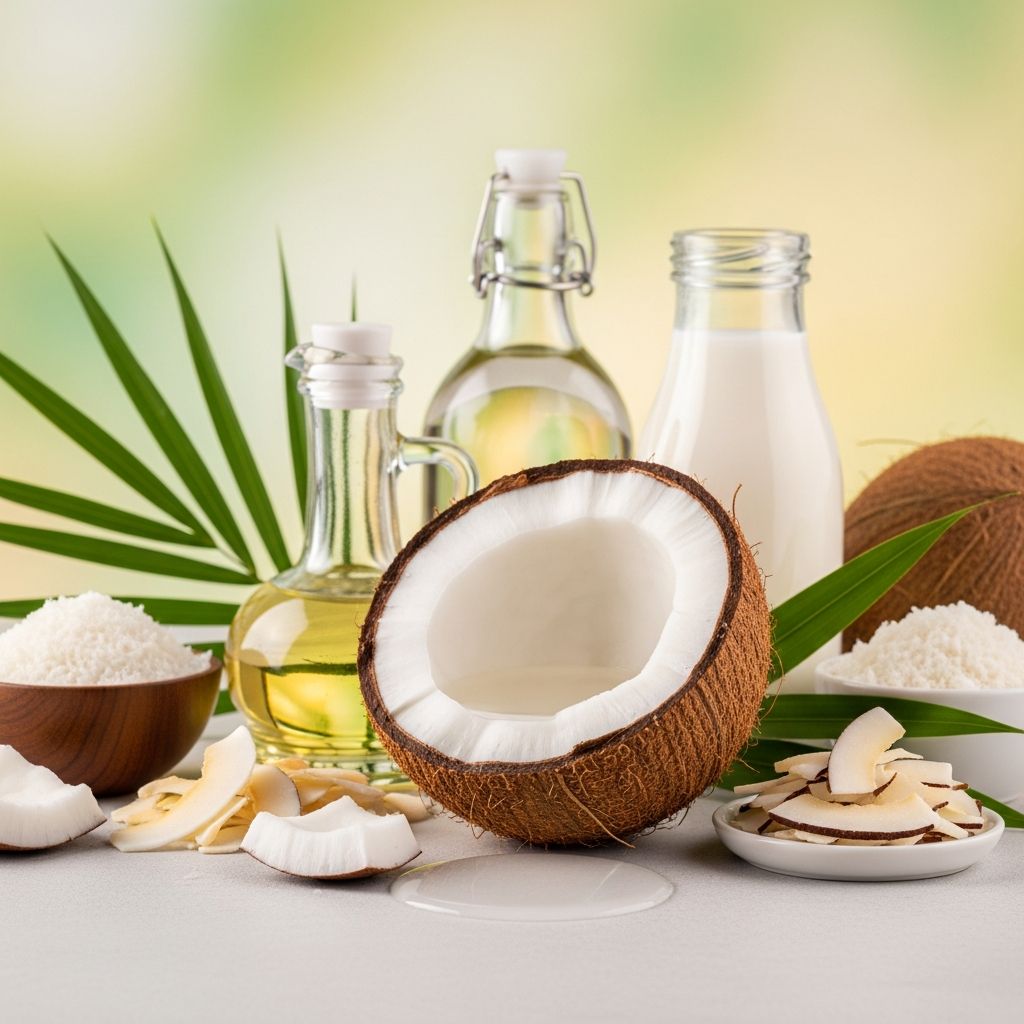
Coconuts offer a range of health advantages backed by nutrition science, including high nutrient density, medium-chain triglycerides (MCTs) for energy, antibacterial effects, potential blood sugar support, and antioxidant protection.
What Is Coconut?
Coconut, derived from the fruit of the Cocos nucifera palm, is a versatile tropical staple used in water, milk, oil, meat, and flour. Unlike many fruits, it’s high in fat—primarily saturated MCTs that the body metabolizes quickly for energy rather than storage.
Young coconuts yield clear water (95% water, low fat), while mature ones provide creamy milk from grated meat, oil for cooking, and dried meat for baking. These forms make coconut adaptable for drinks, curries, desserts, and skincare.
Coconut Nutrition Facts
One cup (80g) of raw coconut meat delivers about 283 calories, 27g fat (89% saturated MCTs like lauric acid), 12g carbs (9g fiber), and 3g protein. It’s rich in manganese (60% DV), copper (22% DV), selenium (11% DV), iron (18% DV), phosphorus (17% DV), and potassium (12% DV).
| Nutrient | Amount per 80g Serving | % Daily Value |
|---|---|---|
| Calories | 283 | 14% |
| Total Fat | 27g | 35% |
| Manganese | 1.3mg | 60% |
| Copper | 0.44mg | 22% |
| Selenium | 6.2mcg | 11% |
| Iron | 3.3mg | 18% |
| Fiber | 9g | 32% |
These minerals support bone health, metabolism, red blood cell formation, and antioxidant defense. MCTs bypass typical fat digestion, providing rapid energy and potentially aiding weight management.
5 Impressive Health Benefits of Coconut
1. Nutrient-Dense Superfood
Coconut stands out for its dense profile of vitamins, minerals, and healthy fats. Manganese aids carbohydrate, protein, and cholesterol metabolism; copper and iron form hemoglobin; selenium combats oxidative stress. The high fiber promotes gut health and satiety.
- MCTs for energy: Quickly converted to ketones, ideal for brain fuel and exercise performance.
- Electrolytes in water: Potassium and magnesium for hydration.
- Fiber benefits: Supports digestion and cholesterol reduction.
2. Contains Powerful Antibacterial Properties
Lauric acid (50% of coconut fat) converts to monolaurin, exhibiting strong antimicrobial effects against bacteria, viruses, and fungi like Staphylococcus aureus, Candida albicans, and influenza. Coconut oil’s medium-chain fatty acids disrupt pathogen membranes.
Studies show virgin coconut oil (VCO) reduces oral bacteria and supports skin health by fighting infections topically. Fiber in coconut meat adds antibacterial, anti-inflammatory, and antiparasitic effects.
3. May Promote Blood Sugar Management
Low carbs, high fiber, and fats in coconut slow digestion, stabilizing glucose. A 2020 case study noted coconut oil lowered blood sugar in a diabetic patient via anti-inflammatory actions. 2024 animal research found coconut water post-meal reduced spikes due to ellagic acid, butin, and quercetin.
A 2021 trial in metabolic syndrome patients showed virgin coconut oil improved triglycerides and fasting glucose over 4 weeks. However, a 2022 review cautioned potential insulin-lowering effects raising post-meal sugar long-term—more human trials needed.
- Mechanisms: Fiber delays carb absorption; MCTs enhance insulin sensitivity.
- Caution: Mixed results; monitor if diabetic.
4. Rich in Antioxidants
Coconut meat, water, and oil contain phenolics like gallic, caffeic, salicylic, and p-coumaric acids, neutralizing free radicals to prevent oxidative damage linked to cancer and heart disease.
A 2015 study ranked Malaysian coconut milk higher in antioxidants than cow or goat milk. For skin, 2024 reviews highlight antimicrobial/anti-inflammatory roles in wound healing, moisture retention, barrier function, and atopic dermatitis relief. Coconut water protects dermal fibroblasts; antioxidants shield DNA.
Related Stories



5. Supports Heart Health and More
Despite saturated fat stigma, coconut’s MCTs improve lipid profiles differently from long-chain fats in meat/butter. Meta-analyses show coconut oil raises HDL-C (good cholesterol) more than vegetable oils, with modest LDL increases but better than butter.
A 2023 network meta-analysis ranked coconut oil top for HDL improvement. In Alzheimer’s pilots, coconut-enriched diets boosted cognition via ketones offsetting brain glucose issues. Overall, medium-chain fats favor CVD risk reduction vs. animal sources.
How to Use Coconut in Your Diet
- Coconut water: Hydrate post-workout; add to smoothies.
- Milk/cream: Curries, soups, dairy-free lattes (full-fat for creaminess).
- Oil: High-heat cooking, baking substitute (1:1 for butter).
- Meat/flour: Trail mix, energy balls, gluten-free baking.
- Topical: Oil for moisturizer, hair mask.
Start with 1-2 tbsp oil/day; pair with veggies, proteins for balance.
Possible Side Effects and Precautions
Coconut is calorie-dense (450 kcal/100g meat), so excess may hinder weight loss. High saturated fat (90%) warrants moderation—limit to 5-10% daily calories per AHA, though MCTs are less concerning.
- Allergies: Rare tree nut cross-reactivity.
- Digestive: High fiber may cause bloating; introduce gradually.
- Blood lipids: Monitor cholesterol if predisposed; evidence mixed.
- Pregnancy/conditions: Safe in food amounts; consult doctor for supplements.
Not a diabetes cure—combine with balanced diet/exercise.
Bottom Line
Coconut is a nutritious, versatile fruit with MCTs, minerals, fiber, antibacterials, and antioxidants supporting energy, gut health, skin, blood sugar, and heart metrics. Moderate intake maximizes benefits while minimizing calorie concerns. Incorporate mindfully for tropical nutrition boost.
Frequently Asked Questions (FAQs)
Is coconut good for weight loss?
Yes, MCTs promote fullness and fat-burning, but high calories require portion control (e.g., 1 tbsp oil).
Does coconut raise cholesterol?
It boosts HDL more than many oils; LDL effects milder than animal fats, per meta-analyses.
Is coconut oil better than olive oil?
Coconut excels for high-heat/MCT energy; olive for monounsaturated fats—use both.
Can diabetics eat coconut?
Potentially helpful for management due to low carbs/fiber, but results mixed—monitor levels.
Is coconut anti-inflammatory?
Yes, via lauric acid and phenolics reducing markers in studies.
References
- 5 Health and Nutrition Benefits of Coconut — Healthline. 2025-08-21. https://www.healthline.com/nutrition/coconut-nutrition
- Coconut milk: Benefits, nutrition, uses, and risks — Medical News Today. 2018-08-01. https://www.medicalnewstoday.com/articles/323743
- Coconuts and Health: Different Chain Lengths of Saturated Fats — PMC (PubMed Central). 2020-12-01. https://pmc.ncbi.nlm.nih.gov/articles/PMC7766932/
Similar Articles








Read full bio of Sneha Tete