Coconut Oil Benefits: 6 Science-Backed Uses For Skin, Hair
Discover the science-backed benefits of coconut oil for skin, hair, weight management, and heart health, plus expert tips on safe usage.
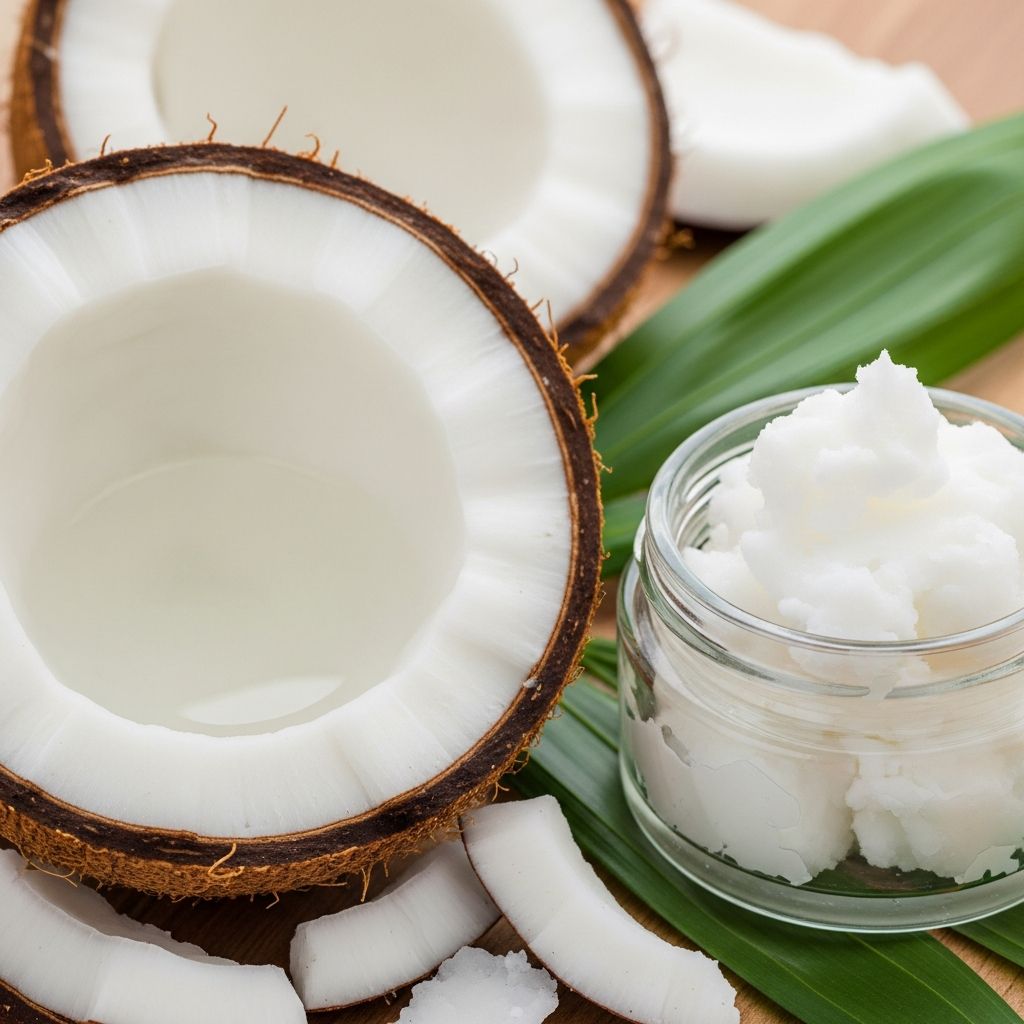
Coconut oil, derived from mature coconut kernels, is a versatile fat composed primarily of saturated fatty acids, notably medium-chain triglycerides (MCTs) like lauric acid. While marketed for numerous health claims, scientific evidence supports select benefits, particularly topical uses, with mixed results for internal consumption due to its high saturated fat content.
What Is Coconut Oil?
Coconut oil is extracted from the flesh of coconuts through processes like cold-pressing or refining. Virgin coconut oil retains more natural compounds, while refined versions undergo bleaching and deodorizing for longer shelf life. It contains about 90% saturated fats, with over 50% as MCTs, distinguishing it from long-chain fats in other oils. These MCTs are rapidly metabolized for energy rather than stored as fat.
- Composition: Primarily lauric acid (49%), myristic acid (18%), and palmitic acid (9%).
- Forms: Virgin (unrefined), refined, MCT oil (concentrated medium chains).
- Smoke point: High at 350°F, suitable for cooking.
Nutrition Facts of Coconut Oil
One tablespoon (13.6g) of coconut oil provides 121 calories, 13.5g total fat (11.2g saturated), 0g carbs, protein, or fiber. It lacks vitamins or minerals but offers antioxidants like polyphenols in virgin forms.
| Nutrient | Amount per Tbsp | % Daily Value |
|---|---|---|
| Calories | 121 | 6% |
| Total Fat | 13.5g | 17% |
| Saturated Fat | 11.2g | 56% |
| Monounsaturated Fat | 0.9g | – |
| Polyunsaturated Fat | 0.2g | – |
Its high saturated fat raises concerns for heart health, as guidelines recommend limiting to under 10% of calories.
6 Science-Backed Benefits of Coconut Oil
1. Coconut Oil for Skin
Coconut oil’s fatty acids moisturize skin by forming a barrier that locks in hydration. A study found it more effective than olive oil for eczema in children, reducing symptoms via antimicrobial lauric acid. It’s also used for acne and wounds, though evidence is preliminary.
- Apply directly as lotion.
- Mix with essential oils for massages.
2. Coconut Oil for Hair
As a conditioner, coconut oil penetrates hair shafts, reducing protein loss and breakage. Research shows it outperforms mineral oil in preventing damage from washing and UV exposure. Use pre-shampoo or overnight for shine and strength.
3. Coconut Oil for Teeth (Oil Pulling)
Oil pulling involves swishing 1 tbsp coconut oil for 10-20 minutes daily. Small studies indicate it reduces plaque and gingivitis similar to chlorhexidine mouthwash, thanks to lauric acid’s antibacterial properties against Streptococcus mutans.
How to: Swish, spit into trash (not sink), rinse, brush.
4. Coconut Oil for Weight Loss
MCTs in coconut oil may boost metabolism and satiety. A meta-analysis found virgin coconut oil slightly aids BMI reduction when replacing other fats, but effects are modest (0.5-1kg over 12 weeks). Not a miracle cure; best in calorie-controlled diets.
5. Coconut Oil for Heart Health
Controversial due to saturated fats raising LDL cholesterol. However, some studies show MCTs increase HDL and energy expenditure, potentially protective in moderation. A review notes no superior CVD risk reduction vs. unsaturated oils. Limit to 1-2 tbsp daily.
Related Stories



6. Coconut Oil Antibacterial Properties
Lauric acid disrupts lipid-coated viruses (e.g., HIV, influenza) and bacteria. In vitro studies support antimicrobial effects, useful topically for infections or orally for gut health, though human trials are limited.
Potential Downsides of Coconut Oil
High saturated fat (92%) can elevate LDL if overconsumed, per AHA guidelines. Calorie-dense, risking weight gain. Rare allergies or digestive upset. Not ideal for high-heat frying despite smoke point, as oxidation occurs.
- Heart risk: Increases total/LDL cholesterol vs. olive oil.
- Caloric load: 120 kcal/tbsp.
- Not for everyone: Consult doctor if high cholesterol or gallbladder issues.
How to Use Coconut Oil
Cooking: Sauté, bake, or blend into smoothies (solid below 76°F).
Topical: Moisturizer, makeup remover, hair mask.
Other: Bulletproof coffee, homemade toothpaste.
Start small: 1 tsp daily, prefer virgin organic.
FAQs
Is coconut oil good for you?
Yes for skin/hair topically; moderate internal use may aid energy/weight via MCTs, but watch saturated fat intake.
Is coconut oil healthier than olive oil?
Olive oil better for heart health due to monounsaturates; coconut excels in MCTs for quick energy/topicals.
Does coconut oil clog pores?
Low comedogenic rating (0-2); suitable for most skin types, but test patch for acne-prone.
Can I use coconut oil for oil pulling?
Yes, 10-20 min daily reduces bacteria/plaque effectively.
Is MCT oil the same as coconut oil?
MCT is fractionated (higher C8/C10); coconut has more lauric (C12).
Bottom Line
Coconut oil offers proven topical benefits and potential metabolic perks from MCTs, but isn’t a superfood. Use sparingly in balanced diet; prioritize unsaturated fats for heart health. Consult professionals for personalized advice.
References
- Coconut oil and palm oil’s role in nutrition, health and national development — Eyres L, Eyres MF, Chisholm A. 2016-09-12. https://pmc.ncbi.nlm.nih.gov/articles/PMC5044790/
- Coconut Oil — Academy of Nutrition and Dietetics. 2020-06-19. https://www.eatrightpro.org/news-center/practice-trends/coconut-oil
- The Effect of Coconut Oil Consumption on Cardiovascular Risk Factors — Neelakantan N et al. *Circulation*. 2020-03-10. https://www.ahajournals.org/doi/10.1161/CIRCULATIONAHA.119.043052
- 2015-2020 Dietary Guidelines for Americans — U.S. Department of Health and Human Services and U.S. Department of Agriculture. 2015-12-01. https://www.dietaryguidelines.gov/sites/default/files/2020-12/Dietary_Guidelines_for_Americans_2020-2025.pdf
Similar Articles








Read full bio of Sneha Tete