Coconut Oil For Dry Scalp: Benefits, Uses, Expert Guide
Discover how coconut oil can soothe dry, itchy scalps with its moisturizing and antifungal properties for healthier hair.
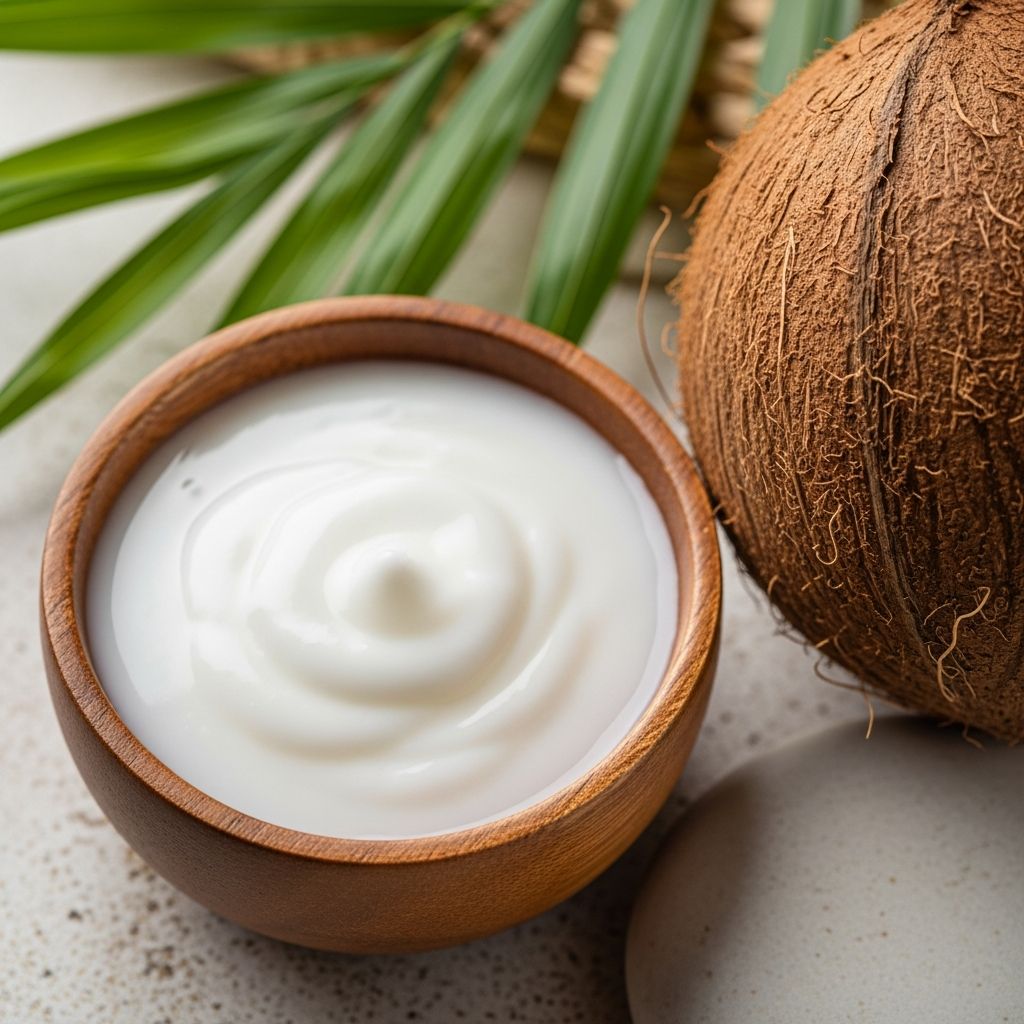
A dry scalp can cause intense itching, flaking, and discomfort, often mistaken for dandruff. Coconut oil, a natural remedy rich in fatty acids, penetrates the skin to hydrate and protect, offering relief from these symptoms.
What Causes Dry Scalp?
Dry scalp results from insufficient natural oils (sebum), leading to tightness, itchiness, and white flakes. Common triggers include harsh weather, overwashing, chemical-laden hair products, and underlying conditions like eczema or psoriasis. Unlike dandruff, which involves fungal overgrowth, dry scalp primarily stems from dehydration of the scalp’s outer layer.
- Cold, dry air: Winter months strip moisture from skin and scalp.
- Hot showers: Excessive heat removes protective oils.
- Frequent styling: Heat tools and tight hairstyles damage the scalp barrier.
- Product buildup: Silicones and sulfates in shampoos exacerbate dryness.
Maintaining scalp hydration is key, and natural emollients like coconut oil can restore balance without harsh chemicals.
Is Coconut Oil Good for Dry Scalp?
Yes, coconut oil excels as a treatment for dry scalp due to its unique composition. Its medium-chain fatty acids, especially lauric acid (about 50% of its content), mimic skin lipids, allowing deep penetration to moisturize from within rather than just coating the surface.
Research supports its efficacy: A longitudinal study found coconut oil helps maintain scalp microbiome balance, reducing dryness and promoting healthier skin. It creates a semi-permeable barrier that locks in moisture while permitting skin respiration.
How Coconut Oil Works on Dry Scalp
- Deep Moisturization: Fatty acids like lauric, capric, and caprylic acids hydrate the scalp, reducing flakiness.
- Protective Barrier: Forms a shield against irritants, bacteria, and UV damage, preventing further moisture loss.
- Anti-Inflammatory Effects: Soothes redness and itching from irritation.
- Antifungal Properties: Lauric acid combats Malassezia fungus, addressing dandruff-like symptoms.
- Antimicrobial Action: Balances scalp microbiome to prevent infections.
Virgin or cold-pressed coconut oil retains these properties best, as refining strips beneficial compounds.
Benefits of Coconut Oil for Scalp Health
Beyond dryness, coconut oil supports overall scalp and hair wellness. It reduces protein loss in hair shafts by up to 50% compared to other oils, strengthening strands from root to tip.
| Benefit | How It Helps | Supporting Evidence |
|---|---|---|
| Reduces Dandruff | Antifungal lauric acid targets fungal causes; moisturizes to prevent flaking | Capric/caprylic acids balance microbiome |
| Soothes Itchiness | Anti-inflammatory compounds calm irritation | Effective for psoriasis symptoms |
| Promotes Hair Growth | Improves circulation via massage; nourishes follicles | Strengthens roots, reduces breakage |
| Repairs Damage | Penetrates hair shaft to restore moisture and proteins | Prevents protein loss |
For conditions like atopic dermatitis, coconut oil’s antibacterial properties reduce infection risk. Ayurvedic traditions highlight its cooling (Sheeta Virya) effect to balance scalp heat.
How to Use Coconut Oil for Dry Scalp
Apply 1-2 times weekly for best results. Choose organic, virgin coconut oil for purity.
Related Stories



Step-by-Step Application Guide
- Prepare Scalp: Brush dry hair to detangle and part into 4-6 sections for even access.
- Warm the Oil: Scoop 1-2 tablespoons (more for thick/long hair); rub between palms to liquify.
- Massage In: Use fingertips in circular motions to apply directly to scalp, then comb through hair ends. Focus on dry areas.
- Let Sit: Cover with a shower cap; leave 30 minutes to overnight for deep penetration.
- Rinse: Shampoo twice with lukewarm water; follow with conditioner if needed.
Application Variations
- Pre-Wash Treatment: Ideal for oily hair; apply to damp scalp 20-30 minutes before shampooing.
- Leave-In: Use sparingly on ends for daily moisture without greasiness.
- Mix-Ins: Blend with tea tree oil (diluted) for enhanced antifungal effects. Avoid if scalp is broken.
Massage stimulates blood flow, boosting nutrient delivery to follicles.
How Often Should You Use Coconut Oil on Your Scalp?
Frequency depends on scalp type: Dry scalps benefit from 2-3 applications weekly; oily ones, once. Overuse leads to buildup, worsening issues. Monitor response and adjust; combine with gentle, sulfate-free shampoos.
Potential Side Effects and Risks
Coconut oil is safe for most, but risks exist:
- Allergies: Rare nut allergy reactions; patch test first.
- Clogged Pores: Comedogenic for some, causing folliculitis.
- Greasy Buildup: Improper rinsing leads to weighed-down hair.
- Not for Open Wounds: May trap bacteria.
Consult a dermatologist for persistent symptoms or conditions like severe psoriasis.
Does Coconut Oil Clog Hair Follicles?
Coconut oil has a low comedogenic rating (0-2 on a 0-5 scale), penetrating rather than sitting on follicles. However, excessive use or poor rinsing can clog pores in acne-prone scalps. Rinse thoroughly and limit to targeted use.
Coconut Oil vs. Other Oils for Dry Scalp
| Oil | Pros | Cons | Best For |
|---|---|---|---|
| Coconut | Deep penetration, antifungal | Can feel heavy | Dry, flaky scalps |
| Argan | Lightweight, antioxidant-rich | Less moisturizing | Fine hair |
| Jojoba | Mimics sebum, non-greasy | Costly | Oily-dry combo |
| Tea Tree (diluted) | Antibacterial boost | Irritating undiluted | Dandruff |
Coconut oil outperforms mineral oil in moisture retention and protein protection.
When to See a Doctor for Dry Scalp
Seek professional help if dryness persists despite remedies, or accompanies hair loss, pus, severe pain, or spreading rash. These signal infections, hormonal issues, or autoimmune conditions requiring medicated treatments.
Frequently Asked Questions (FAQs)
Can I leave coconut oil in my hair overnight?
Yes, for intensive treatment; use a towel-wrapped cap to protect bedding. Shampoo thoroughly in the morning.
Is coconut oil better than olive oil for scalp?
Coconut penetrates deeper due to smaller molecules; olive sits on surface. Coconut is superior for fungal issues.
Does coconut oil help with dandruff?
Yes, its lauric acid fights fungus while moisturizing; effective alongside tea tree oil.
Can coconut oil cause hair loss?
No, it strengthens hair; loss from buildup is reversible with proper washing.
Is virgin coconut oil best for scalp?
Yes, unrefined retains maximum fatty acids and nutrients.
Coconut oil offers a simple, evidence-based solution for dry scalp. Consistent use, paired with scalp-friendly habits, yields lasting relief and healthier hair.
References
- Health Benefits of Coconut Oil for Your Hair — WebMD. 2023-10-15. https://www.webmd.com/beauty/health-benefits-of-coconut-oil-for-hair
- Treatment and Home Remedies for Dry Scalp — Healthline. 2024-05-20. https://www.healthline.com/health/home-remedies-for-dry-scalp
- Longitudinal study of the scalp microbiome suggests coconut oil to maintain scalp health — PMC (PubMed Central). 2021-03-18. https://pmc.ncbi.nlm.nih.gov/articles/PMC8012655/
Similar Articles








Read full bio of medha deb