Coconut Oil For Hair: 5 Evidence-Based Benefits & Uses
Discover how coconut oil nourishes, strengthens, and protects your hair for healthier, shinier locks with expert-backed tips.
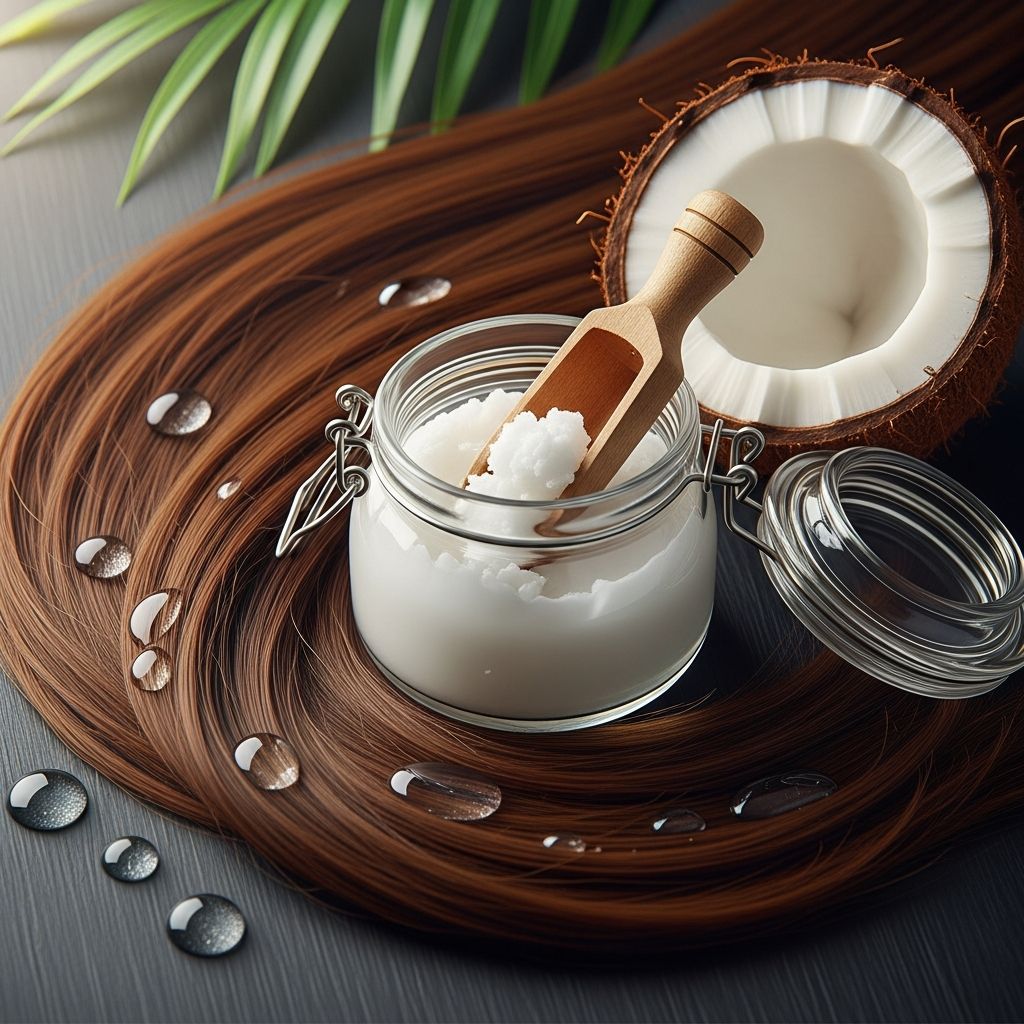
Coconut oil has surged in popularity as a versatile natural remedy for hair care, praised for its ability to penetrate the hair shaft, reduce protein loss, and promote overall scalp health. Extracted from mature coconut meat, this oil’s unique composition of medium-chain fatty acids, particularly lauric acid, sets it apart from other oils that merely coat the hair surface.
What Is Coconut Oil?
Coconut oil is a solid fat derived from the kernel of mature coconuts, primarily composed of saturated fats like lauric acid (about 50%), which gives it antimicrobial properties. Unlike mineral or sunflower oils, coconut oil’s low molecular weight allows it to diffuse into the hair cortex, providing internal nourishment rather than just external coating. This penetration is key to its efficacy in preventing damage from washing, styling, and environmental stressors.
How Coconut Oil Works on Hair
Coconut oil’s effectiveness stems from its chemical structure. Lauric acid, a medium-chain triglyceride, enables deep penetration into the hair fiber, reducing water absorption during washing that leads to swelling and protein loss. Studies demonstrate it outperforms other oils in protecting both undamaged and treated hair from protein depletion, which is crucial since hair is 95% keratin protein. Additionally, its fatty acids seal the cuticle, enhancing shine and elasticity while combating frizz.
Benefits of Coconut Oil for Hair
Coconut oil offers multiple evidence-based benefits for hair health. Here’s a breakdown:
- Deep Moisturization: It locks in hydration by forming a lipid barrier, ideal for dry, frizzy, or curly hair types. This prevents transepidermal water loss, leaving strands softer and more manageable.
- Reduces Protein Loss and Breakage: Applied pre-wash, it minimizes protein leaching during shampooing, strengthening strands and reducing split ends, especially in chemically treated or heat-damaged hair.
- Scalp Health Promotion: Antimicrobial lauric acid combats fungi like Malassezia (linked to dandruff) and bacteria, soothing irritation, reducing flakes, and supporting a healthy follicle environment.
- Adds Shine and Detangles: By smoothing the cuticle, it enhances light reflection for glossy hair and lubricates strands for easier combing, minimizing mechanical damage.
- Protects from Environmental Damage: Acts as a shield against UV rays, pollution, wind, and heat styling, preserving hair integrity over time.
Does Coconut Oil Promote Hair Growth?
While coconut oil does not directly stimulate new follicle growth or increase growth rate (typically 0.5 inches per month), it indirectly supports longer, healthier hair by minimizing breakage and shedding. By moisturizing the scalp, reducing inflammation, and preventing protein loss, it fosters an optimal environment for existing hair to thrive. Users often notice thicker-looking hair due to reduced thinning from damage. For true growth concerns like alopecia, consult a dermatologist, but coconut oil excels in maintenance.
How to Use Coconut Oil for Hair
Incorporate coconut oil into your routine with these methods for maximum benefits:
Related Stories



- Pre-Wash Treatment: Warm 1-2 tablespoons of virgin coconut oil, massage into dry hair and scalp, cover with a shower cap, leave for 30-60 minutes or overnight, then shampoo twice. Ideal for deep conditioning weekly.
- Leave-In Conditioner: Use a pea-sized amount on damp ends post-shower to tame frizz and add shine without greasiness, best for fine or oily hair.
- Scalp Massage: Part hair, apply diluted oil (mix with aloe vera), massage for 5-10 minutes to boost circulation and combat dandruff. Rinse after 20 minutes.
- Hair Mask: Blend with honey, yogurt, or avocado for customized masks targeting dryness or damage. Apply 1-2 times weekly.
- Heat Protection: Rub a small amount through mid-lengths before styling to shield from temperatures up to 350°F.
Start with organic, unrefined (virgin) coconut oil for purity. Melt solid oil in your hands or warm water bath; avoid microwaving to preserve nutrients.
Coconut Oil for Different Hair Types
| Hair Type | Best Uses | Tips |
|---|---|---|
| Curly/Coily | Deep moisture, frizz control, definition | Generous application; seal with shea butter. |
| Straight/Fine | Light shine, detangling, ends only | Sparse use to avoid weighing down. |
| Thick/Wavy | Overall conditioning, scalp health | Overnight treatments for penetration. |
| Color-Treated/Damaged | Protein protection, repair | Pre-shampoo weekly; pair with protein treatments. |
| Oily Scalp | Scalp balancing, root touch-ups | Dilute; focus on ends, wash out promptly. |
Potential Downsides and Precautions
Coconut oil suits most, but buildup can occur with overuse, making hair greasy—especially on fine or oily types. Those with nut allergies should patch-test. It may clog pores if not rinsed properly, exacerbating scalp issues. Not a shampoo replacement; always follow with cleanser. For psoriasis or severe dandruff, it relieves symptoms but doesn’t cure—seek medical advice.
Coconut Oil vs. Other Oils
| Oil | Key Strength | Best For |
|---|---|---|
| Coconut | Penetrates shaft, protein loss reduction | Damaged, dry hair |
| Argan | Lightweight antioxidants | Fine, frizzy hair |
| Olive | Heavy moisture | Very coarse hair |
| Jojoba | Mimics sebum | Oily scalps |
| Castor | Thickening illusion | Thinning areas |
Coconut oil uniquely penetrates, making it superior for protein protection per comparative studies.
Frequently Asked Questions
Is coconut oil good for all hair types?
Yes, but adjust quantity: liberal for thick/curly, minimal for fine/oily. It’s versatile due to penetration properties.
Can coconut oil cause hair loss?
No; it prevents loss by strengthening strands. Buildup might weigh hair down—rinse thoroughly.
How often should I use coconut oil on my hair?
1-3 times weekly, depending on hair needs. Overuse leads to greasiness.
Does coconut oil help with dandruff?
Yes, its antifungal lauric acid reduces Malassezia yeast responsible for flakes.
Should I use refined or unrefined coconut oil for hair?
Unrefined (virgin) retains more nutrients and scent; refined is odorless for sensitive users.
Final Thoughts
Integrating coconut oil into your hair care routine can yield noticeable improvements in moisture, strength, and vitality. Consistency is key—pair with a balanced diet rich in biotin and omega-3s for optimal results. While not a miracle cure, its science-supported actions make it a staple for natural hair enhancement.
References
- Benefits of Using Coconut Oil in Your Hair — Healthline. 2023-05-15. https://www.healthline.com/nutrition/coconut-oil-and-hair
- Health Benefits of Coconut Oil for Your Hair — WebMD. 2024-02-10. https://www.webmd.com/beauty/health-benefits-of-coconut-oil-for-hair
- Is Coconut Oil Good for Your Hair? Benefits, Uses & Expert Tips — Bosley. 2023-11-20. https://www.bosley.com/blog/is-coconut-oil-good-for-your-hair-benefits-uses-expert-tips/
- Coconut Oil for Hair Growth: Benefits, Uses, and Tips — Kopelman Hair. 2024-08-05. https://kopelmanhair.com/blog/coconut-oil-for-hair-growth/
- Benefits of Coconut Oil for Hair — Nuts.com. 2023-07-12. https://nuts.com/healthy-eating/benefits-of-coconut-oil-for-hair
Similar Articles








Read full bio of Sneha Tete