Coconut Oil For Skin: 5 Benefits, Uses, And Risks
Discover the science-backed benefits, uses, and risks of coconut oil for skin care, from moisturizing to acne treatment.
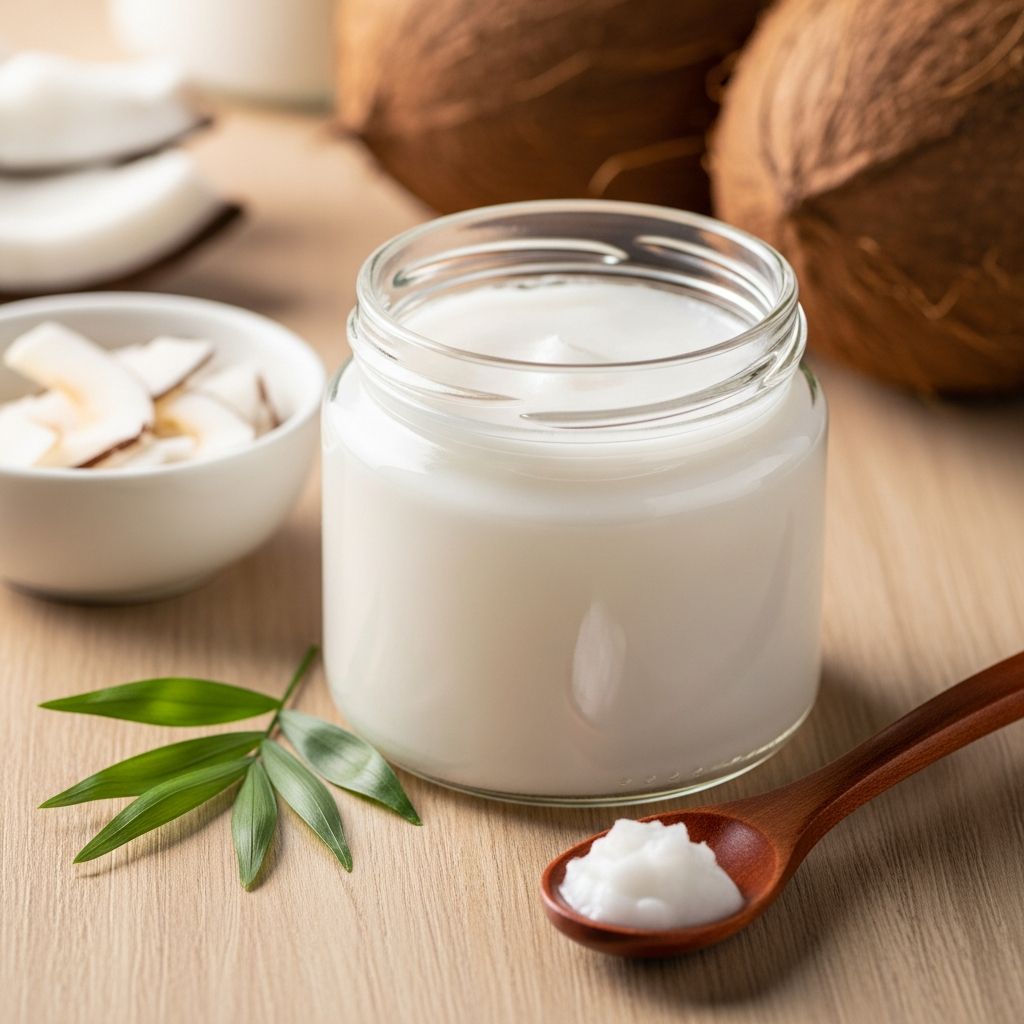
Coconut oil has surged in popularity as a natural skin care ingredient due to its moisturizing, antimicrobial, and anti-inflammatory properties. Composed primarily of medium-chain fatty acids like lauric acid, it penetrates the skin barrier to provide deep hydration and protection.
What Is Coconut Oil?
Coconut oil is extracted from the meat of mature coconuts and is rich in saturated fats, particularly medium-chain triglycerides (MCTs). These include lauric acid (about 49%), which exhibits strong antibacterial and antiviral effects, and linoleic acid, an omega-6 fatty acid that supports skin barrier function. Unlike many plant oils, coconut oil remains solid at room temperature, making it an ideal natural emollient.
Research highlights its potential in topical applications, with studies showing it strengthens the skin’s natural barrier, reduces transepidermal water loss (TEWL), and aids in conditions like eczema. However, its high comedogenic rating means it’s not suitable for all skin types.
Benefits of Coconut Oil for Skin
Coconut oil offers several evidence-based benefits for skin health, primarily through its fatty acid profile and antioxidants.
- Deep Moisturization: Coconut oil excels at locking in moisture, making it ideal for dry skin. It decreases TEWL, helping with conditions like eczema, dermatitis, and winter dryness.
- Anti-Inflammatory Effects: Polyphenols and fatty acids reduce inflammation from UVB exposure or chronic conditions.
- Antibacterial and Antiviral Properties: Lauric acid combats bacteria, fungi, and viruses, supporting acne treatment and minor wound healing.
- Wound Healing Promotion: It accelerates healing of scratches and burns by protecting the area and reducing infection risk.
- Skin Barrier Support: Especially beneficial for premature infants, strengthening fragile skin barriers.
A narrative review confirms its efficacy in preventing atopic dermatitis and protecting hair from UV damage, though more research is needed.
Types of Coconut Oil
Not all coconut oils are equal; processing affects nutrient content and suitability for skin.
| Type | Description | Best For Skin |
|---|---|---|
| Virgin Coconut Oil | Extracted from fresh coconuts without chemicals or high heat; retains polyphenols and antioxidants. | Optimal for skin due to higher nutrient levels. |
| Cold-Pressed Virgin | No heat used; preserves vitamins and MCTs. | Most healthful option for topical use. |
| Refined | Processed with heat, solvents, or bleaching; less nutritious. | Still usable but less beneficial. |
| Expeller-Pressed | Uses heat/steam; more processed than cold-pressed. | Good alternative if virgin unavailable. |
| Hydrogenated | Treated with hydrogen; contains trans fats. | Avoid for skin; not recommended. |
Opt for organic, unrefined virgin coconut oil for maximum skin benefits.
How to Use Coconut Oil on Your Skin
Incorporate coconut oil safely with these methods:
- Body Moisturizer: Apply post-shower to damp skin, focusing on elbows, knees, and feet. Massage until absorbed.
- Facial Use (with Caution): Use sparingly as a nighttime moisturizer if you have dry skin. Patch test first.
- Acne Spot Treatment: Dab on pimples for lauric acid’s antibacterial action, but avoid if oily.
- Wound Care: Apply thinly to minor cuts or burns after cleaning.
- Makeup Remover: Gently massage to dissolve makeup, then rinse.
- Hair Treatment: Apply to ends or scalp, leave for 30 minutes, shampoo out.
Related Stories



Always perform a patch test: Apply to inner arm for 24 hours to check for irritation.
Coconut Oil for Face: Pros and Cons
While hydrating, coconut oil scores 4/5 on the comedogenic scale, meaning it clogs pores easily.
Pros:
- Hydrates dry, mature skin.
- Reduces inflammation for rosacea or eczema.
Cons:
- May cause acne, blackheads, whiteheads, or milia, especially on oily/acne-prone skin.
- Not ideal for T-zone or thin skin areas like under eyes.
Dermatologists from Cleveland Clinic advise against facial use for acne-prone individuals; opt for non-comedogenic alternatives like jojoba oil.
Risks and Side Effects
Coconut oil is generally safe, but risks include:
- Pore Clogging: Leading to breakouts in 20-30% of users with oily skin.
- Allergic Reactions: Rare; symptoms include redness or itching. Discontinue if occurs.
- Over-Moisturization: Can lead to milia on delicate areas.
- Not for Open Wounds: Consult a doctor for serious injuries.
Pregnant individuals or those with nut allergies should consult professionals.
Coconut Oil vs. Other Oils
| Oil | Comedogenic Rating | Best For |
|---|---|---|
| Coconut | 4 | Dry body skin |
| Jojoba | 2 | All skin types, face |
| Argan | 0 | Acne-prone, anti-aging |
| Olive | 2 | Moisturizing, mature skin |
Coconut oil outperforms in moisturization but lags in facial suitability.
Expert Tips and Recipes
DIY Body Butter: Mix ½ cup coconut oil, ¼ cup shea butter, 10 drops lavender oil. Whip and store in jar. Apply daily.
Exfoliating Scrub: Combine ¼ cup coconut oil, ½ cup sugar, lemon zest. Use weekly.
Experts recommend extra virgin for polyphenols’ anti-inflammatory boost. Store in cool, dark place.
Frequently Asked Questions
Is coconut oil good for dry skin?
Yes, its fatty acids provide excellent hydration and barrier repair, ideal for eczema or xerosis.
Can I use coconut oil on my face every day?
Not if acne-prone; limit to dry skin types and monitor for breakouts.
Does coconut oil help with acne?
Lauric acid fights bacteria, but its comedogenicity may worsen it for some. Spot treat only.
Is virgin coconut oil better for skin?
Yes, it retains more antioxidants and nutrients than refined versions.
Can coconut oil remove makeup?
Effectively, as it dissolves oils without stripping skin.
What if I have sensitive skin?
Patch test first; it’s generally gentle but can irritate rarely.
Coconut oil remains a versatile, natural option for skin care when used mindfully, backed by emerging research on its therapeutic potential.
References
- Is coconut oil good for your skin? Benefits and uses — Medical News Today. 2023-10-12. https://www.medicalnewstoday.com/articles/coconut-oil-good-for-skin
- Is Coconut Oil Good For Your Skin? — Cleveland Clinic. 2024-02-15. https://health.clevelandclinic.org/coconut-oil-for-skin
- Health Effects of Coconut Oil-A Narrative Review of Current Evidence — PubMed. 2018-11-12. https://pubmed.ncbi.nlm.nih.gov/30395784/
- Is coconut oil all it’s cracked up to be? — HonorHealth. 2023-05-20. https://www.honorhealth.com/healthy-living/coconut-oil-all-its-cracked-be
Similar Articles








Read full bio of Sneha Tete