Coconut Oil in a Healthy Diet: Benefits and Concerns
Explore the nutritional debate around coconut oil and its place in a balanced, heart-healthy diet.
Is There a Place for Coconut Oil in a Healthy Diet?
Coconut oil has emerged as one of the most polarizing foods in modern nutrition discussions. While some enthusiasts praise it as a superfood with remarkable health benefits, medical organizations and nutrition experts urge caution. The disconnect between public perception and scientific evidence has created considerable confusion about whether coconut oil deserves a place in our kitchens and diets.
Recent surveys reveal this stark divide: approximately 72% of Americans consider coconut oil to be healthy, yet only 37% of nutrition experts share this view. This gap reflects a broader conversation about how dietary trends often outpace scientific scrutiny. Understanding the actual evidence about coconut oil requires examining its composition, how it affects our bodies, and what health organizations recommend.
Understanding Coconut Oil’s Composition
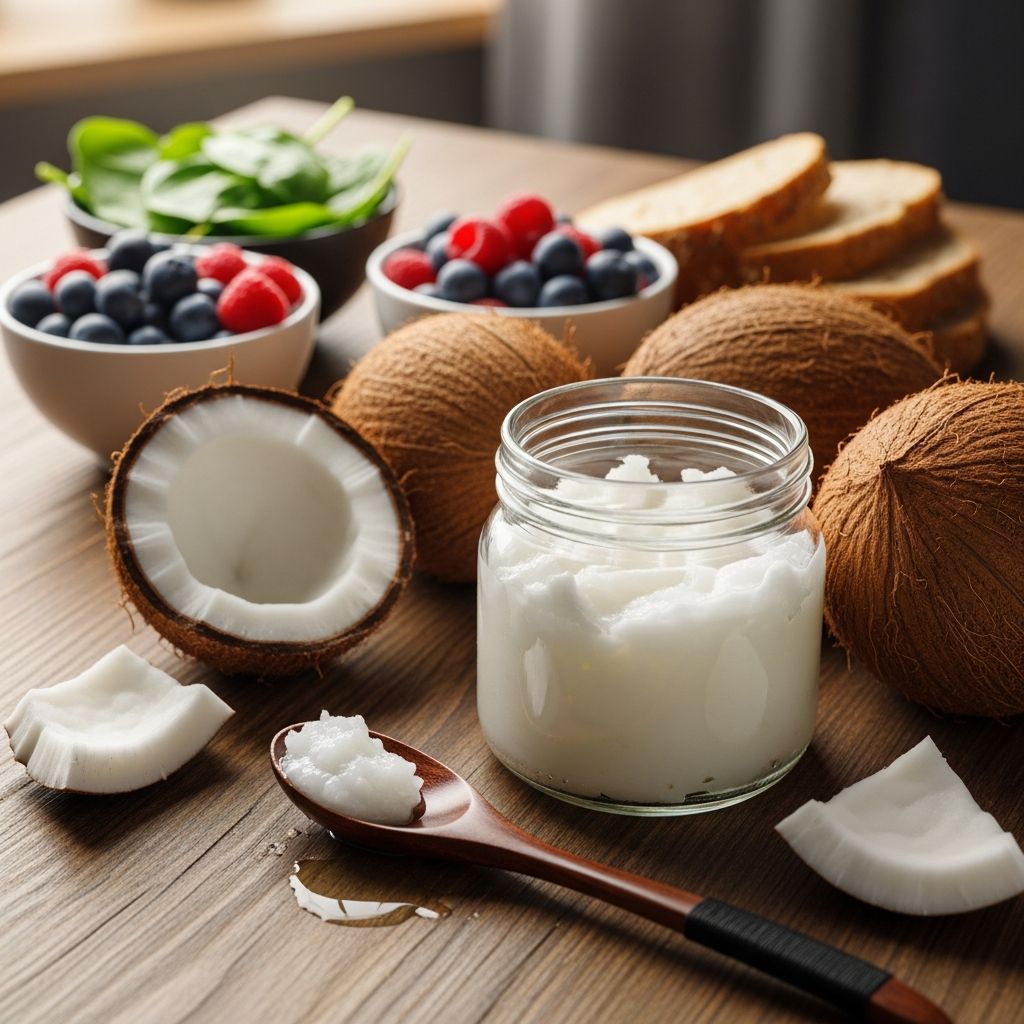
To evaluate coconut oil fairly, we must first understand what it is. Coconut oil is extracted from the meat of coconut fruit and is predominantly composed of saturated fat—more than 80% by weight. This high saturated fat content immediately raises concerns among health professionals, as saturated fats have long been associated with elevated cholesterol levels and increased cardiovascular disease risk.
What makes coconut oil somewhat unique among saturated fats is its composition of medium-chain triglycerides (MCTs). Unlike the longer-chain fatty acids found in other oils and animal products, MCTs are metabolized differently by the body. Approximately half of coconut oil’s saturated fat content consists of lauric acid, a specific type of medium-chain fatty acid that has attracted significant scientific interest.
Coconut oil contains approximately 120 calories and 14 grams of total fat per tablespoon, similar to other oil sources. One tablespoon provides about 12 grams of saturated fat, which approaches the daily saturated fat limit recommended by health organizations for people at risk of heart disease.
The Cholesterol Question: HDL Versus LDL
Perhaps the most debated aspect of coconut oil consumption concerns its effects on blood cholesterol. The picture is more nuanced than simple “good” versus “bad” designations. Research consistently demonstrates that coconut oil raises both LDL (low-density lipoprotein) and HDL (high-density lipoprotein) cholesterol levels.
A meta-analysis examining 16 clinical trials found that when compared with nontropical vegetable oils such as sunflower, canola, and olive oil, coconut oil increased total cholesterol by approximately 15 points, LDL cholesterol by about 10 points, and HDL cholesterol by roughly 4 points. While the HDL increase might seem beneficial, experts emphasize that the magnitude of LDL elevation is the greater concern.
The cholesterol-raising effect occurs because coconut oil’s saturated fat content stimulates the liver to produce more cholesterol. This differs markedly from unsaturated oils, which not only raise HDL but also lower LDL cholesterol—providing a more favorable overall cardiovascular profile.
When researchers compared coconut oil directly with unsaturated oils like olive and safflower oil, coconut oil raised LDL and total cholesterol more substantially. Interestingly, coconut oil performed similarly to butter in raising cholesterol levels, though some research suggests it may raise LDL less dramatically than other saturated fats like beef fat and palm oil.
What Major Health Organizations Say
The American Heart Association (AHA) took a definitive stance in 2017, issuing a scientific advisory recommending that people replace saturated fats—including coconut and other tropical oils—with unsaturated fats. This guidance was based on a comprehensive review of controlled trials demonstrating that coconut oil raises harmful LDL cholesterol.
Related Stories



The AHA recommends that saturated fat constitute no more than 5% to 6% of daily calories, translating to approximately 13 grams per day on a 2,000-calorie diet. Given that one tablespoon of coconut oil contains about 12 grams of saturated fat, consuming even a single tablespoon approaches or exceeds this daily limit.
For individuals at risk for heart disease or those with established cardiovascular conditions, health organizations advise no more than 6% of total calories from saturated fat. The AHA explicitly advocates replacing coconut oil with healthier fat sources, particularly polyunsaturated and monounsaturated fats found in canola oil, olive oil, avocados, and fatty fish.
Comparing Coconut Oil to Other Fat Sources
| Oil Type | Primary Fat Type | Effect on LDL | Effect on HDL | Health Rating |
|---|---|---|---|---|
| Olive Oil | Monounsaturated | Lowers | Raises | Excellent |
| Canola Oil | Monounsaturated | Lowers | Neutral/Raises | Excellent |
| Coconut Oil | Saturated (80%+) | Raises | Slightly Raises | Caution |
| Butter | Saturated | Raises | Raises | Caution |
| Soybean Oil | Polyunsaturated | Lowers | Raises | Good |
Nutrition researchers have characterized coconut oil as “probably not quite as bad as butter but not as good as extra virgin olive oil.” This assessment captures the consensus view: while coconut oil is not the worst dietary choice, far better alternatives exist for maintaining cardiovascular health.
The Role of Lauric Acid
One distinguishing feature of coconut oil is its high lauric acid content, which comprises approximately 50% of its saturated fat composition. Lauric acid appears to raise HDL cholesterol more than other saturated fats, which some proponents cite as evidence of cardiovascular benefit.
However, experts caution against overinterpreting this single benefit. While the HDL-raising effect of lauric acid is genuine, it does not fully offset the LDL-raising effects of coconut oil’s overall saturated fat content. The net cardiovascular impact remains less favorable than consuming unsaturated oils, which accomplish the dual goal of raising beneficial HDL while lowering harmful LDL.
Practical Considerations for Consumption
A significant practical concern with any oil, including coconut oil, involves its caloric density. Oils represent highly concentrated sources of calories, making overconsumption easy. Nutrition experts point out that while whole foods like almonds contain substantial fat, people tend to overconsume pure oil more readily than whole nuts, leading to excess calorie intake.
Additionally, coconut oil’s unique flavor profile and functional properties in cooking and baking have legitimate applications. These culinary benefits might justify occasional use as a periodic alternative to other oils in specific recipes.
For individuals following a typical Western diet pattern, experts recommend prioritizing vegetable oils such as olive, canola, and soybean oil as primary fat sources, supplemented with nuts and seeds. These choices provide better nutritional profiles while delivering comparable or superior cooking functionality.
The Bottom Line on Coconut Oil
In small amounts, coconut oil can have a limited place in a healthy diet, particularly for those without cardiovascular disease risk factors. However, it should not become a staple or primary cooking oil in daily meal preparation.
The evidence-based approach favors unsaturated fats, particularly those found in olive oil, fish, nuts, and seeds, as the foundation of a heart-healthy eating pattern. These foods consistently demonstrate cardiovascular benefits supported by long-term observational studies and clinical trials.
For day-to-day cooking and food preparation, replacing coconut oil with canola or olive oil represents a sensible dietary adjustment. These alternatives offer superior cholesterol profiles while still providing satisfactory cooking properties and culinary versatility.
Understanding the Research Context
Much research on coconut oil originates from observational studies examining traditional dietary patterns in coconut-consuming populations in Samoa, the Philippines, New Zealand, and Papua New Guinea. These populations typically consumed whole coconut flesh and milk within the context of diets rich in fresh fruits, vegetables, and fish—dietary patterns quite different from typical Western eating habits.
The findings from these populations cannot be directly applied to Western diets characterized by processed foods, higher overall fat consumption, and different lifestyle factors. This distinction is crucial when interpreting research and applying findings to contemporary nutrition recommendations.
Special Populations and Individual Considerations
Individuals with established heart disease, high cholesterol, hypertension, or diabetes should exercise particular caution with coconut oil consumption. For these populations, the potential LDL-cholesterol-raising effects pose genuine health risks that outweigh any modest HDL benefits.
Those without significant cardiovascular disease risk may have somewhat greater flexibility in incorporating small amounts of coconut oil into their diets, though nutrition experts still recommend prioritizing unsaturated fat sources for optimal health outcomes.
Frequently Asked Questions
Q: Is virgin coconut oil better than regular coconut oil?
A: Virgin coconut oil is minimally processed and may retain more polyphenols and antioxidants compared to refined coconut oil. However, both forms have similar saturated fat content and comparable effects on cholesterol levels, so the distinction is less important than choosing unsaturated oils when possible.
Q: Can coconut oil be part of a weight loss diet?
A: While some research suggests medium-chain triglycerides may have modest metabolic effects, coconut oil’s high caloric density (120 calories per tablespoon) makes it dense in energy. Whole foods like nuts and seeds provide better satiety and nutritional profiles for weight management.
Q: How much coconut oil is safe to consume?
A: The American Heart Association recommends limiting saturated fat to 5-6% of daily calories. For most people, this means occasional use of coconut oil rather than regular consumption, with preference given to unsaturated oil alternatives.
Q: Is coconut oil good for skin and hair?
A: The American Heart Association notes that coconut oil may have better applications for topical skin and hair care than for dietary consumption, suggesting its benefits in personal care products without endorsing its use as a cooking oil.
Q: Should I completely eliminate coconut oil from my diet?
A: Complete elimination is unnecessary. Small amounts used occasionally in specific recipes are unlikely to cause harm for most people. However, making it a primary cooking oil or daily staple is not aligned with current nutritional science.
References
- Coconut Oil — Harvard T.H. Chan School of Public Health, The Nutrition Source. 2024. https://nutritionsource.hsph.harvard.edu/food-features/coconut-oil/
- The Effect of Coconut Oil Consumption on Cardiovascular Risk Factors — National Center for Biotechnology Information, PubMed. 2020. https://pubmed.ncbi.nlm.nih.gov/31928080/
- Dietary Fats and Cardiovascular Disease: A Presidential Advisory from the American Heart Association — American Heart Association. 2017. https://www.heart.org/
- Pure Poison: Harvard Professor Issues Warning About Coconut Oil — ABC7 Chicago. 2019. https://abc7chicago.com/post/pure-poison-harvard-professor-issues-warning-about-coconut-oil/4029913/
- Coconut Oil is Pure Poison, Harvard Professor Claims — The Independent. 2022. https://www.the-independent.com/life-style/food-and-drink/coconut-oil-video-benefits-b1776110.html
Similar Articles








Read full bio of Sneha Tete