Coconut Water Benefits: Health Uses & Nutritional Value
Discover the science-backed health benefits of coconut water and why it's nature's perfect hydration drink.
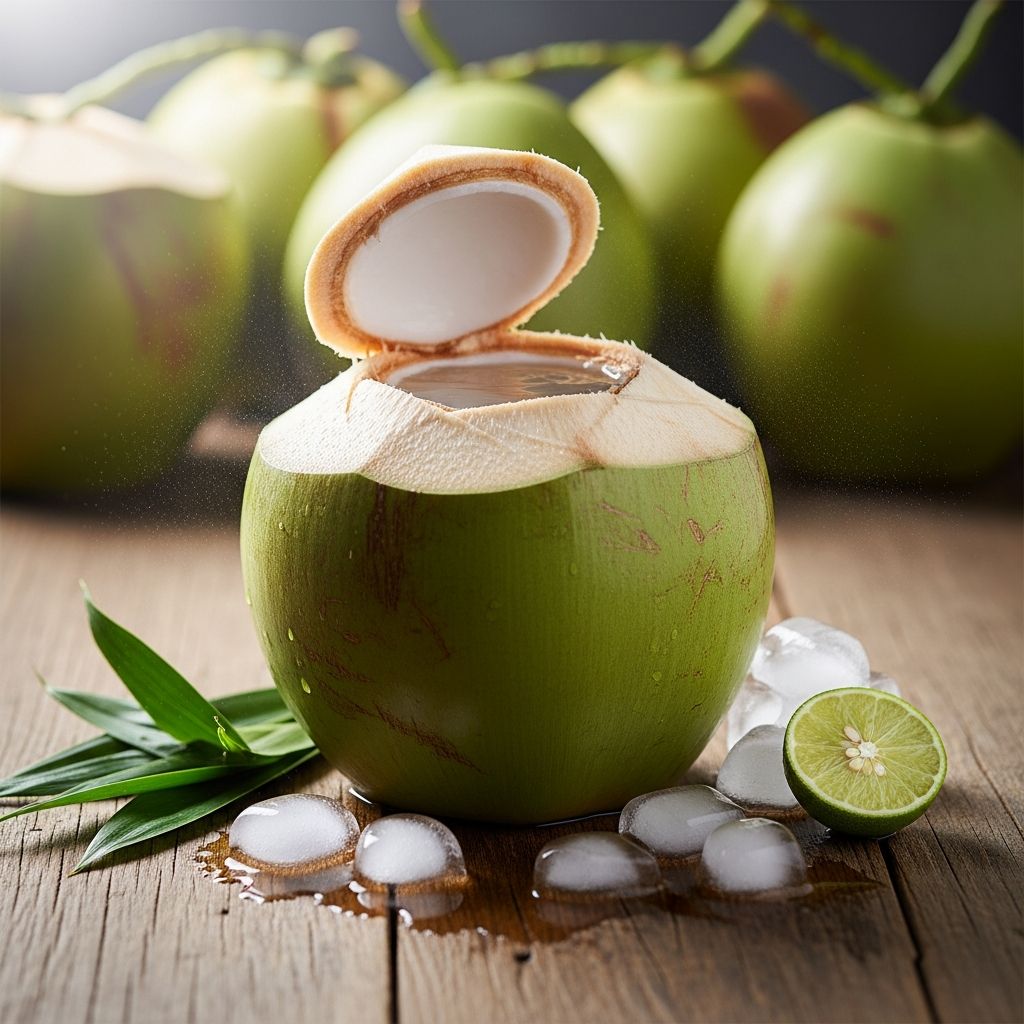
Coconut Water Benefits: A Complete Guide to Nature’s Nutritional Powerhouse
Coconut water has earned its nickname as “Mother Nature’s sports drink” for good reason. This clear liquid found inside young coconuts is rich in essential nutrients, electrolytes, and antioxidants that offer a range of health benefits. Unlike many commercial sports drinks laden with added sugars and artificial ingredients, coconut water provides natural hydration with less sugar content while delivering impressive nutritional value. Whether you’re an athlete seeking post-workout recovery or someone looking to support overall wellness, coconut water presents a delicious and natural beverage option worth considering.
Nutritional Profile: What Makes Coconut Water Special
Coconut water is a nutrient-dense beverage containing easily digestible carbohydrates and multiple essential minerals. A single cup of coconut water contains approximately 45-60 calories with 11-12 grams of naturally occurring sugar, making it a relatively low-calorie option suitable for various dietary goals. More importantly, coconut water delivers key electrolytes including potassium, magnesium, sodium, and calcium—minerals that play critical roles in maintaining proper bodily function. One 8-ounce serving provides approximately 500 mg of potassium, a substantial amount of this vital electrolyte.
Beyond electrolytes, coconut water contains vitamin C and various antioxidant compounds that contribute to its health-promoting properties. The fresher the coconut water, the higher its antioxidant levels, making freshly opened coconuts or minimally processed versions preferable to highly pasteurized commercial products.
Powerful Antioxidant Properties
Coconut water serves as a source of antioxidants that help combat oxidative stress in the body. Free radicals are unstable molecules produced during normal metabolism, and their production increases in response to stress or injury. When free radicals accumulate excessively, your body enters a state of oxidative stress, which can damage cells and increase the risk of various diseases. Antioxidants work by donating electrons from their outer shell to stabilize free radicals, preventing them from causing cellular damage.
Animal studies have demonstrated coconut water’s effectiveness in modifying free radicals and reducing oxidative damage. In a 2012 study, insulin-resistant rats on a high-fructose diet treated with coconut water showed decreased free radical activity, along with reductions in blood pressure, triglycerides, and insulin levels. A 2014 study found that damaged rat livers showed significant improvement in oxidative stress markers when treated with coconut water compared to untreated controls. Another 2021 study involving rats with diabetes confirmed that coconut water reduced blood glucose levels.
Blood Sugar Management and Diabetes Support
Research suggests that coconut water may help regulate blood sugar levels, a benefit particularly relevant for individuals with diabetes or prediabetes. A 2015 study found that rats with diabetes treated with coconut water maintained better blood sugar levels than the control group, with lower hemoglobin A1c levels indicating improved long-term blood sugar control.
One mechanism behind this benefit is coconut water’s magnesium content. Magnesium has been shown to increase insulin sensitivity and decrease blood sugar levels in people with type 2 diabetes and prediabetes. While more human studies are needed to confirm these effects conclusively, the current evidence is encouraging for those seeking natural ways to support blood sugar management.
Heart Health and Cholesterol Support
Coconut water may contribute to cardiovascular health through multiple mechanisms. Research indicates that coconut water could help decrease cholesterol levels, with effects similar to those of lovastatin, a medication used to reduce arterial buildup. In a 2008 animal study, rats fed a diet rich in fats and cholesterol showed significant reductions in cholesterol and triglyceride levels after receiving high doses of coconut water—effects comparable to statin medications.
Related Stories



The potassium content in coconut water plays a crucial role in heart health support. Potassium has been extensively studied for its ability to lower blood pressure in individuals with both high and normal blood pressure. With 500 mg of potassium per 8-ounce serving, coconut water provides a meaningful contribution to daily potassium intake. While more research focusing on human subjects is needed to fully establish coconut water’s cardiovascular benefits, the existing evidence is promising.
Kidney Stone Prevention
Adequate fluid intake is essential for preventing kidney stones, which affect approximately 12% of the world’s population. Kidney stones form when calcium, oxalate, and other compounds combine to create crystals in the urine that eventually develop into stones. Two small studies suggest that coconut water might offer advantages over plain water for kidney stone prevention.
In a 2013 animal study, coconut water prevented crystals from adhering to the kidneys and other parts of the urinary tract while reducing the total number of crystals formed in urine. A 2018 study involving eight people found that coconut water increased urination of potassium, chloride, and citrate—compounds that help flush the urinary system and reduce stone formation likelihood. This mechanism suggests that coconut water might help maintain kidney health by promoting mineral excretion and preventing crystal accumulation.
Post-Workout Hydration and Exercise Recovery
Coconut water has gained popularity as a post-workout beverage due to its electrolyte content and hydrating properties. During exercise, the body loses fluids and electrolytes through sweat, necessitating proper replenishment for optimal recovery. Electrolytes—including potassium, magnesium, sodium, and calcium—maintain normal blood volume and prevent dehydration while reducing fatigue, stress, muscle tension, and sluggish recovery.
Several studies suggest that coconut water may be more beneficial than plain water for rehydration after exercise. A 2014 Brazilian study found that coconut water improved exercise capacity better than water or commercial sports drinks during conditions of extreme heat. However, some analysis indicates that the electrolyte content in coconut water alone may not be entirely adequate for optimal rehydration in all scenarios. Nevertheless, coconut water remains an excellent natural alternative to conventional sports drinks, offering comparable benefits with less added sugar.
Additional Health Benefits
Skin Health and Acne Prevention
Coconut water demonstrates potential benefits for skin health due to its anti-inflammatory and anti-microbial properties. The beverage can decrease excess skin oils that contribute to breakouts while acting as a detoxifier and antimicrobial agent—all factors that reduce acne incidence. Additionally, the vitamins present in coconut water have been shown to decrease the rate of skin aging, allowing skin to repair and restore itself more effectively. The proteins in coconut water encourage cell growth and activation, contributing to a more youthful complexion.
Bone and Teeth Support
A 240-gram (approximately 8-ounce) serving of coconut water contains 57.6 mg of calcium, a mineral essential for bone and teeth health. While coconut water contributes to calcium intake, it’s important to recognize that it’s not as calcium-rich as dairy products, nuts, soy, or fortified products. Therefore, coconut water should complement rather than replace other calcium sources in a balanced diet.
Hangover Relief
The high potassium content in coconut water makes it effective for hangover recovery. Excessive alcohol consumption leads to dehydration and electrolyte loss. Coconut water’s potassium helps restore hydration, while its non-acidic nature prevents further stomach upset after alcohol consumption, making it an ideal post-celebration beverage.
Acid Reflux and Heartburn Management
Coconut water may ease heartburn and acid reflux symptoms by promoting pH balance in the body. Consuming a glass of coconut water approximately 30 minutes after a meal can provide relief from acidity without the irritation caused by acidic beverages.
Choosing and Using Coconut Water Wisely
Coconut water’s widespread availability makes it convenient to incorporate into your diet. Most major supermarkets, petrol stations, and online grocery delivery services now stock multiple brands. However, product selection matters significantly. To maximize health benefits, avoid coconut water products with added sugars, artificial sweeteners, or excessive processing. Look for products labeled as “pure” or “natural” with minimal ingredients listed.
Fresh coconut water, obtained by opening a young coconut yourself, provides the highest antioxidant content. However, shelf-stable versions offer convenience while still retaining beneficial nutrients. Reading labels carefully ensures you’re purchasing a product aligned with your health goals.
Important Considerations
While coconut water offers numerous benefits, certain populations should exercise caution. Individuals with chronic kidney disease should avoid consuming large amounts of coconut water due to its high potassium content, which can be problematic for those with impaired kidney function. As with any dietary change, consulting with a healthcare provider is advisable, particularly if you have existing health conditions or take medications.
It’s also important to note that while animal studies have demonstrated promising results, more controlled human studies are needed to confirm many of coconut water’s health benefits conclusively. The research to date is encouraging, but rigorous clinical trials would provide stronger evidence for specific health claims.
Frequently Asked Questions About Coconut Water
Q: Is coconut water better than plain water for hydration?
A: Coconut water and plain water both hydrate effectively. Coconut water offers the advantage of electrolyte content and is comparable to sports drinks for post-exercise rehydration, but there’s no definitive evidence it’s superior to water for everyday hydration. Plain water remains the most cost-effective hydration choice for most people.
Q: How much coconut water should I drink daily?
A: There’s no established daily limit, but moderation is key. One to two cups daily can provide electrolyte benefits without excess sugar intake. Those with kidney disease should consult healthcare providers about appropriate amounts.
Q: Is coconut water safe for people with diabetes?
A: Coconut water contains 11-12 grams of naturally occurring sugar per cup, which is relatively low compared to other beverages. However, individuals with diabetes should monitor their intake and consult healthcare providers about whether coconut water fits their dietary plan.
Q: What’s the best time to drink coconut water?
A: Coconut water is particularly beneficial post-workout for electrolyte and fluid replenishment. It can also be consumed any time for hydration or as a natural sports drink alternative during physical activity.
Q: Are there any side effects from drinking coconut water?
A: Coconut water is generally safe for most people. However, those with kidney disease, electrolyte imbalances, or those taking certain medications should consult healthcare providers before significantly increasing consumption.
Q: How does fresh coconut water compare to packaged versions?
A: Fresh coconut water contains higher antioxidant levels than processed versions. However, packaged coconut water still retains beneficial nutrients and offers convenience. Choose products without added sugars or artificial ingredients.
The Bottom Line
Coconut water represents a delicious, naturally hydrating beverage with impressive nutritional credentials. Rich in electrolytes, antioxidants, vitamins, and minerals, it offers benefits ranging from post-workout recovery and heart health support to blood sugar management and kidney stone prevention. While more human-centered research is needed to confirm some traditionally attributed benefits, existing evidence is encouraging and supports coconut water’s place in a balanced diet.
Whether you’re seeking a natural alternative to commercial sports drinks, looking to support cardiovascular health, or simply wanting a refreshing beverage with nutritional value, coconut water merits consideration. Just ensure you select products without added sugars and consume them as part of a varied, balanced diet. As with any significant dietary addition, consulting with healthcare providers is advisable, particularly if you have existing health conditions or take medications that could interact with high potassium intake.
References
- The Health Benefits of Coconut Water — Healthline. 2024. https://www.healthline.com/nutrition/coconut-water-benefits
- Coconut Water Benefits: 11 You’re Probably Not Aware Of — Women’s Health Magazine UK. 2024. https://www.womenshealthmag.com/uk/food/healthy-eating/g28322718/benefits-of-coconut-water/
- Is Coconut Water Healthy? — Ohio State Health & Discovery. 2024. https://health.osu.edu/wellness/exercise-and-nutrition/is-coconut-water-healthy
- Coconut Water: Is It Super Hydrating? — Mayo Clinic. 2024. https://www.mayoclinic.org/healthy-lifestyle/nutrition-and-healthy-eating/expert-answers/coconut-water/faq-20207812
- Research Progress in Coconut Water: A Review of Nutritional Composition and Biological Activities — National Institutes of Health. 2024. https://pmc.ncbi.nlm.nih.gov/articles/PMC12072132/
Similar Articles








Read full bio of Sneha Tete