Coenzyme Q10 Capsules and Tablets: Uses, Benefits & Side Effects
Complete guide to CoQ10 supplements: benefits, dosage, side effects, and effectiveness.
What is Coenzyme Q10?
Coenzyme Q10, commonly known as CoQ10, is a naturally occurring compound found throughout the body that plays a crucial role in cellular energy production and protection. It functions as a powerful antioxidant, helping to protect your cells from damage caused by free radicals and oxidative stress. CoQ10 is particularly concentrated in organs with high energy demands, such as the heart, brain, and muscles. The body produces CoQ10 naturally, but production can decline with age, certain medications, and specific health conditions. This is why many people turn to CoQ10 supplements to maintain adequate levels and support their overall health.
Understanding CoQ10’s Role in Your Body
CoQ10 serves multiple functions within the body. Primarily, it participates in the electron transport chain within mitochondria, the powerhouses of your cells, facilitating the production of adenosine triphosphate (ATP)—the energy currency of cells. Beyond energy production, CoQ10 demonstrates potent antioxidant properties that help neutralize harmful free radicals and reduce oxidative stress. This dual functionality makes CoQ10 essential for maintaining optimal cellular function, particularly in tissues with high metabolic demands. Additionally, CoQ10 has anti-inflammatory properties and plays a role in stabilizing calcium-dependent ion channels in heart muscle, contributing to cardiovascular health.
Primary Uses of CoQ10 Supplements
Heart Health and Cardiovascular Support
One of the most well-researched applications of CoQ10 is its potential to support heart health. CoQ10 levels are significantly depleted in patients with heart failure, and emerging evidence suggests that supplementation may help. The severity of heart failure has been shown to correlate with the degree of CoQ10 deficiency in the body. By supplementing with CoQ10, patients may experience improved cardiac function, as the compound helps generate the energy necessary for efficient heart muscle contraction. Research indicates that CoQ10 probably reduces the risk of all-cause mortality more than control in heart failure patients, with studies showing a moderate level of evidence for this benefit. The supplement may also help reduce hospitalization rates due to heart failure.
Blood Pressure Management
Multiple clinical trials have demonstrated that CoQ10 supplementation can help lower blood pressure in patients with hypertension. Some studies found that CoQ10 significantly reduced both systolic and diastolic blood pressure, particularly in patients with low baseline CoQ10 serum levels. In one clinical trial, approximately 55% of patients taking CoQ10 experienced a reduction in systolic pressure of 4 mm Hg or greater compared to baseline and placebo groups. After eight weeks of therapy, the CoQ10 group demonstrated significantly lower systolic and diastolic blood pressure than the placebo group. The antihypertensive effects of CoQ10 make it a promising adjunctive therapy for managing high blood pressure, though larger trials are needed to fully establish its efficacy.
Statin-Related Muscle Pain
Statin medications, widely prescribed for cholesterol management, can cause a side effect known as statin-induced myalgia or muscle pain. Some small clinical trials suggest that CoQ10 supplementation may help treat or prevent this uncomfortable condition. The mechanism behind this benefit is thought to be related to CoQ10’s role in energy production and its antioxidant properties, which may reduce the muscle damage and inflammation associated with statin use. For patients experiencing muscle pain while on statins, CoQ10 supplementation may offer relief, though discussion with a healthcare provider is essential before starting any new supplement.
Migraine Prevention
Emerging evidence suggests that CoQ10 may help reduce the frequency and severity of migraines. The compound’s ability to support mitochondrial function and reduce oxidative stress in the brain may contribute to its preventive effects. Patients seeking natural approaches to migraine management may find CoQ10 supplementation beneficial, particularly when combined with other prevention strategies.
Related Stories



Available Forms of CoQ10
Capsules and Tablets
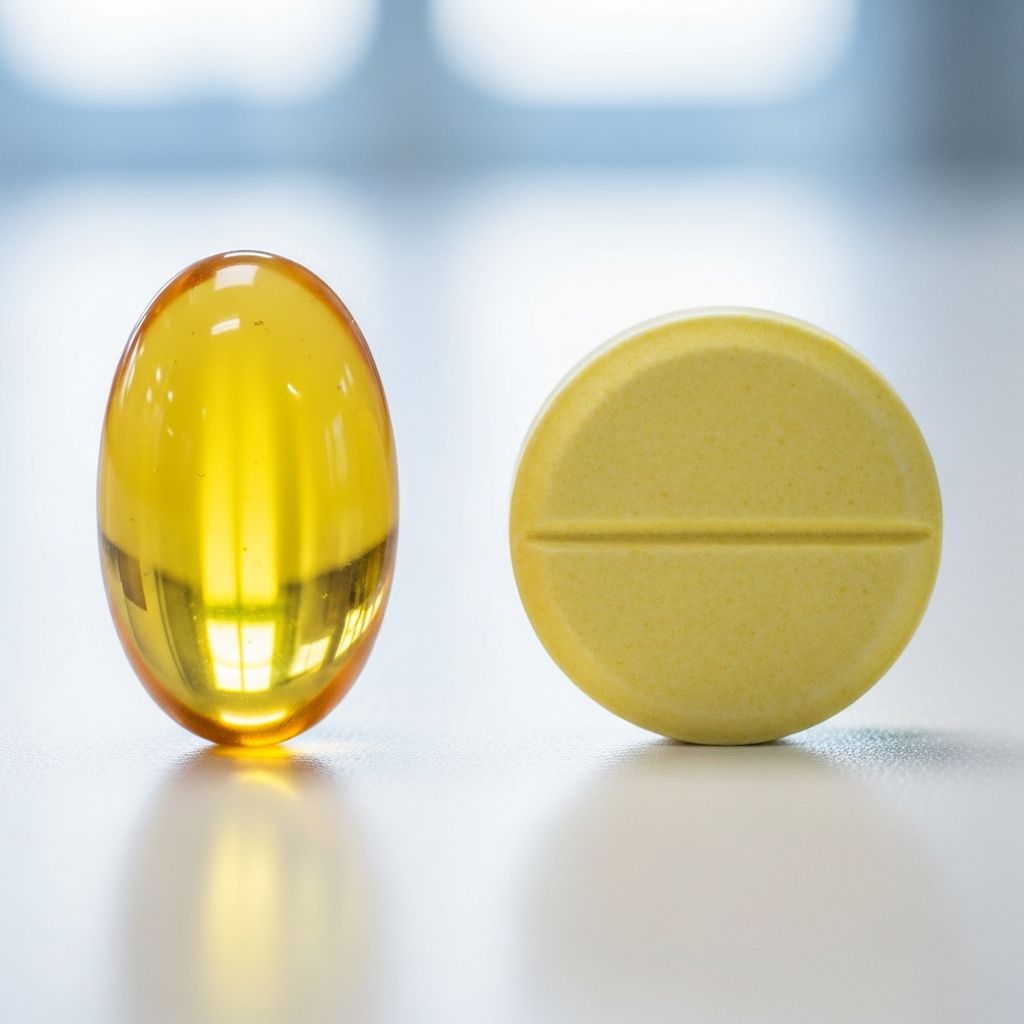
CoQ10 is available in two primary formulations: capsules and tablets. Both forms deliver the active ingredient effectively, with the choice depending on personal preference and specific health needs. Standard CoQ10 capsules and tablets typically contain ubiquinone, the oxidized form of CoQ10, which the body converts to ubiquinol as needed.
Soft Chews and Alternative Forms
Beyond traditional capsules and tablets, CoQ10 is now available in soft chews and other convenient formulations. These alternative delivery methods may enhance compliance, particularly for individuals who have difficulty swallowing pills or prefer more palatable supplement options.
Dosage Recommendations
CoQ10 dosing varies depending on the intended use and individual health status. Clinical trials have employed dosages ranging from 100 mg to 2400 mg per day. For general cardiovascular support and antioxidant protection, typical dosages range from 100 to 300 mg daily. Higher dosages, such as 1200 to 2400 mg per day, have been used in research settings investigating effects on Parkinson’s disease and other serious conditions. The optimal dosage for any individual should be determined in consultation with a healthcare provider, as factors such as age, weight, current medications, and specific health conditions influence appropriate dosing.
Bioavailability and Absorption
CoQ10 bioavailability—the amount of the supplement that is actually absorbed and utilized by the body—is an important consideration when selecting a product. The absorption of dietary CoQ10 is slow and limited due to its hydrophobic nature and large molecular weight. However, solubilized CoQ10 formulations demonstrate significantly enhanced bioavailability compared to standard formulations. These advanced formulations achieve maximum plasma concentrations approximately six hours after ingestion and have an elimination half-life of approximately 33 hours. Taking CoQ10 with dietary fat enhances absorption, making it advisable to consume supplements with meals containing healthy fats.
Potential Side Effects and Safety Considerations
Common Side Effects
CoQ10 is generally well-tolerated, with a favorable safety profile in most users. However, some individuals may experience mild side effects, including gastrointestinal upset, nausea, diarrhea, or loss of appetite. These effects are typically mild and often resolve as the body adjusts to supplementation. Headaches and dizziness have been reported in some cases, though these are relatively uncommon.
Serious Adverse Effects
Serious adverse events associated with CoQ10 supplementation are rare. The compound does not typically cause significant side effects even at high doses used in clinical research settings. Most studies examining CoQ10 supplementation report it to be safe and well tolerated across diverse populations.
Drug Interactions and Contraindications
CoQ10 may interact with certain medications, particularly anticoagulants and antidiabetic drugs. The supplement can potentially enhance the effects of blood thinners like warfarin, requiring dose adjustments and closer monitoring. Individuals taking medication to control blood sugar should inform their healthcare provider before starting CoQ10, as the supplement may affect blood glucose levels. Additionally, CoQ10 may reduce the effectiveness of certain chemotherapy agents, making it important for cancer patients to discuss supplementation with their oncology team.
Comparison of CoQ10 Types
| CoQ10 Type | Form | Bioavailability | Best For |
|---|---|---|---|
| Ubiquinone | Capsules, Tablets | Standard | General supplementation |
| Ubiquinol | Capsules, Soft Gels | Enhanced | Seniors, enhanced absorption |
| Solubilized | Capsules, Tablets | Superior | Maximum absorption |
| Soft Chews | Chewable tablets | Good | Those who prefer chewables |
Who Should Consider CoQ10 Supplementation?
Ideal Candidates
Several groups of individuals may particularly benefit from CoQ10 supplementation. Patients with heart failure or cardiomyopathy represent a primary group, given the substantial evidence for CoQ10’s cardiovascular benefits. Individuals taking statin medications who experience muscle pain or weakness may find relief through supplementation. People with hypertension seeking natural adjunctive therapies and those with a family history of heart disease may also benefit. Additionally, aging adults experiencing decreased cellular energy and oxidative stress-related conditions, as well as individuals with migraine disorders seeking preventive measures, are candidates for consideration.
When to Avoid CoQ10
Certain populations should avoid CoQ10 or use it only under medical supervision. Patients taking anticoagulant medications should not supplement without physician approval. Pregnant and nursing women should consult healthcare providers before use. Individuals with known hypersensitivity to CoQ10 should avoid supplementation entirely.
How to Choose a Quality CoQ10 Supplement
Selecting a high-quality CoQ10 supplement requires attention to several factors. First, verify that the product has been third-party tested by reputable organizations to confirm potency and purity. Check the label for the type of CoQ10 used—ubiquinol generally offers superior bioavailability compared to ubiquinone. Look for products that include absorption-enhancing compounds or are specifically formulated for enhanced bioavailability. Examine the dosage to ensure it aligns with clinical evidence and your specific health needs. Verify the manufacturing date to ensure freshness, as CoQ10 can degrade over time. Finally, choose products from reputable manufacturers with established quality control standards.
Frequently Asked Questions
Q: How long does it take for CoQ10 to work?
A: The timeline for CoQ10 effectiveness varies depending on the condition being treated. For blood pressure management, some studies observed significant reductions within 8 weeks. For cardiovascular conditions, improvement may require several weeks to months of consistent supplementation as CoQ10 accumulates in tissues. General antioxidant benefits may develop gradually over time.
Q: Can I take CoQ10 with my other medications?
A: CoQ10 can interact with certain medications, particularly anticoagulants and diabetes medications. Always inform your healthcare provider about any supplements you’re considering, and discuss potential interactions before starting supplementation.
Q: Is it better to take CoQ10 in the morning or evening?
A: CoQ10 can be taken at any time of day, preferably with a meal containing dietary fat to enhance absorption. Some people prefer taking it with breakfast, while others choose lunch or dinner based on personal convenience.
Q: What’s the difference between ubiquinone and ubiquinol?
A: Ubiquinone is the oxidized form of CoQ10, while ubiquinol is the reduced form. The body converts ubiquinone to ubiquinol as needed. Ubiquinol supplements may offer superior bioavailability, particularly for older adults and those with absorption issues.
Q: Can I get enough CoQ10 from food alone?
A: CoQ10 is present in foods such as fatty fish, organ meats, and whole grains, but dietary amounts are typically modest. For therapeutic purposes or to address deficiency, supplementation is usually necessary.
Q: Are there any age restrictions for CoQ10 supplementation?
A: CoQ10 is generally considered safe for adults of all ages. However, pregnant and nursing women should consult their healthcare provider before use. For children, medical guidance is recommended.
Key Takeaways
Coenzyme Q10 represents a promising supplement with substantial research supporting its use for cardiovascular health, blood pressure management, and migraine prevention. Its potent antioxidant and anti-inflammatory properties make it valuable for protecting cells from oxidative damage and supporting energy production in high-demand tissues. While generally well-tolerated with minimal side effects, CoQ10 supplementation requires careful consideration of individual health status, current medications, and specific health goals. Choosing a high-quality product with enhanced bioavailability and consulting with a healthcare provider to determine appropriate dosing ensures optimal results. As research continues to expand our understanding of CoQ10’s therapeutic potential, this supplement remains an important option for individuals seeking natural approaches to supporting their cardiovascular and overall health.
References
- Coenzyme Q10: A Therapy for Hypertension and Statin-Induced Myalgia — Cleveland Clinic Journal of Medicine. July 2010. https://www.ccjm.org/content/77/7/435
- A Randomized Clinical Trial of High-Dosage Coenzyme Q10 in Early Parkinson Disease: Taking the Next Step — JAMA Neurology. 2014. https://jamanetwork.com/journals/jamaneurology/fullarticle/1851409
- Coenzyme Q10 for Heart Failure — Cochrane Database of Systematic Reviews. PubMed Central. https://pmc.ncbi.nlm.nih.gov/articles/PMC8092430/
- Coenzyme Q10 Supplement: Uses & Side Effects — Cleveland Clinic. https://my.clevelandclinic.org/health/drugs/20097-coenzyme-q10-capsules-and-tablets
- Do You Need CoQ10 Supplements? — Cleveland Clinic Health. https://health.clevelandclinic.org/what-is-coq10
- Coenzyme Q10 — Mayo Clinic. https://www.mayoclinic.org/drugs-supplements-coenzyme-q10/art-20362602
Similar Articles








Read full bio of Sneha Tete