Coffee and Your Blood Pressure: Health Effects Explained
Discover how coffee affects blood pressure and cardiovascular health with expert insights.
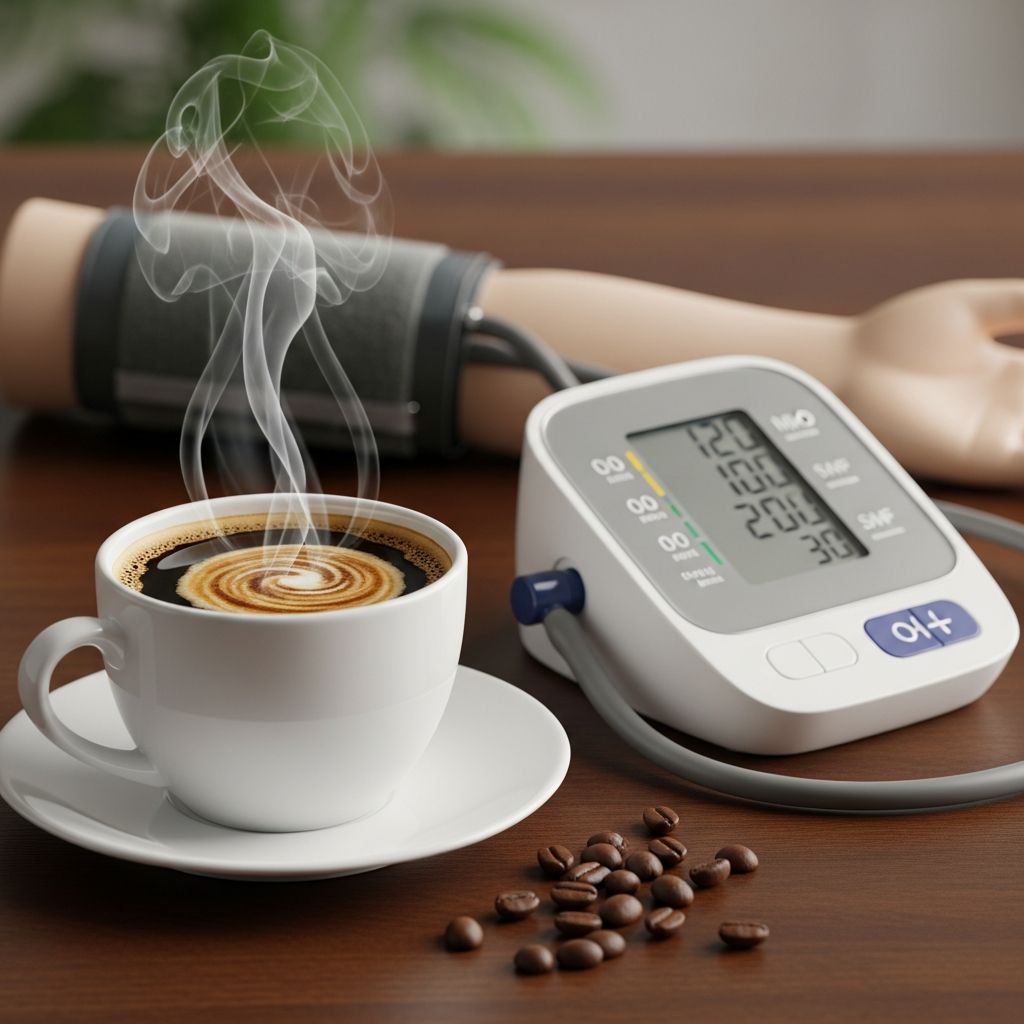
Coffee and Your Blood Pressure: Understanding the Connection
Coffee is one of the most consumed beverages worldwide, with millions of people starting their day with a cup of this aromatic drink. However, the relationship between coffee consumption and blood pressure has long been a subject of scientific inquiry and concern. Many people wonder whether their daily coffee habit could be contributing to elevated blood pressure or potentially harming their cardiovascular health. Understanding this connection requires examining both the temporary effects of caffeine and the long-term health outcomes associated with moderate coffee consumption.
The key to this understanding lies in recognizing that caffeine, the primary active ingredient in coffee, has measurable physiological effects on the human body. When you consume a cup of coffee, the caffeine enters your bloodstream and affects various systems, including your cardiovascular system. However, the relationship between coffee and blood pressure is more nuanced than simply causing elevated readings, and recent research from Harvard and other institutions has provided valuable insights into how coffee affects overall heart health.
The Immediate Effects of Caffeine on Blood Pressure
Caffeine is a stimulant that affects your central nervous system and cardiovascular system almost immediately after consumption. When you drink coffee, the caffeine is absorbed through your digestive system and begins to exert its effects within minutes. One of the most notable short-term effects is a temporary increase in blood pressure. This elevation occurs because caffeine stimulates the release of adrenaline and can cause blood vessels to constrict, both of which contribute to higher blood pressure readings.
The magnitude of this blood pressure increase varies from person to person, depending on factors such as individual sensitivity to caffeine, habitual consumption levels, and overall health status. Research has shown that the blood pressure elevation caused by caffeine is typically modest and temporary, lasting only a few hours after consumption. For most people without existing heart conditions or hypertension, this temporary spike poses no significant health concern. However, for individuals with uncontrolled high blood pressure or certain cardiovascular conditions, this temporary elevation could be more problematic.
It is important to understand that the caffeine in coffee reaches peak levels in your bloodstream approximately 30 to 60 minutes after consumption. The effects of caffeine can persist for several hours, with studies suggesting that caffeine can remain active in your system for up to five or six hours after you consume it. This prolonged duration explains why drinking coffee late in the afternoon or evening can interfere with sleep quality, which itself can have negative effects on blood pressure regulation.
Long-Term Cardiovascular Benefits of Moderate Coffee Consumption
Despite the temporary increase in blood pressure caused by caffeine, numerous large-scale studies have found that moderate coffee consumption is associated with significant cardiovascular benefits. This apparent paradox—that something temporarily raising blood pressure can be beneficial for heart health—has intrigued researchers for decades and led to extensive investigation into coffee’s complex effects on the body.
Research indicates that moderate coffee consumption of three to five cups per day is associated with approximately a 15% lower risk of cardiovascular disease. Additionally, studies have shown that consuming two to three cups of coffee daily was associated with a 21% reduction in the risk of heart disease. These protective effects likely result from the numerous bioactive compounds found in coffee beyond just caffeine, including polyphenols and chlorogenic acid, which have antioxidant and anti-inflammatory properties.
Related Stories



The cardiovascular benefits of coffee extend beyond just heart disease prevention. Regular, moderate coffee consumption has been linked to improved endothelial function, reduced inflammation, and improved lipid profiles. The antioxidants in coffee help combat oxidative stress and inflammation, both of which are underlying factors in the development of cardiovascular disease. Furthermore, coffee consumption has been associated with reduced risk of stroke and improved overall survival rates in various population studies.
Who Should Monitor or Limit Their Coffee Consumption
While moderate coffee consumption offers cardiovascular benefits for most people, certain populations should be more cautious about their caffeine intake. Understanding which individuals should limit or monitor their coffee consumption is essential for optimizing health outcomes and preventing potential complications.
People with Uncontrolled High Blood Pressure
Individuals who have difficulty controlling their blood pressure should be particularly mindful of their coffee consumption. For people with well-controlled hypertension who take blood pressure medications, moderate coffee consumption is generally acceptable. However, those whose blood pressure remains elevated despite medical management should consider reducing their caffeine intake. Caffeine can cause a small but noticeable temporary increase in both heart rate and blood pressure, which could be problematic for those with existing blood pressure concerns.
People with Anxiety and Stress Disorders
For individuals who experience anxiety, stress, or panic disorders, excessive coffee consumption can exacerbate symptoms. Caffeine is a stimulant that increases nervous system activity, which can intensify feelings of anxiety and nervousness. People with these conditions may experience increased heart palpitations, trembling, and heightened anxiety when consuming too much coffee. For these individuals, limiting coffee intake or switching to decaffeinated alternatives may be beneficial for mental health and overall well-being.
Pregnant Women
Pregnancy represents a special consideration for coffee consumption. Harvard experts recommend that pregnant women consume less than 200 mg of caffeine per day, which is equivalent to approximately two cups of coffee. This recommendation exists because caffeine crosses the placental barrier and can affect the developing fetus. Excessive caffeine consumption during pregnancy has been associated with increased risks of pregnancy loss and low birth weight. Pregnant women should consult with their healthcare providers about appropriate caffeine consumption levels during pregnancy.
People with Gastrointestinal Issues
Coffee’s powerful laxative effect and acidic nature can aggravate certain gastrointestinal conditions. People with stomach problems, gastritis, or peptic ulcers may experience heartburn, vomiting, diarrhea, and nausea from excessive coffee consumption. The stomach acid in coffee can increase gastric acid production, leading to inflammation of the stomach lining. For these individuals, reducing coffee intake or consuming it with food and milk can help minimize gastrointestinal distress.
Sleep and Timing Considerations
The timing of coffee consumption plays an important role in managing its effects on your health. Since caffeine remains active in your system for five to six hours after consumption, it is generally advisable to avoid coffee after 6 PM if you want to maintain good sleep quality. Poor sleep quality can paradoxically increase blood pressure and negatively affect cardiovascular health, creating a counterproductive cycle.
Sleep deprivation increases sympathetic nervous system activity and elevates cortisol levels, both of which contribute to higher blood pressure. Additionally, poor sleep quality is associated with increased inflammation and oxidative stress. Therefore, maintaining good sleep hygiene by limiting afternoon and evening coffee consumption is an important part of managing blood pressure and protecting cardiovascular health.
Recommended Coffee Consumption Guidelines
Most experts recommend that the average adult consume no more than four to five cups of coffee per day. A typical cup of coffee contains approximately 95 to 200 mg of caffeine, depending on the brewing method and coffee variety. Therefore, adhering to the four to five cup recommendation ensures that most people stay within safe caffeine limits of 400 mg per day, which is generally considered the upper safe limit for most adults.
However, individual tolerance to caffeine varies considerably. Some people are naturally more sensitive to caffeine and may experience adverse effects from smaller amounts, while others can tolerate higher intake without problems. Factors influencing caffeine sensitivity include genetics, body weight, medications, and overall health status. It is important to listen to your body and adjust consumption accordingly if you experience nervousness, anxiety, insomnia, or other uncomfortable symptoms.
Weight Management and How You Drink Your Coffee
While coffee itself is low in calories and has been associated with weight management benefits, the way you prepare and consume your coffee matters significantly. Adding sugar, cream, milk, and other high-calorie ingredients can transform a healthy beverage into a calorie-dense drink that contributes to weight gain. If you enjoy coffee with additions, consider using lower-calorie options such as unsweetened plant-based milk, small amounts of honey, or cinnamon for flavor without excess calories.
When to Choose Decaffeinated Coffee
For individuals who love coffee but need to limit caffeine intake, decaffeinated coffee offers an excellent alternative. Decaffeinated coffee retains many of the beneficial compounds found in regular coffee, including antioxidants and polyphenols, while containing minimal caffeine. People who are sensitive to caffeine, pregnant women, and those with anxiety or sleep disorders can often enjoy decaffeinated coffee without experiencing the negative effects associated with caffeine. Additionally, decaffeinated coffee does not cause the temporary blood pressure spike associated with caffeinated varieties.
Overall Health Perspective
It is important to recognize that the health benefits associated with coffee consumption are not necessary for good health. People who do not drink coffee can achieve excellent cardiovascular health through other dietary and lifestyle strategies. If you do not currently drink coffee, there is no need to start for health reasons. Instead, focus on a balanced diet rich in fruits, vegetables, whole grains, and lean proteins, regular physical activity, stress management, and adequate sleep—all proven strategies for maintaining healthy blood pressure and cardiovascular health.
For those who already enjoy coffee, the research provides reassuring evidence that moderate consumption can be part of a healthy lifestyle and may even offer cardiovascular protection. The key is moderation, timing, and being aware of individual responses to caffeine.
Frequently Asked Questions
Q: Does coffee permanently raise blood pressure?
A: No, coffee causes only a temporary increase in blood pressure that typically lasts a few hours. Despite this temporary effect, moderate coffee consumption is associated with long-term cardiovascular benefits and lower risk of heart disease.
Q: How much coffee can I safely drink per day?
A: Most experts recommend consuming no more than four to five cups of coffee per day, which corresponds to approximately 400 mg of caffeine. However, individual tolerance varies, and some people may need to consume less.
Q: Is decaffeinated coffee as healthy as regular coffee?
A: Decaffeinated coffee retains many of the beneficial compounds found in regular coffee, including antioxidants. While it may have slightly fewer benefits than regular coffee, it still offers health advantages without the caffeine-related effects on blood pressure and sleep.
Q: Can people with high blood pressure drink coffee?
A: People with well-controlled high blood pressure can generally enjoy moderate coffee consumption. However, those with uncontrolled hypertension should limit intake and consult with their healthcare provider about appropriate consumption levels.
Q: Why does coffee timing matter for blood pressure and sleep?
A: Since caffeine remains active in your system for five to six hours, consuming coffee late in the day can interfere with sleep quality. Poor sleep increases blood pressure and negatively affects cardiovascular health, creating a counterproductive cycle.
References
- Who Should Not Drink Coffee According to Harvard — Nutrigenomics Institute. 2024. https://nutrigenomicsinstitute.com/nutrigenomics-news/who-should-not-drink-coffee-according-to-harvard/
- Coffee May Not Harm Heart — The Harvard Crimson. 2007-02-20. https://www.thecrimson.com/article/2007/2/20/coffee-may-not-harm-heart-adding/
Similar Articles








Read full bio of medha deb