Coffee & Heart Health: Key to Longer, Healthier Lives
Discover how moderate coffee consumption supports cardiovascular health and extends life expectancy.
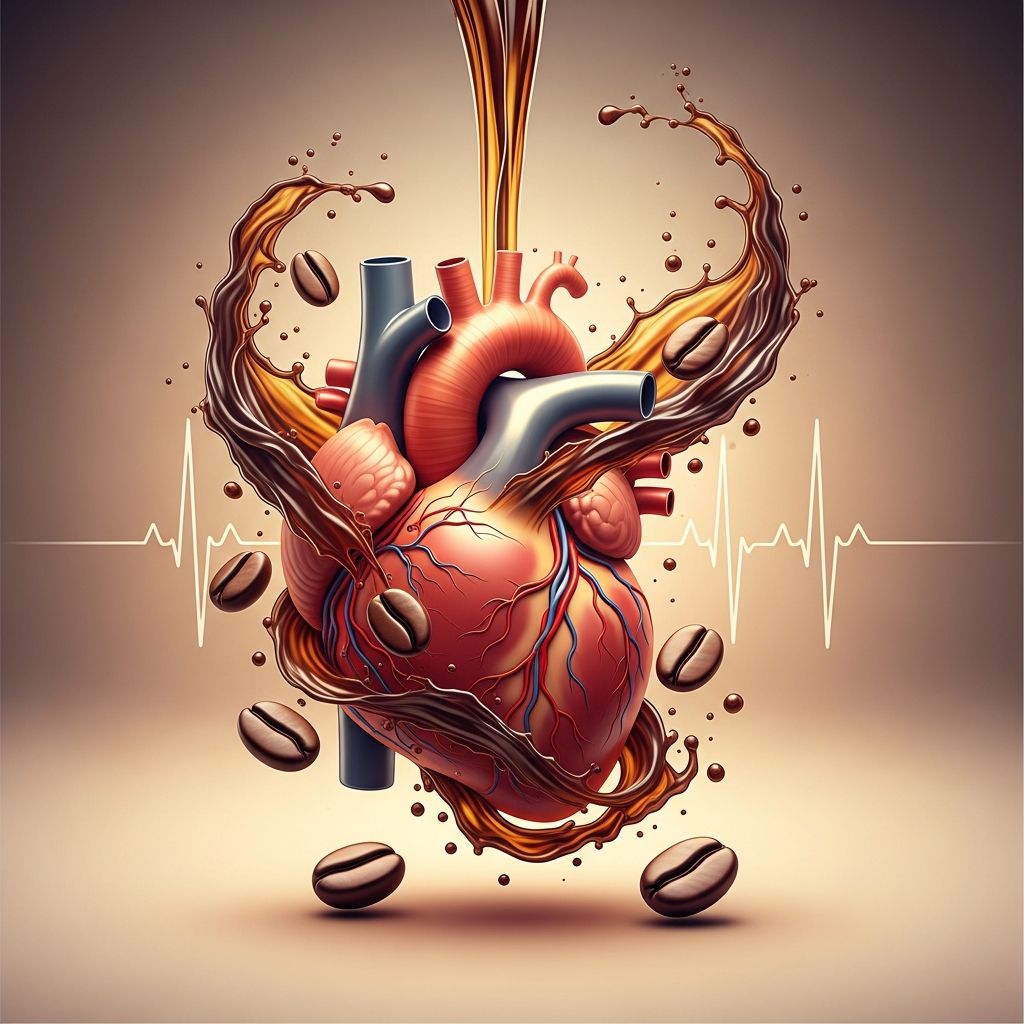
Drinking Coffee Linked to Healthier Hearts and Longer Lives
For decades, coffee has been a subject of health scrutiny, with some early research suggesting potential risks. However, modern scientific investigation, particularly comprehensive studies conducted by Harvard University’s T.H. Chan School of Public Health, has fundamentally shifted our understanding of this beloved beverage. Today, the evidence overwhelmingly demonstrates that moderate coffee consumption is not just safe—it may be one of the most beneficial habits you can adopt for your long-term health and longevity.
The transformation in our understanding of coffee’s health effects represents a significant shift in nutritional science. What was once considered a potential health risk is now recognized as a powerful ally in the fight against chronic disease and premature mortality. This comprehensive analysis explores the scientific evidence behind coffee’s remarkable health benefits, particularly its profound effects on cardiovascular health and overall lifespan.
The Harvard Research: A Game-Changing Discovery
Harvard researchers have conducted some of the most rigorous and extensive studies on coffee consumption and health outcomes. These investigations have analyzed data from more than 200,000 participants over several decades, providing robust evidence of coffee’s protective effects. The findings published through Harvard’s Nutrition Source demonstrate a clear correlation between moderate coffee consumption and reduced risk of multiple chronic diseases.
One of the most striking findings from Harvard’s research is that drinking between 2 and 5 cups of coffee daily is associated with significant health benefits. This optimal range has emerged as the sweet spot for maximizing coffee’s protective effects while minimizing any potential drawbacks. The research demonstrates that the benefits extend across multiple health conditions, making coffee one of the most comprehensively beneficial dietary components studied in modern nutrition science.
The Active Compounds: Beyond Caffeine
Understanding why coffee is so beneficial requires examining its chemical composition. Coffee contains far more than just caffeine—it’s a complex beverage containing hundreds of bioactive compounds. The most important of these health-promoting substances include polyphenols and antioxidants, which are responsible for many of coffee’s protective effects. Importantly, both caffeinated and decaffeinated coffee demonstrated similar health benefits in Harvard studies, indicating that caffeine itself is not the primary driver of coffee’s health advantages.
These bioactive compounds work through multiple biological mechanisms. They reduce inflammation throughout the body, support proper metabolic function, and protect cells against oxidative stress—all fundamental processes that contribute to aging and chronic disease development. This multi-faceted approach to health protection explains why coffee consumption is associated with benefits across such a wide range of health conditions.
Coffee and Cardiovascular Health
Perhaps the most significant finding for many people concerns coffee’s effects on heart health. Contrary to older beliefs that coffee might increase heart disease risk, modern research demonstrates the opposite. A large cohort study of 37,514 women revealed that moderate coffee drinking of 2-3 cups daily was associated with a 21% reduced risk of heart disease. This substantial risk reduction makes coffee consumption one of the most effective dietary interventions for cardiovascular protection.
The cardiovascular benefits extend beyond preventing initial disease development. A meta-analysis of 21 prospective studies examining coffee consumption and death from chronic diseases found a striking link between moderate coffee consumption (3 cups per day) and a 21% lower risk of cardiovascular disease deaths compared with non-drinkers. This means that regular coffee drinkers not only develop heart disease less frequently but also experience better survival outcomes when cardiovascular events do occur.
Related Stories



The mechanisms behind these cardiovascular benefits are multifaceted. Compounds in coffee reduce inflammation in blood vessels, enhance endothelial function, and improve the elasticity of arterial walls. Additionally, coffee appears to favorably influence cholesterol profiles and blood pressure regulation, contributing to overall cardiovascular health optimization.
Beyond the Heart: Multiple Health Benefits
While cardiovascular health represents perhaps the most dramatic benefit, coffee’s protective effects extend throughout the body and across numerous disease states. Understanding the full spectrum of coffee’s benefits provides compelling motivation for including this beverage as part of a health-conscious lifestyle.
Type 2 Diabetes Prevention
Metabolic health represents another area where coffee demonstrates remarkable protective effects. In a meta-analysis of 45,335 people with type 2 diabetes followed for up to 20 years, researchers found a strong association between increasing coffee consumption and lower diabetes risk. Compared with no coffee consumption, the decreased risk ranged from 8% with just 1 cup daily to 33% for 6 cups daily. Caffeinated coffee showed slightly greater benefits than decaffeinated varieties, suggesting that caffeine plays a modest role in diabetes prevention alongside other coffee compounds.
A second meta-analysis of prospective cohort studies found that when comparing the highest intake of coffee (up to 10 cups daily) with the lowest (less than 1 cup), there was a 30% decreased risk of type 2 diabetes in those drinking the highest amounts of caffeinated coffee and a 20% decreased risk when drinking decaffeinated coffee. Furthermore, the incidence of diabetes decreased by 12% for every 2 additional cups of coffee consumed daily, and 14% for every 200 mg daily increase in caffeine intake (up to 700 mg daily).
Coffee appears to improve insulin sensitivity, helping the body regulate blood sugar levels more effectively and reducing the likelihood of developing this increasingly prevalent metabolic disorder.
Neurological Protection
Brain health and cognitive function represent increasingly important concerns as people age. Harvard research highlights that regular coffee drinkers have a significantly lower risk of developing neurodegenerative conditions like Alzheimer’s and Parkinson’s disease. A systematic review of 26 studies found a 25% lower risk of developing Parkinson’s disease with higher intakes of caffeinated coffee, alongside a 24% decreased risk with every 300 mg increase in caffeine intake.
A particularly revealing Finnish cohort study tracked coffee consumption and Parkinson’s disease development in 6,710 men and women over 22 years. Those who drank at least 10 cups of coffee daily had significantly lower risk of developing the disease than non-drinkers. In another large prospective cohort examining caffeine and coffee intake on Parkinson’s disease risk, men drinking the most caffeine (6 or more cups of coffee daily) showed a 58% lower risk of Parkinson’s disease compared with men drinking no coffee.
Mental Health and Depression
Mental health benefits from coffee consumption have emerged as a surprising finding in recent research. A meta-analysis of observational studies including 330,677 participants found a 24% reduced risk of depression when comparing the highest (4.5 cups daily) to lowest (less than 1 cup) intakes of coffee. Even more encouragingly, researchers found an 8% decreased risk of depression with each additional cup of coffee consumed. There was also a 28% reduced risk of depression comparing the highest to lowest intakes of caffeine, with the greatest benefit occurring with caffeine intakes between 68 and 509 mg daily (approximately 6 ounces to 2 cups of coffee).
Cancer Prevention
Emerging evidence suggests that coffee consumption may reduce the risk of certain cancers. Studies link coffee consumption to reduced risk of liver and endometrial cancers, with researchers attributing these protective effects to coffee’s potent anti-inflammatory properties. The improved antioxidant responses and reduced inflammation associated with coffee consumption represent key mechanisms important in cancer prevention.
Longevity and Mortality: The Ultimate Outcome
Ultimately, the most compelling evidence for coffee’s health benefits comes from studies examining its effects on overall mortality and lifespan extension. In a large prospective cohort of more than 500,000 people followed for 10 years, researchers found a significant association between drinking higher amounts of coffee and lower rates of death from all causes. Compared with non-drinkers, those drinking 6-7 cups daily had a 16% lower risk of early death. A protective association was also found in those who drank 8 or more cups daily, demonstrating that coffee’s protective effects extend across a wide range of consumption levels.
Remarkably, the protective effect was present regardless of genetic predisposition to either faster or slower caffeine metabolism, indicating that coffee’s benefits are broadly accessible to all individuals. Both instant and decaffeinated coffee showed similar health benefits to traditionally brewed varieties.
Healthy Aging: Recent Research on Long-Term Health Trajectories
Recent Harvard research has expanded our understanding of coffee’s effects by examining its impact on healthy aging specifically. A landmark study tracked nearly 50,000 women from the Nurses’ Health Study for 30 years, making it the first to assess coffee’s impact across multiple domains of aging over such an extended period. The findings suggest that caffeinated coffee—not tea or decaffeinated coffee—may uniquely support aging trajectories that preserve both mental and physical function.
This distinction between caffeinated and regular coffee in the context of healthy aging suggests that caffeine itself may play a role in preserving cognitive function and physical vitality as people age, complementing the protective effects of coffee’s other bioactive compounds.
Timing Matters: When You Drink Coffee Affects Benefits
Recent research has also revealed that the timing of coffee consumption influences its protective effects. Studies examining coffee drinking patterns in US adults identified two distinct patterns: morning-type and all-day-type consumption. The morning-type pattern—where coffee consumption is concentrated earlier in the day—was significantly associated with lower risks of both all-cause mortality and cardiovascular disease-specific mortality compared with non-coffee drinking. This finding suggests that consuming coffee primarily in the morning may maximize its health benefits while avoiding potential sleep disruption that could occur with late-day consumption.
Optimal Coffee Consumption: Finding Your Balance
Given the extensive research demonstrating coffee’s health benefits, the question becomes: how much coffee should you drink? The evidence consistently supports moderate consumption as optimal. Most studies demonstrate maximum benefits with 2-5 cups of coffee daily, with particular benefits often noted at 3-4 cups daily. This moderate range appears to strike the ideal balance between maximizing health benefits and minimizing any potential drawbacks.
It’s important to note that individual tolerance varies. Some people are more sensitive to caffeine and may experience sleep disruption or anxiety at higher consumption levels. Additionally, pregnant women should consult with healthcare providers about appropriate caffeine intake during pregnancy.
Important Caveats and Complementary Factors
While the evidence for coffee’s health benefits is compelling, researchers emphasize that coffee consumption should be viewed as one component of a comprehensive healthy lifestyle rather than a standalone solution. As Dr. Sara Mahdavi from Harvard T.H. Chan School of Public Health noted, nutrition, regular exercise, and not smoking remain the “most powerful and proven contributors” to healthy aging. Coffee consumption works synergistically with these other lifestyle factors to optimize health outcomes.
Future research is examining how coffee’s bioactive compounds—particularly polyphenols and antioxidants—might influence molecular aging pathways, including inflammation, metabolism, and vascular health. This deeper understanding may lead to even more targeted approaches to maximizing coffee’s health potential.
The Evolution of Coffee Science
The transformation in scientific understanding regarding coffee represents a remarkable evolution in nutritional science. Early research linked coffee to diseases ranging from heart disease to asthma, but many participants in those older studies also smoked, confounding the results. Modern research, controlling for these confounding factors and using more rigorous methodology, tells a very different story.
As Frank Hu, chair of the Department of Nutrition at Harvard T.H. Chan School of Public Health, has stated: “The overall evidence has been pretty convincing that coffee has been more healthful than harmful in terms of health outcomes. For most people, moderate coffee consumption can be incorporated into a healthy diet.” This authoritative perspective reflects the scientific consensus that has emerged from decades of rigorous research.
Frequently Asked Questions
Q: How much coffee should I drink daily to get health benefits?
A: Research demonstrates that 2-5 cups of coffee daily is associated with maximum health benefits, with particular benefits noted around 3-4 cups daily. However, individual tolerance varies, and some people may experience side effects at higher consumption levels.
Q: Does decaffeinated coffee provide the same health benefits?
A: Decaffeinated coffee does provide many of the same health benefits as regular coffee, though caffeinated coffee generally shows slightly greater benefits. Both contain the beneficial polyphenols and antioxidants responsible for coffee’s health effects.
Q: Is coffee safe for everyone?
A: Moderate coffee consumption is safe for most adults. However, pregnant women should consult with healthcare providers about appropriate caffeine intake, and individuals sensitive to caffeine should adjust consumption accordingly.
Q: When should I drink coffee to maximize benefits?
A: Morning-type coffee consumption patterns appear to be associated with greater longevity and health benefits compared with all-day consumption, likely due to avoiding sleep disruption from late-day caffeine intake.
Q: Can coffee replace other healthy lifestyle practices?
A: No. Coffee should be viewed as one component of a comprehensive healthy lifestyle. Regular exercise, balanced nutrition, adequate sleep, and not smoking remain the most powerful contributors to health and longevity.
References
- Harvard Study: Coffee’s Surprising Role in Longevity — Escondido Specialty Coffee. 2024. https://www.escondidospecialtycoffee.com/blogs/news/the-harvard-study-how-coffee-contributes-to-longevity
- Coffee – The Nutrition Source — Harvard T.H. Chan School of Public Health. 2024. https://nutritionsource.hsph.harvard.edu/food-features/coffee/
- Brewed for longevity: drinking coffee linked with healthy aging — Harvard T.H. Chan School of Public Health. 2024. https://www.eurekalert.org/news-releases/1084789
- Women who drink coffee daily may age healthier, 30-year study finds — Fox News. 2024. https://www.foxnews.com/health/daily-coffee-drinking-linked-major-health-benefit-women-age-study-finds
- Coffee drinking timing and mortality in US adults — European Heart Journal, Oxford Academic. 2025. https://academic.oup.com/eurheartj/article/46/8/749/7928425
- Is coffee good or bad for your health? — Harvard T.H. Chan School of Public Health. 2021. https://hsph.harvard.edu/news/is-coffee-good-or-bad-for-your-health/
Similar Articles








Read full bio of Sneha Tete