Does Coffee Reduce Inflammation? Science-Backed Benefits
Explore the science behind coffee's potential anti-inflammatory effects and how it may benefit health.
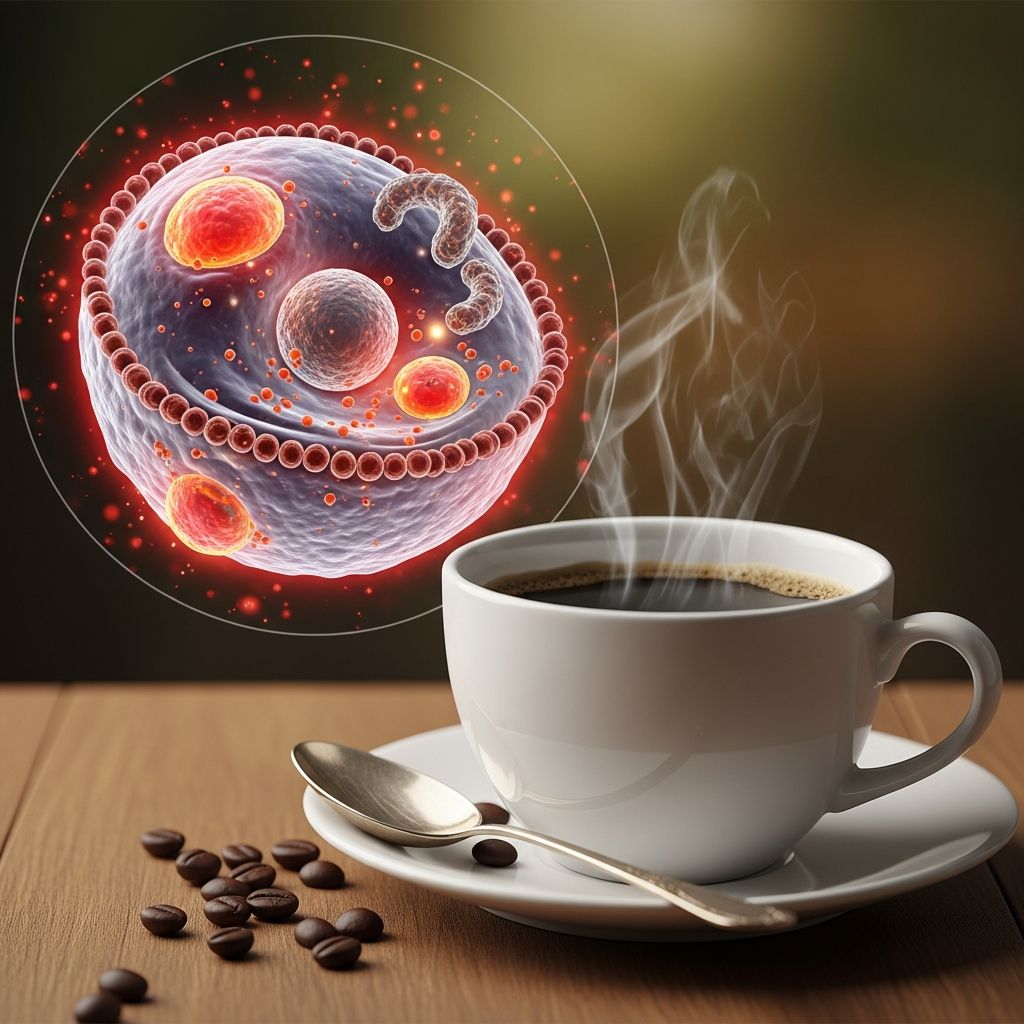
Coffee, one of the world’s most popular beverages, contains caffeine and other bioactive compounds that may influence inflammation. Research suggests caffeine exhibits anti-inflammatory effects primarily through phosphodiesterase inhibition and adenosine receptor antagonism, potentially reducing pro-inflammatory cytokines like TNF-α while boosting anti-inflammatory IL-10. However, effects can vary by dose, context, and individual factors, with some studies noting controversial or dual roles in conditions like colorectal cancer (CRC).
What Is Inflammation?
Inflammation is the body’s natural immune response to injury or infection, involving immune cell activation and release of cytokines. Acute inflammation aids healing, but chronic inflammation contributes to diseases like inflammatory bowel disease (IBD), including Crohn’s disease (CD) and ulcerative colitis (UC), cardiovascular issues, and cancers. Markers such as C-reactive protein (CRP), TNF-α, IL-6, and IL-17 indicate ongoing inflammation. Diet, including coffee, may modulate these pathways.
Does Coffee Reduce Inflammation?
Evidence indicates coffee likely plays a protective role against mucosal inflammation. A meta-analysis links coffee consumption to lower Crohn’s disease risk, while cohort studies show dose-dependent reductions in total mortality with higher intake. Mechanisms include:
- Caffeine (CAF): Suppresses chitinase 3-like 1 (CHI3L1) in dextran sulfate sodium (DSS)-induced colitis models, reducing inflammation and cell infiltration.
- Anti-inflammatory cytokines: Upregulates IL-10, downregulates TNF-α, IL-17F, IFN-γ, and IL-4.
- Akt signaling inhibition: Reduces pro-inflammatory pathways elevated in IBD.
In mouse models, CAF-treated groups showed milder colitis histology and balanced cytokine profiles compared to controls. Human data supports general anti-inflammatory effects, though direct IBD flare prevention remains unproven.
Health Conditions Potentially Improved by Coffee’s Anti-Inflammatory Effects
Inflammatory Bowel Disease (IBD)
Coffee extracts and caffeine demonstrate protective effects in intestinal inflammation. Oral CAF suppresses DSS-induced colitis by targeting CHI3L1, a chitinase linked to inflammation without enzymatic activity. Studies report reduced colon inflammation and lower IBD-associated cancer risks with 4–6+ cups daily. However, patient surveys like Barthel et al.’s in Switzerland show no clear link to flares, suggesting preventive rather than therapeutic benefits for susceptible individuals.
Colorectal Cancer (CRC)
Coffee consumption correlates with reduced CRC risk and mortality. Caffeinated coffee lowers overall CRC incidence, recurrence, and stage III patient deaths. Decaffeinated varieties show similar low incidence, implying compounds beyond caffeine contribute. Large intakes (4–6 cups) reduce colitis-associated cancers, though low-dose CAF with sucrose may promote carcinogenesis in chronic inflammation models—highlighting a potential double-edged sword.
Other Conditions
- Total Mortality: Freedman et al.’s 14-year cohort (402,260 participants) found inverse dose-response with coffee, linking to anti-inflammatory actions.
- General Inflammation: Coffee reduces colonic inflammatory processes, potentially lowering broader risks.
Benefits and Risks of Coffee
Benefits:
- Antioxidant effects from kahweol and other constituents.
- Nonselective phosphodiesterase inhibition activates protein kinase A, curbing inflammation.
- Potential CRC mortality reduction via multiple mechanisms.
Related Stories



Risks:
- Pro-tumorigenic at low doses with sugar in inflamed colons.
- Conflicting CRC data; some studies show no association.
- Overconsumption may exacerbate symptoms in sensitive individuals.
| Aspect | Benefits | Risks/Controversies |
|---|---|---|
| IBD | CHI3L1 suppression, milder colitis | No proven flare prevention |
| CRC | Reduced risk/mortality (4-6+ cups) | Low-dose + sucrose promotes tumors |
| Mortality | Dose-dependent inverse association | Limited in some cohorts |
How Much Coffee Should You Drink?
Optimal intake varies: 4–6+ cups daily linked to CRC protection, with general benefits from regular consumption. Start with 2–3 cups, monitoring tolerance. Factors include genetics, IBD susceptibility, and sugar avoidance. Consult physicians for IBD patients, as evidence supports prevention over treatment.
Related Stories
- Best anti-inflammatory foods for gut health.
- Caffeine effects on digestion.
- Diet tips for IBD management.
Frequently Asked Questions (FAQs)
Does coffee cause inflammation?
No, research shows coffee and caffeine generally reduce inflammation via cytokine modulation, though context matters.
Is decaffeinated coffee anti-inflammatory?
Yes, similar CRC risk reduction observed, suggesting other coffee compounds contribute.
Can coffee help with IBD?
Prevents inflammation in models; may lower CD risk but not proven for flares.
How does caffeine fight inflammation?
Through adenosine antagonism, phosphodiesterase inhibition, and CHI3L1 suppression.
Is coffee safe for CRC patients?
Associated with reduced recurrence/death; avoid low-dose with sugar.
References
- Does caffeine have a double-edged sword role in inflammation and intestinal tumorigenesis? — Bessler H, et al. PMC. 2023-07-28. https://pmc.ncbi.nlm.nih.gov/articles/PMC10397549/
Similar Articles








Read full bio of Sneha Tete