Cognitive Behavioral Therapy: 3 Core Thought Levels
Discover how CBT transforms negative thoughts into positive actions for better mental health.
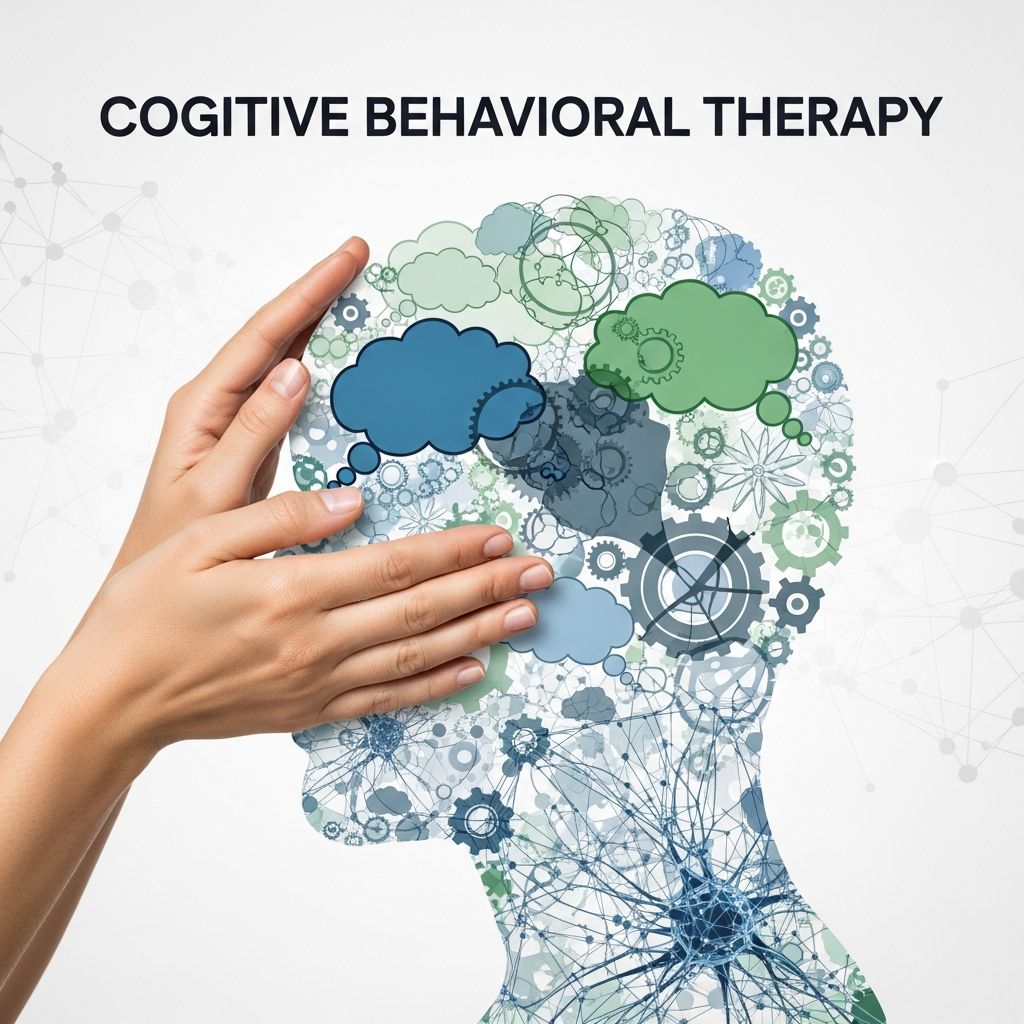
Cognitive Behavioral Therapy (CBT) stands as one of the most effective and widely researched forms of psychotherapy, focusing on the interplay between thoughts, emotions, and actions to foster lasting change. Developed by Aaron Beck in the 1960s, it operates on the principle that distorted thinking patterns drive emotional distress and maladaptive behaviors, which can be systematically altered through targeted interventions.
Understanding the Foundations of CBT
At its core, CBT posits that individuals’ emotional responses and behaviors stem not directly from events themselves, but from their interpretations of those events. This cognitive model divides thinking into three layers: core beliefs (deep-seated views about self, others, and the world), dysfunctional assumptions (rigid rules or attitudes), and automatic negative thoughts (NATs), which are fleeting, habitual interpretations that skew reality.
For instance, someone facing job loss might harbor a core belief like “I’m worthless,” leading to assumptions such as “I must be perfect to succeed,” and NATs like “I’ll never find work again.” CBT demystifies these patterns, empowering people to challenge and reframe them.
The Therapeutic Process in Action
CBT sessions are typically short-term, lasting 12-20 weeks, with each meeting structured around an agenda to maximize efficiency. Therapists and clients collaborate in a process called “collaborative empiricism,” treating therapy like a scientific experiment where beliefs are tested against evidence.
- Initial Assessment: The therapist gathers history and builds a personalized formulation—a hypothesis explaining the origins, triggers, and maintainers of the client’s issues.
- Goal Setting: Clients and therapists define clear, measurable objectives, prioritizing current problems over exhaustive past explorations.
- Session Structure: Begins with reviewing homework, setting the day’s agenda, core work, and assigning new tasks to reinforce learning.
This structured approach ensures progress is trackable, with homework bridging sessions to build self-reliance.
Core Techniques for Cognitive Restructuring
CBT employs a toolkit of cognitive strategies to dismantle unhelpful thought patterns. “Guided discovery” encourages clients to explore their perspectives actively, often via Socratic questioning—open-ended queries that prompt self-examination without direct confrontation.
Examples include: “What evidence supports this thought?” or “What would you tell a friend in this situation?” These foster alternative viewpoints, reducing the power of NATs. Therapists also teach clients to log thoughts in a daily journal, rating their intensity before and after challenging them, promoting objective evaluation.
| Thought Level | Description | Example | CBT Challenge |
|---|---|---|---|
| Core Beliefs | Fundamental self-views | “I am incompetent” | Examine lifelong evidence of successes |
| Dysfunctional Assumptions | Conditional rules | “If I fail, I’m a failure” | Identify flexible alternatives |
| Automatic Negative Thoughts | Spontaneous reactions | “Everyone hates me” | Test with behavioral experiments |
Behavioral Strategies to Drive Change
Complementing cognitive work, behavioral techniques activate clients and break avoidance cycles. Activity scheduling involves monitoring daily routines, rating pleasure and mastery levels, then planning enriching tasks to combat inertia.
Related Stories



Behavioral experiments test beliefs empirically: a socially anxious person believing “Others will judge me harshly” might experiment with small talk in a cafe, noting outcomes to disprove fears. Exposure therapy, a subset, gradually confronts feared situations, reducing sensitivity over time.
- Graded Task Assignment: Breaks overwhelming tasks into steps for incremental wins.
- Problem-Solving Training: Structures responses to challenges: define problem, brainstorm solutions, evaluate, and act.
- Relaxation Skills: Includes deep breathing or progressive muscle relaxation for anxiety management.
Conditions Effectively Treated by CBT
CBT’s versatility shines across disorders. Meta-analyses confirm its efficacy for depression, where it rivals antidepressants and prevents relapse better long-term. For anxiety disorders like generalized anxiety, panic, and phobias, it excels by targeting worry cycles and avoidance.
It’s also first-line for PTSD, OCD, eating disorders, and insomnia, often integrated with medication. Emerging applications include chronic pain, substance use, and even physical health issues like irritable bowel syndrome, by addressing psychological contributors.
| Condition | CBT Focus | Evidence Level |
|---|---|---|
| Depression | Activity reactivation, thought challenging | High (meta-analyses) |
| Anxiety Disorders | Exposure, cognitive restructuring | High |
| PTSD | Trauma processing, safety behaviors | Strong (APA guidelines) |
| OCD | Response prevention, exposure | High |
Who Delivers CBT and How to Get Started
Qualified practitioners include psychologists, psychiatrists, counselors, and social workers trained in CBT protocols. Sessions occur weekly, in-person, online, or via apps for self-guided versions.
Self-referral or GP recommendation accesses services; many insurers cover it. Free resources like NHS apps or books by David Burns offer entry points, though professional guidance optimizes outcomes.
Benefits, Limitations, and Long-Term Impact
CBT equips individuals as their own therapists, yielding skills for lifelong use and low relapse rates. It’s cost-effective, non-invasive, and adaptable for groups or children.
Limitations include unsuitability for severe psychosis or those preferring exploratory therapy; it requires motivation and practice. About 50-60% achieve significant improvement, with boosters addressing residual symptoms.
Frequently Asked Questions (FAQs)
What is the main goal of CBT?
To identify and modify distorted thinking and behaviors causing distress, promoting healthier patterns.
How long does CBT take?
Usually 5-20 sessions, depending on the issue’s complexity.
Can CBT be done online?
Yes, virtual CBT is effective, especially post-pandemic.
Is CBT better than medication?
Often comparable for mild-moderate cases; combining yields best results for some.
Who isn’t suitable for CBT?
Those in crisis, with severe cognitive impairments, or unwilling to engage actively.
Empowering Your Journey with CBT
CBT’s evidence-based framework offers a roadmap out of mental health struggles, emphasizing empowerment through understanding and action. By mastering its principles, anyone can cultivate resilience against life’s challenges.
References
- The key principles of cognitive behavioural therapy — Sage Journals. 2013-01-25. https://journals.sagepub.com/doi/10.1177/1755738012471029
- Cognitive Behavior Therapy — StatPearls, NCBI Bookshelf, NIH. 2023-07-03. https://www.ncbi.nlm.nih.gov/books/NBK470241/
- Cognitive Behavioral Therapy (CBT): What It Is & Techniques — Cleveland Clinic. 2023-11-13. https://my.clevelandclinic.org/health/treatments/21208-cognitive-behavioral-therapy-cbt
- What is Cognitive Behavioral Therapy? — American Psychological Association. N/A. https://www.apa.org/ptsd-guideline/patients-and-families/cognitive-behavioral
- Cognitive behavioral therapy — Mayo Clinic. 2023-11-01. https://www.mayoclinic.org/tests-procedures/cognitive-behavioral-therapy/about/pac-20384610
Similar Articles








Read full bio of medha deb